Best Window Tinting Specialists in Napier
Published 28 March 2025 · Updated 15 September 2026 · Written by the ValueHub team · Reviewed by Steve Baron
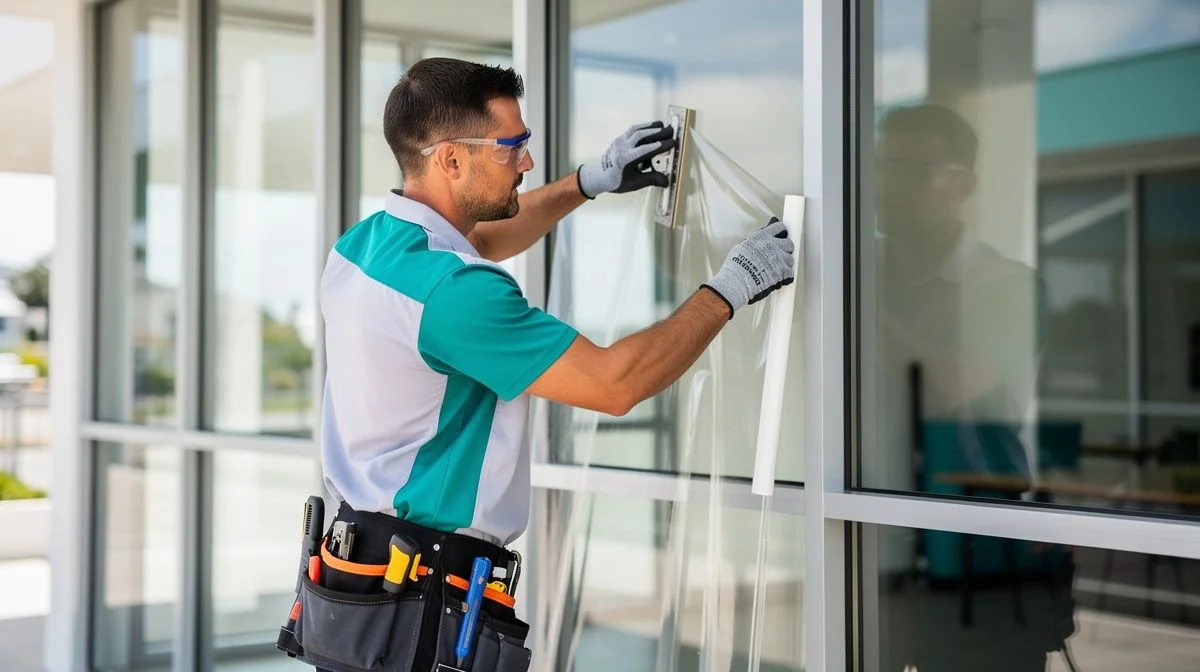
Best Window Tinting Specialists in Napier
Strong light and a lot of glass with rules attached
Napier gets a great deal of sunshine, and the housing in the inner suburbs was largely rebuilt in one go after the earthquake, which is why so much of it shares a look: generous single panes, wide timber joinery and shallow rooflines. That is lovely architecture and awkward glass. A large single pane lets in a lot of light and, on the western side of a house, a lot of heat.
Hawke's Bay also brings a wind that people underestimate. The region's nor'westerly is warm and drying, and it drives fine dust across the exposed side of a house. Dust is the enemy of a clean installation, because film laid on a dusty day traps grit that shows up permanently as a speckled finish. An installer who watches the forecast and reschedules is doing you a favour, not being unreliable.
A second local consideration has nothing to do with weather. Napier protects its Art Deco heritage closely, and appearance controls apply across parts of the inner city and some residential streets. Internal film on existing glass is usually outside all of that, but it's worth confirming rather than assuming.
How We Researched This Guide
We began with pricing, because that is the first question and the easiest one to answer badly. That meant gathering published per-square-metre rates from companies working across Hawke's Bay, then comparing them against whole-home estimates from national installers who publish a calculator on their own site. Where those two views disagreed, the difference was nearly always the film rather than the labour.
From there we went to the manufacturers' technical sheets for the products being quoted, reading the total solar energy rejection and ultraviolet rejection figures and, importantly, the list of glazing types each film is rated for. Napier's older single panes behave quite differently from modern sealed units under the same product. We also checked the New Zealand Transport Agency's glazing rules for the vehicle side. We verified every dollar figure on this page against a live source, and where we couldn't confirm one, we described the pattern instead.
The 60-Second Version
If you only read one section of this page, read this one.
- Standard residential sun-control film runs about $80–$150 per square metre of glass.
- Ceramic film costs more but rejects heat without the mirror look of metallised film.
- A three-bedroom home typically starts from around $1,500, depending on glass area.
- Do not have film applied on a windy, dusty nor'westerly day — grit under film is permanent.
- Ask what the film does to single glazing specifically, because much of Napier's housing is single glazed.
- On vehicles, windscreens cannot be tinted, and front side windows must stay at 35% or more overall.
Window Tinting Licensing and Regulation
Tinting is not a licensed trade in New Zealand. There is no register, and anyone can buy film and advertise as a specialist. Instead, you can do three checks. First, check whether the business is an authorised installer for a named film brand, because brands train and certify applicators and publish installer lists so you can verify the claim. Second, check whether it belongs to a trade association whose members install to the manufacturer's specification; third, check whether it carries public liability insurance, which matters most on commercial work.
Vehicles are the properly regulated part. A windscreen must have an overall visible light transmittance of at least 70%, and film may not be fitted to it at all. Front side windows may take a transparent overlay provided the combined glass-and-film figure stays at 35% or higher.
That limit catches people out, because a film sold as "35%" applied to glass already transmitting 70% produces a figure well below the requirement. Rear and rear-side glazing has no minimum of its own, except that passenger cars must not drop below 35% overall, and tinting rear glazing means you need rear-view mirrors on both sides. The New Zealand Transport Agency's guidance on vehicle windows sets this out, and whoever applies the film is responsible for staying within it.
On homes, tinting existing private windows generally needs no building consent, because you are adding film to glass rather than altering the building. Safety and security film fitted to glass that forms part of a means of escape is the exception and must leave the glass performing as it did before. The Building Code guidance on MBIE's building website covers the glazing requirements, and it is a better source than an installer's recollection.
Napier Tinting Prices — What You Should Expect to Pay
Quotes are calculated from the total square metreage of visible glass, so measuring your windows and dividing gives you a quick check of any figure you are given. Residential prices are usually quoted inclusive of GST, and commercial quotes frequently are not.
| Job or film type | Typical price |
|---|---|
| Standard residential sun-control film | $80–$150 per m² |
| Ceramic film (higher heat rejection, low reflectivity) | $120–$200 per m² |
| Decorative or privacy film | $70–$120 per m² |
| Safety and security film | $120–$180 per m² |
| Single room, about 10 m² of glass | $800–$1,600 |
| One-bedroom unit, whole home | From $500 |
| Two-bedroom home | From $1,000 |
| Three-bedroom house | From $1,500 |
| Larger home, four bedrooms or more | From $2,000 |
| Film removal before re-tinting | Quoted per job |
Price ranges verified from multiple New Zealand provider websites and published industry cost guides as of September 2026. Final quotes depend on total glass area, film type, access and window height.
Three things lift a Napier quote above the base rate. Access is the biggest, since a second-storey window on a steep section takes longer than the same window at ground level. Older joinery often needs cleaning and sealing before we can apply film. And removing failed film is slow, careful work that is charged accordingly.
Most residential tinting is quoted as a fixed price for the whole job, which is the arrangement you want. Hourly rates suit commercial maintenance or a small repair. If you are quoted hourly for a standard house, ask for a fixed price before agreeing to anything.
How to Choose a Tinting Specialist
Start with the film, not the fitter. Ask which brand and which specific product is proposed, then look it up and read its total solar energy rejection and ultraviolet rejection figures. An installer who cannot name the product cannot warrant it.
Then ask what the film will do to your glass. Napier has a great deal of single glazing, and single glazing handles film very differently from a sealed unit. Someone who asks before quoting is doing the job properly.
Five things worth walking away from:
- A quote that never asks about your glazing: single glazing and sealed units are different jobs.
- A warranty shorter than five years against bubbling, lifting and discolouration.
- No square-metre figure on the quote. Per-window pricing under-prices large panes and makes quotes impossible to compare.
- An installer happy to work through a dusty nor'westerly. That grit ends up under the film and stays there.
- A price far below the market. It usually means economy dyed film, which fades and loses heat rejection early.
What Happens When You Book an Installer
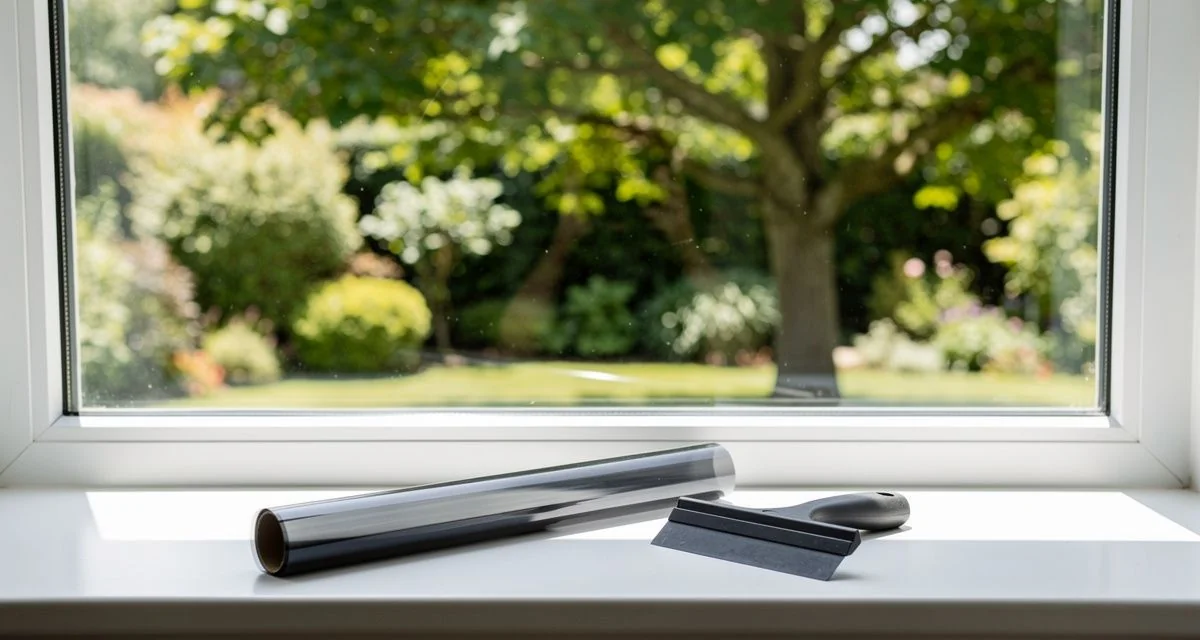
Most companies will quote from measurements and a few photographs, which is usually sufficient for a standard home. Insist on a site visit if your windows are high, hard to reach or unusually shaped.
Before they arrive, clear the rooms they will be working in. Move furniture back, draw curtains, and clear the sills. Film needs clean glass and a dust-free workspace, and clutter slows the job and increases the chance of something getting trapped underneath.
Typical job times, though installers vary:
- A single large window or ranch slider: about 30–60 minutes.
- A whole room, three to four windows: two to three hours.
- A standard three-bedroom house: most of a day, sometimes two.
- Commercial glazing or a shopfront: scheduled after hours, often overnight.
- Safety or security film: longer than sun-control film, because of the edge sealing.
Ask for the written warranty when the work is finished and keep it together with the film's product code, because that is what a claim is assessed against. You should also be told the curing time. Most films take several weeks to bond fully, and a slight haze or a few small water bubbles are normal until then.
What Hawke's Bay Does to a Tint
The nor'westerly and dust
Hawke's Bay's nor'westerly is hot and drying, and it carries fine dust across the exposed face of a house. Film applied while that is blowing will hold grit that no amount of cleaning afterwards will remove. Watch the forecast, and if an installer wants to postpone, let them.
Very high ultraviolet on north and west glass
Interiors in this region fade faster than most New Zealanders anticipate, and the damage is done by ultraviolet rather than heat. Timber floors, leather and artwork take the worst of it. Good film blocks most ultraviolet regardless of how dark it looks, which surprises people who assume protection requires tinting their rooms into shade.
Heritage appearance controls
Napier guards its Art Deco heritage, and appearance controls cover parts of the inner city and some residential streets. Internal film on an existing window rarely falls under those rules, but a heritage area is worth a quick check before you book, not after.
Questions You Might Have
Is single glazing a problem for film?
No, and in some ways it is simpler. Single glazing lets heat escape through the pane instead of trapping it inside a sealed unit, so thermal stress is much less of a concern. The risks are mechanical: an unsound frame or an unsealed edge can let the film lift.
How dark does film need to be to keep heat out?
Much lighter than most people expect. Darkness and heat rejection are only loosely connected, because what matters is the film's ability to reflect and re-emit infrared energy. A nearly clear ceramic film can outperform a dark dyed product substantially while keeping the rooms bright.
Can you tint leadlight or decorative glass?
You can do it with a clear film that has almost no visible effect, and that is usually the right approach, because a dark film on leadlight destroys what makes it worth keeping. Ask for the clearest high-ultraviolet product available, not a sun-control film.
What Matters Most
What separates a tint that still looks right in ten years from one that is lifting in two is the film, not the installation. A careless fitter will ruin a good product, but the reverse isn't true, because no installer can make an economy dyed film last.
Measure your glass, note whether it is single glazed, and ask two or three Hawke's Bay specialists what product they would specify and why.

The ValueHub Team built this site because finding clear, unbiased financial information in New Zealand was harder than it should be. Every guide is based on real research — we compare the actual fees, terms, and fine print so you don't have to. Our tip: shop around every year, read the policy docs, and never assume loyalty gets you the best deal.— The ValueHub Team
Try our Calculators
Use these free tools to crunch the numbers:
KiwiSaver Fund Comparison
Compare fees, returns, and risk levels across every KiwiSaver fund — the most up to date data in New Zealand.
Currency Converter — USD to NZD
Convert US Dollars to New Zealand Dollars instantly. See the latest exchange rate and 30-day trend.
Mortgage Repayment Calculator
Calculate your weekly, fortnightly, or monthly mortgage repayments. Free NZ mortgage calculator — try different rates, terms, and repayment frequencies.
Compound Interest Calculator
See how your savings grow with compound interest over time. Free NZ compound interest calculator with yearly, monthly, and weekly compounding options.
Term Deposit Calculator
Calculate your term deposit returns before you lock in. Compare interest earned across different terms and rates with ValueHub's free calculator.
Savings Goal Calculator
Calculate how long it will take to reach your savings goal — and what monthly deposit you need to get there. Free NZ savings planner.
Window Tinting Specialists in Other Cities
Latest Guides & Reviews
SuperLife KiwiSaver Scheme Review
SuperLife KiwiSaver review: 65 open funds, fund charges from 0.20 to 1.30 per cent, and net returns to 30 June 2026.
reviewSuperEasy KiwiSaver Scheme Review
SuperEasy KiwiSaver review: 8 open funds, a 0.32 per cent fund charge, and net returns to 31 March 2026.
reviewWestpac KiwiSaver Scheme Review
Westpac KiwiSaver review: 8 open funds, fund charges from 0.25 to 0.70 per cent, and net returns to 30 June 2026.
reviewANZ KiwiSaver Scheme Review
Review of ANZ KiwiSaver. Three schemes, fees from 0.22 per cent, the closed Default scheme, OneAnswer and the Lifetimes option.