Home Staging in NZ — Does It Help Sell Your Home?
Published 07 April 2026 · Updated 28 June 2026
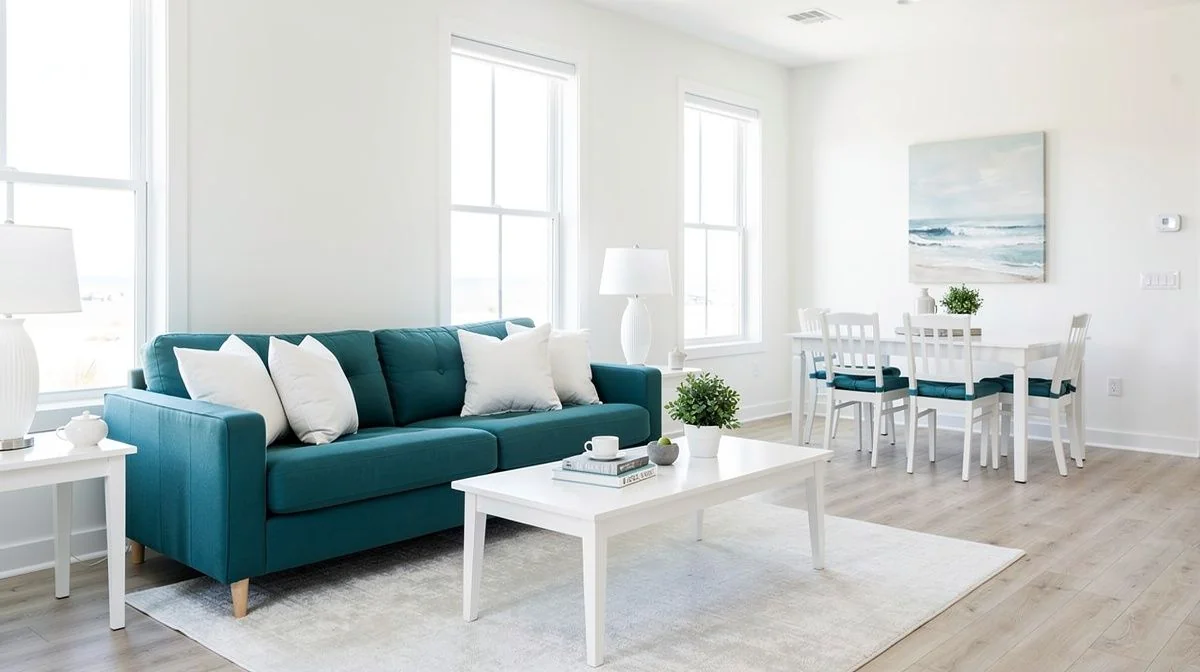
Home Staging in NZ — Does It Help Sell Your Home?
Selling a home is one of the biggest financial decisions you'll make in New Zealand. You want to get the best price possible, and quickly. One strategy many sellers consider is home staging — professionally preparing your property to appeal to buyers. But does it actually help, or is it just another expense?
This guide explains how home staging works in NZ, the pros and cons, what it costs, and whether it's right for your situation. We'll also give you a step-by-step approach to staging your home yourself or hiring a professional.
This is general information only and does not constitute financial advice. Always do your own research before making financial decisions.
What is home staging?
Home staging is the process of preparing a property for sale by making it look its best to potential buyers. It goes beyond a simple clean and tidy-up. Professional stagers use furniture, decor, lighting, and layout changes to highlight a home's strengths and minimise its weaknesses.
In New Zealand, staging is common for higher-end properties, but it's becoming more popular across all price ranges. Many real estate agents recommend it, especially in a buyer's market.
Pros of home staging
- Faster sale. Staged homes often sell more quickly because they make a strong first impression. Buyers can picture themselves living there.
- Higher offers. A well-staged home can command a higher sale price — some studies suggest 5–15% more, though results vary.
- Better online photos. Most buyers start their search online. Staged homes photograph beautifully and attract more viewings.
- Reduces perceived flaws. Strategic furniture placement can make small rooms feel bigger or hide awkward layouts.
- Neutral appeal. Staging removes personal taste, creating a blank canvas that appeals to a wider range of buyers.
Cons of home staging
- Cost. Professional staging can range from a few hundred to several thousand dollars depending on the size of your home and how long the furniture is needed.
- Not always necessary. In a hot seller's market, buyers may be less fussy — a clean, decluttered home might sell just as well.
- Empty homes can sell. Some buyers prefer to see the bare bones of a property, especially if they plan to renovate.
- Time and effort. Even if you stage yourself, it takes time to declutter, clean, and arrange furniture.
- Risk of damage. If you hire a stager, there's a small risk of damage to walls or floors during setup or removal.
Key features of a good home stage
Whether you DIY or hire a professional, focus on these elements:
- Declutter. Remove personal items, excess furniture, and clutter. Less is more.
- Deep clean. Carpets, windows, kitchens, and bathrooms must be spotless.
- Neutral colours. Paint walls in light, neutral tones like white, beige, or soft grey.
- Good lighting. Open curtains, add lamps, and use warm light bulbs to make rooms feel inviting.
- Furniture arrangement. Arrange furniture to show off the room's flow and purpose — not to fill every corner.
- Curb appeal. First impressions start outside. Mow the lawn, trim hedges, and add a potted plant or two.
How much does home staging cost in NZ?
Costs vary widely depending on your location, the size of your home, and the stager you choose. Here's a rough guide:
| Service | Typical cost (NZ$) |
|---|---|
| Consultation only | $200–$500 |
| Partial staging (e.g. living room only) | $500–$1,500 |
| Full staging (3–4 rooms) | $1,500–$5,000 |
| Monthly rental of furniture | $500–$2,000 per month |
| Vacant home styling | $2,000–$8,000+ |
Many stagers offer a package that includes consultation, furniture delivery, setup, and removal. Some also charge a fee for storage if your own furniture needs to be moved out. Always ask for a detailed quote before committing.
Who is home staging for?
Home staging isn't for everyone. It's most effective for:
- Homes in a competitive market. If there are many similar properties for sale, staging helps yours stand out.
- Vacant properties. An empty house can feel cold and uninviting. Staging brings it to life.
- Properties with awkward layouts. Staging can help buyers see how to use the space.
- Higher-priced homes. Buyers in this segment often expect a polished presentation.
- Homes that have been on the market for a while. A fresh look can reignite interest.
If your home is in a hot market, is already well-presented, or is a lower-priced starter home, you might get away with a good clean and declutter instead.
Step-by-step guide to staging your home
1. Declutter and depersonalise
Remove family photos, personal collections, and anything that distracts from the home itself. Pack away items you don't use daily. Rent a storage unit if needed.
2. Deep clean everything
Hire a professional cleaner or spend a weekend scrubbing. Pay attention to kitchens, bathrooms, windows, and carpets. A clean home signals a well-maintained property.
3. Make minor repairs
Fix leaky taps, replace broken light bulbs, patch holes in walls, and oil squeaky doors. Small issues can make buyers wonder about bigger problems.
4. Paint neutral colours
If walls are bright or dated, repaint in a light, neutral tone. White, off-white, or pale grey work best. This makes rooms look larger and brighter.
5. Arrange furniture for flow
Remove bulky furniture and rearrange what's left to create clear pathways. Each room should have a defined purpose — a dining area, a home office, a bedroom. Keep furniture away from walls to make rooms feel bigger.
6. Add finishing touches
Fresh flowers, a bowl of fruit, or a few throw cushions can add warmth. But keep it minimal — less is more. Avoid strong scents or candles that might put off buyers with allergies.
7. Boost curb appeal
Mow the lawn, weed the garden, clean the front door, and add a potted plant. First impressions happen before buyers even step inside.
8. Take professional photos
Once your home is staged, hire a professional photographer. Good photos are essential for online listings. Many real estate agents include this in their service.
DIY vs professional staging — which is right for you?
| Factor | DIY staging | Professional staging |
|---|---|---|
| Cost | Low (your time + supplies) | $1,000–$8,000+ |
| Time | Several days to weeks | 1–3 days setup |
| Expertise | Limited to your own taste | Professional eye for layout and appeal |
| Furniture | Your own (may need to buy/borrow) | High-quality rented furniture |
| Best for | Small homes, tight budgets, seller's market | Larger homes, competitive market, vacant properties |
Does home staging actually help sell?
Research and real estate agent feedback suggest that staged homes tend to sell faster and for a higher price than non-staged homes — but results depend on your market, property, and the quality of the staging. A 2023 survey by the Real Estate Institute of New Zealand (REINZ) found that staged properties sold on average 10 days faster than unstaged ones.
However, staging is not a magic wand. If your home is overpriced, in poor condition, or in a slow market, staging alone won't fix it. It's one tool in a larger selling strategy.
Verdict — is home staging worth it?
Home staging can be a worthwhile investment if you're in a competitive market, selling a vacant property, or want to maximise your sale price. It's not essential for every home, but when done well, it can help your property stand out and sell faster.
If you're on a tight budget, focus on decluttering, cleaning, and minor repairs — these cost little but have a big impact. If you have the budget, a professional stager can take the stress out of the process and deliver a polished result.
Talk to your real estate agent about whether staging is recommended for your specific property and market conditions. They'll have local experience and can recommend trusted stagers if needed.

The ValueHub Team built this site because finding clear, unbiased financial information in New Zealand was harder than it should be. Every guide is based on real research — we compare the actual fees, terms, and fine print so you don't have to. Our tip: shop around every year, read the policy docs, and never assume loyalty gets you the best deal.— The ValueHub Team
Try our Calculators
Use these free tools to crunch the numbers:
KiwiSaver Fund Comparison
Compare fees, returns, and risk levels across every KiwiSaver fund from all 31 NZ providers.
Currency Converter — USD to NZD
Convert US Dollars to New Zealand Dollars instantly. See the latest exchange rate and 30-day trend.
Mortgage Repayment Calculator
Calculate your weekly, fortnightly, or monthly mortgage repayments. Free NZ mortgage calculator — try different rates, terms, and repayment frequencies.
Compound Interest Calculator
See how your savings grow with compound interest over time. Free NZ compound interest calculator with yearly, monthly, and weekly compounding options.
Term Deposit Calculator
Calculate your term deposit returns before you lock in. Compare interest earned across different terms and rates with ValueHub's free calculator.
Savings Goal Calculator
Calculate how long it will take to reach your savings goal — and what monthly deposit you need to get there. Free NZ savings planner.
Related Articles
Swimming Pool Costs in NZ
From above-ground to concrete, compare NZ pool installation costs and ongoing maintenance expenses before you install.
guidePool Cleaning Services in NZ — A Guide for Homeowners
Considering a pool cleaning service in NZ? This guide covers costs, pros and cons, and how to choose the right provider for your home.