Best Credit Cards in New Zealand
Published 26 July 2026 · Updated 18 August 2026 · Written by the ValueHub team · Reviewed by Steve Baron

Best Credit Cards in New Zealand
There are over 30 personal credit cards available to New Zealanders across ANZ, ASB, Westpac, BNZ, Kiwibank, TSB, SBS, The Co-operative Bank, and American Express — plus two dominant store cards from Gem Visa and Q Mastercard. Most of them are not worth your time. Our analysis shows the average Kiwi household overpays between $150 and $400 per year simply by holding the wrong credit card.
We read every terms-and-conditions document, every rewards programme booklet, every insurance policy wording, and every fee schedule from every issuer in the country. What we found surprised us: many of the most heavily marketed cards are among the worst value. The cards that actually deliver the most to everyday New Zealanders tend to be the ones nobody talks about.
Here are our three picks — then the full market breakdown so you can see exactly why.
1ASB Visa Flex — The Best All-Rounder
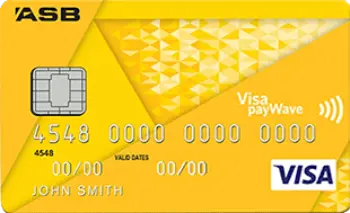
If you pick one card from this entire guide, pick this one. The ASB Visa Flex has the lowest purchase interest rate of any major New Zealand bank card at 9.95% p.a. — nearly 3 full percentage points below the next cheapest major-bank no-fee card. It charges no annual fee, no foreign currency conversion fee, and carries the same 9.95% rate on cash advances instead of punishing you with a separate higher rate. Up to 55 days interest-free.
The combination is almost unique. Most no-fee cards either charge a foreign currency fee or carry a higher interest rate. Most low-rate cards either charge an annual fee or whack you with a separate cash advance rate above 20%. The Visa Flex does none of that. It simply costs less to hold, less to use overseas, and less if you accidentally carry a balance.
The trade-off: a low $500 minimum credit limit and no balance transfer facility. ASB designed this as a starter card or a backup card — not a high-limit spending vehicle. For everyday use by someone who pays in full most months but wants the lowest possible cost if they slip, there is nothing better.
2SBS Visa Credit Card — The Only Rewards Card With No Fee
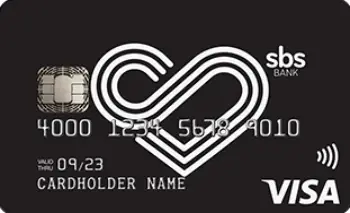
The SBS Visa Credit Card is the only credit card in New Zealand that pays you to hold it. Zero annual fee. Zero rewards programme fee. Zero additional cardholder fee. And it earns $1 cashback for every $150 spent on eligible transactions, credited automatically to your account every quarter.
The math is simple: every other rewards card charges you a fee that you must earn back before you're ahead. The SBS Visa starts you at $0, and every dollar of cashback is pure gain.
The trade-offs: a 19.65% purchase rate (you must pay in full every month — interest will wipe out the cashback instantly), a foreign currency fee of approximately 2.5%, and a modest earn rate. If you spend $18,000 per year on the card, you earn $120 cashback. On an ANZ CashBack Platinum with its $80 annual fee, that same $18,000 earns $150 but costs $80 — net $70. The SBS card nets $120. If your annual card spend is under roughly $20,000, the no-fee cashback card beats every fee-charging rewards card in the country on net return.
3Westpac Airpoints Platinum Mastercard — Best Mainstream Travel Card
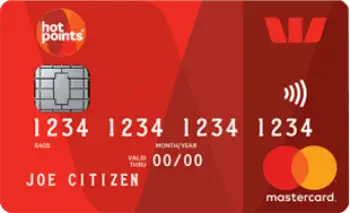
If you fly Air New Zealand even once a year, this is the Airpoints card to get. At $125 per year, it's $25 cheaper than ANZ's Airpoints Platinum and carries the same earn rate of 1 Airpoints Dollar per $110 spent (up to $7,000 per month, then 1 per $220). The card includes overseas travel insurance underwritten by Allianz, purchase protection covering loss or damage for 90 days, and extended warranty insurance adding up to 12 months on eligible purchases.
Additional benefits: a Koru membership joining fee waiver plus a $145 discount on a standard 12-month individual Koru membership, one Status Point for every $225 spent, and a 200 Airpoints Dollar advance if you're short on a reward booking.
The trade-offs: the tiered earn rate means high spenders get throttled after $7,000 per month, the 44-day interest-free period is shorter than the 55 days on most low-rate cards, and the foreign currency fee is 1.95%. This is a card for people who pay in full every month, travel at least occasionally, and care about Airpoints — not a card for balance carriers or infrequent flyers.
Why Our Top 3 Are Different From Every Other List
Most credit card comparison pages in New Zealand pick their "best" cards based on whichever bank offers the highest referral commission. We don't take commissions. We read every terms-and-conditions document, every rewards programme booklet, every insurance policy wording, and every fee schedule from every issuer in the country. Then we picked the cards that deliver the most value to the most New Zealanders, with the fewest traps.
What we found surprised us: many of the most popular cards are among the worst value. The ANZ Airpoints Visa Platinum — routinely recommended as "the best travel card" — costs $150 per year and earns just 1 Airpoints Dollar per $110 spent. The Westpac Airpoints Platinum costs $125 and earns at the same Rate with better insurance. The ASB Visa Flex, at 9.95% with zero fees, saves the average Kiwi household hundreds of dollars a year compared to the cards their bank pushed them into. And the SBS Visa delivers cashback to your pocket with no annual fee to claw back first — something no big-four bank offers.
What’s changed in 2026?
-
ANZ removing FX fees across all personal cards
-
Kiwibank exiting Airpoints entirely
-
BNZ updating FX fees to 2.25%
-
Amex maintaining strong earn rates but patchy acceptance
-
Store cards still at 29% interest despite regulatory pressure
Every Low-Rate and No-Fee Card in New Zealand
These are the cards for people who sometimes carry a balance, want a backup card in the drawer, or refuse to pay annual fees for the privilege of spending their own money. Every card in this section charges $60 or less per year and carries a purchase rate under 14% p.a. (or close to it in the case of the Amex Low Rate with its 2.99% introductory offer).


| Card | Annual Fee | Purchase Rate | Cash Advance | Interest-Free Days | FX Fee | Standout Feature |
|---|---|---|---|---|---|---|
| ASB Visa Flex | $0 | 9.95% | 9.95% | 55 | 0% | Lowest major-bank Rate. No FX fee. Cash advance at same Rate. |
| TSB Low Rate Mastercard | $20 | 11.95% | 11.95% | 55 | 1.9% | Lowest Rate in NZ. Cash advance at same Rate. 0% BT for 6 months. |
| Westpac Fee Free Mastercard | $0 | 12.90% | 19.95% | 55 | 0% | No annual fee. No FX fee. BT at 5.95% for life of balance. |
| Co-operative Bank Fair Rate | $20 | 12.95% | 12.95% | 55 | 1.9% | Customer-owned. $0 late payment fee. 0% BT 6 months. |
| Amex Low Rate Credit Card | $59 | 2.99% intro (6 months), then 12.69% | 21.95% | 55 | ~2.5% | 2.99% intro rate on purchases. 12.69% ongoing — lowest post-intro Amex rate. Add 4 cards at no extra cost. |
| Kiwibank Zero Visa | $0 | 12.90% | 12.90% | 55 | 1.85%* | No annual fee. *Charges FX on NZD overseas transactions (Airbnb, Spotify) — unique among banks. |
| ANZ Low Rate Visa | $0 | 13.90% | 20.95% | 55 | 0% | No annual fee. Zero FX fee (all ANZ personal cards from 24 Jun 24 June |
| Kiwibank Platinum Visa | $50 | 12.90% | 12.90% | 55 | 1.85%* | Travel insurance + low cash advance rate. *Same FX-on-NZD warning as Zero Visa. |
| ASB Visa Light | $0 | 13.50% | 22.95% | 55 | 2.1% | Smart Rate — 0% on purchases $1,000+ for 6 months. |
| BNZ Lite Visa | $10 | 13.50% | 22.95% | 55 | 2.25% | Low annual fee. $500 minimum limit. |
Rates verified against each issuer's website, terms-and-conditions document, and fee schedule as at 26 July. ANZ rates sourced from ANZ's official rates-and-fees page (anz.co.nz/rates-fees-agreements/credit-cards/). Kiwibank rates confirmed from Kiwibank's own public governance notices (kiwibank.co.nz/about-us/governance/public-notices/). Amex Low Rate verified from Amex NZ official rates page. TSB, ASB, Westpac, BNZ, SBS, and Co-operative Bank rates from each issuer's website and product disclosure documents.
Which low-rate card should you pick? If you carry a balance regularly, the TSB Low Rate saves you the most interest at 11.95% — that's roughly $100 less interest per year on a $3,000 balance than a card at 13.50%. If you want a card that costs absolutely nothing and covers all your bases, the ASB Visa Flex is unbeatable at 9.95% with zero fees across the board. If you occasionally buy big-ticket items, the ASB Visa Light's Smart Rate gives you six months interest-free on any single purchase over $1,000 — useful for appliances, furniture, or unexpected bills. The Amex Low Rate deserves a look if you can live with Amex acceptance: 2.99% for the first six months is the cheapest introductory credit in New Zealand, and the ongoing 12.69% beats most bank cards.
Every Cashback Rewards Card in New Zealand
Cashback cards return a percentage of your spending to you. The key question is whether the cashback exceeds the annual fee. Below are the four cashback cards currently available.
| Card | Annual Fee | Earn Rate | Effective Cashback | Break-Even Annual Spend | Purchase Rate |
|---|---|---|---|---|---|
| TSB Platinum Mastercard | $90 | $1 per $100 | 1.00% | $9,000 | 20.95% |
| ANZ CashBack Visa Platinum | $80 | $1 per $120 | 0.83% | $9,600 | 20.95% |
| SBS Visa Credit Card | $0 | $1 per $150 | 0.67% | $0 | 19.65% |
| ANZ CashBack Visa | $40 | $1 per $150 | 0.67% | $6,000 | 20.95% |
The TSB Platinum has the best cashback rate in New Zealand at a clean 1% — you earn $1 for every $100 spent. But the $90 annual fee means you need to spend $9,000 per year to break even. The SBS Visa earns at a lower rate but starts you at $0 — your first dollar of cashback is pure profit. For annual card spend between $0 and roughly $13,500, the SBS Visa delivers the highest net return. Above approximately $13,500, the TSB Platinum pulls ahead.
The ANZ CashBack Platinum ($80 fee, $1 per $120) sits between them — cheaper than the TSB but with a weaker earn rate. Its one advantage: zero foreign currency fees as of 24 June, a change ANZ applied across all personal cards. The TSB Platinum charges 1.9% on overseas transactions, and the SBS Visa charges approximately 2.5%. If you travel or shop internationally, the ANZ card's FX saving may tip the scales.
Airpoints Credit Card in New Zealand
Airpoints Dollars are worth $1 each when redeemed for Air New Zealand flights. The earn rate tells you how much you need to spend per Airpoints Dollar. Lower is better. All rates below are for the entry tier — every Westpac card throttles earn rates above monthly spending caps.
| Card | Annual Fee | Earn Rate (per APD) | Monthly Cap Before Throttle | Throttled Rate | Travel Insurance | FX Fee | Interest-Free Days |
|---|---|---|---|---|---|---|---|
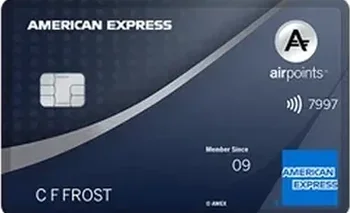
| Amex Airpoints Platinum | $195 | $70 | Unlimited | None | Yes | ~2.5% | 55 |
| Westpac Airpoints World | $310* | $95 | $15,000/mo | 1 per $190 | Yes | 1.95% | 44 |
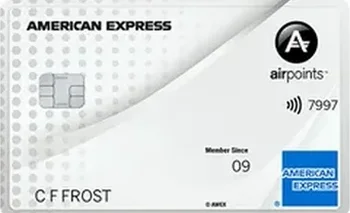
| Amex Airpoints (no-fee) | $0 | $100 | Unlimited | None | No | ~2.5% | 55 |
| Westpac Airpoints Platinum | $125 | $110 | $7,000/mo | 1 per $220 | Yes | 1.95% | 44 |
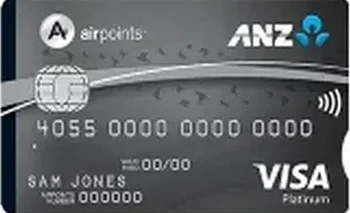
| ANZ Airpoints Visa Platinum | $150 | $110 | Unlimited | None | Yes | 0% | 44 |
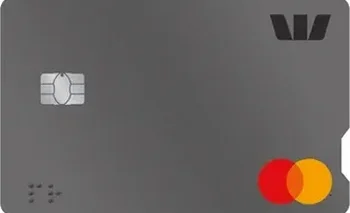
| Westpac Airpoints Mastercard | $70 | $150 | $3,500/mo | 1 per $300 | No | 1.95% | 44 |
| ANZ Airpoints Visa | $65 | $170 | Unlimited | None | None | 0% | 44 |
*Westpac Airpoints World annual fee of $310 is waived if you spend $50,000 or more in the previous six-month period. Priority Pass lounge access and valet parking vouchers included. ANZ Airpoints Visa (standard, $65/yr) does not include travel insurance — only the Platinum variant ($150/yr) provides complimentary overseas travel cover via Allianz.
Which Airpoints card should you pick? If Amex acceptance works for your spending patterns — and it's accepted at most supermarkets, petrol stations, and large retailers — the Amex Airpoints Platinum earns 57% faster than the nearest mainstream competitor (1 per $70 vs 1 per $110), includes four annual airport lounge visits, and throws in travel insurance. The $195 fee pays for itself after about $13,650 in annual card spend compared to a no-fee card. If you need Visa or Mastercard acceptance everywhere, the Westpac Airpoints Platinum beats ANZ's equivalent: it's $25 cheaper, same earn rate, and includes a Koru discount. The ANZ Airpoints Platinum has one genuine advantage as of June 2026: zero foreign currency fees across all personal cards. If you travel overseas frequently, that 0% FX rate can save more than the $25 annual fee difference.
The Amex Airpoints (no-fee) deserves mention as the only no-annual-fee Airpoints card in the country. At 1 Airpoints Dollar per $100 spent, its earn rate is better than ANZ's $65 Airpoints Visa (1 per $170) and the entry Westpac Airpoints Mastercard (1 per $150). If you want to earn Airpoints without paying for the privilege, this is your only option — but you'll need to work around Amex acceptance, which remains patchy at smaller retailers, cafés, and some service providers.
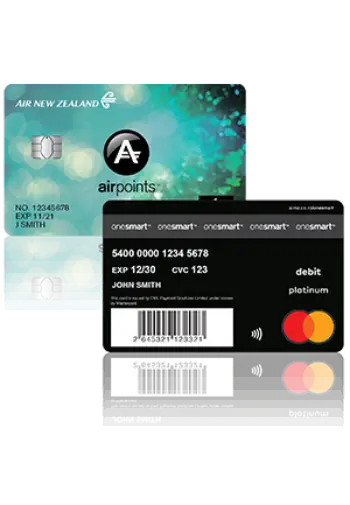
A note about the Air New Zealand OneSmart card: The OneSmart is a reloadable multi-currency prepaid travel money card (Mastercard) — it is not a credit card. You load your own money onto it before spending. There's no credit facility, no interest charges, no credit check, and no impact on your credit score. It does earn 1 Airpoint per $100 NZD spent overseas, but nothing on domestic spend. If you're comparing Airpoints-earning products and came here looking for OneSmart, it lives in a different category entirely — travel money, not credit.
Other travel money cards — not credit cards: Beyond OneSmart, the main prepaid and debit travel products in New Zealand are the Wise Multi-Currency Account (debit card using mid-market exchange rates — generally the cheapest way to spend overseas), the Travelex Travel Money Card (prepaid Mastercard supporting multiple currencies), and the Westpac Travel Money Card (prepaid Visa supporting ~11 currencies). None of these is a credit card — they won't affect your credit score, won't charge purchase interest, and (OneSmart aside) won't earn rewards. If you need a card purely for overseas travel spending and don't care about credit or rewards, a Wise or Travelex card is often a better fit than any credit card on this page.

Other Rewards Card in New Zealand
These cards earn points or rewards dollars through proprietary programmes rather than Airpoints or straight cashback. The value of a point depends on how you redeem it — cashback to a bank account typically offers the most transparent value.
| Card | Annual Fee | Earn Rate | Redemption Value | Travel Insurance | FX Fee |
|---|---|---|---|---|---|
| ASB Visa Platinum Rewards | $80 | $1 True Reward per $100 | ~1% at partner stores; can switch to Everyday Rewards (Woolworths/bp) | Yes | 2.1% |
| ASB Visa Rewards | $40 | $1 True Reward per $150 | ~0.67% at partner stores; switchable to Everyday Rewards | No | 2.1% |
| BNZ Advantage Visa Platinum | $90 | 1.67 BNZ Points per $1 | Flexible — flights, gift cards, cashback to BNZ account | Yes* | 2.25% |
| Westpac hotpoints Platinum | $70 | 1 hp per $1 (up to $7K/mo, then 0.5 per $1) | Redeem for gift products or use like cash at partners | No | — |
| Westpac hotpoints Mastercard | $40 | 1 hp per $1 (up to $3.5K/mo, then 0.5 per $1) | Same as Platinum, lower earn caps | No | — |
| Westpac hotpoints World | —** | Higher earn caps | Same programme, premium tier | — | — |
| Amex Gold Rewards | $200 | 2 Membership Rewards pts per $1 | Flights, hotels, gift cards; $200 annual dining credit | Yes | ~2.5% |
| Amex Platinum Edge | — | Membership Rewards points | Mid-tier MR programme | — | ~2.5% |
| Amex Platinum Card | $1,250 | Charge card — MR points + 100K bonus | Premium travel, lounge access, concierge | Yes | ~2.5% |
*BNZ Advantage Platinum travel insurance policy wording effective from 3 Febru3 Februaryor travel departing on or after that date. FX fee updated to 2.25% as at July 2026. **Westpac hotpoints World fee waived if spending threshold met.
The value of points-based rewards cards is harder to pin down because redemption values vary. A True Reward Dollar at ASB partner stores is worth roughly $1. BNZ Points redeemed for cashback to a BNZ account offer roughly 0.6-0.7% effective return — less than the TSB Platinum's 1% cashback. The Amex Gold Rewards Card earns at 2 points per dollar, which transfer to multiple airline programmes — potentially the most valuable points in the NZ market for frequent travellers, but only if you actually use them for premium cabin redemptions.
Store Cards: The Hidden Trap
Gem Visa and Q Mastercard dominate the point-of-sale credit market in New Zealand. They're offered at the checkout of Harvey Norman, Noel Leeming, Mitre 10, Farmers, and dozens of other retailers with the promise of interest-free periods ranging from six months to five years.

| Feature | Gem Visa (Latitude) | Q Mastercard (Consumer Finance Ltd) |
|---|---|---|
| Standard interest rate | 29.49% p.a. | 28.95% p.a. |
| Annual fee | $65 ($32.50 half-yearly) | $50 ($25 half-yearly) |
| Establishment fee | $55 (one-off) | $55 (first LTF), $35 (subsequent) |
| Cash advance rate | 29.95% + $2 fee | — |
| Late payment fee | $15 | $15 |
| Minimum monthly repayment | 3% of balance or $20 (whichever is greater) | 3% of balance or $10 (whichever is greater) |
The trap is the gap between the minimum repayment and what you need to pay to clear the balance before the interest-free period ends. On a $2,000 purchase with a 12-month interest-free term, the minimum repayment of 3% per month means you'll pay $60 per month. After 12 months of minimum payments, roughly $1,280 remains outstanding. The interest-free period expires, and that $1,280 is immediately hit with 29.49% interest. That's approximately $377 in interest in the first year alone — wiping out whatever you thought you saved by going interest-free.
Our position: These cards serve exactly one legitimate purpose: financing a specific large purchase you can comfortably pay off within the interest-free window while making payments well above the minimum. Using either card as an everyday spending card or carrying any balance beyond the promotional period is financially destructive. If you cannot commit to paying the full amount before the interest-free period ends, do not open one. For alternatives to store cards, see our guide on personal loans vs credit cards for help deciding which type of borrowing suits your situation.
Cards That Are No Longer Available
For completeness — these cards were discontinued and are no longer open to new applicants. Existing cardholders may still hold them.
| Card | Discontinued | Reason |
|---|---|---|
| Kiwibank Airpoints Platinum Visa | 27 May | Interchange fee regulation made rewards uneconomic |
| Kiwibank Airpoints Low Fee Visa | 27 May | Name — Kiwibank exited Airpoints entirely |
| Kiwibank Airpoints Standard Visa | 24 Nov 24 November | Product simplification |
| BNZ Advantage Visa Classic | Closed to new | Legacy product, replaced by Lite Visa |
| BNZ Private Bank Visa Platinum | Closed to new | Private banking tier only |
How to Pick the Right Card for You
Most New Zealanders don't need a rewards card. They need a card that costs them the least. The questions below should lead you to the right answer in about sixty seconds. If you're also reviewing your everyday banking setup, check our guide to the best bank accounts in New Zealand — the right account paired with the right card saves more than either choice on its own.
Do you ever carry a balance — even once a year?
If yes, rewards are irrelevant. A single month of interest at 20.95% on a $2,000 balance costs about $35: that wipes out a year's cashback. Your card should be one of the low-rate options — ideally the ASB Visa Flex at 9.95% or the TSB Low Rate at 11.95%.
Do you pay in full every single month?
If yes, you can consider rewards. At annual card spend under approximately $13,500, the SBS Visa nets you the most cashback because there's no annual fee to overcome. Between $13,500 and $20,000, the TSB Platinum pulls ahead with its 1% cashback rate. Above $20,000 in annual spend, the Amex Airpoints Platinum or ANZ CashBack Platinum with 0% FX fees become competitive depending on how much you travel.
Do you fly Air New Zealand regularly?
If you fly even once or twice a year and can use Airpoints Dollars for flights, the Westpac Airpoints Platinum ($125) delivers the best combination of earn rate, annual fee, and benefits among Visa/Mastercard Airpoints cards. If you can live with Amex acceptance, the Amex Airpoints Platinum ($195) earns 57% faster and includes lounge access.
Do you spend overseas or shop online from international retailers?
Three cards now charge zero foreign currency fees: the ASB Visa Flex (9.95%, $0/yr), Westpac Fee Free Mastercard (12.90%, $0/yr), and all five ANZ personal cards (as of 24 June 24 June If you combine overseas spending with everyday use, the ASB Visa Flex is the clear winner — zero fees across the board and the lowest interest Rate if you ever carry a balance. The Kiwibank Zero Visa charges 1.85% but uniquely applies this to NZD transactions processed overseas (Spotify, Airbnb, Apple) — a cost no other bank passes on. If you need a card purely for overseas spending and don't need credit, consider a travel money card instead (see the Travel Money Cards note above) — Wise and similar products typically beat even the best credit card FX rates.
Are you a high spender ($50,000+ per year on card)?
At this level, the premium cards justify their fees. The Westpac Airpoints World Mastercard ($310, waived if $50K+ spent per six-month period) earns at 1 APD per $95 with Priority Pass lounge access and valet parking. The Amex Airpoints Platinum earns faster (1 per $70) but with Amex acceptance limitations. The Amex Platinum Card ($1,250) is a charge card for people who value lounge access, travel credits, and concierge services more than they value $1,250.
The ValueHub Definitive Conclusion
New Zealand's credit card market is designed to look competitive while quietly extracting value from people who don't read the fine print. Rewards cards with 20.95% interest rates are pushed aggressively because the bank profits whether you earn points or pay interest. Store cards with interest-free periods and 29% revert rates depend on you missing the deadline. And comparison sites that take referral commissions have every incentive to recommend the card that pays them the most, not the card that saves you the most.
Our advice is simpler than the banks want it to be:
- If you ever carry a balance, get the ASB Visa Flex — it's the cheapest card to hold and the cheapest card to slip up on.
- If you pay in full and want something back, get the SBS Visa — it's the only card that pays you without charging you first.
- If you travel, get the Westpac Airpoints Platinum — it's the best-value Airpoints card with full Visa/Mastercard acceptance everywhere.
- Avoid store cards unless you will absolutely, without question, pay the full balance before the interest-free window closes.
Everything else is noise.
See how long it will take to pay off your card: Our Credit Card Repayment Calculator shows exactly how much interest you will pay and when you will be debt-free.
For a full breakdown of travel insurance across every NZ card issuer — including age limits, activation rules, and hidden exclusions — see our credit card travel insurance comparison.
Our Recommended Businesses You May Find Helpful
Harmoney is often the most competitive for borrowers who don’t qualify for bank‑tier rates. Their risk‑based pricing means excellent credit gets very sharp rates, while average credit still gets fair pricing. Approval is fast, fully online, and fees are transparent.

The ValueHub Team built this site because finding clear, unbiased financial information in New Zealand was harder than it should be. Every guide is based on real research — we compare the actual fees, terms, and fine print so you don't have to. Our tip: shop around every year, read the policy docs, and never assume loyalty gets you the best deal.— The ValueHub Team
Try our Calculators
Use these free tools to crunch the numbers:
KiwiSaver Fund Comparison
Compare fees, returns, and risk levels across every KiwiSaver fund — the most up to date data in New Zealand.
Currency Converter — USD to NZD
Convert US Dollars to New Zealand Dollars instantly. See the latest exchange rate and 30-day trend.
Mortgage Repayment Calculator
Calculate your weekly, fortnightly, or monthly mortgage repayments. Free NZ mortgage calculator — try different rates, terms, and repayment frequencies.
Compound Interest Calculator
See how your savings grow with compound interest over time. Free NZ compound interest calculator with yearly, monthly, and weekly compounding options.
Term Deposit Calculator
Calculate your term deposit returns before you lock in. Compare interest earned across different terms and rates with ValueHub's free calculator.
Savings Goal Calculator
Calculate how long it will take to reach your savings goal — and what monthly deposit you need to get there. Free NZ savings planner.
Related Articles
Best Personal Loans in New Zealand
Compare NZ personal loan rates: why major banks charge 12-14% while Harmoney offers 7.99% and how your credit score affects the rate you actually get.
comparisonBest Gold and Platinum Credit Cards in New Zealand
Best gold and platinum credit cards in NZ compared: when a $150 annual fee pays for itself through travel insurance and perks.