Credit Cards That Provide Travel Insurance
Published 26 July 2026 · Updated 09 September 2026 · Written by the ValueHub team · Reviewed by Steve Baron

What Banks Don't Tell You About Credit-Card Travel Insurance
Every year, thousands of Kiwis fly out of Auckland, Wellington, and Christchurch believing their platinum credit card has them covered. And every year, insurers quietly decline claims for reasons the traveller never saw coming — a pre-existing condition nobody asked about, a cruise the policy excluded in paragraph 12.4, or an activation requirement the bank's website buried three clicks deep.
Here is a scenario that plays out more often than the banks would like to admit. A 76-year-old Auckland couple books a $20,000 European river cruise on their ANZ Airpoints Visa Platinum, assuming the card's travel insurance covers them. On day four, one of them falls ill and needs hospitalisation and medical repatriation. The claim is denied — not because the illness wasn't covered, but because ANZ's policy stops providing medical cover at age 75. The couple had no idea. The $150 annual fee on their card had been silently delivering them exactly zero medical protection for the last twelve months.
This is not a hypothetical. It is the reality of how credit-card travel insurance works in New Zealand. This product looks generous in marketing brochures but operates through dense, legalistic policy documents written by insurers like AIG, Allianz, and Chubb, where a single sentence on page 67 can determine whether your $100,000 medical evacuation gets paid.
How We Researched This
- We downloaded and read every current policy document across seven New Zealand card issuers — the actual 90-page PDFs from Allianz, AIG, and Chubb, not the bank's marketing summaries.
- Some policies are genuinely strong. Others offer coverage so narrow they could fairly be described as marketing theatre — benefits that exist on paper but are gutted by sub-limits, exclusions, and structural traps.
- BNZ and Kiwibank both rewrote their policies in the last twelve months — removing cover, adding fees, restructuring who gets what. The landscape has shifted enough that whatever you thought you knew about your card's insurance might already be out of date.
- This is a myth-busting investigation, not a standard comparison. We'll show you exactly what each card covers, what it doesn't, and — most importantly — where the traps are that banks don't advertise.
ValueHub's Trusted Providers
We've researched the providers below — here are our picks for this category.
Buildings, Business, Advice. Everyday Covered. We provide guidance to business owners, taking the stress and uncertainty out of the insurance process. Thanks for taking the time to submit your message, we’ll be in touch within 2 working days. Oops! Something went wrong while submitting the form. Insurance for the important things in life.
Our 3 Top Picks at a Glance
We read every policy document — the actual 90-page PDFs from Allianz, AIG, and Chubb — and three cards stood out for genuinely different reasons. These aren't arbitrary picks. Each one dominates a different dimension of cover, and each one has a trade-off you need to understand before you commit.
1ANZ Airpoints Visa Platinum — Most Complete Cover
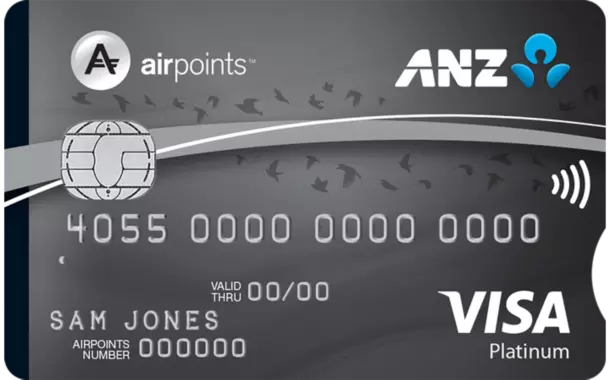
If you qualify — under 75, comfortable with the $150 annual fee — no other card in New Zealand matches the breadth of protection. ANZ's policy gives you unlimited medical expenses, unlimited journey cancellation, $30,000 in baggage cover per adult, $6,000 in rental vehicle excess cover (joint-highest in the market), unlimited emergency dental, and pandemic and epidemic cover that some competitors dropped after COVID-19. The excess is $200 per claim event, and the trip limit is a standard 90 days with extensions available. There are no tiered earn-rate throttles on the Airpoints side, no separate stricter activation for transport accident cover, no combined family-and-individual luggage caps — it is a straightforward, broadly written policy with fewer structural traps than most.
The genuine weakness: at age 76, your medical cover evaporates with no upgrade path. Unlike BNZ and ASB, which both sell mature-age add-ons to restore full cover, ANZ offers nothing — elderly travellers must switch cards or buy standalone insurance. The 50% prepaid spend rule also catches people who split payments across multiple cards without thinking. And the 90-day hard limit means even a single day over voids all cover.
2BNZ Advantage Visa Platinum — Best for Older Travellers
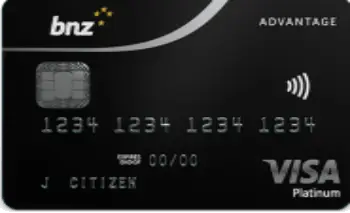
BNZ covers travellers all the way to age 90 with full medical benefits — no other New Zealand card comes close. ANZ and TSB cut medical cover at 75. Westpac and ASB cut at 74-75 and require a paid upgrade. Kiwibank and American Express cut at 80. BNZ alone treats a 76-year-old the same as a 36-year-old, with unlimited medical, unlimited cancellation, and $5,000 in rental vehicle excess. For ages 75 to 89, a Mature Traveller Medical Cover upgrade is available that restores near-full benefits — and even at 90 and over, most benefits remain, with only accident lump sum and loss of income excluded. The activation requirement is the easiest in the market: charge any amount to the card — even $1. You cannot accidentally fail it. The $300 excess applies per event, not per person, so a family claim pays one deduction, not multiples. Personal liability is $2,500,000 — joint-highest in the market.
The genuine weakness: BNZ rewrote its policy in February 2026, and the changes were substantial. Snow sports cover is gone — now a paid add-on. Cruise cover is gone — now a paid add-on, and critically, if your trip includes a multi-night cruise without the add-on, your entire trip is uninsured, not just the cruise days. Domestic rental vehicle excess cover was removed for Platinum cardholders. The $300 excess is now the highest in the market — $100 more than ANZ, ASB, or Westpac. If you booked travel before February 2026 assuming old cover, you may be uninsured for things you reasonably expected to be covered.
3. American Express Airpoints Platinum — Best for Extended Travel

American Express's 180-day trip limit is unmatched — twice the bank standard of 90 days, five times Westpac Platinum's 35 days. If you are taking a working holiday, a long OE, or an extended retirement trip, this is the only card-based option that does not require buying extensions. The $30,000 per trip cancellation cap is higher than Westpac's $5,000 or Kiwibank's $5,000 per policy, and the separate $5,000 additional-expenses allowance sits on top. Baggage is $30,000 per 365-day period with a $5,000 laptop sub-limit and a $1,000 smartphone sub-limit — stronger per-item cover than TSB or BNZ. The underwriter is Chubb, which has a reputation for smoother claims handling than the AIG and Allianz policies behind the bank cards. And the card earns Airpoints Dollars at 1 per $70 — the fastest earn rate in New Zealand, 57% faster than ANZ or Westpac's 1 per $110.
The genuine weaknesses: the activation requirement is the strictest in the market — you must pay the full fare on the card or with Airpoints Dollars. Not 50%. The full fare. If you split your flight across two cards, you will have no cover. Supplementary cardmembers are not covered for travel insurance at all — unique among NZ issuers. Your partner holding an additional card on your account has no medical cover, no cancellation cover, no baggage cover if they travel independently. Amex acceptance is lower than Visa or Mastercard overseas, and using a different card for in-destination spending doesn't affect your cover — but it does limit the card's everyday usefulness. The medical cap of $2,500,000, while high, is the only hard ceiling on medical expenses among NZ cards — every bank issuer provides unlimited medical. And the annual baggage cap of $30,000 shared across all trips means frequent travellers pool multiple journeys into one limit.
The 60-Second Version
- No NZ card gives automatic cover. Please meet the activation criteria (spending thresholds) before departure; otherwise, you'll be uninsured.
- ANZ Airpoints Platinum has the most complete cover overall — but medical cover stops dead at age 76 with no upgrade path.
- BNZ Advantage Platinum covers travellers to age 90 — the most generous age limit in New Zealand. But cruise and snow cover now require paid add-ons.
- American Express Airpoints Platinum offers 180 days of cover — twice the bank standard. But the full fare must be charged to Amex, and supplementary cardholders get no travel insurance.
- Westpac Platinum has a 35-day trip limit — the shortest in the market. Book a 5-week holiday, and you have zero cover. (World cardholders get 120 days.)
- Kiwibank Platinum is the cheapest entry point at $50/year — but per-policy caps mean a family of four shares one $5,000 cancellation limit.
- TSB Platinum has zero excess — the only NZ card with no deductible. But its $4,000 baggage cap is the lowest, the laptop sub-limit is $1,350, and it offers no rental vehicle excess cover.
- Pre-existing conditions are never automatically covered. If you take medication for blood pressure, asthma, or anxiety, you need a paid add-on or standalone insurance.
- Cruises and snow sports often require paid add-ons — BNZ now excludes both entirely from base cover, and failing to buy the add-on voids your whole trip's cover.
- Exceed your trip limit by one day and your entire trip is uninsured—retroactively, day 91 voids day 1.
Does My Credit Card Automatically Give Me Travel Insurance?
Many people believe that simply holding a platinum credit card means you are insured whenever you travel. This is wrong in every single case. Every NZ credit-card travel insurance policy requires you to meet activation criteria before you leave the country. If you don't, you're travelling uninsured — no matter what colour your card is.
The activation mechanism varies by bank, but the pattern is the same: you must spend a certain amount of your prepaid travel costs on the card. ANZ and TSB require at least 50% of your prepaid travel expenses. ASB requires $500 or more in prepaid travel deposits — which its policy defines broadly to include scheduled public transport, accommodation, meals, tours, and activities.
BNZ is the easiest: charge any amount, even a single dollar, to the card. Westpac needs $500 for a solo traveller (or $250 if you're only going to Australia or the Pacific Islands), doubling to $1,000 if you're bringing the family. Kiwibank wants $500 for international trips or $250 for domestic, charged within 12 months of travel. American Express is the strictest: the full return fare must be charged to the card or paid with Airpoints Dollars.
Note the subtlety here. ANZ and TSB say 50% of your prepaid travel expenses — that's broader than just the flight and includes accommodation, tours, and other bookings. ASB's definition of prepaid deposits explicitly includes meals and activities. But American Express specifies the full fare — meaning flights specifically.
Someone who books flights with Airpoints Dollars but pays for hotels on their Amex is covered. Someone who books flights on a different card and only uses Amex for hotels is not. These distinctions matter, and the bank's marketing page won't make them obvious.
More importantly, a third-party insurer—not the bank —underwrites every policy. ANZ, TSB, and Kiwibank use Allianz Partners (though Tower underwrites Kiwibank's, not Allianz's usual Mitsui Sumitomo arrangement). ASB, BNZ, and Westpac all use AIG. American Express uses Chubb.
When you make a claim, you are dealing with these insurers, not the bank. The bank markets the benefit but neither underwrites it nor guarantees it.
Which NZ Credit Cards Have the Best Travel Insurance? — At a Glance
| Card | Trip Limit | Medical | Cancellation | Baggage (per person) | Rental Car Excess | Excess | Age Cap | Activation | Annual Fee | Underwriter |
|---|---|---|---|---|---|---|---|---|---|---|
| ANZ Airpoints Platinum | 90 days | Unlimited | Unlimited | $30,000 | $6,000 | $200 | 75 | 50% of prepaid costs | $150 | Allianz / Mitsui Sumitomo |
| ASB Visa Platinum | 90 days | Unlimited | Unlimited | $20,000 (shared family cap) | $5,000 | $200 | 75 (upgrade to 76+) | $500 prepaid deposits | $150 | AIG |
| BNZ Advantage Platinum | 90 days | Unlimited | Unlimited | $10,000 | $5,000 | $300 | 90 (upgrade for 75-89) | Any amount ($1) | $90 | AIG |
| Westpac Platinum | 35 days | Unlimited | $5,000 per person | $12,500 | $5,000 | $200 | 74 (upgrade to 75-90) | $500 solo, $1,000 family | $130 | AIG |
| Westpac World | 120 days | Unlimited | $5,000 per person | $12,500 | $5,000 | $200 | 74 (upgrade to 75-90) | $500 solo, $1,000 family | $130 | AIG |
| Kiwibank Platinum | 40 days | Unlimited | $5,000 per policy | $10,000 (shared family cap) | $6,000 | $200 | 80 | $500 intl / $250 domestic | $50 | Tower / Allianz |
| Amex Airpoints Platinum | 180 days | $2,500,000 (capped) | $30,000 per trip | $30,000 per year (shared) | $5,000 | $250 med / $100 bag | 80 | Full fare on card | $195 | Chubb |
| TSB Platinum | 90 days | Unlimited | $10,000 per adult | $4,000 | None | $0 | 75 (assessment only) | 50% of prepaid costs | $90 | Allianz / Mitsui Sumitomo |
Issuer by Issuer: What Each Card Actually Covers
ANZ — Airpoints Visa Platinum
Best for: Frequent travellers under 75 who want the most comprehensive, no-gimmick cover with strong baggage limits and no structural traps.
ANZ offers travel insurance on exactly one card: the Airpoints Visa Platinum. If you hold the ANZ CashBack Platinum or any other ANZ card, you have no coverage — that older benefit was quietly removed.
The policy, managed by Allianz Partners and underwritten by Mitsui Sumitomo, requires you to charge at least 50% of your prepaid travel expenses to the card. Your partner and dependent children are covered when travelling with you. The maximum trip duration is 90 consecutive days — and this is a hard limit. If your trip is 91 days, you will have no cover for any portion of it, including the first 90. Extensions of up to 180 days are available on application, subject to underwriting and an additional premium.
Medical coverage is unlimited, which is excellent. Personal baggage is covered up to $30,000 per insured adult, with a $2,000 limit per general item and a $5,000 limit for portable computers, cameras, and video equipment. Travel delay benefits reach $15,000 ($250 after the first 6 hours, then $250 per full 24-hour period). Journey cancellation and additional expenses have no stated dollar limit. Rental vehicle excess cover is $6,000 — the highest among bank-issued cards. Emergency dental is unlimited, hospital cash provides $150 per 24 hours up to $5,000, and the policy also covers epidemics and pandemics — a feature not all competitors retained after COVID-19.
The excess is $200 per claim event. The most notable exclusion is age-related: travellers aged 75 and older have no automatic medical cover at all and restricted cancellation cover. Pre-existing medical conditions are not covered. You need a return ticket before you depart. The card's annual fee is $150, with a minimum credit limit of $8,000.
What's quietly excellent: Unlimited medical, unlimited cancellation, $6,000 rental excess, pandemic coverage, and a 90-day limit all add up to the most complete package among NZ cards. The $30,000 baggage total is joint-highest.
What to watch for: The 75+ age restriction on medical claims is strict — and unlike BNZ and ASB, the policy mentions no mature-age upgrade option. The 50% spend rule catches people out. And the 90-day hard limit means exceeding by one day voids all cover.
ASB — Visa Platinum Rewards
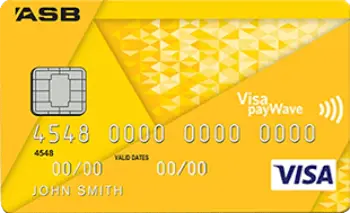
Best for: Families and flexible bookers who want multiple ways to activate cover, broad spend definitions that are hard to fail accidentally, and per-person benefit limits rather than per-policy caps.
ASB's travel insurance, underwritten by AIG, comes exclusively with the Visa Platinum Rewards card. The activation threshold is $500 or more in prepaid travel deposits — and ASB defines this broadly, including transport, accommodation, meals, tours, and activities. You can also activate by redeeming True Rewards dollars toward your travel, taking a cash advance from the card and using it to pay for travel the same day, or charging 50% or more of your return tickets to the card.
The medical and evacuation cover is unlimited. Cancellation and additional expenses are also unlimited. The overall luggage section cap is $20,000 (whether you're travelling solo or as a family — the same figure applies to both). Per-item claims are generally capped at $2,000, or $6,000 for laptop computers and accessories. You can nominate a high-value specified item for up to $10,000 with prior arrangement. Travel delay pays $400 per person per 6-hour period (triggered after the first 6 hours of delay), with an overall cap of $1,200 per person or $2,400 per family. Luggage delay — a separate benefit — triggers after 12 hours and pays up to $1,000 per person.
Rental vehicle excess cover is $5,000 per person or per family. The excess is $200 per claim event. The standard trip limit is 90 days, extendable to 180 days for an additional premium. Mature Age Cover is available for travellers aged 76 and above — restoring all benefits except scheduled transport accident cover (which is permanently excluded for over-75s).
What's quietly excellent: ASB's multiple activation pathways are the most flexible in the market. The broad definition of prepaid travel deposits — including meals and activities — makes it harder to fail the activation test accidentally. Unlimited medical and unlimited cancellation are top-tier. The 6-hour travel delay trigger is more generous than most.
What to watch for: The $20,000 luggage cap is a combined person-and-family limit — it doesn't double for couples. The scheduled transport accident cover (section E2, paying up to $1,000,000) requires the full transport ticket to be charged to the card — a separate, stricter activation requirement that is easy to miss. And the under-76 age cap means anyone older needs to purchase Mature Age Cover for each trip.
BNZ — Advantage Visa Platinum & Business
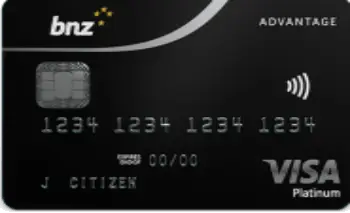
Best for: Older travellers (75 to 90) and anyone who wants the easiest possible activation — BNZ is the only card where $1 buys you full cover. Also ideal for families who want per-event excess (not per-person deductions).
BNZ's policy has changed more dramatically than anyone else's in the last year. For trips departing on or after 3 February 2026, several previously included benefits are now either removed or turned into paid add-ons. This is important enough to state plainly: if the last time you read BNZ's policy was before February 2026, you are no longer covered for things you used to be covered for.
The policy, underwritten by AIG, covers the BNZ Advantage Visa Platinum and Advantage Visa Business cards. Activation requires charging any amount — even a single dollar — of prepaid travel costs to the card. Your spouse and dependent children are covered when travelling with you. The trip limit is 90 days for Platinum (35 for Business).
Here is what changed in February 2026: the excess on accepted claims rose from $200 to $300 — now the highest in the market. Snow sports cover was removed and is now a paid add-on. Cruise cover was removed and is now a paid add-on — and critically, if your itinerary includes a multi-night cruise and you don't purchase the cruise add-on, your entire trip is uninsured, not just the cruise portion. Domestic rental vehicle excess cover was removed for Platinum cardholders.
The age-90 cap with full medical cover is unmatched by any competitor. Medical expenses are unlimited (with a $ 50-per-day bed-care allowance). Cancellation is unlimited before and after departure. Luggage is capped at $10,000 per person or $20,000 per family, with a $2,000 per-item limit and a $6,000 laptop sub-limit. Rental vehicle excess cover is $5,000. Personal liability is $2,500,000. The $300 excess applies per event, not per person — so if an event affects multiple family members, you pay only one excess.
For travellers aged 75 to 89, automatic cover is severely restricted — medical expenses are not covered, and cancellation is capped at $5,000 per person. BNZ offers Mature Traveller Medical Cover as a paid upgrade that restores most benefits to the under-75 limits. For travellers 90 and over, even Mature Age Cover excludes accident lump sum and loss-of-income benefits.
What's quietly excellent: The age-90 cap is by far the most generous in New Zealand. The "any amount" activation is the easiest to meet. The per-event excess (not per-person) is consumer-friendly. Unlimited medical and unlimited cancellation are top-tier.
What to watch for: The February 2026 changes are substantial and easy to miss. If you booked a cruise or ski trip assuming you had cover under the old terms, you may be uninsured. The $300 excess is now the highest in the market. Loss of domestic rental vehicle excess cover is a real gap.
Westpac — Platinum & World Mastercards

Best for: World cardholders taking long trips (120 days) who want unlimited medical. Platinum cardholders should look elsewhere — the 35-day limit is a genuine trap for anything beyond a short holiday.
Westpac offers travel insurance on all its Platinum and World Mastercards — including the Airpoints-branded versions. The underwriter is AIG. Unlike most competitors, Westpac requires you to activate cover through the Travel Activate website before departure — it isn't automatic, even if you meet the spending criteria.
The spending thresholds vary by situation. A solo traveller needs $500 in prepaid travel costs on the card ($250 for Australia and South Pacific destinations). If you're bringing family, the minimum rises to $1,000 ($500 for Australia/Pacific). You can also activate by redeeming points or taking a cash advance.
The trip duration limit differs sharply by card tier. Platinum cardholders get 35 days — the shortest in the market, and notably worse than the 90 days offered by ANZ, ASB, BNZ, and TSB. World cardholders get 120 days — the second-longest after American Express. This is a significant differentiator.
Medical expenses are unlimited, making the Wise summary (which suggested a $5,500 cap) misleading — that $5,500 figure is only the bed-care sub-limit, not the overall medical cap. Cancellation cover is $5,000 per person or $10,000 per family — a genuine limit, not unlimited like ANZ/ASB/BNZ. Luggage is $12,500 per person or $20,000 per family, with a $3,000 per-item limit and $6,000 for laptops. Rental vehicle excess is $5,000. Travel delay pays $275 per person after a 6-hour delay, with a maximum single delay cap of $825 per person. The excess is $200 per claim event.
Coverage drops significantly at age 75: medical expenses are removed entirely, and cancellation shrinks to a $500 family maximum. Mature Age Cover is available as a paid upgrade for ages 75 to 90, restoring full medical and cancellation limits. Travellers over 90 need a Mature Age Assessment. Snow sports are entirely excluded unless you purchase the optional Snow Sports Extension — and even then, you're only covered to $10,000 per family.
What's quietly excellent: The 120-day limit on World cards is excellent for long-term travellers. Unlimited medical is on par with ANZ/ASB/BNZ. The $3,000 per-item baggage limit beats the $2,000 standard.
What to watch for: The 35-day Platinum limit is a genuine trap — book a 5-week trip on a Westpac Platinum expecting 90-day cover and you are entirely uninsured. The $5,000 per person cancellation cap is notably inferior to ANZ/ASB/BNZ's unlimited cancellation. The $1,000 family activation threshold is the highest in the market. And the pandemic/epidemic exclusion on cancellation and medical benefits is broader than some competitors.
Kiwibank — Platinum Visa

Best for: Budget-conscious travellers wanting basic cover at the lowest annual fee in the market. Solo travellers get the best value — the per-policy caps penalise families.
Kiwibank's travel insurance, underwritten by Tower and managed by Allianz Partners, comes with the Platinum Visa card. At $50 per year ($25 every six months), it is the cheapest card in New Zealand that includes travel insurance — less than half the cost of an ANZ or ASB platinum card. The minimum credit limit is $5,000.
Kiwibank substantially rewrote its policy effective 1 July 2025. The most significant structural change: benefit limits now apply per policy, not per person. This means the $5,000 cancellation limit applies to the entire travelling party—not $5,000 per person. A family of four sharing one $5,000 cancellation cap is a very different proposition from each person having their own $5,000 limit, as ANZ and BNZ provide.
Activation requires $500 or more in prepaid travel costs for international trips, or $250 for domestic — charged within 12 months of travel. The trip limit is 40 days (extensions available by calling Allianz before departure). Travellers aged 80 and over are eligible only for non-medical benefits — cancellation and travel delay, but not medical expenses or baggage. This makes the 80+ coverage the narrowest in the market. Allianz may cover pre-existing conditions for an additional premium.
Medical cover is unlimited for under-80s. Rental vehicle excess cover of $6,000 is the highest offered by any NZ bank — matched only by ANZ. Domestic travel cover was added in the July 2025 update, a genuine improvement over the previous international-only policy. Travellers are protected against cancellation and travel delays on domestic trips.
What's quietly excellent: The price. $50 per year for a card with domestic and international travel insurance is genuinely good value. The $6,000 rental vehicle excess is the highest available. Domestic cover included at no extra cost is uncommon.
What to watch for: Per-policy benefit limits effectively halve or quarter the cover if you're travelling with family, compared to competitors with per-person limits. The 40-day trip cap rules out longer holidays unless you buy an extension. The 80-plus cutoff for medical cover is the most restrictive age limit among all issuers — ANZ cuts at 75 but offers no upgrade path, while BNZ goes to 90 with a paid upgrade available.
American Express — Airpoints Platinum

Best for: Long-term travellers (up to 180 days) who can commit to paying the full fare on Amex. Solo travellers get the most value — supplementary cardholders are excluded from cover entirely.
American Express offers the most distinctive travel insurance in the New Zealand market. The Airpoints Platinum Card includes coverage underwritten by Chubb — the only NZ card issuer using Chubb rather than AIG or Allianz.
The activation requirement is the strictest: you must pay the full fare for your trip on the card or with Air New Zealand Airpoints Dollars. This is not 50% — it's the full fare. On the other hand, Amex offers the longest trip-duration limit on the market: 180 consecutive days (subject to a total of 183 travel days per membership year). The age cap is 80, and there is no mature-age upgrade option.
Unlike the bank-issued cards, Amex's policy has genuine dollar caps on major benefits. Medical expenses are capped at $2,500,000 — substantial, but notably not unlimited. Cancellation coverage has a $30,000 per trip limit (plus an additional $5,000 for extra expenses). Baggage is capped at $30,000 per 365-day period — not per trip — with a $2,000 per-item limit, $5,000 for laptops, and $1,000 for smartphones. The medical excess is $250 per claim, and the baggage excess is $100 (or $250 for laptop claims).
A critical and often-missed exclusion: supplementary cardmembers are not covered for travel insurance benefits—specifically, medical, cancellation, baggage, personal liability, or travel inconvenience. They are covered only for transport accident cover, purchase protection, and rental vehicle excess. If your partner holds a supplementary card and travels independently, they have no travel insurance. This is unique among NZ card issuers.
What's quietly excellent: The 180-day trip limit is unmatched. The $30,000 cancellation cap, while not unlimited, is higher than Westpac's ($5,000) or Kiwibank's ($5,000 per policy). The Chubb underwriting has a reputation for smoother claims handling.
What to watch for: The full-fare activation is the strictest requirement — you cannot split payment across cards and still get cover. The supplementary cardmember exclusion is a genuine trap. Amex acceptance is lower overseas than Visa or Mastercard. The $2,500,000 medical cap, while high, is less generous than every bank issuer's unlimited medical. And the annual baggage cap ($30,000 per year, not per trip) means frequent travellers share one pool of cover across all trips.
TSB — Platinum Mastercard

Best for: Travellers who value zero excess above all else and pack light — the $4,000 baggage cap is the lowest in the market, and there is no rental vehicle excess cover at all.
TSB's travel insurance, managed by Allianz Partners under Mitsui Sumitomo underwriting, comes with the TSB Platinum Mastercard. The card costs $90 per year and earns $1 cashback per $100 spent.
Activation follows the ANZ model: charge at least 50% of your prepaid travel expenses to the card. The trip limit is 90 days, extendable to 180 days at Allianz's discretion. Coverage extends to the cardholder, spouse, and dependent children. Domestic travel receives very limited benefits — only cancellation ($10,000) and travel delay ($1,000) are covered domestically, not medical expenses or baggage. Full cover applies for international travel.
Medical cover under 75 is unlimited, matching the major banks. Cancellation and additional expenses are each capped at $10,000 per insured adult — not unlimited like ANZ or BNZ, but higher than Westpac's $5,000. The policy has zero excess across all sections — the only NZ card issuer with no deductible whatsoever. Epidemics and pandemics have their own $10,000 cancellation sub-limit and denied-boarding cover of $200 per day up to $1,400. Funeral expenses are $25,000 — the highest among all issuers.
TSB diverges significantly from competitors elsewhere with lower-benefit limits. Baggage is capped at $4,000 per insured adult with an $850 per-item limit — the lowest in the market, well under ANZ's $30,000 or BNZ's $10,000. The laptop and camera sub-limit is $1,350 per item, compared to $5,000–$6,000 on other cards. Personal liability is $675,000 — the lowest of all issuers, one-quarter of the $2,500,000 offered by BNZ and Westpac. And TSB provides no rental vehicle excess cover at all — its personal liability section explicitly excludes mechanically propelled vehicles. If you hire a car and damage it, you pay the full excess.
Dependent children share the benefit limits of the insured adults they are travelling with — a family of four with one cardholder shares one $4,000 baggage pool. Other family cover details are conventional: spouse and dependent children are covered when travelling with the cardholder. Transport accident cover ($675,000) applies only to the cardholder — not spouse, not children. No age-75+ medical cover is available at all unless you apply and pass an Allianz medical assessment and pay an additional premium.
What's quietly excellent: Zero excess is a genuinely unique selling point — no other card in New Zealand offers this. The $25,000 funeral expenses limit is the highest. The 90-day trip limit and 50% spend threshold match the ANZ standard at a significantly lower annual fee ($90 vs $150). The $10,000 epidemics and pandemics cover is unusual.
What to watch for: The $4,000 baggage limit is dramatically lower than every other card — a traveller with one laptop and a decent suitcase of clothes could exhaust the entire cover. No rental vehicle excess cover means you must buy separate rental car insurance. The $675,000 personal liability limit is a quarter of what ANZ, ASB, BNZ, and Westpac provide. And the baggage sub-limits ($850 general, $1,350 for laptops and cameras) mean even a mid-range laptop isn't fully covered at replacement cost. TSB's travel insurance is included with a budget-priced card — and the benefit limits reflect that.
Cards That Don't Offer Travel Insurance at All
Several NZ cards market themselves as premium products but don't include travel insurance. The SBS Visa Credit Card has no travel insurance benefit — it is a cashback-earning card with no annual fee but no ancillary cover. The Co-operative Bank's Fair Rate Credit Card is a low-interest-rate card with no travel insurance. Q Card and GEM Visa, the two dominant store-card products, offer no travel insurance whatsoever — they are interest-free purchase cards, not travel-oriented products. And ANZ's CashBack Platinum card quietly lost its travel insurance benefit.
If your card doesn't explicitly say "complimentary travel insurance" in the current terms, assume you have none.
Real-World Scenarios: How These Policies Actually Play Out
Policy limits are abstract until you map them onto a real trip. Here is how five common traveller profiles fare under each card — and where the gaps appear.
Scenario 1: A 78-Year-Old on a 21-Day Cruise
The booking: $18,000 cruise through the Mediterranean, departing Auckland with flights, transfers, and a 3-night pre-cruise hotel stay booked on the card. The traveller is healthy but takes blood pressure medication (a pre-existing condition — not covered by any card without an approved add-on).
How each card handles it: ANZ provides zero medical cover at age 78 — the claim for a medical event onboard would be denied entirely. TSB is the same — no medical cover at 78 without passing a paid Allianz medical assessment first. Kiwibank covers to age 80, but the 40-day trip limit means the 21-day cruise is within bounds — however, Kiwibank does not explicitly exclude cruises, making it one of the few cards that might cover a cruise without a paid add-on. Westpac provides no medical cover at 78 without purchasing Mature Age Cover. ASB requires Mature Age Cover for ages 76+. American Express covers to age 80 — the cruise and the age are within limits. BNZ is the standout: the age-90 cap means full medical cover is available at 78, but BNZ now excludes cruise cover unless you purchase the cruise add-on — and failing to do so means the entire trip is uninsured, not just the cruise portion.
Verdict: For this specific traveller, BNZ with the cruise add-on purchased provides the strongest protection. Amex is the fallback if Amex acceptance at the cruise line and European hotels is workable. For anyone over 75 booking a cruise, standalone travel insurance is almost certainly the better option — the coverage gaps across cards are too numerous.
Scenario 2: A Family of Four with $12,000 in Prepaid Travel
The booking: Two adults, two children, $12,000 in flights and accommodation to Fiji. The family charges the entire booking to their card. No pre-existing conditions. Both parents are 42.
How each card handles it:
ANZ covers unlimited cancellation — the full $12,000 is covered per insured adult.
ASB is similar — unlimited cancellation, with a $20,000 luggage cap (shared family), which is fine for beach holiday luggage.
BNZ provides unlimited cancellation, $10,000 baggage per person (ample), and the $300 per-event excess means the family pays only one deduction.
Westpac's $5,000 per person cancellation cap ($10,000 family max) means a full $12,000 cancellation might leave $2,000 uncovered — and the $1,000 family activation threshold is the highest.
Kiwibank's per-policy $5,000 cancellation cap is the worst outcome — on a $12,000 booking, the family faces $7,000 in uncovered losses even though they met the activation criteria. Amex's $30,000 per trip cap easily covers it, but the full-fare activation is strict. TSB's $10,000 per adult cap covers most of the booking — $2,000 would be uncovered — and the zero excess means every dollar of a claim gets paid.
Verdict: ANZ and ASB are the strongest for families — unlimited cancellation per person and generous baggage limits. BNZ is excellent too, with the caveat that the $300 excess is the highest. Kiwibank's per-policy caps make it the weakest option for families by a significant margin.
Scenario 3: A Digital Nomad Doing a 150-Day OE
The booking: One-way flight to London, planning to travel through Europe and Southeast Asia for 5 months before flying home. $2,500 laptop, $1,800 camera. No pre-existing conditions. 28 years old.
How each card handles it: ANZ's 90-day hard limit means day 91 onwards has zero cover — the entire trip would need a separate standalone policy or paid extensions. ASB offers 90 days, extendable to 180 days for a premium — a viable option if you buy the extension before departure. BNZ, Westpac Platinum (35 days), Kiwibank (40 days), and TSB (90 days) all fail on trip length alone. Westpac World (120 days) comes close but still falls short.
American Express is the only card that covers the full 150 days without extension; the 180-day limit fits comfortably. The $2,500 laptop and $1,800 camera both fall within Amex's $5,000 laptop and $2,000 general-item sub-limits — though the annual $30,000 baggage pool shared across all trips means another trip later in the year could erode the remaining cover.
Verdict: American Express is the clear winner for extended travel — no other card-based option covers beyond 120 days without extensions. The full-fare activation is the trade-off: you must also book the flight home on Amex for full return-trip cover.
Scenario 4: Renting a Car in Italy with a $4,500 Excess
The booking: Solo traveller, two weeks in Italy, rental car with a €3,000 (NZ$5,400) excess. Flights and car booked on the card. 55 years old, no pre-existing conditions.
How each card handles it: ANZ covers up to $6,000 in rental vehicle excess — the full NZ$5,400 would be covered. ASB covers $5,000 — $400 would be out of pocket. BNZ covers $5,000 — same shortfall. Westpac covers $5,000 — same. Kiwibank covers $6,000 — full cover. Amex covers $5,000 — $400 shortfall. TSB provides no rental vehicle excess cover at all — the full $5,400 is out of pocket.
Verdict: ANZ and Kiwibank provide the strongest rental car excess cover at $6,000. TSB is not a viable option for anyone renting a car overseas.
Scenario 5: A Traveller with a $3,000 Laptop and $1,800 Camera
The booking: Solo traveller carrying a MacBook Pro ($3,000 replacement cost) and a DSLR camera ($1,800 replacement cost). 35 years old. The bag is stolen from a hotel lobby.
How each card handles it:
ANZ covers laptops up to $5,000 and cameras up to $5,000 — full replacement for both items.
ASB covers laptops up to $6,000 and general items up to $2,000 — the laptop is covered, but the camera hits the $2,000 cap (though you could nominate it as a specified high-value item for up to $10,000 before travel).
BNZ covers laptops up to $6,000 and general items up to $2,000 — same situation as ASB.
Westpac covers laptops up to $6,000 and general items up to $3,000 — both items covered.
Kiwibank covers laptops up to $5,000 and cameras at the general-item limit (approximately $2,000, though the policy structure makes this less clear) — the laptop is covered; the camera may or may not be.
Amex covers laptops up to $5,000 and smartphones up to $1,000 — the laptop is covered, but cameras use the $2,000 general limit, which covers the $1,800 camera.
TSB covers laptops and cameras at $1,350 per item — the laptop gets $1,350 of its $3,000 value, the camera gets $1,350 of its $1,800 value, and the combined loss of $4,800 far exceeds the $4,000 total baggage cap. At best, TSB pays $3,000 total — leaving $1,800 uncovered.
Verdict: ANZ and Westpac provide the strongest baggage cover for tech-heavy travellers. TSB's sub-limits make it wholly inadequate for anyone carrying more than a basic laptop.
Common Claim Denials — What Actually Gets Rejected
Insurers don't publish denial statistics, but policy wording and claims-handling patterns make certain rejection reasons predictable. Here are the most common reasons credit-card travel insurance claims are denied — and how to avoid them.
Didn't meet activation rules. This is the single biggest reason claims fail. Every card requires you to spend a specific amount on prepaid travel costs before departure. If you book flights with Airpoints Dollars and hotels on your ANZ card, you have not met the 50% threshold across all prepaid costs. If you split a $2,000 flight across two cards on Amex, you have no cover at all. Westpac requires an extra step — you must actively activate through their Travel Activate website. Meeting the spending criteria without activating means you are not covered.
No return ticket. Most policies require you to hold a return ticket before departure. A one-way ticket to London with no onward booking means your entire trip is uninsured from the day you leave New Zealand. This catches digital nomads and working-holiday travellers who book flights as they go.
Pre-existing conditions. No credit-card policy in New Zealand automatically covers pre-existing conditions. If you take medication for blood pressure, asthma, anxiety, or any other condition and have a medical event while travelling, the insurer will ask for your medical history. If the condition contributed to the event — even indirectly — the claim will be denied. Some cards allow you to purchase a pre-existing condition add-on, but the base policy excludes everything.
Age limits. ANZ and TSB provide no automatic medical cover at age 76. Kiwibank cuts medical cover at 81. Westpac and ASB stop at 75 unless you buy an upgrade. Amex stops at 80. BNZ is the most generous at 90. If you are over your card's age limit and have not purchased a mature-age upgrade, your medical cover does not exist — even if the bank's marketing page doesn't make this obvious.
Alcohol involvement. Every policy excludes claims where alcohol contributes. If you have a drink at dinner, slip on the hotel stairs, and break your ankle, the claim will almost certainly be denied. The insurer does not need to prove intoxication — only that alcohol was present and contributed to the event.
Cruise or snow sports without the add-on. BNZ now excludes both cruises and snow sports from its base policy. Westpac excludes snow sports. Other cards may cover them — but you need to check, because a single excluded activity on your itinerary can void coverage for the entire trip, not just the activity day.
Exceeding trip duration. If you exceed your card's trip limit by one day, your entire trip is uninsured — retroactively. You don't just lose cover for day 91. You lose cover for day 1. Westpac Platinum's 35-day limit is particularly dangerous — book a 5-week holiday, and you have no cover for any of it.
Using the wrong card for the flight. On Amex, the full fare must be on the card or paid with Airpoints Dollars. On ASB, a separate stricter activation applies for transport accident cover — the full ticket must be charged to the card, not just $500 in prepaid deposits. Activating the general cover doesn't mean you have transport accident cover.
What Banks Don't Tell You
These aren't obscure terms buried on page 67. They are structural features of each policy that materially change what you're actually covered for — and none of them appears on the bank's marketing page.
BNZ's cruise exclusion voids the entire trip, not just the cruise. If your itinerary includes a multi-night cruise and you haven't purchased the cruise add-on, your entire trip is uninsured — flights, pre-cruise hotels, post-cruise stays, everything. This isn't about lacking coverage for the cruise portion. The whole policy is void. This changed in February 2026, and anyone who booked travel assuming the old terms may be unaware.
Amex supplementary card members have no travel insurance. Every bank-issued card in New Zealand extends travel insurance to the primary cardholder's spouse and dependent children. Amex extends cover to the primary cardholder's spouse and dependent children — provided they are travelling with the primary cardholder. However, a supplementary cardmember on the account who does not fall into the definition of spouse or dependent child has none of the main travel insurance benefits — no medical cover, no cancellation, no baggage, no personal liability. If your partner or adult child holds a supplementary card and travels independently, they are uninsured.
Kiwibank's per-policy limits halve family cover. Most cards set benefit limits per person — $5,000 in cancellation for each insured adult. Kiwibank sets limits per policy — the entire travelling party shares one $5,000 cancellation cap. A family of four gets a quarter of the cancellation cover a family of four gets on ANZ or BNZ. The $50 annual fee looks attractive until you read this and realise what you're giving up.
Westpac Platinum's 35-day limit is a genuine trap. Every other bank-issued platinum card offers 90 days. Westpac Platinum offers 35. Book a standard 5-week Europe trip — a very normal holiday — and you are entirely uninsured. The Westpac World card offers 120 days, but most people holding a Westpac Platinum card don't realise there's a difference and don't know which tier they're on.
ANZ's 75+ cutoff has no upgrade path. BNZ, ASB, and Westpac all offer mature-age upgrades that restore medical cover for older travellers. ANZ does not. At age 76, your ANZ card's travel insurance becomes a cancellation policy with no medical component essentially — and ANZ offers nothing to fix it. You must switch cards or buy standalone cover.
TSB's $4,000 baggage limit is barely enough for one suitcase. A traveller with a laptop, a camera, and a standard suitcase of clothes can easily exceed $4,000 in replacement value. TSB's sub-limits make it worse — $850 per general item means even if you haven't hit the $4,000 cap, individual items above $850 are only partially covered. The $1,350 laptop sub-limit means a $3,000 MacBook Pro gets back less than half its value. And TSB offers no rental vehicle excess cover at all — unique among NZ cards.
What Are the Age Limits for Credit-Card Travel Insurance in NZ?
The age divide across NZ credit-card travel insurance is real and mostly invisible in marketing. Here is the full picture:
BNZ covers travellers up to 90 with full medical benefits, and offers a paid upgrade to restore cover for ages 75-89. ASB covers to 75 with a Mature Age upgrade available for ages 76+. Westpac covers to 74 with a paid upgrade for 75-90. ANZ cuts medical cover at 75 with no upgrade path. TSB cuts all medical cover at 75 with only a paid application-and-assessment option — no automatic upgrade path. Kiwibank cuts all medical cover at 80 with no upgrade path. American Express caps at 80 with no upgrade.
If you're 76 and holding an ANZ or TSB card, you have no automatic medical cover. If you're 76 and holding a BNZ card, you can buy a Mature Traveller upgrade and get full cover. The bank's homepage doesn't mention this.
Policy Changes to Watch
Credit-card travel insurance in New Zealand is not static. Insurers periodically restructure policies, and they rarely communicate changes directly to cardholders. Here is what has changed recently — and what it means.
BNZ — February 2026: The most dramatic rewrite of any NZ card in recent memory. Snow sports cover removed and converted to a paid add-on. Cruise cover removed and converted to a paid add-on — with the critical caveat that an uninsured cruise voids the entire trip's cover. Domestic rental vehicle excess removed for Platinum cardholders. Excess increased from $200 to $300. If you held a BNZ card before February 2026, your cover is materially worse.
Kiwibank — July 2025: Entire policy restructured. The shift from per-person to per-policy benefit limits is the most consequential change — families lost three-quarters of their effective cancellation cover overnight. Domestic travel cover was added, which was a genuine improvement, but the structural change to benefit limits dominates the net effect.
ANZ — Quiet removal of CashBack Platinum cover: ANZ previously offered travel insurance on the CashBack Platinum card. ANZ removed this benefit — no announcement, no notification to existing cardholders. If you held a CashBack Platinum for the travel insurance, check your current terms.
Westpac — Pandemic exclusions: Westpac's policy contains broader pandemic and epidemic exclusions than competitors. Where ANZ specifically covers epidemics and pandemics on its Platinum card, Westpac excludes them from both cancellation and medical benefits. Post-COVID, this matters more than the bank's marketing suggests.
TSB — Budget positioning: TSB's policy limits — $4,000 baggage, $1,350 laptop sub-limit, $675,000 personal liability, no rental vehicle excess — have remained low across multiple policy iterations. This isn't a recent change but a structural feature of TSB's budget positioning that new cardholders should understand before relying on the cover.
Is Credit-Card Travel Insurance Enough for International Travel? — A Decision Framework
Credit-card travel insurance works well for a specific type of traveller: someone under 75, in good health, taking a straightforward international holiday of less than 90 days, booking flights and accommodation on the same card, and not planning to ski, cruise, or participate in adventure sports. If that describes you — and you have read your card's current policy document, not the summary on the bank's website — the cover is likely adequate.
It is not adequate in these situations. Use this framework to decide:
- Trip longer than 90 days? → Only Amex (180 days) or Westpac World (120 days) cover beyond this without extensions. For any other card, buy standalone cover or purchase an extension before departure.
- Traveller older than 75? → BNZ is the only card with full medical cover beyond 75 without a paid upgrade. If you're not on BNZ, buy standalone cover or purchase your card's mature-age add-on. ANZ and TSB cardholders have zero automatic medical cover at 76+ — there is no upgrade option.
- Cruise or snow sports planned? → BNZ now requires paid add-ons for both, and failing to buy them voids your entire trip's cover. Westpac excludes snow sports. Standalone travel insurance that specifically covers your activity is the safer choice.
- Expensive luggage (laptops, cameras, sports equipment)? → TSB's $4,000 cap and $1,350 sub-limits are inadequate. ANZ and Westpac offer the strongest per-item limits. Check your card's sub-limits against your gear's replacement cost
- Pre-existing medical conditions? → No base policy covers these. Some cards let you buy an add-on. If your condition is significant, standalone insurance with a full medical assessment is the only way to guarantee cover.
- Rental car excess over $6,000? → ANZ and Kiwibank offer the highest rental excess cover at $6,000. If your rental contract carries a higher excess, the shortfall is yours. TSB offers no rental vehicle excess cover.
- Travelling as a family with high prepaid costs? → Avoid Kiwibank's per-policy caps — they share one limit across the entire party. ANZ, ASB, and BNZ provide per-person limits that scale with family size.
Standalone travel insurance from providers like Southern Cross or 1Cover costs $50 to $200 per trip depending on duration and destination. For the traveller profiles above, that cost is not optional — it is the difference between being covered and carrying the full financial risk yourself.
What Matters Most
Credit-card travel insurance is not a scam. It is a legitimate benefit that provides real, meaningful protection to hundreds of thousands of New Zealand travellers every year — and for many trips, it is genuinely adequate. But it also has more conditions than a loan agreement, and the banks have little incentive to make those conditions visible.
The single most important thing you can do before travelling is download your card's current policy document. Not the summary. Not the marketing page. Not what you remember from when you signed up. The actual PDF published by Allianz, AIG, or Chubb. Search for your age. Search for your destination. Search for the word "exclusion." Check the schedule of benefits against the cost of your trip. The ten minutes this takes is worth more than the savings you think you're getting by relying on the free cover.
Activate correctly. Check the current policy wording—not last year's —because BNZ and Kiwibank have both rewritten theirs. If you have any doubts about your medical history, age, trip length, or planned activities, please consider buying standalone cover. A separate policy costs little compared to finding out your card didn't cover you after something has already gone wrong.
We update this guide whenever a bank announces a policy change. If you're relying on your card for travel cover, bookmark it and check back before you book your next trip. It's the cheapest insurance decision you'll ever make.

The ValueHub Team built this site because finding clear, unbiased financial information in New Zealand was harder than it should be. Every guide is based on real research — we compare the actual fees, terms, and fine print so you don't have to. Our tip: shop around every year, read the policy docs, and never assume loyalty gets you the best deal.— The ValueHub Team
Try our Calculators
Use these free tools to crunch the numbers:

KiwiSaver Fund Comparison
Compare fees, returns, and risk levels across every KiwiSaver fund — the most up to date data in New Zealand.

Currency Converter — USD to NZD
Convert US Dollars to New Zealand Dollars instantly. See the latest exchange rate and 30-day trend.

Mortgage Repayment Calculator
Calculate your weekly, fortnightly, or monthly mortgage repayments. Free NZ mortgage calculator — try different rates, terms, and repayment frequencies.

Compound Interest Calculator
See how your savings grow with compound interest over time. Free NZ compound interest calculator with yearly, monthly, and weekly compounding options.

Term Deposit Calculator
Calculate your term deposit returns before you lock in. Compare interest earned across different terms and rates with ValueHub's free calculator.

Savings Goal Calculator
Calculate how long it will take to reach your savings goal — and what monthly deposit you need to get there. Free NZ savings planner.
Related Articles
Credit Cards in NZ
Compare low-rate, rewards, and premium credit cards in NZ. Learn which card saves you money and how to avoid costly interest.
How to Build Your Credit Score in NZ
Learn how NZ's three credit agencies work and the five factors that matter. Improve your file data, not just a number.