Best Gardening Services in Paraparaumu: A Complete Guide
Published 20 June 2025 · Updated 14 July 2026
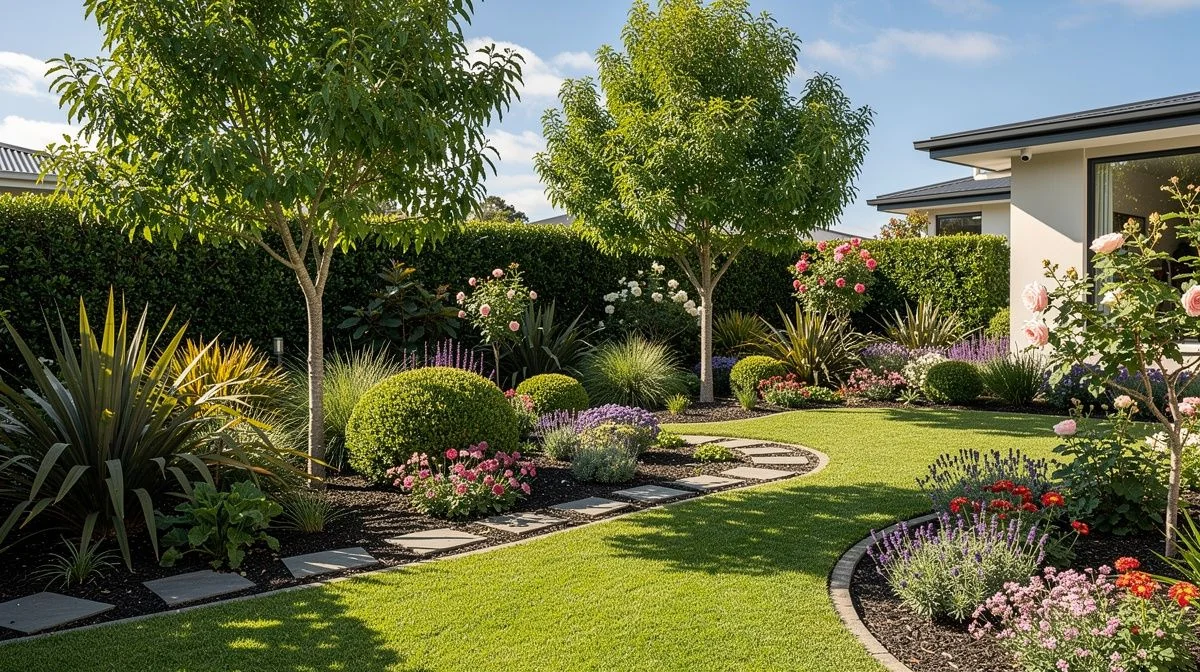
Gardening in Paraparaumu: What Makes It Unique
Paraparaumu sits on the Kapiti Coast, just north of Wellington. Its mild, temperate climate is influenced by the Tasman Sea and the protection of the Tararua Range to the east. The area enjoys relatively warm winters and dry summers, but strong north-westerly winds can be a challenge for gardeners.
The soils here are mostly sandy loam, especially closer to the coast. This means they drain quickly and can be low in nutrients. Many local gardens feature coastal plants, such as flaxes, hebes, and pohutukawa, which thrive in salty winds. Native and subtropical planting is also popular, taking advantage of the area's warmer microclimate.
Because of the wind and free-draining soil, maintaining a garden in Paraparaumu requires a bit more care than in sheltered inland areas. That’s why hiring a gardener who knows the local conditions makes a real difference.
Common Gardening Services Available
Professional gardeners in Paraparaumu offer a wide range of services. Here’s what you can typically expect:
- Lawn care – Mowing, edging, fertilising, and weed control for lawns. Some also offer aeration and topdressing.
- Hedge trimming – Regular shaping of hedges like buxus, griselinia, and pittosporum, which is common on the coast.
- Garden tidy-ups – Weeding, pruning dead branches, clearing leaves, and general maintenance for established gardens.
- Planting – Selecting and installing plants suited to your garden’s conditions – from natives to exotic flowers.
- Pruning – Seasonal pruning of trees, shrubs, and roses to encourage healthy growth.
- Weed control – Hand weeding or spraying for persistent weeds like kikuyu grass or oxalis.
- Seasonal maintenance – Preparing gardens for changes in weather, such as mulch application before summer or leaf removal in autumn.
Many gardeners also cover garden design, landscaping, and irrigation setup. If you need a one-off job or ongoing weekly visits, most are happy to tailor a plan.
What to Look for When Hiring a Gardener in Paraparaumu
Finding the right gardener isn’t just about price – it’s about trust and expertise. Here are key factors to consider:
- Local experience – A gardener who knows the Kapiti Coast will understand the wind patterns, soil types, and which plants perform best.
- Qualifications – While no formal licence is required in New Zealand for general gardening, qualifications in horticulture (e.g., NZ Certificate in Horticulture) are a good sign.
- Insurance – Public liability insurance protects you if something is damaged or someone is injured. Always ask if they’re covered.
- References and reviews – Ask for recent client references, or check online reviews on platforms like Google or Neighbourly.
- Communication – A good gardener will listen to your needs, explain what they’ll do, and keep you updated on progress.
Some gardeners also hold trade certifications from groups like Horticulture New Zealand or the New Zealand Association of Landscape Architects (for design work). These aren’t essential for maintenance but add credibility.
Typical Costs and Pricing Structures
Gardening costs in Paraparaumu vary depending on the job’s size, frequency, and complexity. Here’s a general guide:
- Hourly rates – Most gardeners charge between $45 and $80 per hour. Experienced pros or those with specialist skills (like tree pruning) tend to be at the higher end.
- Fixed quotes – For one-off tidy-ups or regular weekly mowing, you’ll often get a fixed price per visit. For example, a standard lawn mow for a quarter-acre section might cost $40–$60.
- Factors affecting price – Garden size, overgrowth, access difficulties, and whether you need green waste removal all add cost.
- Travel fees – Some gardeners charge a call-out fee if you’re outside their usual area, but Paraparaumu itself is well-served.
Always ask for a written quote before work starts. Hourly rates are fine for small jobs, but a fixed quote gives you certainty for larger projects. Remember that a cheap quote might mean rushed work or low-quality tools.
Key Questions to Ask Before Hiring
Before you agree to anything, run through these questions:
- How long have you been gardening on the Kapiti Coast? – Local experience matters.
- Do you have public liability insurance? – Yes should be the only acceptable answer.
- Can you provide a written quote? – This avoids misunderstandings.
- What happens to the green waste? – Will they take it away or leave it for composting?
- Do you supply your own tools? – Most do, but confirm.
- How do you handle weeds and pests? – If you’re organic, make that clear.
- What’s your cancellation policy? – Useful if you need to reschedule.
A gardener who answers confidently and transparently is worth considering. If they’re vague or avoid questions, move on.
Tips for Getting the Best Results
Once you’ve hired someone, you can set them up for success:
- Be clear about your expectations – Describe the look you want. Do you prefer tidy and formal, or a more natural, relaxed garden?
- Show them problem areas – Point out plants that aren’t thriving, waterlogged spots, or places where weeds keep returning.
- Discuss a maintenance schedule – Weekly visits are common for lawns, fortnightly for general gardens. Adjust according to the season.
- Communicate any special requests – For example, if you want to keep certain plants or avoid certain chemicals.
- Pay on time – Build a good relationship and they’ll take extra care.
Regular visits also mean the gardener gets to know your garden over time, spotting issues like pest infestations or nutrient deficiencies early.
Seasonal Gardening Advice for Paraparaumu
The Kapiti Coast’s weather follows a clear seasonal pattern. Here’s when to focus on particular tasks:
- Spring (September–November) – The ideal time for planting. Warm soil and longer days help new plants establish. Prune frost-tender plants after the last frost (usually late October). Start fertilising lawns.
- Summer (December–February) – Dry spells mean extra watering for young plants and vegetables. Top up mulch to retain moisture. Keep on top of weeds – they grow fast in summer. Lawn mowing may need to happen weekly.
- Autumn (March–May) – Great for planting trees and shrubs as the ground is still warm. Clear fallen leaves to prevent diseases. Cut back perennials and prepare for winter winds.
- Winter (June–August) – Minimal growth, but it’s the best time for pruning deciduous trees. Protect tender plants from coastal winds with shelter or cloches. Reduce watering – sandy soils drain less in winter.
A gardener who works with the seasons will help your garden thrive year-round. They’ll also know which plants struggle in Paraparaumu’s winds and which ones flourish.

The ValueHub Team built this site because finding clear, unbiased financial information in New Zealand was harder than it should be. Every guide is based on real research — we compare the actual fees, terms, and fine print so you don't have to. Our tip: shop around every year, read the policy docs, and never assume loyalty gets you the best deal.— The ValueHub Team
Try our Calculators
Use these free tools to crunch the numbers:
PAYE Calculator
Calculate your take-home pay after PAYE tax, ACC, KiwiSaver, and student loan deductions.
Compound Interest Calculator
See how your savings grow with compound interest over time. Free NZ compound interest calculator with yearly, monthly, and weekly compounding options.
Mortgage Repayment Calculator
Calculate your weekly, fortnightly, or monthly mortgage repayments. Free NZ mortgage calculator — try different rates, terms, and repayment frequencies.
Term Deposit Calculator
Calculate your term deposit returns before you lock in. Compare interest earned across different terms and rates with ValueHub's free calculator.
Savings Goal Calculator
Calculate how long it will take to reach your savings goal — and what monthly deposit you need to get there. Free NZ savings planner.
Credit Card Repayment Calculator
See how long it really takes to pay off your credit card — and how much interest you could save by paying more each month. Free NZ calculator.
Related Articles
Justices of the Peace in NZ
Need a document witnessed in NZ? Learn what JPs do, when you need one, and where to find free services for passports, declarations, and more.
guideConveyancers in NZ — What They Do vs a Property Lawyer
Licensed conveyancer vs property lawyer in NZ: cost, scope, and when to choose each for your home purchase or sale.
guideMigration Advisers in NZ — A Guide for New Migrants
Learn how licensed migration advisers can simplify your New Zealand visa application, save time, and boost approval chances with expert guidance.
guideSecurity Guards in NZ
Learn when to hire a security guard in NZ, from construction sites to events, with tips on licensing and what they do.