Carpenters and Cabinet Makers in NZ — Hiring Guide
Published 10 April 2026 · Updated 26 June 2026 · Written by the ValueHub team · Reviewed by Steve Baron
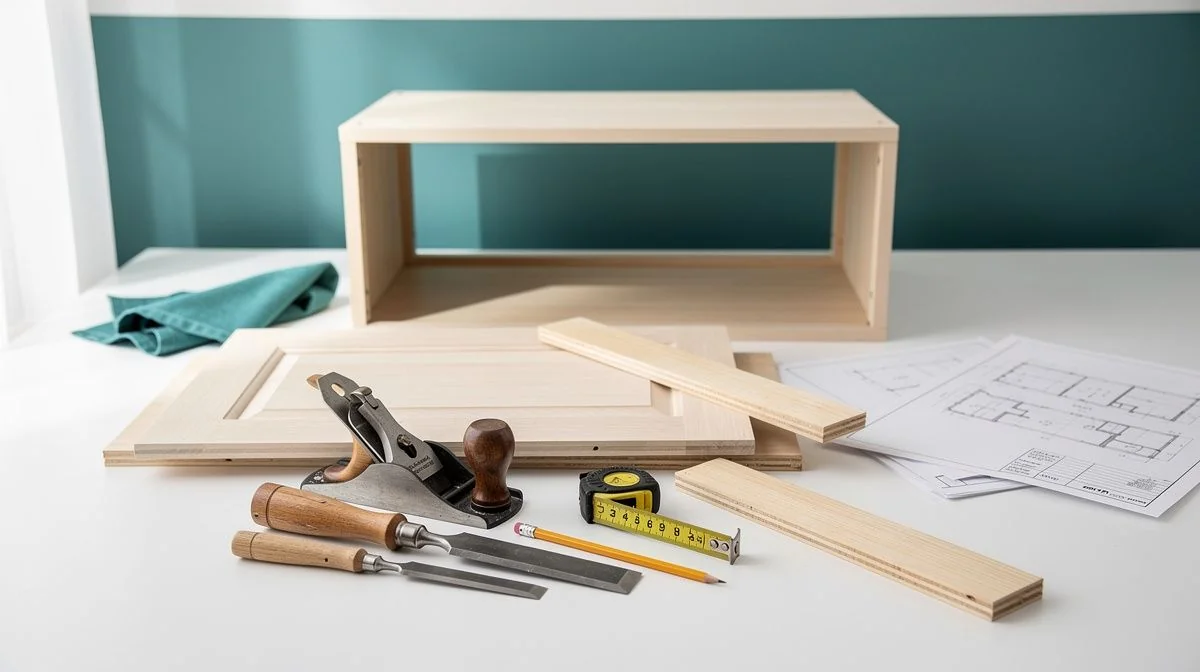
Carpenters and Cabinet Makers in NZ — Hiring Guide
The most useful thing we can tell you about hiring a carpenter in New Zealand is also the most misunderstood: the Licensed Building Practitioner scheme covers individual tradespeople, not companies. A building firm is not licensed. Its people are. If you check the company and not the human being holding the nail gun or supervising the frame, you have checked nothing.
That matters because only an LBP can carry out or supervise Restricted Building Work — the work that affects a home's structural integrity or weathertightness. Foundations, framing, structural beams, cladding, roofing and windows all sit inside that definition. Get it wrong and you have an unconsented, potentially unsaleable problem that travels with the house.
Cabinet making is a different story, and we will get to why. But the credential question comes first, because it is the one that is free, takes minutes, and separates the people who can legally do the job from the people who cannot.
How We Researched This Guide
We worked from the Licensed Building Practitioner scheme as administered by MBIE, plus the published material from Registered Master Builders and New Zealand Certified Builders. The registers and the class structure came from the official sources directly. Where an association describes its own guarantee, we used the association's own wording rather than a summary of it.
Two things genuinely surprised us. The first is the guarantee catch. The Master Build 10-Year Guarantee is not automatic with membership — it must be applied for and approved before building work starts, and the contract price must be $30,000 or over. The second is the class point, which is set out on the LBP register itself: a practitioner licensed in the wrong class is effectively unlicensed for your job. That single sentence changed how we wrote this guide.
ValueHub's Trusted Providers
We've researched the providers below — here are our picks for this category.

We believe homes should be as distinctive as the individuals who inhabit them, delivered through a process that respects time, budget, and practical realities. At Build Unlimited, we are architects, quantity surveyors, and builders under one umbrella, creating a seamless process that transforms each client’s vision into reality with both creative integrity and practical efficiency.
The Quick Summary (60-Second Version)
If you read nothing else, read this.
- LBP licensing applies to individuals, not companies. Check the person doing or supervising the work, by name.
- The class must match the job. Carpentry is the most common class and covers framing, structural carpentry, decks and cladding installation.
- Cabinet making is generally non-structural, so it usually does not require an LBP. The credential question is different because the work is different.
- Association membership — Master Builders, Certified Builders — is not a licence. It is a membership organisation with its own vetting standards.
- The Master Build 10-Year Guarantee must be applied for and approved before work starts. No confirmation means no cover.
- Ask for two or three recent local jobs and actually ring those customers. Ask whether the final price matched the quote.
What an LBP Actually Covers, and What It Does Not
The scheme has eleven classes. Three are Design classes, reflecting complexity. Three are Site classes, for site supervision at different levels of responsibility. The remaining five are trade classes: Carpentry, Foundations, Brick and Blocklaying, Roofing, and External Plastering.
For a typical new build or major renovation, the builder should hold at least a Carpentry LBP — and ideally a Site licence if they are running the project rather than working on the tools full time. Those are two different jobs and they need two different licences.
Why the class matters more than the badge
A licensed practitioner in the wrong class is effectively unlicensed for that work. So the check is not "are you an LBP?" It is "which class, and does it cover this specific job?" Ask to see the current licence ID — a digital licence or a printout with a QR code you can scan. Or search the public register, which shows the licence class, area of practice, licence history, and whether the person has been disciplined in the last three years.
Restricted Building Work is the trigger. It covers structural work such as foundations, framing and structural beams, weathertightness elements such as cladding, roofing and windows, fire safety work in some circumstances, and design work affecting those elements. If your job touches any of that, the LBP requirement is not optional.
Cabinet Makers, Associations and Guarantees
Cabinet making is generally non-structural, which means it may not require an LBP at all. That is the honest answer, and it changes what you should be checking. Instead of a licence, you are looking at a trade qualification, references, a warranty on the cabinetry, and the quality of the materials and hardware specified.
Ask for samples. Ask who makes the carcasses and who does the install. Ask what happens if a door warps in eighteen months. A cabinet maker who can answer those plainly is worth more than one with a logo.
Membership is not a licence
| What it is | Registered Master Builders | NZ Certified Builders |
|---|---|---|
| Legal status | Membership organisation, not a licence | Membership organisation, not a licence |
| Focus | Business capability, systems, compliance | Trade-qualified builders, formed 1998 |
| Obligations | Code of Conduct, periodic inspections | Written contracts, insurance, 10-year guarantee |
| Guarantee | Master Build 10-Year Guarantee | Halo 10-Year Residential Guarantee |
Formal trade qualifications are not mandatory to join either association. Membership tells you a business has met that association's own vetting standards. It does not tell you the work will be defect-free, and the badge only means something if the membership is current.
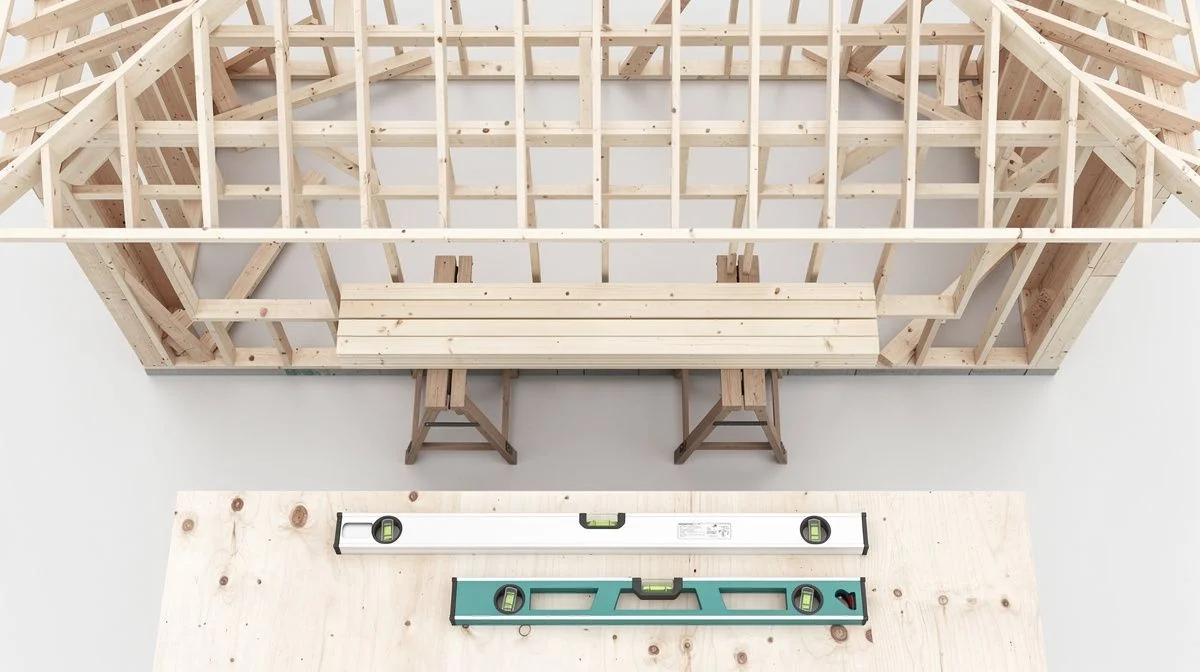
The Guarantee Catch Nobody Mentions
The Master Build 10-Year Guarantee covers loss of deposit, non-completion, materials and workmanship, structural defects, and temporary accommodation. It applies if the builder is unable or unwilling to remedy issues outlined in the contract. Structural cover includes failure of load-bearing functions and damage making the home unsafe, sanitary or uninhabitable.
Here is the catch. It is not automatically provided by using a Master Builders member. It is separate from the building contract and must be applied for, and the application must be approved before building work can start. If no confirmation is received, there is no cover. If you have heard nothing within 14 days of signing the application, chase it.
Eligibility requires a contract price of $30,000 or over. Standard applications cover projects with 10 or fewer dwellings and up to 3 storeys. Cover is available up to a maximum of $4 million, and projects over $2 million need pre-approval.
Why a guarantee is worth more than a warranty
A workmanship warranty is a contractual promise and sits on top of your Consumer Guarantees Act rights, not instead of them. A trader cannot contract out of the Act's guarantees for consumer work. But a guarantee answers a different risk: that the builder is no longer trading when a defect appears. That is precisely the risk the Act cannot solve on its own.
Building guarantees are increasingly requested by homeowners and required by most mortgage lenders. A builder must offer a guarantee if one is available.
The combined check
No single badge is enough. What gives genuine protection is a current NZBN registration with a clean status, an LBP licence covering the restricted work being done, current membership of one of the builder associations, and a clean director history. Ask for the licence ID and scan it. Check the class covers the work. Check the company on the companies register. Confirm the guarantee is approved before work starts.
Questions You Might Have
Do I need a licensed carpenter for a deck?
Decks are named in the Carpentry class, so deck building sits squarely inside LBP territory — particularly where the deck attaches to the house and affects weathertightness. Ask for the licence and confirm the class. A deck is also the classic example of work that needs a building consent in some circumstances, so confirm that with your council too.
What should a written quote contain?
The scope of work in enough detail to identify what is and is not included, whether the price is fixed or an estimate, what is excluded, who supplies materials, the timeframe, the payment schedule, whether GST is included, how variations are handled, and the warranty on workmanship. A quote is a fixed price. An estimate can legitimately be exceeded.
How do I compare two quotes fairly?
Compare scope as much as price. Two quotes at the same number are not comparable if one excludes materials, disposal or GST. The cheapest quote is frequently the one with the narrowest scope. Compare price against scope against credentials against timeframe, and confirm the GST basis on both.
What if the work turns out to be defective?
Tell the trader in writing and give them a reasonable opportunity to fix it. If they refuse, neglect it, or cannot fix it within a reasonable time, you can have it remedied elsewhere and recover the reasonable costs, or cancel the contract. Skipping that first step is how people lose their remedy.
Where does a dispute go if it cannot be settled?
The Disputes Tribunal hears claims up to $60,000, and filing online is quickest. Fees are non-refundable, though the Referee can order the other party to pay them back if your claim succeeds. The Citizens Advice Bureau and Community Law Centres can help you put a claim together.
What Matters Most
Check the human being, not the company. That is the whole game with carpenters. The LBP scheme licenses individuals, the class has to match the job, and a practitioner in the wrong class is effectively unlicensed for your work.
For cabinet makers, drop the licence question and pick up the qualification, materials and warranty questions instead. The work is different, so the checks are different. Pretending otherwise helps nobody.
Then get the guarantee confirmed in writing before anyone picks up a tool. A badge on a website is not cover. An approved application is.

The ValueHub Team built this site because finding clear, unbiased financial information in New Zealand was harder than it should be. Every guide is based on real research — we compare the actual fees, terms, and fine print so you don't have to. Our tip: shop around every year, read the policy docs, and never assume loyalty gets you the best deal.— The ValueHub Team
Try our Calculators
Use these free tools to crunch the numbers:
KiwiSaver Fund Comparison
Compare fees, returns, and risk levels across every KiwiSaver fund — the most up to date data in New Zealand.
Currency Converter — USD to NZD
Convert US Dollars to New Zealand Dollars instantly. See the latest exchange rate and 30-day trend.
Mortgage Repayment Calculator
Calculate your weekly, fortnightly, or monthly mortgage repayments. Free NZ mortgage calculator — try different rates, terms, and repayment frequencies.
Compound Interest Calculator
See how your savings grow with compound interest over time. Free NZ compound interest calculator with yearly, monthly, and weekly compounding options.
Term Deposit Calculator
Calculate your term deposit returns before you lock in. Compare interest earned across different terms and rates with ValueHub's free calculator.
Savings Goal Calculator
Calculate how long it will take to reach your savings goal — and what monthly deposit you need to get there. Free NZ savings planner.
Related Articles
Fencing Contractors in NZ — Costs and Considerations
Compare fencing contractor costs across NZ materials and rules, plus how the Fencing Act 1978 affects your budget.
guideDrainlayers in NZ — When You Need One and How to Choose
Learn when you need a licensed drainlayer in NZ, how to choose one, and what to expect from the process to protect your property.