Hiring a Bathroom Renovator in NZ: Full Guide
Published 02 July 2025 · Updated 09 August 2026
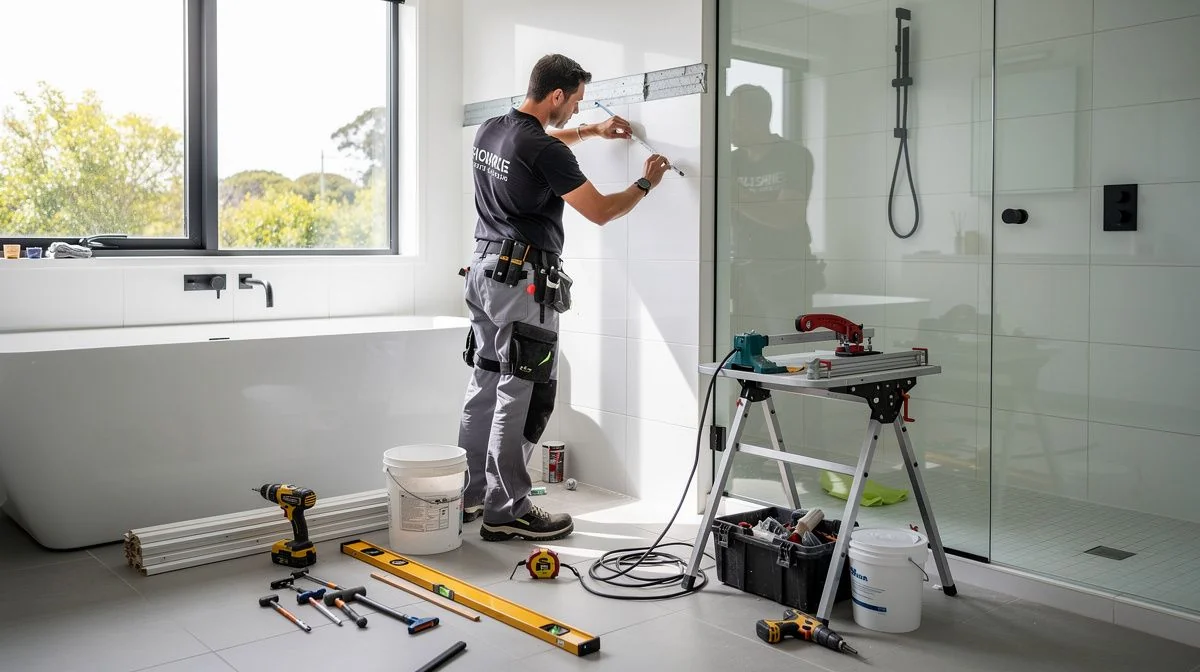
What a bathroom renovator does and when you need one
A bathroom renovator is the person who manages or carries out the transformation of your bathroom. In New Zealand, this role often overlaps with builders, plumbers, tilers, and waterproofers. A good renovator will pull together all the different trades required to turn an outdated or leaky bathroom into a modern, functional space.
You might need a bathroom renovator if your bathroom is more than 15 to 20 years old, if you notice mould, peeling paint, or leaking taps, or if you simply want to update the look and improve resale value. Even small renovations – like replacing a vanity and shower – need careful planning to comply with New Zealand building regulations.
Because bathrooms involve plumbing, electrical work, and waterproofing, they are one of the most complex areas of any home renovation. Hiring the wrong person can lead to costly mistakes and compliance headaches. That is why it pays to understand what qualifications and regulations apply before you sign a contract.
Qualifications, certifications, and industry bodies in New Zealand
Bathroom renovation is not a single licensed trade in New Zealand, but several regulated trades are involved. Here is what to look for in each area:
- Licensed Building Practitioner (LBP) – If your renovation involves structural work, such as moving walls or altering the building envelope, the person doing that work must be an LBP. The LBP scheme is run by the Ministry of Business, Innovation and Employment (MBIE). Ask for their licence number and check it at the LBP public register.
- Registered Plumber – Any work on water supply, drainage, or gas must be done by a registered plumber, who is checked by the Plumbers, Gasfitters and Drainlayers Board. Even if your renovator is a builder, they cannot legally do plumbing work unless they hold the appropriate registration.
- Certified Waterproofer – Shower and wet-area waterproofing is a specialist skill. Look for someone who has completed the approved training (often through the Waterproofing Membrane Association Inc. (WMAI)) and who provides a manufacturer-backed warranty on materials.
- Registered Electrician – All electrical work must be carried out by a licensed electrician registered with the Electrical Workers Registration Board.
- Master Builder or Certified Builder membership – While not a legal requirement, members of the Master Builders or NZ Certified Builders have access to formal guarantees and dispute-resolution services. Their work is also independently inspected.
In short, make sure the person you hire either holds the relevant licences themselves or has a team of licensed subtrades. A reputable renovator will be upfront about their credentials and will happily show you their paperwork.
How to choose and vet a bathroom renovator
Choosing the right person takes more than a quick Google search. Follow these steps to narrow down your options:
- Ask for recent references – Request at least three examples of bathrooms they have completed in the last year. Contact those homeowners and ask about timeliness, quality of finish, and how well they communicated.
- Check their licence – Verify LBP, plumber, and electrician licences on the relevant public registers. Do not rely on a business card or verbal claim.
- Review their contract and warranties – A proper renovation contract should include a detailed scope of work, payment schedule, start and finish dates, and what happens with variations. Ask if they provide a workmanship guarantee (typically 12 months, but some give up to five years).
- Confirm insurance – Public liability insurance and current employer cover (if they have employees) are non-negotiable. Ask for a certificate of insurance.
- Get multiple quotes – Aim for at least three quotes from different renovators. Be wary of any quote that is dramatically lower than the others – it often means corners will be cut.
One key question to ask: “Who will be on site every day, and who is the project supervisor?” Some companies quote using a salesperson, then send a subcontractor you have never met. Knowing who is doing the work gives you peace of mind.
Typical costs and pricing in New Zealand
Bathroom renovation costs in New Zealand vary widely based on the size of the room, quality of fixtures, and complexity of the work. While exact figures change with market conditions, you can expect a typical breakdown:
- Basic cosmetic refresh – Replace vanity, toilet, tapware, and repaint. Estimated range: $5,000 to $12,000 (plumbing and labour only; tiles and fittings extra).
- Standard full renovation – New shower, bath, vanity, toilet, tiling, waterproofing, and lighting. Estimated range: $15,000 to $35,000.
- High-end or large bathroom – Custom cabinetry, premium tiles, heated flooring, freestanding bath. Estimated range: $35,000 to $60,000+.
Most renovators charge either a fixed price for the whole job or a “cost-plus” arrangement (labour plus materials with a margin). Fixed-price contracts give you budget certainty, but ensure the scope is spelled out in detail. Cost-plus can work if you trust the renovator and want flexibility, but watch for cost overruns.
Factors that affect price include the need to move plumbing or walls (which requires consent and structural work), the quality of tiles and fixtures, access to the site (upstairs bathrooms are more difficult), and whether the renovator does everything in-house or uses subcontractors.
Always get written quotes that break down labour, materials, consent fees, and any provisional sums for items like tiles or tapware. This makes it easier to compare apples with apples.
Red flags – what to watch for
Not every renovator is a good fit. Look out for these warning signs:
- No written contract – A handshake deal or a vague email is not enough. Insist on a written contract that covers scope, price, timeline, and term and conditions.
- Demands cash or a large deposit upfront – It is normal to pay a deposit (often 10–20%) to secure materials, but anything more than 30% before work starts is a red flag. Some shady operators take the money and disappear.
- Reluctance to share references or licences – If they are evasive or say “we’re too busy to deal with paperwork”, walk away.
- Vague timeline or no schedule – Bathroom renovations typically take two to six weeks. A professional should give you a realistic timeline in writing.
- Promises of “no consent needed” when it is required – Shower cubes, structural changes, and some plumbing alterations often require building consent. A trustworthy renovator will advise you on consent requirements, not try to avoid them.
- Poor communication during the quoting process – If they are slow to respond before you have paid, consider how hard it will be to reach them if there is a problem mid-renovation.
Trust your gut. If something feels off, get another quote. The cheapest price is rarely the best value.
Tips for getting the best results
Once you have chosen a renovator, you can set the project up for success with these steps:
- Plan thoroughly before work starts – Choose your tiles, tapware, vanity, shower, toilet, and fittings before the first day. Changes during the build cause delays and cost extra.
- Get building consent sorted early – Your renovator should help you apply for any necessary consent. Allow at least four to six weeks for consent processing in most councils.
- Communicate clearly – Have one point of contact. If you want changes, put them in writing. Verbal instructions can lead to misunderstandings.
- Insist on written variations – Any change to the scope, price, or timeline must be recorded and signed off by both parties before work proceeds.
- Check progress regularly – Visit the site at key stages (after waterproofing, before tiling, before final fitting) to make sure things are on track. Photos help.
- Plan for disruption – You will be without a bathroom for a period. Arrange alternative showering and toilet facilities, especially if you have a family.
- Keep a small contingency fund – Set aside 10–15% of the budget for unexpected issues like water damage, old pipes that need replacing, or rotten framing.
- Get everything in writing at the end – Request a completion certificate (if consent was required), warranties on products, and an invoice that clearly shows what you paid for.
A well-managed bathroom renovation can transform your home and add real value. The key is taking the time to find the right renovator and being organised from the start.

The ValueHub Team built this site because finding clear, unbiased financial information in New Zealand was harder than it should be. Every guide is based on real research — we compare the actual fees, terms, and fine print so you don't have to. Our tip: shop around every year, read the policy docs, and never assume loyalty gets you the best deal.— The ValueHub Team
Try our Calculators
Use these free tools to crunch the numbers:
KiwiSaver Fund Comparison
Compare fees, returns, and risk levels across every KiwiSaver fund from all 31 NZ providers.
Currency Converter — USD to NZD
Convert US Dollars to New Zealand Dollars instantly. See the latest exchange rate and 30-day trend.
Mortgage Repayment Calculator
Calculate your weekly, fortnightly, or monthly mortgage repayments. Free NZ mortgage calculator — try different rates, terms, and repayment frequencies.
Compound Interest Calculator
See how your savings grow with compound interest over time. Free NZ compound interest calculator with yearly, monthly, and weekly compounding options.
Term Deposit Calculator
Calculate your term deposit returns before you lock in. Compare interest earned across different terms and rates with ValueHub's free calculator.
Savings Goal Calculator
Calculate how long it will take to reach your savings goal — and what monthly deposit you need to get there. Free NZ savings planner.
Related Articles
How to Hire a Building Inspector in New Zealand
A complete guide to hiring a building inspector in New Zealand. Learn about qualifications, typical costs, red flags, and...
guideHow to Hire a Car Detailer in NZ
NZ-wide guide to hiring a car detailer. Covers qualifications, pricing, red flags, and tips. Learn what to look for and how to choose a...