How to Hire a Building Inspector in New Zealand
Published 03 July 2025 · Updated 14 July 2026 · Written by the ValueHub team · Reviewed by Steve Baron
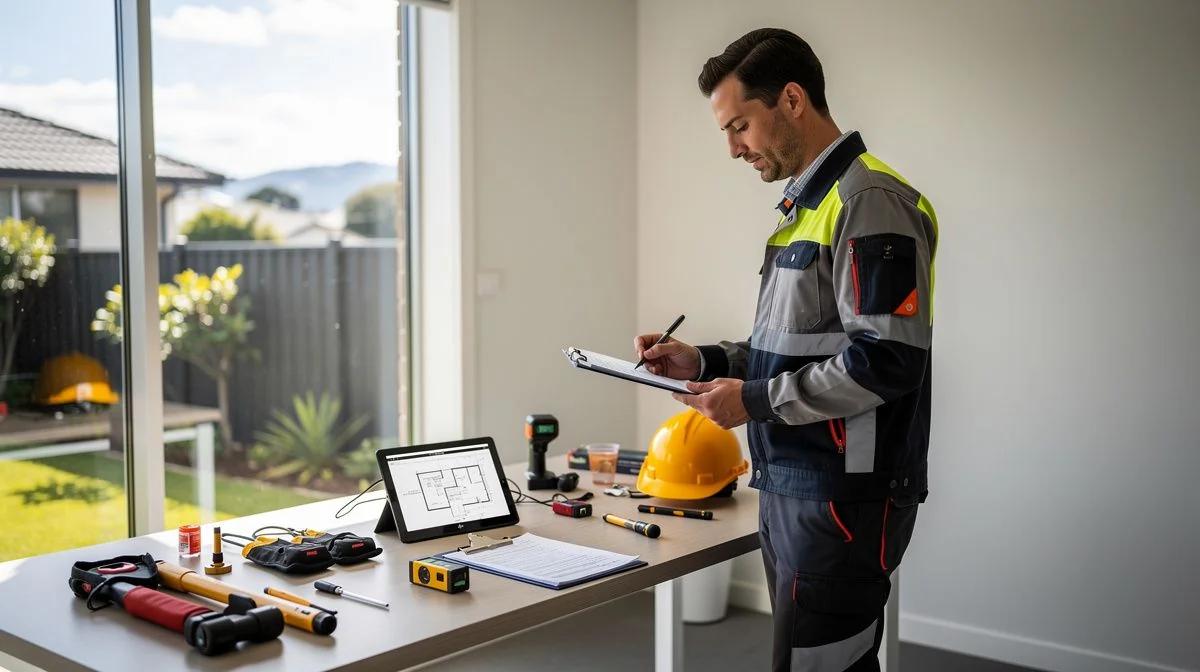
What a building inspector does and when you need one
A building inspector examines a property’s structure and systems to identify defects, safety issues, and potential problems. In New Zealand, this service is most commonly used when buying or selling a house, but inspectors are also hired during new construction, before renovations, or after an event like a leak or earthquake.
Common situations where you’d call a building inspector:
- Pre-purchase inspection – the most common reason. You’re about to buy a home and want to know what you’re getting into before signing.
- Pre-sale inspection – sellers sometimes get inspected first so they can fix issues before listing, or to provide a report to buyers.
- New build or renovation stage inspections – to check that work complies with the building consent and the New Zealand Building Code.
- Specific issue investigation – if you suspect a leak, mould, structural movement, or weathertightness problems.
Unlike a council building inspector (who checks compliance during consent processing), private building inspectors work for you. They look beyond what’s visible, using moisture meters, thermal imaging cameras, and sometimes drones to spot hidden issues.
Qualifications, certifications, and industry bodies
There is no single mandatory licence for private building inspectors in New Zealand. However, reputable inspectors hold voluntary certifications from recognised industry bodies. These give you confidence that the inspector meets a set standard of competence and ethics.
Key qualifications and organisations to look for:
-
New Zealand Institute of Building Surveyors (NZIBS) – the leading body for building surveyors and inspectors. Members can become Registered Building Surveyors (RBS). This requires passing exams, meeting experience requirements, and ongoing professional development. NZIBS also has a Code of Ethics and a complaints process. Checking “Registered Building Surveyor” is a strong indicator of quality.
-
Building Officials Institute of New Zealand (BOINZ) – mainly for council building officials, but some private inspectors also hold BOINZ accreditation. BOINZ offers a Licensed Building Practitioner (LBP) endorsement specifically for building officials (the “Building Inspector” category under LBP). This is regulated by the Ministry of Business, Innovation and Employment (MBIE). An LBP with the Building Inspector licence has demonstrated competence in checking building work against the Building Code.
-
Licensed Building Practitioner (LBP) – Building Inspector – as mentioned, this is a formal licence under the Building Act 2004. While not required for pre-purchase inspections, it shows the inspector has been assessed by MBIE and holds a recognised qualification. If your inspector gives you advice about whether building work complies with the Building Code, they should be an LBP.
-
Other relevant certifications – some inspectors hold qualifications in specific areas like weathertightness (BRANZ, Weathertight Homes Resolution Service), methamphetamine contamination, or drain camera inspections. A good inspector will happily tell you what extra training they have.
Insurance and professional indemnity: A professional building inspector should carry public liability insurance and professional indemnity insurance. This protects you if their inspection misses a major defect. Ask for proof of cover before hiring.
ValueHub's Trusted Providers
We've researched the providers below — here are our picks for this category.

Written Residential & Commercial Building Reports, BCITO Trade Qualified Inspector, Accepted by all Banks, Full Indemnity Insurance, Fast Turnaround 24-48hrs and 150 Years Combined Experience.
How to choose and vet a building inspector
Choosing the right inspector can save you thousands of dollars in unexpected repairs. Here are the key steps and questions to ask.
Step 1 – Check industry membership Start by looking for membership of NZIBS or BOINZ. You can verify membership on their websites. An inspector who belongs to one of these bodies is accountable to a code of conduct and has access to ongoing training.
Step 2 – Ask the right questions
-
“What does your inspection cover?” A standard pre-purchase inspection usually includes roof, exterior cladding, foundations, interior walls and ceilings, windows, plumbing fixtures, electrical (basic visible), and the site drainage. Ideally they should climb on the roof (if safe) and go into the roof cavity and underfloor. Ask for a list of what is excluded – some inspectors won’t inspect certain roof types or subfloor areas if access is dangerous.
-
“Do you use moisture meters and thermal imaging?” Moisture meters are essential for detecting leaks behind walls. Thermal imaging cameras can show temperature differences that indicate moisture or insulation gaps. Good inspectors will include these as standard. If they say it’s an extra cost, that’s a red flag.
-
“Will you provide a written report within 48 hours?” Most professional inspectors deliver a detailed digital report with photos within one or two days. Ask to see a sample report. It should be clear, with photos of each defect and a risk rating (e.g., minor, major, critical).
-
“How many inspections do you do per day?” A thorough inspection of a standard three-bedroom house takes two to four hours on site, plus time to write the report. If they do more than three inspections a day, the quality will likely suffer.
-
“Do you do repair work or have a referral arrangement with tradies?” You want an independent inspector who won’t benefit from recommending expensive repairs. If they also offer building or repair services, there’s a conflict of interest. Similarly, if they steer you toward a specific builder, be cautious.
Step 3 – Check references and online reviews Ask for recent references from clients who bought homes similar to yours. Look at Google Reviews or NZIBS member directories. But remember that a small number of negative reviews among many positives is normal – focus on patterns.
Step 4 – Confirm they will attend the inspection in person Some companies send a junior technician or tradie to do the site visit. You want the qualified inspector themselves to be there. Ask: “Will you personally inspect the property, or will you delegate to someone else?”
Typical costs and pricing in New Zealand
Building inspection fees vary widely depending on property size, age, location, and the scope of services. Here’s what you can generally expect.
-
Standard pre-purchase inspection for a 2–3-bedroom house: $400–$700 plus GST. Larger or more complex homes (4+ bedrooms, or multi-storey) can cost $700–$1,200.
-
Apartment or unit inspection (standalone): $300–$500, but may be higher if the building has shared common areas or a body corporate.
-
New build stage inspections: charged per visit, typically $350–$600 per stage. Some inspectors offer a package for multiple stages (foundation, framing, pre-line, final).
-
Add-on services: meth testing ($200–$400), drain camera inspection ($250–$500), thermal imaging as a standalone ($200–$300). Many inspectors include basic thermal imaging in their standard fee.
-
Travel costs: if the property is in a rural area or far from the inspector’s base, expect a travel fee of $50–$150.
Cheap inspections (under $300) are a warning sign. They may cut corners – not climbing onto the roof, not going into the roof cavity, or using a single-sheet checklist. Spending an extra $100–$200 on a thorough inspector can save you from buying a money-pit.
What affects the price:
- Property age – older homes (pre-1970s) often have harder-to-access roof spaces and subfloors.
- Cladding type – weathertightness issues are more likely with monolithic cladding (e.g., plaster over polystyrene) and require extra checks.
- Roof type – steep or difficult roofs may need special ladders or drones, adding cost.
- Accessibility – a low roof cavity or tight subfloor can slow things down.
- Urban vs rural – inspectors in the main centres (Auckland, Wellington, Christchurch) tend to charge slightly more than those in smaller towns.
Red flags and what to avoid
Not all building inspectors are equal. Watch out for these warning signs.
-
No professional membership. If they can’t name a body like NZIBS or BOINZ, they have no external oversight. Their report may not be taken seriously by a lawyer or bank.
-
Vague reports. A good report will state specific defects, include photos, and give a risk rating. Reports that say “everything looks fine” or “minor issues” without detail are useless.
-
Promise of a “clean” inspection. A pre-purchase inspector cannot guarantee a defect-free property. If they say “this house has no issues” without any caveats, they’re not being honest. Every house has some issues – even new builds.
-
Pressure to hire them for repairs. “We can fix that for you” is a major conflict of interest. Independent means independent.
-
Refusal to provide a sample report or proof of insurance. A professional will happily show you what you’ll get. If they avoid it, walk away.
-
Too cheap. As mentioned, under $300 often means a rushed job. You get what you pay for.
-
Limited availability to answer questions. A good inspector will offer to follow up by phone or email to explain their findings. If they’re too busy to talk, they’re probably too busy to inspect properly.
Tips for getting the best results
Even with a great inspector, the outcome depends partly on how you use their service. Here’s how to get maximum value.
1. Be present during the inspection If possible, be on site while the inspector works. You can point out areas you’re worried about and see the defects first-hand. Most inspectors welcome a buyer walking around with them – they can explain issues in real time.
2. Ask for a verbal summary on the day Before you get the written report, request a brief verbal rundown of the main findings. This helps you decide whether the property is worth pursuing immediately, without waiting for the report.
3. Read the report carefully Don’t just skim it. Look at every photo and note. Pay special attention to items marked “critical” or “needs immediate attention.” Check whether the inspector recommends further specialist investigations (e.g., a structural engineer or plumber).
4. Use the report during negotiations If the inspection finds problems, you can ask the seller to repair them, reduce the price, or even withdraw from the sale (depending on your agreement conditions). A detailed report gives you leverage. Discuss this with your lawyer.
5. Check for compliance with the Building Code If the property has had recent building work (e.g., a new deck or bathroom), ask the

The ValueHub Team built this site because finding clear, unbiased financial information in New Zealand was harder than it should be. Every guide is based on real research — we compare the actual fees, terms, and fine print so you don't have to. Our tip: shop around every year, read the policy docs, and never assume loyalty gets you the best deal.— The ValueHub Team
Try our Calculators
Use these free tools to crunch the numbers:
KiwiSaver Fund Comparison
Compare fees, returns, and risk levels across every KiwiSaver fund — the most up to date data in New Zealand.
Currency Converter — USD to NZD
Convert US Dollars to New Zealand Dollars instantly. See the latest exchange rate and 30-day trend.
Mortgage Repayment Calculator
Calculate your weekly, fortnightly, or monthly mortgage repayments. Free NZ mortgage calculator — try different rates, terms, and repayment frequencies.
Compound Interest Calculator
See how your savings grow with compound interest over time. Free NZ compound interest calculator with yearly, monthly, and weekly compounding options.
Term Deposit Calculator
Calculate your term deposit returns before you lock in. Compare interest earned across different terms and rates with ValueHub's free calculator.
Savings Goal Calculator
Calculate how long it will take to reach your savings goal — and what monthly deposit you need to get there. Free NZ savings planner.
Related Articles
How to Hire a Car Detailer in NZ
NZ-wide guide to hiring a car detailer. Covers qualifications, pricing, red flags, and tips. Learn what to look for and how to choose a...
guideHow to Hire a Caterer in NZ: A Complete Guide
Learn how to choose, vet, and budget for a caterer in New Zealand. Discover qualifications, industry bodies, pricing, and red flags to e...