Hiring a Dry Cleaner in NZ: Complete Guide
Published 15 July 2025 · Updated 14 July 2026
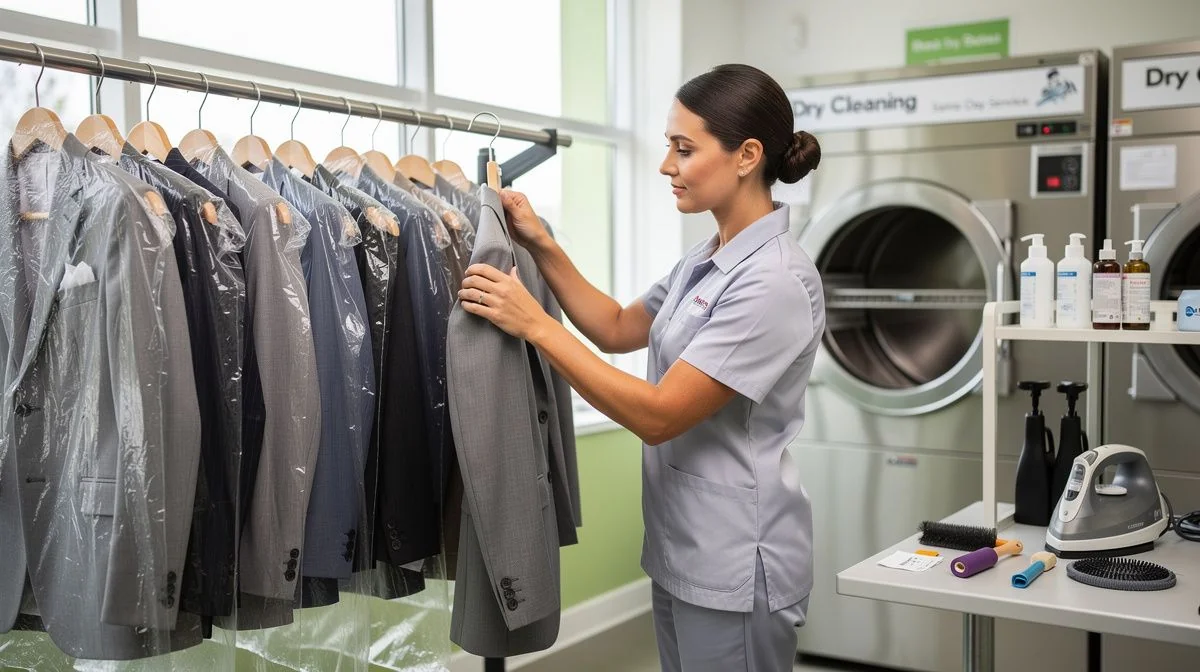
What Does a Dry Cleaner Do?
A dry cleaner uses specialised solvents and techniques to clean fabrics that can't be washed with water. This includes delicate items like silk blouses, woollen suits, cashmere jumpers, and garments labelled "dry clean only." The process removes stains and odours without shrinking or damaging the material.
You might need a dry cleaner for special occasion wear such as wedding dresses or formal suits, for everyday work clothes that require professional care, or for household items like curtains, duvets, and upholstery. Many New Zealanders also use dry cleaners to freshen up winter coats or remove stubborn stains that home washing can't handle.
While some garments can be hand-washed in cold water, anything labelled "dry clean only" — or made from acetate, velvet, wool, or silk — is safest left to a professional. Using the wrong cleaning method can ruin an expensive piece of clothing, so knowing when to call in a dry cleaner is just as important as knowing which one to hire.
Qualifications, Certifications, and Industry Bodies in NZ
Unlike trades such as plumbing or electrical work, dry cleaning is not a licensed profession in New Zealand. There is no single government authority that certifies dry cleaners. However, several industry bodies set standards and offer voluntary qualifications.
The Dry Cleaning Institute of New Zealand (DINZ) is the main industry association. It provides training, sets best-practice guidelines, and offers a recognised certification programme. DINZ members are audited regularly and must follow a code of conduct, which gives consumers extra peace of mind.
Another key organisation is the Textile Services Association of New Zealand (TSANZ). While TSANZ primarily represents commercial laundries, its members often also offer dry cleaning services. Both DINZ and TSANZ require members to meet health, safety, and environmental standards.
Individual dry cleaners may also hold certifications from international bodies, such as the Drycleaning & Laundry Institute (DLI) based in the United States. This is not a legal requirement but indicates a commitment to ongoing professional development.
From a regulatory perspective, all dry cleaning businesses must comply with the Health and Safety at Work Act 2015. They must manage risks from chemicals, especially perchloroethylene (perc), a common solvent. Many New Zealand dry cleaners now use eco-friendly alternatives such as hydrocarbon or silicone-based solvents, or wet cleaning systems, to reduce environmental and health impacts.
When vetting a dry cleaner, look for DINZ membership or ask what qualifications their staff hold. It's also worth checking whether the business is accredited for cashless transactions or has a clear policy on lost or damaged items.
How to Choose the Right Dry Cleaner
Choosing a dry cleaner is about more than just dropping off your clothes and hoping for the best. Here are the key questions to ask and things to check before you commit to a regular service.
Start with recommendations. Ask friends, family, or colleagues who they use. Online reviews on platforms like Google, Facebook, or Neighbourly can also give you a sense of a business's reputation, though take a balanced view — one bad review doesn't tell the whole story.
Visit the premises. A clean, well-organised shop is a good sign. Look for modern equipment, tidy storage, and clear pricing signs. If the shop smells strongly of chemicals or looks messy, that's a warning sign.
Ask about their cleaning process. A good dry cleaner should be able to explain how they handle different fabrics and stains. They should ask you about stains when you drop off an item — if they don't, they might not be paying attention to detail.
Check for guarantees. Many reputable dry cleaners offer a guarantee on workmanship. For example, if a garment is damaged during cleaning, they should cover the cost of repair or replacement. Ask about their policy before you hand over anything valuable.
Look for environmental credentials. If you're concerned about chemical use, ask whether the business uses eco-friendly solvents or wet cleaning methods. Some NZ dry cleaners now offer "green" cleaning using biodegradable substances.
Test with a small job. Before entrusting them with an expensive wedding dress or a vintage coat, start with a simple shirt or a pair of trousers. This lets you gauge their quality, turnaround time, and customer service without risk.
Typical Costs and Pricing in NZ
Dry cleaning prices in New Zealand vary depending on the item, the fabric, and the location. As a rough guide, expect to pay:
- Shirt or blouse: $5–$10
- Trousers or skirt: $8–$15
- Suit jacket or blazer: $15–$25
- Three-piece suit: $30–$50
- Dress (short): $10–$20
- Dress (long or formal): $20–$40
- Winter coat: $25–$45
- Duvet or curtain (per item): $20–$60
Pricing in larger cities like Auckland, Wellington, and Christchurch tends to be slightly higher than in smaller towns. You'll also pay a premium for extra services such as stain treatment, pressing, or same-day turnaround.
Some dry cleaners offer discounts for bulk drop-offs — for example, five shirts for the price of four. Others have loyalty programmes where you earn a free clean after a certain number of visits. It pays to ask about these options if you plan to use their services regularly.
Many dry cleaners accept EFTPOS, credit cards, and online payments. Cash-only operations can be a red flag, as they may not be fully tax-compliant.
Red Flags and What to Avoid
Not all dry cleaners are created equal. Watch out for these warning signs:
- No visible pricing. If the business doesn't display its prices, you may face unexpected charges or be overcharged.
- Reluctance to talk about stains or processes. A good cleaner will discuss stains and treatment options. If the person behind the counter seems uninterested or dismissive, take your business elsewhere.
- Damage or shrinkage after cleaning. Occasional accidents happen, but if your clothes regularly come back with new marks, missing buttons, or altered fit, that's a clear problem.
- Poor communication about turnaround times. If they say "it'll be ready tomorrow" but it takes three days, their reliability is questionable.
- Strong chemical odours on your clothes. A professional dry cleaner should return garments that smell clean and fresh, not of solvents.
- No complaints procedure. Ask how they handle complaints. If there's no clear policy or the staff seem defensive, it's a bad sign.
- Extremely low prices. If a price seems too good to be true, it probably is. Unusually low rates may indicate rushed work, corner-cutting, or use of inferior solvents.
Tips for Getting the Best Results
To make the most of your dry cleaning experience and protect your clothes, follow these practical tips.
Check the care label. Always read the manufacturer's care instructions. Some items labelled "dry clean only" may actually be safe to hand wash. If in doubt, ask your dry cleaner for advice.
Point out stains when you drop off. Don't assume the cleaner will notice every mark. Circle stains with a piece of chalk or use a sticky note to indicate where they are. Mention what caused the stain — for example, red wine or ink — as this helps the cleaner choose the right treatment.
Empty pockets. Leftover tissues, pens, or coins can cause damage during cleaning. They might also get lost. Always check pockets before dropping off.
Remove detachable parts. Take off any removable belts, brooches, or buttons that could be damaged or lost. If you're not sure, ask the cleaner.
Store clothes properly after cleaning. Once your items are returned, remove the plastic wrapping — it can trap moisture and lead to yellowing. Store dry-cleaned garments in a breathable garment bag or on padded hangers.
Build a relationship. Finding a dry cleaner you trust is valuable. Once you've identified a good one, stick with them. They'll get to know your preferences and can offer better service over time.
Read the fine print. Some dry cleaners include terms and conditions on their receipts, such as a cap on compensation for lost or damaged items. Make sure you're aware of these before you leave your clothes.

The ValueHub Team built this site because finding clear, unbiased financial information in New Zealand was harder than it should be. Every guide is based on real research — we compare the actual fees, terms, and fine print so you don't have to. Our tip: shop around every year, read the policy docs, and never assume loyalty gets you the best deal.— The ValueHub Team
Try our Calculators
Use these free tools to crunch the numbers:
KiwiSaver Fund Comparison
Compare fees, returns, and risk levels across every KiwiSaver fund from all 31 NZ providers.
Currency Converter — USD to NZD
Convert US Dollars to New Zealand Dollars instantly. See the latest exchange rate and 30-day trend.
Mortgage Repayment Calculator
Calculate your weekly, fortnightly, or monthly mortgage repayments. Free NZ mortgage calculator — try different rates, terms, and repayment frequencies.
Compound Interest Calculator
See how your savings grow with compound interest over time. Free NZ compound interest calculator with yearly, monthly, and weekly compounding options.
Term Deposit Calculator
Calculate your term deposit returns before you lock in. Compare interest earned across different terms and rates with ValueHub's free calculator.
Savings Goal Calculator
Calculate how long it will take to reach your savings goal — and what monthly deposit you need to get there. Free NZ savings planner.
Related Articles
Hiring an Eyelash Extension Specialist in NZ
Learn how to hire a qualified eyelash extension specialist in New Zealand. Find out about qualifications, regulations, co...
guideHow to Hire a Financial Adviser in NZ
A practical NZ-wide guide to hiring a financial adviser: qualifications, regulations, costs, red flags, and tips for choo...