Hiring a Flooring Specialist NZ Guide
Published 21 July 2025 · Updated 14 July 2026
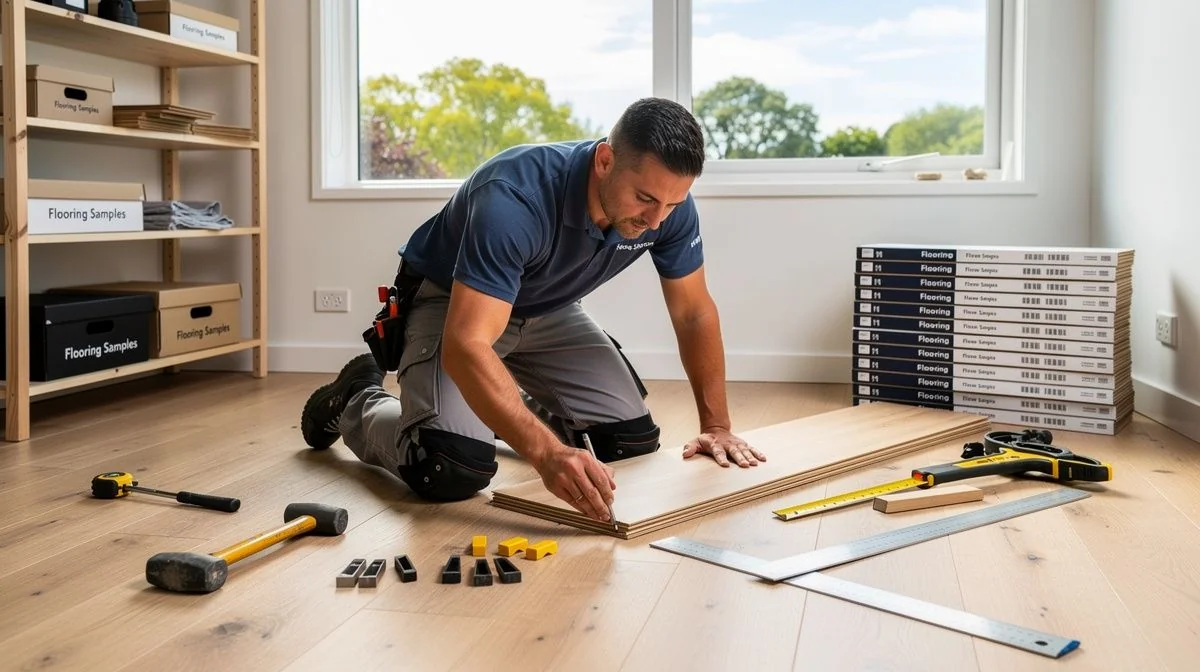
What a Flooring Specialist Does and When You Might Need One
A flooring specialist designs, supplies, and installs flooring materials for residential or commercial properties. The trade covers everything from carpet and vinyl to timber, laminate, tiles, and polished concrete. In New Zealand, a good flooring specialist does more than just lay material – they assess your subfloor, prepare the surface, and ensure the finished floor meets manufacturer specifications for durability and warranty.
You might need a flooring specialist when building a new home, renovating an existing one, or updating a worn-out floor in a rental property. If you notice squeaky boards, peeling vinyl, lifting carpet seams, or moisture damage, it's wise to call a professional before the problem worsens. They can also advise on what type of flooring best suits your lifestyle, budget, and local climate.
Qualifications, Certifications, and Industry Bodies in NZ
Unlike electricians or plumbers, flooring specialists are not required by law to hold a specific licence in New Zealand. However, there are recognised qualifications and industry bodies that set standards and provide consumer protection.
Industry Bodies
The New Zealand Flooring Association (NZFA) is the primary industry body for flooring professionals. Members must adhere to a code of ethics and offer a warranty on their work. You can search for NZFA-accredited installers on their website. Another group is Master Flooring Installers, which runs a certification programme that requires ongoing training and adherence to quality standards.
Training and Qualifications
Most tradespeople learn through the Building and Construction Industry Training Organisation (BCITO). Apprenticeships lead to the National Certificate in Flooring (Level 4) with strands in carpet, resilient (vinyl, linoleum), timber, and laminate. You can ask a specialist whether they hold a current BCITO qualification or are working towards one.
Some specialists also hold manufacturer-specific certifications – for example, Karndean, Forbo, or Mohawk run training programmes that certify installers to fit their products. If your chosen flooring needs a factory warranty, using a certified installer is often a condition of that warranty.
Licensed Building Practitioner (LBP)
Flooring installation does not usually require an LBP licence because it's not considered structural work. However, if the project involves significant subfloor repairs, levelling compounds, or moisture barriers, you may need a builder or a specialist with an LBP designation. Check with your local council if in doubt.
How to Choose and Vet a Flooring Specialist
Selecting the right person for your floors can save you stress, time, and money. Here's what to look for and what questions to ask.
Key Questions to Ask
- Are you a member of the NZ Flooring Association or Master Flooring Installers? Membership indicates a commitment to industry standards.
- Can you provide references from recent similar projects? A good installer will happily share photos or contact details of past clients.
- What qualifications do you hold? Look for BCITO national certificates or manufacturer accreditations.
- Do you carry public liability insurance? This protects you if the installer damages your property or causes injury.
- Will you provide a written quote with a detailed scope of work? Avoid verbal-only quotes – you need everything in writing.
- What warranty do you offer on labour? Many NZFA members offer a minimum one-year or two-year warranty.
- How do you handle subfloor preparation? A professional should inspect the subfloor for moisture, levelness, and condition before installation.
What to Check Before Hiring
- Online reviews – Google, Facebook, or Trade Me services. Look for consistent feedback on reliability and finish quality.
- Showroom or portfolio – A reputable specialist will have a showroom or an online gallery showing past work.
- Written contract – The quote should include material specifications, installation method, timeline, payment schedule, and clean-up arrangements.
- Fair Trading Act compliance – Check that the trader displays their full business name and contact details. Avoid anyone who only uses a mobile number and first name.
Typical Costs and Pricing in NZ
Flooring costs vary widely depending on the material, area size, subfloor condition, and location within New Zealand. The following ranges are broad estimates – always get multiple itemised quotes.
Supply and Install Costs (per square metre)
| Flooring Type | Typical Range |
|---|---|
| Carpet (including underlay) | $40 – $80 |
| Vinyl sheet or plank | $50 – $120 |
| Laminate | $50 – $90 |
| Engineered timber | $80 – $160 |
| Solid timber | $100 – $200+ |
| Tiles (ceramic/porcelain) | $60 – $150+ |
| Polished concrete | $80 – $150+ |
These figures include basic subfloor preparation (cleaning, minor levelling). Significant repairs, moisture proofing, or removing old flooring will add to the cost – typically $10–$30 per square metre extra.
Other Factors Affecting Price
- Room shape and obstructions – Lots of corners, columns, or stairs increase labour time.
- Accessibility – Upper-floor apartments with no lift may require extra fees.
- Patterned or diagonal laying – More complex layouts cost more.
- Underfloor heating – Requires specific adhesives and installation knowledge.
- Acoustic underlay – Common in apartments and multi-storey buildings.
Most specialists charge either a fixed rate per square metre or a day rate plus materials. Always confirm what's included in the quote – removal of old flooring, skirting boards, and disposal should be listed separately if applicable.
Red Flags and What to Avoid
Spotting warning signs early can prevent a costly regret. Here are red flags to watch out for.
- No written quote – If someone gives you a price on a napkin or over the phone without a breakdown, walk away. You need a detailed contract.
- Asks for full payment upfront – Reputable tradespeople ask for a deposit (often 10–30%) with the balance on completion. Anyone demanding 100% upfront is a major risk.
- Refuses to show proof of insurance or qualifications – If they can't provide evidence, assume they don't have it.
- Unusually low quote – A price far below other quotes may mean substandard materials, poor workmanship, or no protections. Flooring is a job where you often get what you pay for.
- No warranty or guarantee – Quality installers stand by their work. If they say "no warranty" or "it's the product's fault", find someone else.
- Poor communication – Delayed responses, vague answers, or unwillingness to discuss details are warning signs of unprofessionalism.
- Pressure tactics – "Sign today for a discount" or "I'm doing you a favour" often precedes a poor job or a scam.
Tips for Getting the Best Results
A good flooring job depends on preparation, clear communication, and proper aftercare. Follow these tips to maximise your investment.
Before Installation
- Order extra material – Always order 10–15% more than the measured area for cuts, wastage, and future repairs.
- Allow material to acclimate – Most floor coverings (especially timber) need to sit in the room for at least 48 hours to adjust to temperature and humidity. Check the manufacturer's instructions.
- Prepare the subfloor – Ensure it is clean, dry, level, and free of defects. A professional will advise if levelling compound or a moisture barrier is needed.
- Remove furniture and clear the room – You might save money if you do this yourself, but confirm with the installer.
During Installation
- Stay on site – Be available to answer questions, but don't hover. Trust your installer to work efficiently.
- Communicate concerns early – If you notice a problem (wrong colour, uneven gaps), raise it before the floor is fully laid.
After Installation
- Follow care instructions – Each flooring type has specific cleaning and maintenance requirements. Ask for a written guide.
- Check the warranty – Register your product warranty with the manufacturer. Keep the receipt and installer details.
- Allow time for curing – Adhesives and sealants may need several days to fully set. Avoid heavy furniture or foot traffic until then.
Getting the Best Value
- Get at least three quotes – Compare not just the price but the scope, materials, and included extras.
- Ask about end-of-roll or clearance lines – Some suppliers offer discounted stock that can save you a lot.
- Consider the total lifetime cost – A cheap carpet that needs replacing in three years is false economy. Spending a bit more on quality installation and materials of

The ValueHub Team built this site because finding clear, unbiased financial information in New Zealand was harder than it should be. Every guide is based on real research — we compare the actual fees, terms, and fine print so you don't have to. Our tip: shop around every year, read the policy docs, and never assume loyalty gets you the best deal.— The ValueHub Team
Try our Calculators
Use these free tools to crunch the numbers:
KiwiSaver Fund Comparison
Compare fees, returns, and risk levels across every KiwiSaver fund from all 31 NZ providers.
Currency Converter — USD to NZD
Convert US Dollars to New Zealand Dollars instantly. See the latest exchange rate and 30-day trend.
Mortgage Repayment Calculator
Calculate your weekly, fortnightly, or monthly mortgage repayments. Free NZ mortgage calculator — try different rates, terms, and repayment frequencies.
Compound Interest Calculator
See how your savings grow with compound interest over time. Free NZ compound interest calculator with yearly, monthly, and weekly compounding options.
Term Deposit Calculator
Calculate your term deposit returns before you lock in. Compare interest earned across different terms and rates with ValueHub's free calculator.
Savings Goal Calculator
Calculate how long it will take to reach your savings goal — and what monthly deposit you need to get there. Free NZ savings planner.
Related Articles
Fridge Repair Technician Hiring Guide NZ
Learn how to hire the right fridge repair technician in New Zealand. Find out about qualifications, costs, red flags, and tips for a suc...
guideHiring a Garage Door Repair Specialist in New Zealand
New Zealand guide to hiring a garage door repair specialist: qualifications, industry bodies, costs, and red flags. Get s...