How to Hire a Glazier in New Zealand – Full Guide
Published 25 July 2025 · Updated 14 July 2026
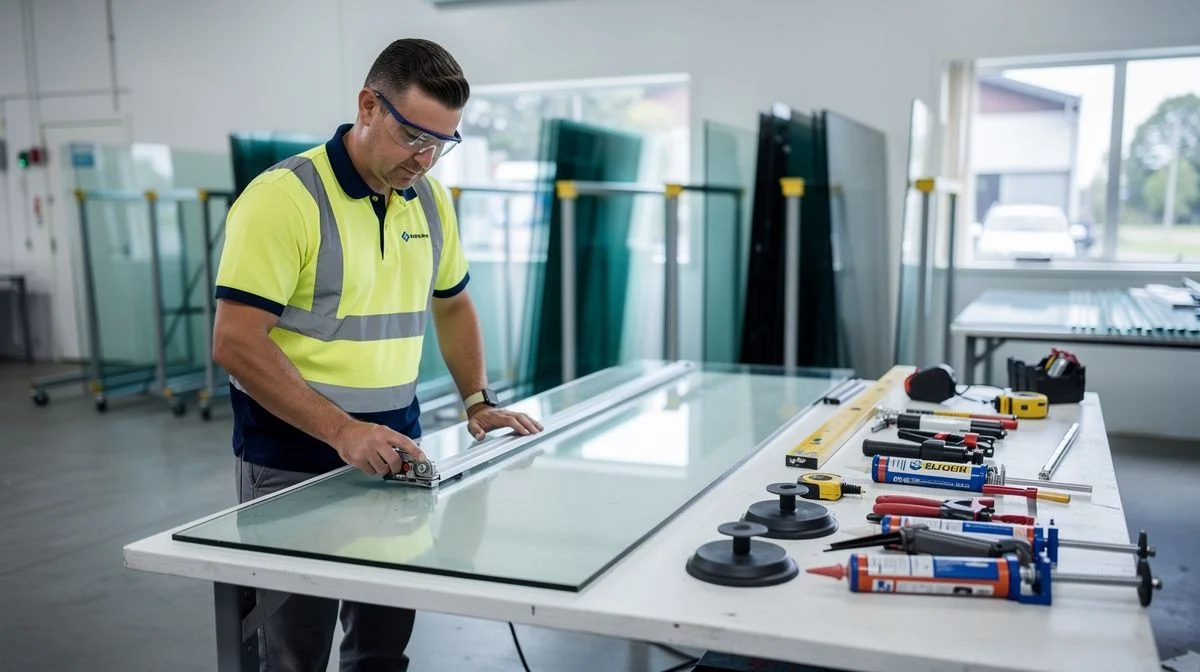
What does a glazier do and when might you need one?
Glaziers install, repair, and replace glass in residential, commercial, and industrial settings. They work with windows, doors, shower screens, mirrors, balustrades, shopfronts, and structural glass panels. In New Zealand, glaziers also often handle aluminium frames and double-glazed units, making them a key tradesperson for any property.
You might need a glazier when: - A window is broken or needs replacing due to damage or weather - You’re building or renovating and need new windows, doors, or skylights - You want to install a frameless glass shower enclosure - A glass balustrade or pool fence requires installation or repair - You need energy-efficient double glazing or tinted glass for heat control - A commercial shopfront or office partition needs glasswork
Because glass is heavy, fragile, and often structurally important, hiring a qualified glazier is far safer than DIY. Incorrect installation can lead to leaks, safety hazards, or failed building inspections.
Qualifications, certifications, and industry bodies for glaziers in NZ
Unlike some trades (electricians or plumbers), glazing in New Zealand does not have a single compulsory national licence. However, there are several important credentials and regulations to be aware of.
The Licensed Building Practitioner (LBP) scheme
If the glazing work is considered “restricted building work” under the Building Act 2004 – for example, replacing windows that form part of the building’s structure or weathertightness – then the person must be a Licensed Building Practitioner with a relevant licence class. For glaziers, the most common LBP class is “Design 2,” “Design 3,” or “Carpentry” depending on the project. However, simple glass replacement in an existing frame may not require an LBP. Always check with your local council or the Ministry of Business, Innovation and Employment (MBIE) if you’re unsure.
Glass Association of New Zealand (GANG)
GANG is the industry body representing glass processors, glaziers, and related suppliers in New Zealand. Many reputable glaziers are GANG members, which means they follow a code of ethics and have access to ongoing training and technical updates. You can search for member companies on their website.
Apprenticeships and the BCITO
Qualified glaziers typically complete an apprenticeship through the Building and Construction Industry Training Organisation (BCITO). The National Certificate in Glass and Glazing (Level 4) is the standard qualification. Experienced glaziers often hold this or equivalent trade certificates. A BCITO-trained glazier has proven skills in handling glass safely, cutting, installing, and complying with New Zealand Building Code requirements.
Safety glass standards (AS/NZS 2208)
All glazing installed in areas where people could fall against it (like doors, low windows, shower screens, balustrades) must meet the safety glass standard AS/NZS 2208. Your glazier should confirm the glass they use is certified impact-resistant – look for a stamp on the glass edge. If they can’t provide that, walk away.
Site Safe or equivalent safety training
For commercial work, many contractors require glaziers to hold a Site Safe passport or similar health and safety credential. This isn’t legally required for residential jobs but shows a commitment to safe practices.
Double glazing and energy performance
There is no separate certification for double glazing installers, but look for membership in the Window and Glass Association of New Zealand (WGANZ) – it merged with GANG and focuses on window systems. Manufacturers of pre-assembled double-glazed units will have testing reports (e.g., thermal performance values). A good glazier can provide those figures.
How to choose and vet a glazier in New Zealand
You don’t want to pick the first name in a directory. Follow these steps to find a reliable glazier anywhere in NZ.
Ask for references and recent examples
Any reputable glazier should happily share photos of past work or provide contact details for a recent customer. Speak to that customer about timeliness, quality, and whether any issues arose after installation.
Check LBP status if required
If the job involves structural changes or building consent, verify the glazier holds a current LBP licence. You can search the LBP public register on the MBIE website. For simple repairs, this may not be necessary, but it still indicates professionalism.
Look for industry memberships
GANG membership is a good sign. You can also check if they are part of a local Master Builders or Certified Builders association – though these are broader groups. GANG is most specific for glaziers.
Get at least three written quotes
Prices can vary considerably. A written quote should itemise materials (type of glass, frame, seals), labour, disposal of old glass, and any delivery charges. Watch for vague “supply and install” quotes without details – they can hide cheap materials or unexpected extras.
Confirm warranties and guarantees
Standard warranties on glazing in NZ are typically 5–10 years on the glass unit against manufacturer defects, and 1–2 years on installation work. Double-glazed units often have a 10-year seal warranty. Get the warranty terms in writing.
Check public liability insurance
Every glazier should carry public liability insurance (at least $1 million cover). Ask to see a certificate. This protects you if they damage your property or cause an injury while working.
Understand the consent requirements
For new windows, larger openings, or structural changes, you may need a building consent from your local council. A professional glazier will know when this is required and can advise you. Never let a glazier proceed without the necessary approvals – it can cause problems when you sell your home.
Typical glazier costs and pricing in New Zealand
Pricing varies by region (Auckland and Queenstown tend to be higher), job complexity, and glass type. Below are typical ranges based on industry averages. Check with your local suppliers for current pricing.
- Single window repair (standard float glass, up to 1m²): $150–$350 including call-out and labour
- Double-glazed unit replacement (sealed unit): $300–$700 per unit, plus installation
- Standard double-glazed window (supply and install): $600–$1,200 per square metre depending on frame (aluminium vs uPVC) and glass specifications
- Frameless glass shower screen: $800–$2,500 depending on size, glass thickness, and hardware
- Glass balustrade (per linear metre, installed): $400–$1,200, with toughened glass and stainless steel fittings
- Mirror (cut to size and installed): $100–$400 per square metre
- Emergency call-out (after hours or weekends): often a minimum fee of $200–$400 plus materials
Factors that affect cost: - Glass type – toughened, laminated, low-E, and double glazing all cost more than standard float glass - Complexity of access – second-storey windows, sloping sites, or limited access increase labour time - Frame condition – repairing rotted timber frames adds cost before glazing - Disposal fees – old glass and frames may incur a tip fee, especially for larger jobs - Region – labour rates are higher in main cities and tourist towns
Always request a fixed-price quote in writing before work begins. Hourly rates are common for repairs (around $60–$100 per hour plus materials), but a fixed quote prevents bill shock.
Red flags – warning signs to watch for
Not all glaziers are created equal. Watch out for these indicators of poor quality or dodgy operators.
No physical address or website
A glazier who only operates via a mobile number and has no address or online presence is risky. It may be a sole trader who disappears if something goes wrong.
Reluctance to provide written quotes or contracts
If they avoid putting anything in writing, you have no proof of the agreed scope or price. Verbal agreements are hard to enforce for larger jobs.
Vague about safety glass standards
If asked about AS/NZS 2208 and the glazier doesn’t know the standard or says “it’s all safe anyway,” that’s a major red flag. Safety glass is a legal requirement in risk areas.
Pressure to pay cash or upfront deposits > 30%
Legitimate tradespeople rarely demand full payment upfront. A deposit of 10–30% is reasonable for materials. Walking away if they insist on cash-only or 50%+ deposit.
No insurance or can’t provide proof
Ask directly. If they say they don’t have liability insurance, do not hire them. You could be liable for accidents on your property.
Extremely low quote compared to others
A quote that’s half the price of competitors usually means inferior glass, poor seals, or unqualified labour. Cheap glass can break easily, fail under impact, or fog up within months.
Poor communication or doesn’t turn up for site visit
If they can’t be bothered to assess the job in person, how can they quote accurately? A reputable glazier will visit your site before providing a quote for anything beyond a simple repair.
Tips for getting the best results from your glazier
A little preparation on your part makes the job smoother and the outcome better.
Measure carefully (or let them do it)
Don’t try to order glass yourself based on rough measurements. Glaziers take precise measurements accounting for frame tolerances. Let them measure on site – it’s their job.
Decide on glass type early
Know whether you need toughened, laminated, double-glazed, or specialty glass (e.g., acoustic, reflective, low-E). A good glazier can advise you, but if you have specific needs (privacy, heat control, noise reduction), spell them out.
Check the final installation thoroughly
After the job, inspect the work:
- Are the seals neat and continuous?
- Do windows open and close smoothly?
- Is the glass clean and free of scratches?
- Are silicone joints uniform and not smeared?
- For double glazing, check that no condensation appears between panes (that indicates a failed seal).
Keep paperwork for warranty
Store the invoice, quote, warranty documents, and any compliance certificates (e.g., LBP record of work if applicable). You may need these if you sell your house or if a problem arises years later.
Ask about maintenance
Some glass coatings require special cleaning methods. Ask your glazier how to maintain the finish and seals. For aluminium frames, simple soap and water is usually fine. Avoid harsh abrasives on glass or frames.
Consider energy efficiency upgrades
If you’re replacing windows, this is an ideal time to upgrade to double glazing or incorporate argon-filled units. Your glazier can recommend U-value and SHGC ratings appropriate for your climate zone in NZ. The cost may be offset by lower heating bills over time.
Get everything in writing – even small jobs
For any job over a few hundred dollars, insist on a written contract or scope of work. The NZ Consumer Guarantees Act applies to services, but clear documentation makes disputes easier if something goes wrong.

The ValueHub Team built this site because finding clear, unbiased financial information in New Zealand was harder than it should be. Every guide is based on real research — we compare the actual fees, terms, and fine print so you don't have to. Our tip: shop around every year, read the policy docs, and never assume loyalty gets you the best deal.— The ValueHub Team
Try our Calculators
Use these free tools to crunch the numbers:
PAYE Calculator
Calculate your take-home pay after PAYE tax, ACC, KiwiSaver, and student loan deductions.
Compound Interest Calculator
See how your savings grow with compound interest over time. Free NZ compound interest calculator with yearly, monthly, and weekly compounding options.
Mortgage Repayment Calculator
Calculate your weekly, fortnightly, or monthly mortgage repayments. Free NZ mortgage calculator — try different rates, terms, and repayment frequencies.
Term Deposit Calculator
Calculate your term deposit returns before you lock in. Compare interest earned across different terms and rates with ValueHub's free calculator.
Savings Goal Calculator
Calculate how long it will take to reach your savings goal — and what monthly deposit you need to get there. Free NZ savings planner.
Credit Card Repayment Calculator
See how long it really takes to pay off your credit card — and how much interest you could save by paying more each month. Free NZ calculator.
Related Articles
Justices of the Peace in NZ
Need a document witnessed in NZ? Learn what JPs do, when you need one, and where to find free services for passports, declarations, and more.
guideConveyancers in NZ — What They Do vs a Property Lawyer
Licensed conveyancer vs property lawyer in NZ: cost, scope, and when to choose each for your home purchase or sale.
guideMigration Advisers in NZ — A Guide for New Migrants
Learn how licensed migration advisers can simplify your New Zealand visa application, save time, and boost approval chances with expert guidance.
guideSecurity Guards in NZ
Learn when to hire a security guard in NZ, from construction sites to events, with tips on licensing and what they do.