How to Hire a Personal Trainer in NZ
Published 30 July 2025 · Updated 14 July 2026
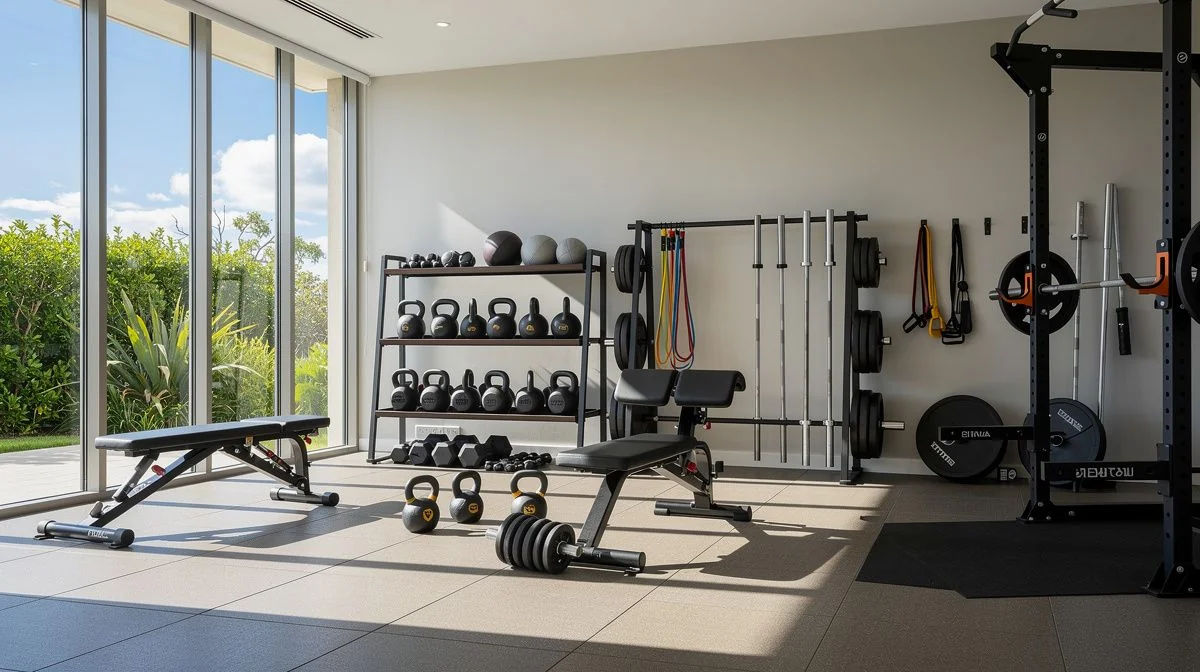
What personal trainers do and when you might need one
A personal trainer (often called a PT or gym instructor) is a qualified fitness professional who designs and supervises exercise programmes tailored to your goals. Whether you want to lose weight, build muscle, improve sports performance, or recover from an injury, a good PT can provide the structure, motivation, and technique correction that many people find hard to achieve alone. You might hire a personal trainer when you are new to the gym, stuck in a workout rut, training for an event, or needing accountability to stay consistent. In New Zealand, personal trainers work in commercial gyms, private studios, parks, or even come to your home if you have space and equipment.
Qualifications, certifications and industry bodies in NZ
New Zealand has a well-regulated fitness industry thanks to the Register of Exercise Professionals (REPs). REPs NZ (www.repsnz.org.nz) is the independent body that sets minimum education and competence standards for exercise professionals. Any reputable personal trainer should hold a current REPs registration, which requires them to complete an approved qualification, undertake ongoing professional development, and adhere to a code of ethics. The registration levels are:
- Level 1 – Gym Instructor: suitable for leading group fitness classes or giving basic gym inductions.
- Level 2 – Personal Trainer: the standard qualification for one-on-one programming and coaching.
- Level 3 – Advanced Personal Trainer: for those with deeper knowledge in areas like rehabilitation, sports conditioning, or special populations.
- Level 4 – Master Trainer: the highest tier, often involving research, mentoring or clinic management.
Beyond REPs, some trainers hold additional certifications from organisations such as the New Zealand Personal Fitness (NZPF) association, Exercise Association of New Zealand (EXANZ), or international bodies like NASM, ACE, or ACSM. A relevant tertiary qualification – for example a Certificate in Fitness (Level 4) or a Diploma in Exercise Science – is also a strong sign of depth. If the trainer works with specialist clients (pregnant women, older adults, people with medical conditions), ask about specific training in those areas.
It is worth noting that in New Zealand the term “personal trainer” is not legally protected – anyone can call themselves one. That is why checking for REPs registration is the most reliable way to confirm they meet national industry standards. You can search the REPs public register online to verify a trainer’s credentials.
How to choose and vet a personal trainer
Finding the right trainer is about more than just qualifications – personality, coaching style, and communication matter just as much. Start by clarifying your own goals. Are you after general fitness, strength gains, weight loss, or rehabilitation from an injury? Once you know what you need, use these steps to vet potential trainers:
- Check REPs registration – confirm their level and that it is current.
- Ask about their experience – how long have they been training clients? Do they have success stories similar to your goals?
- Read reviews and ask for references – genuine client testimonials (or a quick word with a current client) can tell you a lot.
- Request a free consultation or trial session – most trainers offer a no-obligation first meeting to discuss your goals and show you around their facility.
- Observe their coaching style – do they demonstrate exercises clearly? Are they encouraging or tough? Does their approach match your learning style?
- Ask about their availability and location – can they work around your schedule, and is the training venue convenient for you?
- Inquire about insurance – a professional trainer should have public liability and professional indemnity insurance.
- Discuss how they track progress – regular assessments, measurements, or performance benchmarks show they take results seriously.
A good trainer will ask you about your medical history, current fitness level, and any injuries before starting. If they skip this step, that is a warning sign. Likewise, they should be willing to adapt exercises if something doesn’t feel right.
Typical pricing structures and what affects costs in NZ
Personal training costs in New Zealand vary significantly depending on the trainer’s experience, location, session length, and whether you train one-on-one or in a small group. As a general guide, expect to pay:
- One-on-one sessions: $50–$100 per hour, with experienced or specialist trainers charging toward the upper end.
- Semi-private or small-group training: $25–$50 per session per person.
- Package deals: many trainers offer discounts for buying blocks of 5, 10, or 20 sessions – you might save 10–20% compared to paying per session.
- Online coaching: $100–$250 per month (programming, check-ins, video feedback) – cheaper than in-person but requires more self-motivation.
Location plays a big role. Trainers in Auckland, Wellington, and Christchurch tend to charge more than those in smaller towns. Training in a high-end gym may also cost more because the trainer pays rental fees to the facility. If a trainer travels to your home, expect an extra charge for travel time. Some trainers offer a free introductory session, which is a great way to test compatibility without commitment.
Red flags and what to avoid
Unfortunately, not everyone calling themselves a personal trainer has the knowledge to keep you safe. Watch for these warning signs:
- No REPs registration or refusal to show it. If they are not on the register, walk away.
- Guarantees of rapid, dramatic results (e.g., “lose 10 kilos in two weeks”). Safe, sustainable change takes time.
- Pushing expensive supplements or meal-replacement shakes – a PT’s job is exercise programming, not selling products. Registered nutritionists or dietitians handle food advice.
- Poor communication or lack of a clear contract. Always get a written agreement outlining session frequency, cancellation policy, fees, and duration.
- Dismissing your concerns or injuries – a professional should modify exercises to suit your body, not force you through pain.
- No insurance – if you get injured during a session, you could be left with no recourse.
- One-size-fits-all programmes – your programme should be individualised after an initial assessment, not a generic photocopy.
Trust your gut. If a trainer makes you uncomfortable or seems more interested in upselling than listening, move on.
Tips for getting the best results
To make the most of your investment in a personal trainer, take an active role your own fitness journey. Here are practical tips:
- Be honest about your lifestyle – tell your trainer about your sleep, stress, nutrition, and time constraints. The more they know, the more realistic your programme will be.
- Stick to the plan between sessions – consistency outside the gym is what drives real change. Ask for “homework” if you train together only once or twice a week.
- Track your workouts and progress – use a journal, app, or simply your trainer’s feedback to see improvements over weeks and months.
- Communicate openly – if something hurts, feels too easy, or doesn’t fit your schedule, speak up. A good trainer will adjust.
- Be patient – meaningful fitness gains take 8–12 weeks to become visible. Avoid the temptation to skip sessions or push too hard too fast.
- Reassess your goals regularly – after a few months, ask your trainer to re-test your strength, endurance, or body composition. This keeps both of you focused on what’s next.
Many trainers also offer nutritional guidance (general advice), but if you need a detailed meal plan, ask for a referral to a registered dietitian or qualified nutritionist. Remember that the trainer‑client relationship works best when it’s a partnership – you bring effort and honesty; they bring expertise and support.

The ValueHub Team built this site because finding clear, unbiased financial information in New Zealand was harder than it should be. Every guide is based on real research — we compare the actual fees, terms, and fine print so you don't have to. Our tip: shop around every year, read the policy docs, and never assume loyalty gets you the best deal.— The ValueHub Team
Try our Calculators
Use these free tools to crunch the numbers:
PAYE Calculator
Calculate your take-home pay after PAYE tax, ACC, KiwiSaver, and student loan deductions.
Compound Interest Calculator
See how your savings grow with compound interest over time. Free NZ compound interest calculator with yearly, monthly, and weekly compounding options.
Mortgage Repayment Calculator
Calculate your weekly, fortnightly, or monthly mortgage repayments. Free NZ mortgage calculator — try different rates, terms, and repayment frequencies.
Term Deposit Calculator
Calculate your term deposit returns before you lock in. Compare interest earned across different terms and rates with ValueHub's free calculator.
Savings Goal Calculator
Calculate how long it will take to reach your savings goal — and what monthly deposit you need to get there. Free NZ savings planner.
Credit Card Repayment Calculator
See how long it really takes to pay off your credit card — and how much interest you could save by paying more each month. Free NZ calculator.
Related Articles
Justices of the Peace in NZ
Need a document witnessed in NZ? Learn what JPs do, when you need one, and where to find free services for passports, declarations, and more.
guideConveyancers in NZ — What They Do vs a Property Lawyer
Licensed conveyancer vs property lawyer in NZ: cost, scope, and when to choose each for your home purchase or sale.
guideMigration Advisers in NZ — A Guide for New Migrants
Learn how licensed migration advisers can simplify your New Zealand visa application, save time, and boost approval chances with expert guidance.
guideSecurity Guards in NZ
Learn when to hire a security guard in NZ, from construction sites to events, with tips on licensing and what they do.