Hiring a Lawn Mowing Service in NZ: Guide
Published 11 August 2025 · Updated 14 July 2026
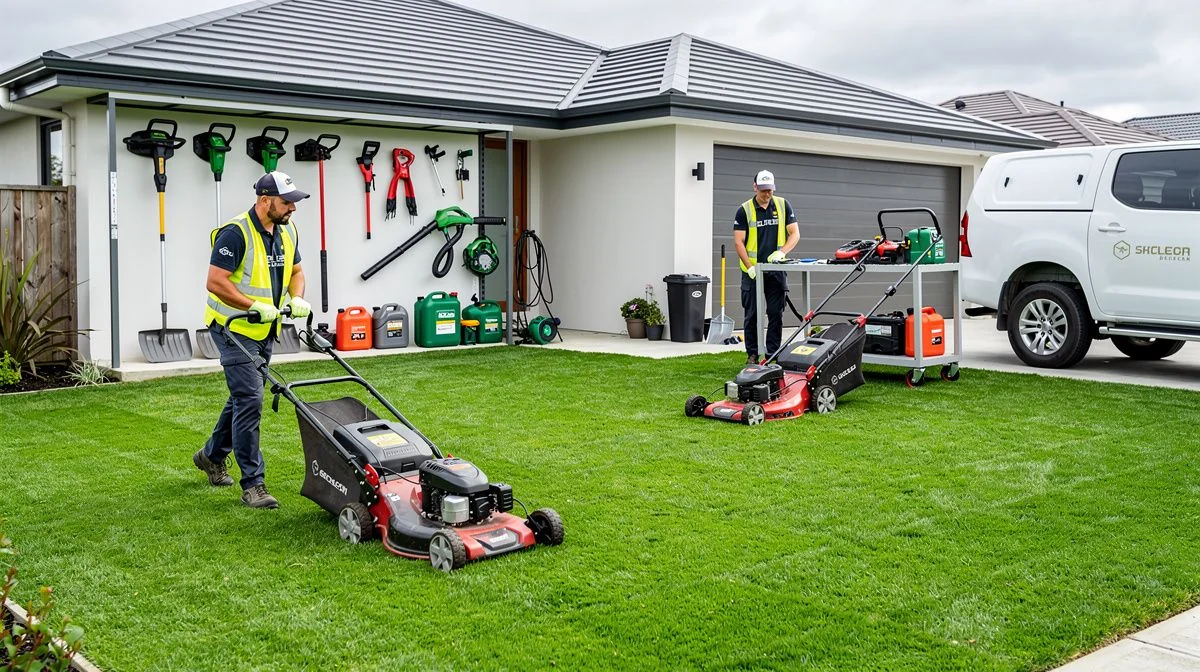
What a lawn mowing service does and when you might need one
A lawn mowing service isn’t just about pushing a mower around your section. Professional operators bring the right equipment, know-how, and consistency to keep your grass healthy and your property looking tidy. Whether you have a small city section or a sprawling rural lawn, a regular mowing regime can save you time and prevent your lawn from becoming a tangled, weedy mess.
You might need a lawn mowing service if you’re away frequently, don’t own a mower, or simply don’t have the time or physical ability to keep on top of the growth. Many homeowners also use these services before selling their property to boost kerb appeal. Commercial properties, schools, and rental portfolios often rely on scheduled mowing to maintain a professional appearance.
Qualifications, certifications, and industry bodies in New Zealand
Unlike some trades in New Zealand, lawn mowing is not a licensed occupation. There is no specific “lawn mower licence” required by law. However, that doesn’t mean qualifications are irrelevant – many reputable operators hold horticulture or turf management qualifications that show they understand grass types, soil health, and mowing heights.
Relevant qualifications include the New Zealand Certificate in Horticulture (Lawn and Turf Management), which is offered at levels 2 through 5. This covers everything from turf establishment to pest and disease management. Some mowing contractors also hold the National Certificate in Horticulture (Sports Turf), though this is more common for sports field contractors.
The primary industry body for landscape and turf professionals is Landscape New Zealand (formerly the New Zealand Landscape Contractors Association). Membership is voluntary, but members must adhere to a code of ethics and often have public liability insurance. For sports turf specialists, the New Zealand Sports Turf Institute (NZSTI) provides technical advice and training.
In addition, any business operating in New Zealand must comply with the Health and Safety at Work Act 2015. This means lawn mowing contractors should have a safety plan, use appropriate personal protective equipment, and be trained in safe operation of machinery (e.g. ride-on mowers, strimmers). If they use chemicals such as herbicides or fertilisers, they need to be approved handlers under the Hazardous Substances and New Organisms (HSNO) Act.
What to look for:
- Membership in Landscape New Zealand or a similar trade association
- A recognised horticulture or turf management qualification
- Approved handler certification (if they apply sprays)
- Current public liability insurance (ask for a certificate)
- Written health and safety procedures
How to choose the right lawn mowing service
Start by asking for recommendations from neighbours or friends in your area. Look for online reviews on platforms like Google, Facebook, or local community pages. But don’t stop at a star rating – dig into the comments to see how the contractor handled communication, punctuality, and the quality of cuts.
Key questions to ask before hiring:
- What’s included in the quoted price? Does it cover edging, weed-whacking, and blowing clippings off paths? Or is it strictly mowing?
- What frequency do you recommend? Weekly during the growing season, fortnightly in drier months? A good contractor will advise based on your grass type and local conditions.
- Do you take away clippings or mulch them? Some clients prefer clippings removed to keep lawns tidy; others want them mulched for nutrients.
- Are you insured? Ask for proof of public liability insurance. This protects you if they damage your property or injure themselves on site.
- Can you provide a written quote or contract? A professional will provide a clear written agreement outlining services, frequency, and payment terms.
- What happens if you need to cancel due to rain? Most contractors will postpone and reschedule, but it’s good to know their policy.
It’s also wise to ask for references or photos of recent work. A quality operator will be happy to show their standard of finish.
Typical pricing and what affects costs in New Zealand
Lawn mowing costs in NZ vary widely depending on your location, section size, grass condition, and the services included. As a general guide, expect to pay roughly:
- Small section (under 300m²): $30–$50 per visit
- Average section (300–600m²): $40–$70 per visit
- Large section (600–1,000m²): $60–$100 per visit
- Very large or rural sections (1,000m²+): $100–$200+ per visit
These prices are rough estimates and can be higher in Auckland, Wellington, and Christchurch compared to smaller towns. Many contractors also charge a premium for one-off or overgrown lawns because they take extra time and may need heavier equipment.
Factors that influence the price:
- Site access: Steep hills, narrow gates, or obstacles like trees and garden beds add time.
- Grass type: Kikuyu grows fast and thick; fine fescue is slower – this affects mowing frequency and difficulty.
- Weed growth: A lawn infested with weeds or with long, matted grass requires more labour.
- Additional services: Edging, weed spraying, fertilising, and leaf blowing will increase the cost.
- Frequency: Most contractors offer a lower per-visit rate if you sign up for regular weekly or fortnightly mowing.
Always ask for a fixed-price quote in writing before work begins. Avoid hourly rates unless it’s a one-off clean-up – they can blow out if the grass is taller than expected.
Red flags and what to avoid
Not every lawn mowing operator is professional. Watch out for these warning signs:
- No written quote or contract. A fly-by-night operator will often give a verbal price and turn up when they feel like it. A written agreement protects both parties.
- Cash-only and no GST number. Legitimate businesses issue invoices with a GST number. Paying cash without a receipt leaves you with no comeback if something goes wrong.
- No insurance. If a contractor damages your sprinkler system, breaks a window, or hurts themselves on your property, you could be liable. Always verify insurance.
- Scalping or uneven cuts. A bad mower sets the blades too low and scalps the grass, damaging the roots. If you see tracks of bare soil after a mow, that’s a problem.
- Leaving a mess. A professional will clean up clippings from paths and driveways. If they leave a trail of wet clippings that can stain concrete or get slippery, that’s poor service.
- No clear cancellation policy. If they don’t show up or cancel regularly without notice, it’s a sign of disorganisation.
- Pressure to sign a long-term contract. While regular mowing is smart, you shouldn’t be locked into a non-cancellable agreement with poor service.
Trust your gut – if a price seems too good to be true, or if the person seems unprofessional on the phone, look elsewhere.
Tips for getting the best results
Once you’ve chosen a reliable lawn mowing service, you can set them up for success – and your lawn will look better for it.
- Clearly mark obstacles. Place a flag or marker near sprinkler heads, irrigation lines, low-hanging branches, or anything delicate. This prevents accidental damage.
- Communicate your expectations. Do you want stripes? A specific height? Clippings taken away? Tell them upfront. A good contractor will adjust their approach.
- Keep the lawn reasonably clear. Pick up toys, dog bones, rocks, and garden tools before mowing day. This speeds up the job and reduces the risk of injury or damage.
- Schedule regular mowing. Consistency is key. Mowing too infrequently stresses the grass and lets weeds take hold. Ask your contractor what frequency they recommend for your area.
- Consider an annual fertilise and weed treatment. Many mowing services offer these as add-ons. A nutrient-rich, weed-free lawn not only looks better but also grows more evenly.
- Review the job after each visit. If you notice missed spots or messy edges, let the contractor know politely. Most will fix it promptly if it’s a simple oversight.
- Pay promptly and tip for exceptional service. While not expected, a small gesture (a cold drink on a hot day) can build goodwill and encourage regular, reliable service.
Finally, if you’re using a contractor for the first time, consider a trial period of a few mows. That way you can assess their reliability and quality before committing to a longer arrangement.

The ValueHub Team built this site because finding clear, unbiased financial information in New Zealand was harder than it should be. Every guide is based on real research — we compare the actual fees, terms, and fine print so you don't have to. Our tip: shop around every year, read the policy docs, and never assume loyalty gets you the best deal.— The ValueHub Team
Try our Calculators
Use these free tools to crunch the numbers:
PAYE Calculator
Calculate your take-home pay after PAYE tax, ACC, KiwiSaver, and student loan deductions.
Compound Interest Calculator
See how your savings grow with compound interest over time. Free NZ compound interest calculator with yearly, monthly, and weekly compounding options.
Mortgage Repayment Calculator
Calculate your weekly, fortnightly, or monthly mortgage repayments. Free NZ mortgage calculator — try different rates, terms, and repayment frequencies.
Term Deposit Calculator
Calculate your term deposit returns before you lock in. Compare interest earned across different terms and rates with ValueHub's free calculator.
Savings Goal Calculator
Calculate how long it will take to reach your savings goal — and what monthly deposit you need to get there. Free NZ savings planner.
Credit Card Repayment Calculator
See how long it really takes to pay off your credit card — and how much interest you could save by paying more each month. Free NZ calculator.
Related Articles
Justices of the Peace in NZ
Need a document witnessed in NZ? Learn what JPs do, when you need one, and where to find free services for passports, declarations, and more.
guideConveyancers in NZ — What They Do vs a Property Lawyer
Licensed conveyancer vs property lawyer in NZ: cost, scope, and when to choose each for your home purchase or sale.
guideMigration Advisers in NZ — A Guide for New Migrants
Learn how licensed migration advisers can simplify your New Zealand visa application, save time, and boost approval chances with expert guidance.
guideSecurity Guards in NZ
Learn when to hire a security guard in NZ, from construction sites to events, with tips on licensing and what they do.