Hiring a Scaffolder in NZ: A Complete Guide
Published 22 August 2025 · Updated 14 July 2026
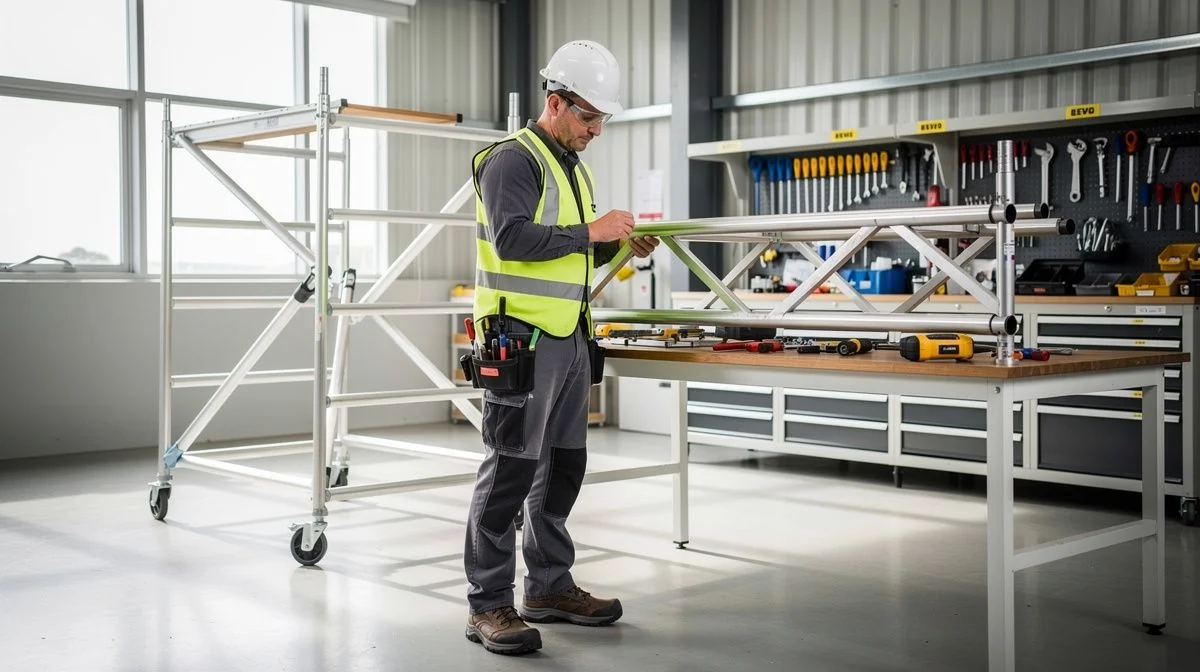
What Scaffolders Do and When You Might Need One
Scaffolders erect, alter, and dismantle temporary structures that give workers safe access at height. In New Zealand, scaffolding is used on almost any job that involves working above ground level – from house painting and roof repairs to large commercial builds and bridge maintenance.
You might need a scaffolder if you’re having your roof replaced, gutters cleaned, exterior painted, or windows installed above the ground floor. Any time a tradie needs to work more than a couple of metres off the ground, a properly erected scaffold is the safest way to do it. Under New Zealand’s health and safety laws, the person in control of the workplace has a duty to ensure that any scaffolding is erected and used safely.
Scaffolding isn’t just for building sites. Renovations, event staging, and even tree work often require temporary access platforms. Hiring a qualified scaffolder ensures the structure is stable, complies with the relevant standards, and won’t put anyone at risk.
Qualifications, Certifications, and Industry Bodies
Scaffolding in New Zealand is regulated under the Health and Safety at Work Act 2015 and the Health and Safety at Work (General Risk and Workplace Management) Regulations 2016. The key qualification for scaffolders is the Scaffolding Certificate of Competence, issued by WorkSafe New Zealand. There are three levels:
- Basic Certificate – allows erection of scaffolding up to 5 metres in height.
- Intermediate Certificate – allows scaffolding up to 7.5 metres.
- Advanced Certificate – allows scaffolding of any height, including complex and hung scaffolds.
These certificates are legally required for anyone erecting scaffolding that is 5 metres or higher above the ground. For scaffolding under 5 metres, the person must still be competent – meaning they have the relevant training and experience – but no formal certificate is mandatory.
Beyond the certificate, many scaffolders hold NZQA unit standards in scaffolding, often completed through an apprenticeship with the Building and Construction Industry Training Organisation (BCITO). Apprentices typically complete a level 4 New Zealand Certificate in Scaffolding.
The main industry body is the Scaffolding and Rigging Association of New Zealand (SARNZ). SARNZ sets industry standards, offers training resources, and operates a member register. Hiring a scaffolder who is a SARNZ member gives you extra assurance they follow industry best practices.
Many scaffolders also hold a Site Safe card, which demonstrates they have completed basic health and safety training for the construction industry. While not a legal requirement for scaffolders specifically, it’s a good indicator of a safety-conscious operator.
How to Choose the Right Scaffolder
Choosing a scaffolder is about more than just comparing prices. The structure they build will support workers and materials, so safety must come first. Here’s what to check before hiring.
Ask for their Certificate of Competence. If the scaffolding is over 5 metres, the scaffolder must hold the appropriate level of certificate. Even for shorter jobs, ask to see proof of training and experience.
Check if they’re a SARNZ member. The Scaffolding and Rigging Association of New Zealand maintains a list of members who agree to a code of conduct. You can search their website to confirm membership.
Request a site-specific plan. A professional scaffolder will inspect your property, assess ground conditions, and plan the scaffold layout before quoting. They should also provide a written quote that includes the scope of work, materials, and any permits required if the scaffold will overhang a footpath or road.
Ask about insurance. Make sure the scaffolder has public liability insurance and, if applicable, cover for any damage to your property. Scaffolding that falls over or damages roofing can be extremely costly.
Get multiple quotes. For a typical residential job, ask at least three scaffolders to quote. But don’t automatically choose the cheapest – ask what’s included and whether there are extras for delivery, assembly, or weekends.
Check references or online reviews. Look for recent feedback on platforms like Google My Business or the NZ-owned NoCowboys. A reputable scaffolder will have no problem sharing a couple of client references.
Typical Costs and Pricing in NZ
Scaffolding pricing varies widely depending on the job size, height, duration, and access. Most scaffolders charge a combination of a delivery/set-up fee and a weekly hire rate once the scaffold is in place.
For a typical single-storey house requiring scaffolding around the roof perimeter, you might expect:
- Delivery, erection, and dismantling: $500–$1,200
- Weekly hire: $100–$300 per week
For a two-storey house, the height and extra materials push costs higher – often $1,500–$4,000 for the full job including a few weeks of hire. Larger commercial projects can run into tens of thousands, but those are usually charged on a project basis.
What affects the price most? Height (requires more training and equipment), ground conditions (uneven or soft ground needs more stabilising), access (narrow driveways or limited space slow things down), and duration (the longer it’s up, the more you pay). Also, if the scaffold needs to be designed by a chartered engineer – for complex loads or unusual shapes – expect an additional design fee.
Always ask whether the quote includes all necessary tie-downs, safety netting, and any traffic management if the scaffold extends over a public footpath or road (you may need a council permit). These can add several hundred dollars.
Red Flags and What to Avoid
A few warning signs should make you think twice about a scaffolder:
- No Certificate of Competence. If they cannot or will not show their certificate, walk away. It’s the law.
- Refuses to provide a written quote. A handshake and a vague figure are not enough. Insist on a detailed quote in writing.
- Asks for full payment upfront. Some deposit is normal, but paying the full amount before the scaffold is erected and inspected is unwise.
- Skips the site visit. A quote given over the phone without seeing your property is a guess, not a proper estimate.
- Uses substandard or rusted equipment. Scaffold tubes and fittings should be in good condition, with no excessive rust or damage. If you spot poor gear during delivery, question it.
- No health and safety paperwork. A professional should be able to provide a site-specific safety plan and may ask you for a safety induction before work begins. If they don’t, they’re not taking safety seriously.
- Offers a price that is significantly lower than others. While a bargain is tempting, extremely low prices usually mean corners are being cut on training, equipment, or insurance.
Tips for Getting the Best Results
Once you’ve chosen a scaffolder, a few steps can help the job run smoothly and avoid disputes.
Clear the area. Move vehicles, garden furniture, and any obstacles away from where the scaffold will go. The more space the team has, the quicker they can work – and the less chance of damage.
Talk about access. Let the scaffolder know if there are power lines, low-hanging trees, or narrow gateways. They’ll need to plan how to bring materials in.
Agree on the hire duration upfront. Be realistic about how long your tradies will need the scaffold. If the painter or roofer is scheduled for two weeks, book the scaffold for three to allow for weather delays. Extending hire at the last minute can cost more per day.
Check the handover. When the scaffold is erected, the scaffolder should provide a handover certificate and inspect it to confirm it is safe to use. This document is your record that the structure meets regulations.
Inspect daily. Each day before anyone climbs the scaffold, a competent person (usually the site supervisor or the tradie working on it) should check it hasn’t been damaged, tampered with, or overloaded. If you see missing guardrails or loose boards, report it immediately.
Don’t modify the scaffold. Never remove ties, planks, or guardrails – even temporarily. If your tradie needs a different configuration, call the scaffolder back to make adjustments.

The ValueHub Team built this site because finding clear, unbiased financial information in New Zealand was harder than it should be. Every guide is based on real research — we compare the actual fees, terms, and fine print so you don't have to. Our tip: shop around every year, read the policy docs, and never assume loyalty gets you the best deal.— The ValueHub Team
Try our Calculators
Use these free tools to crunch the numbers:
KiwiSaver Fund Comparison
Compare fees, returns, and risk levels across every KiwiSaver fund from all 31 NZ providers.
Currency Converter — USD to NZD
Convert US Dollars to New Zealand Dollars instantly. See the latest exchange rate and 30-day trend.
Mortgage Repayment Calculator
Calculate your weekly, fortnightly, or monthly mortgage repayments. Free NZ mortgage calculator — try different rates, terms, and repayment frequencies.
Compound Interest Calculator
See how your savings grow with compound interest over time. Free NZ compound interest calculator with yearly, monthly, and weekly compounding options.
Term Deposit Calculator
Calculate your term deposit returns before you lock in. Compare interest earned across different terms and rates with ValueHub's free calculator.
Savings Goal Calculator
Calculate how long it will take to reach your savings goal — and what monthly deposit you need to get there. Free NZ savings planner.
Related Articles
Hire a Screen Printer in NZ: Complete Guide
Learn how to hire a screen printer in New Zealand. Qualifications, costs, red flags, and tips from industry experts. Your go-to guide fo...
guideHow to Hire a Wealth Adviser in NZ
Learn how to choose a qualified wealth adviser in New Zealand. Understand qualifications, costs, red flags, and what to a...