How to Hire a Window Tinting Specialist in NZ
Published 28 August 2025 · Updated 14 July 2026
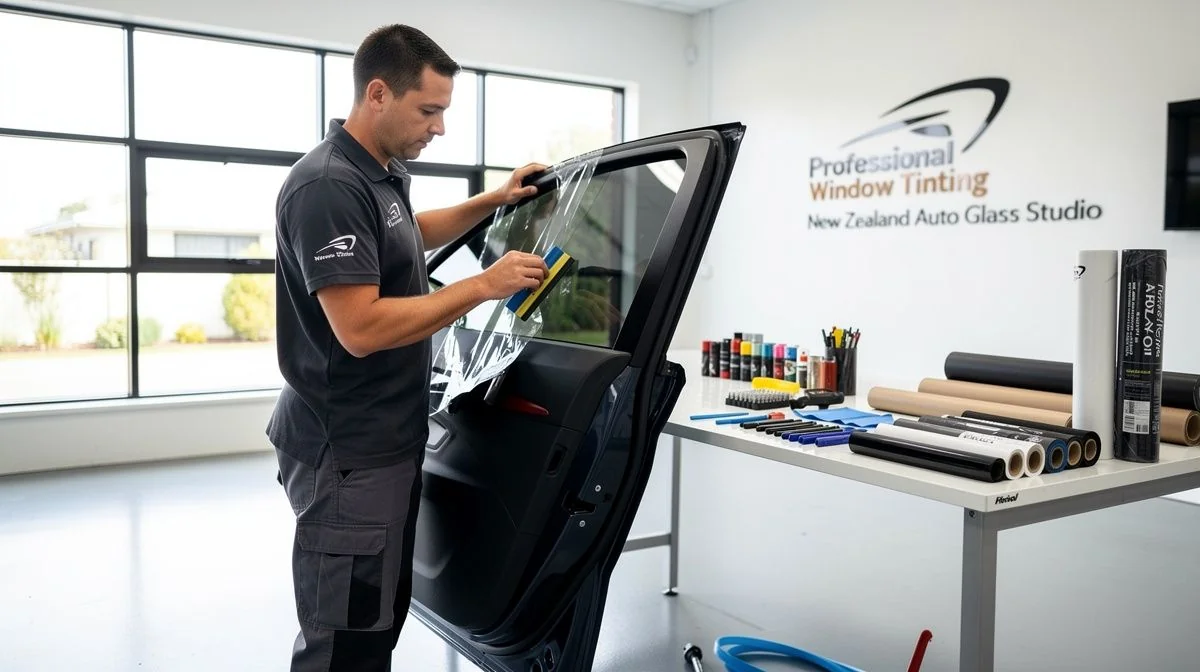
What a Window Tinting Specialist Does and Why You Might Need One
Window tinting specialists apply a thin, durable film to glass surfaces. In New Zealand, this service covers everything from residential homes and commercial offices to cars, boats, and retail storefronts. The film can reduce heat gain, block harmful UV rays, improve privacy, enhance security by holding shattered glass together, and reduce glare.
You might need a window tinting specialist if your home gets uncomfortably hot in summer, if you want to protect furniture or curtains from fading, if you’re fitting out a new office with better thermal performance, or if you own a vehicle where the factory glass doesn’t provide enough sun protection. Many Kiwi homeowners also choose tinting to increase privacy in street-facing rooms without losing natural light. Safety and security films – often thicker than standard solar films – can also help prevent glass from breaking into dangerous shards during earthquakes or break-in attempts.
Qualifications, Certifications, and Industry Bodies in NZ
Unlike electricians or plumbers, window tinting is not a government-licensed trade in New Zealand. There is no single mandatory qualification that all tinting specialists must hold. However, reputable professionals often pursue voluntary certifications and belong to industry bodies that set standards for workmanship and ethics.
The most recognised industry body is the Window Film Association of New Zealand (WFANZ). WFANZ members agree to follow a code of practice, use quality films that meet Australian/New Zealand standards, and provide warranties. Checking if a tinting specialist is a WFANZ member is a solid first step. Another relevant organisation is the New Zealand Glass and Glazing Association (NZGGA), which represents the broader glass industry and provides best-practice guidance for safety and security glass treatments.
For automotive tinting, the specialist must comply with rules set by the NZ Transport Agency (NZTA) regarding visible light transmission (VLT). Windscreens must allow at least 70% light through; front side windows must allow at least 35% light (if tinted, there are specific requirements depending on the vehicle’s year of manufacture). A qualified automotive tinting professional will know these limits and be able to advise you accordingly.
Manufacturer certifications also matter. Top film brands such as 3M, Sun-Gard, Llumar, and Avery Dennison run training programmes for installers. A “factory-trained installer” or “premier dealer” has completed the manufacturer’s course and often gets access to better warranties, including lifetime warranty on the film itself. Many New Zealand specialists proudly display these logos on their websites or vans.
For residential and commercial work, the relevant product standard is AS/NZS 4859.1:2002 – Materials for the thermal insulation of buildings, which covers window film thermal performance. While not mandatory, a specialist who references this standard shows they understand the technical side of what they’re installing.
How to Choose and Vet a Window Tinting Specialist
Because there’s no one-size-fits-all licence, you need to do a bit of homework before hiring. Start by gathering at least three quotes from different specialists. During this process, ask the following questions:
- Are you a member of WFANZ or NZGGA? Membership indicates a commitment to industry standards.
- What film brands do you use, and what warranty do they carry? Look for manufacturer warranties of at least 10 years on film, and an installation warranty of 5 years or more.
- Do you have public liability insurance and a warranty on workmanship? Any professional should carry insurance and offer a written guarantee.
- Can you provide references or photos of similar past jobs? Look for examples of the type of tinting you need (residential, commercial, or automotive).
- For cars, do you comply with NZTA VLT requirements? The specialist should be able to tell you the exact VLT percentage for your vehicle.
- How long have you been in business? Experience matters – ask for years in the trade and types of projects completed.
You can also check consumer review sites, ask neighbours or friends, and look for any formal complaints filed with the Disputes Tribunal or the Commerce Commission (though rare for this trade). Trust your gut: if a specialist cannot clearly answer your questions about standards and warranties, move on.
Typical Costs and Pricing in NZ
Window tinting costs vary widely based on the type of film, the size and number of windows, the complexity of access, and the installer’s skill level. Here’s a rough guide for New Zealand:
- Residential window tinting: $50 to $150 per square metre for standard solar film. High-performance films (ceramic, dual reflective) can cost $80 to $200 per square metre. A typical three-bedroom home with 20–30 square metres of glass might cost $1,000 to $3,500.
- Commercial window tinting: Often priced per square metre too, with rates from $60 to $180 depending on film specification and building height (taller buildings may need scaffolding or cherry pickers, adding cost).
- Automotive window tinting: Complete car tinting typically ranges from $300 to $800 for a standard sedan, $400 to $1,000 for an SUV or van. High-end ceramic films push prices higher.
Factors that affect price include: film grade (basic dyed vs. advanced ceramic), number of windows, access difficulty (second-storey windows, sloped skylights), and whether the job requires removing old, failing film first (an extra $5–$15 per square metre). Always ask for a written breakdown of what’s included: film, labour, warranty, and any disposal fees.
For commercial buildings, you might also consider energy savings: window film can reduce heat gain by up to 80%, potentially lowering air conditioning bills – a big factor for office spaces or retail shops with large glass fronts.
Red Flags and What to Avoid
Watch out for these warning signs when hiring a window tinting specialist in New Zealand:
- No written warranty or vague promises. If the installer says “guarantee” but refuses to put it in writing, walk away.
- Pressure to pay a deposit upfront or pay cash only. Reputable specialists usually ask for a small deposit (10–20%) and accept credit card or bank transfer.
- Unable to show proof of insurance – any accident on your property could leave you liable.
- No knowledge of NZTA rules – if an automotive tinting specialist doesn’t mention VLT limits, they may be inexperienced or cutting corners.
- Using “off-brand” or unmarked film. Stick to well-known brands with NZ distributors. Film with no brand name often performs poorly and may bubble or peel quickly.
- Quotes that seem too cheap – very low prices often mean low-grade film, poor workmanship, or lack of insurance. You get what you pay for.
- No physical business address or showroom – a van-based operator with no fixed location is riskier to hold accountable if something goes wrong.
Also be cautious of any specialist who tells you to ignore NZTA rules for cars. Not only is it unsafe, but it can lead to fines (up to $1,000) and a failed warrant of fitness (WoF). Always insist on legal tinting.
Tips for Getting the Best Results
To ensure your window tinting job looks great and lasts, follow these practical tips:
- Get detailed quotes in writing – include film brand, warranty terms, estimated timeline, and payment schedule.
- Choose the right film for your need – solar control films are different from security films and decorative frosted films. Ask the specialist to explain the options and show you samples.
- Ask about aftercare – how long to wait before cleaning (typically 7–14 days), what cleaning products to use (ammonia-free), and how to avoid scratches.
- Inspect the installation – look for bubbles, dust specks, gaps at edges, and uneven colour. Most minor issues settle within a few days. If not, the installation is faulty.
- Check the film’s performance – after a week, test the heat reduction by feeling the window in sunlight. If the tint doesn’t seem effective, contact the installer.
- Keep installation paperwork – store the receipt, warranty certificates, manufacturer details, and any care instructions in a safe place. This helps with future claims or resale.
For commercial projects, consider a maintenance plan: UV exposure and temperature changes can affect film over time. Some specialists offer periodic inspections for a small fee.

The ValueHub Team built this site because finding clear, unbiased financial information in New Zealand was harder than it should be. Every guide is based on real research — we compare the actual fees, terms, and fine print so you don't have to. Our tip: shop around every year, read the policy docs, and never assume loyalty gets you the best deal.— The ValueHub Team
Try our Calculators
Use these free tools to crunch the numbers:
KiwiSaver Fund Comparison
Compare fees, returns, and risk levels across every KiwiSaver fund from all 31 NZ providers.
Currency Converter — USD to NZD
Convert US Dollars to New Zealand Dollars instantly. See the latest exchange rate and 30-day trend.
Mortgage Repayment Calculator
Calculate your weekly, fortnightly, or monthly mortgage repayments. Free NZ mortgage calculator — try different rates, terms, and repayment frequencies.
Compound Interest Calculator
See how your savings grow with compound interest over time. Free NZ compound interest calculator with yearly, monthly, and weekly compounding options.
Term Deposit Calculator
Calculate your term deposit returns before you lock in. Compare interest earned across different terms and rates with ValueHub's free calculator.
Savings Goal Calculator
Calculate how long it will take to reach your savings goal — and what monthly deposit you need to get there. Free NZ savings planner.
Related Articles
House Washing Services in NZ: Complete Guide
Hiring a house washer in NZ? Learn about soft wash vs pressure wash, qualifications, pricing, red flags, and tips. Expert...
guideWhen to Hire an Accountant for Your Personal...
Wondering when to hire an accountant for personal finances in NZ? Discover key triggers like rental property or self-employment.