House Painting Costs in New Zealand
Published 4 February 2026 · Updated 28 June 2026
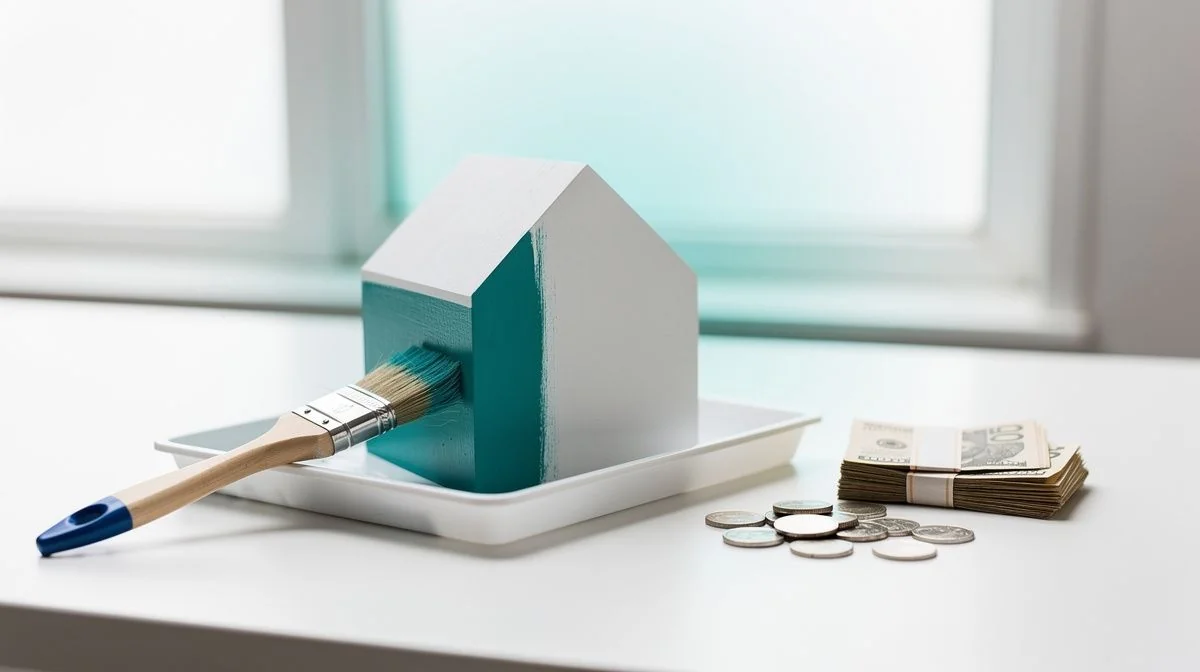
House Painting Costs in New Zealand
How to Budget for House Painting in New Zealand: A Complete Cost Guide
Painting your house is one of the most cost-effective ways to improve its appearance and protect it from New Zealand’s harsh weather. But costs can vary widely depending on your home’s size, location, and the finish you choose. This guide walks you through everything you need to know about house painting costs in New Zealand — from estimating your budget to choosing the right painter.
Whether you’re prepping a property for sale, giving your family home a refresh, or tackling a rental, understanding the costs upfront helps you plan and avoid surprises.
ValueHub's Trusted Providers
We've researched the providers below — here are our picks for this category.
House Painting, Roof Painting, Roof Repairs, Waterblasting, Moss Treatments, Gutter Cleaning & Tree Services & Stump Removal. Services that are essential home maintenance tasks that can help to protect and enhance your property. Give your home a facelift. A fresh coat of paint can transform your home. Improved value, road appeal & longevity.
Step 1: Understand What Influences House Painting Costs
Several factors affect the final price of a paint job. Knowing them helps you get accurate quotes and avoid overpaying.
- House size and number of storeys — Larger homes and two-storey properties require more paint, labour, and equipment (like scaffolding).
- Surface condition — Old, peeling paint or weather-damaged cladding needs extra prep work, which adds to the cost.
- Paint quality — Premium paints cost more upfront but last longer and need fewer coats.
- Location — Painters in Auckland, Wellington, and Christchurch often charge more due to higher living and business costs.
- Accessibility — Hard-to-reach areas, steep sections, or homes with lots of eaves and corners increase labour time.
- Time of year — Spring and summer are peak seasons; you may pay a premium or wait longer for availability.
Step 2: Get a Rough Estimate for Your Property
While exact prices vary, the following ranges give you a ballpark idea based on typical New Zealand homes. Always check with providers for current quotes.
| House Type | Exterior (approx.) | Interior (approx.) | Both (approx.) |
|---|---|---|---|
| Small 2-bedroom (80–100m²) | $3,000–$6,000 | $2,500–$5,000 | $5,000–$10,000 |
| Medium 3-bedroom (120–150m²) | $5,000–$8,000 | $3,500–$7,000 | $8,000–$14,000 |
| Large 4-bedroom (180+m²) | $7,000–$12,000 | $5,000–$9,000 | $12,000–$20,000 |
These figures include labour, paint, and basic prep. Major repairs, multiple colours, or premium finishes will push costs higher.
Step 3: Decide Between DIY and Hiring a Professional
DIY Painting
If you’re handy and have time, DIY can save you 50–70% on labour. You’ll still pay for paint, brushes, rollers, drop cloths, and safety gear. For a small house, expect to spend $500–$1,500 on materials.
However, DIY has downsides. Poor prep or application can lead to peeling within months. You also need to manage scaffolding or ladders safely — falls are a real risk. Plus, if you’re selling, a professional finish often adds more value than a DIY job.
Professional Painting
Hiring a licensed painter gives you peace of mind. They handle prep, use commercial-grade gear, and guarantee their work. Most reputable painters in New Zealand are members of the Master Painters Association, which offers a 5-year workmanship warranty.
Professional costs include:
- Labour (60–70% of total)
- Paint and materials (20–30%)
- Travel and disposal fees (5–10%)
Step 4: Get and Compare Quotes
Always get at least three written quotes from different painters. A good quote should include:
- A breakdown of labour, materials, and any extras
- The type and brand of paint to be used
- Prep work details (sanding, filling, priming)
- Number of coats
- Estimated start and finish dates
- Payment terms and warranty information
Be wary of quotes that are significantly lower than others — they may cut corners or use cheap paint. Similarly, very high quotes don’t always mean better quality.
Key Concepts to Know
Paint types and finishes
- Low-sheen/eggshell — Good for interior walls; hides imperfections
- Semi-gloss — Durable and washable; ideal for kitchens, bathrooms, and trim
- Gloss — Very durable; used for doors and exterior features
- Weathertight paint systems — For exterior wood or fibre-cement cladding; often includes a sealer
Prep work matters
Proper preparation — cleaning, sanding, filling cracks, and priming — can account for 40% of the total job time. Skipping it leads to poor adhesion and early failure. A good painter will never skip this step.
Warranties and guarantees
Master Painters Association members offer a 5-year workmanship guarantee. Independent painters may offer 1–3 years. Always get the warranty in writing.
Tips to Save Money on House Painting
- Paint in off-peak seasons — Autumn and winter often have lower demand and better rates.
- Do your own prep — If you’re comfortable, clean walls, remove loose paint, and cover furniture yourself. But don’t compromise on safety.
- Choose neutral colours — Custom colours cost more and are harder to sell if you list the property.
- Bundle interior and exterior — Many painters offer a discount if you do both at the same time.
- Ask about paint leftovers — Some painters can use leftover paint from other jobs for small areas at a reduced cost.
Final Verdict on House Painting Costs
Painting your home is a worthwhile investment that boosts curb appeal, protects your property, and can increase resale value. For most homeowners, hiring a professional is the safest bet — especially for exteriors or large interiors. But if you’re on a tight budget and have the skills, DIY can work for smaller projects.
Remember: the cheapest quote isn’t always the best. Focus on value — a high-quality paint job lasts 7–10 years, while a cheap one may need redoing in 2–3 years.

The ValueHub Team built this site because finding clear, unbiased financial information in New Zealand was harder than it should be. Every guide is based on real research — we compare the actual fees, terms, and fine print so you don't have to. Our tip: shop around every year, read the policy docs, and never assume loyalty gets you the best deal.— The ValueHub Team
Try our Calculators
Use these free tools to crunch the numbers:
PAYE Calculator
Calculate your take-home pay after PAYE tax, ACC, KiwiSaver, and student loan deductions.
Compound Interest Calculator
See how your savings grow with compound interest over time. Free NZ compound interest calculator with yearly, monthly, and weekly compounding options.
Mortgage Repayment Calculator
Calculate your weekly, fortnightly, or monthly mortgage repayments. Free NZ mortgage calculator — try different rates, terms, and repayment frequencies.
Term Deposit Calculator
Calculate your term deposit returns before you lock in. Compare interest earned across different terms and rates with ValueHub's free calculator.
Savings Goal Calculator
Calculate how long it will take to reach your savings goal — and what monthly deposit you need to get there. Free NZ savings planner.
Credit Card Repayment Calculator
See how long it really takes to pay off your credit card — and how much interest you could save by paying more each month. Free NZ calculator.
Related Articles
Justices of the Peace in NZ
Need a document witnessed in NZ? Learn what JPs do, when you need one, and where to find free services for passports, declarations, and more.
guideConveyancers in NZ — What They Do vs a Property Lawyer
Licensed conveyancer vs property lawyer in NZ: cost, scope, and when to choose each for your home purchase or sale.
guideMigration Advisers in NZ — A Guide for New Migrants
Learn how licensed migration advisers can simplify your New Zealand visa application, save time, and boost approval chances with expert guidance.
guideSecurity Guards in NZ
Learn when to hire a security guard in NZ, from construction sites to events, with tips on licensing and what they do.