How to Choose a Landscaper in New Zealand
Published 5 February 2026 · Updated 28 June 2026
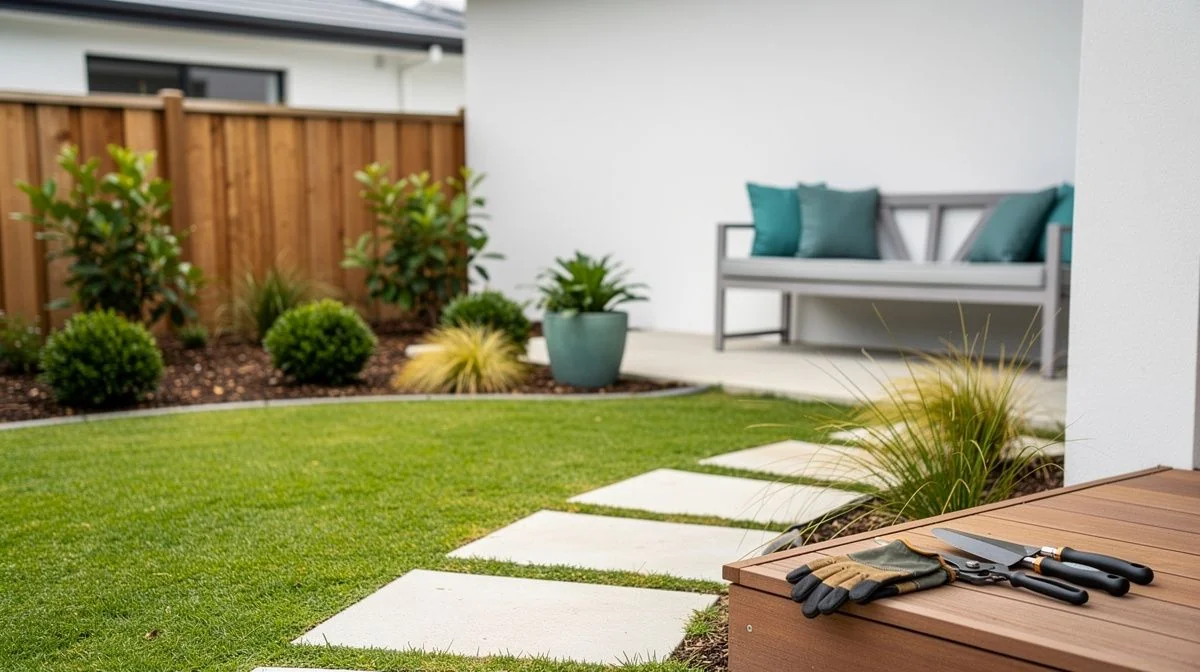
How to Choose a Landscaper in New Zealand
Your outdoor space is an extension of your home. Whether you want a low-maintenance garden, a full outdoor entertaining area, or something to boost your property value before selling, choosing the right landscaper is critical. A poor landscaping job can be costly to fix, while a great one adds real value to your property.
This step-by-step guide will help you navigate the process of finding and hiring a qualified landscaper in New Zealand. We’ll cover what to look for, what questions to ask, and how to avoid common pitfalls.
Step 1: Define Your Project Scope
Before you start contacting landscapers, get clear on what you want. This saves everyone time and helps you compare quotes fairly.
- List your needs: Do you need a complete garden redesign, simple planting, hardscaping (paths, patios, retaining walls), or just lawn care?
- Set a budget range: Landscaping costs vary widely. A small garden makeover might cost $5,000–$15,000, while a full section with paving, decks, and planting can exceed $50,000. Check with providers for accurate pricing.
- Consider your timeline: Are you in a hurry, or can you wait for the right person? Good landscapers often book weeks or months ahead.
- Think about long-term maintenance: A high-maintenance garden might not suit your lifestyle. Discuss this with potential landscapers.
Step 2: Understand the Types of Landscapers
Not all landscapers offer the same services. In New Zealand, you’ll typically find these categories:
| Type | What they do | Best for |
|---|---|---|
| Landscape Architects | Design-only professionals. They create detailed plans, often for complex sites. They usually have a university degree and are registered with the New Zealand Institute of Landscape Architects (NZILA). | Large or challenging properties, or when you need a comprehensive design before hiring a contractor. |
| Landscape Designers | Design-focused but may also oversee installation. Qualifications vary – some have diplomas, others learn on the job. | Mid-sized projects where you want a creative plan but don’t need full architectural input. |
| Landscape Contractors | Build and install the design. They handle hardscaping, planting, irrigation, and turf. Many are members of the New Zealand Landscape Contractors Association (NZLCA). | Projects where you already have a design, or you want a one-stop shop that handles both design and build. |
| Garden Maintenance Services | Ongoing care – mowing, pruning, weeding, fertilising. | Existing gardens that need regular upkeep, not a full renovation. |
Step 3: Research and Shortlist Candidates
Start your search using these channels:
- NZLCA website – The New Zealand Landscape Contractors Association maintains a directory of accredited members. This is a reliable starting point.
- Local Facebook community groups – Search for recommendations in your suburb or town. Ask for photos of completed work.
- Trade platforms like Builderscrack or NoCowboys – These let you post your job and receive quotes from verified tradespeople.
- Word of mouth – Ask neighbours, friends, or your local garden centre for referrals.
Shortlist 3–4 landscapers. Check their online presence – do they have a portfolio of recent work? Do they specialise in the type of project you have?
Step 4: Verify Credentials and Insurance
In New Zealand, landscaping is not a licensed trade, so anyone can call themselves a landscaper. That’s why due diligence is essential.
- Check for NZLCA membership – This means they follow a code of ethics and have access to training and dispute resolution.
- Ask about qualifications – Do they have a landscape design certificate (e.g., from Unitec, Otago Polytechnic, or Lincoln University)?
- Confirm insurance – They must have public liability insurance (at least $1 million) and, if they have employees, ACC cover. Ask for a certificate of insurance.
- Request references – Contact at least two recent clients. Ask about the quality of work, timeliness, budget adherence, and communication.
Step 5: Get Detailed Quotes
Request written quotes from your shortlisted landscapers. Avoid vague estimates – you want a clear breakdown.
What a good quote should include:
- Scope of work (materials, labour, plant supply, any subcontractors like electricians or plumbers)
- Payment schedule (deposit, milestone payments, final payment)
- Timeline (start and estimated completion dates)
- Warranty or guarantee on workmanship (typically 12 months for plants, longer for hardscaping)
- GST – all quotes should state whether GST is included or excluded
Be wary of quotes that are significantly lower than others. They may cut corners on materials, skip insurance, or lack experience. Conversely, the highest quote isn’t always the best – but it often reflects higher quality materials or more experienced staff.
Step 6: Ask the Right Questions
When you meet potential landscapers, ask these questions:
- “How many similar projects have you completed?” – Look for relevant experience.
- “Who will be on site each day?” – Will it be the owner or a subcontractor? Subbies can be fine, but you want to know who to hold accountable.
- “How do you handle unexpected issues?” – For example, discovering poor drainage or underground pipes. A good landscaper should have a process.
- “Can you provide a written contract?” – A contract protects both parties. It should include the quote, timeline, payment terms, and dispute resolution process.
- “What happens if the project runs over time or budget?” – Clarify how variations are handled.
Step 7: Understand Payment and Contracts
Most landscapers ask for a deposit (usually 10–30%) to secure materials and start work. Never pay the full amount upfront. A common payment structure is:
- Deposit: 10–30% on signing
- Progress payments: 30–40% at key milestones (e.g., after excavation, after hardscaping)
- Final payment: 30–40% on completion and your sign-off
Make sure the contract includes a process for handling changes. If you decide to add a feature mid-project, you should receive a written variation with the cost and time impact before work continues.
Key Concepts to Know
Hardscaping vs Softscaping
Hardscaping refers to non-living elements like patios, paths, retaining walls, decks, and fences. Softscaping covers plants, soil, mulch, and turf. A good landscaper should be skilled in both, or have reliable subcontractors for hardscaping.
Consent and Compliance
Some landscaping work requires building consent from your local council. For example, retaining walls over 1.5 metres, decks over 1 metre high, or changes to drainage. Your landscaper should advise you on this. Never proceed without the necessary consents – it can cause problems when you sell your property.
Plant Selection for NZ Climates
New Zealand has diverse climates, from subtropical Northland to cold Central Otago. A good landscaper will recommend plants suited to your region, soil type, and sun exposure. Native plants are often a smart choice – they’re low-maintenance and support local biodiversity.
Tips for a Successful Landscaping Project
- Visit completed projects – Ask your shortlisted landscaper if you can see a recent job in person, not just photos.
- Communicate clearly – Share your vision with photos, sketches, or a Pinterest board. The more detail you provide, the better the result.
- Plan for the seasons – Spring and autumn are ideal for planting. Summer is good for hardscaping. Winter can be tricky for wet ground.
- Think about resale value – A well-designed garden can add 5–15% to your property value. Focus on curb appeal and functional outdoor living spaces.
- Get everything in writing – Quotes, contracts, variations, and completion sign-off. This protects you if disputes arise.
Final Verdict
Choosing a landscaper in New Zealand comes down to preparation and due diligence. Define your project, research thoroughly, verify credentials, and get detailed quotes. Don’t rush the decision – a great landscaper will deliver a result that enhances your home and lifestyle for years to come.
Remember, the cheapest quote is rarely the best value. Look for experience, clear communication, and a solid contract. A well-executed landscape project can transform your property and even boost its market value.

The ValueHub Team built this site because finding clear, unbiased financial information in New Zealand was harder than it should be. Every guide is based on real research — we compare the actual fees, terms, and fine print so you don't have to. Our tip: shop around every year, read the policy docs, and never assume loyalty gets you the best deal.— The ValueHub Team
Try our Calculators
Use these free tools to crunch the numbers:
PAYE Calculator
Calculate your take-home pay after PAYE tax, ACC, KiwiSaver, and student loan deductions.
Compound Interest Calculator
See how your savings grow with compound interest over time. Free NZ compound interest calculator with yearly, monthly, and weekly compounding options.
Mortgage Repayment Calculator
Calculate your weekly, fortnightly, or monthly mortgage repayments. Free NZ mortgage calculator — try different rates, terms, and repayment frequencies.
Term Deposit Calculator
Calculate your term deposit returns before you lock in. Compare interest earned across different terms and rates with ValueHub's free calculator.
Savings Goal Calculator
Calculate how long it will take to reach your savings goal — and what monthly deposit you need to get there. Free NZ savings planner.
Credit Card Repayment Calculator
See how long it really takes to pay off your credit card — and how much interest you could save by paying more each month. Free NZ calculator.
Related Articles
Justices of the Peace in NZ
Need a document witnessed in NZ? Learn what JPs do, when you need one, and where to find free services for passports, declarations, and more.
guideConveyancers in NZ — What They Do vs a Property Lawyer
Licensed conveyancer vs property lawyer in NZ: cost, scope, and when to choose each for your home purchase or sale.
guideMigration Advisers in NZ — A Guide for New Migrants
Learn how licensed migration advisers can simplify your New Zealand visa application, save time, and boost approval chances with expert guidance.
guideSecurity Guards in NZ
Learn when to hire a security guard in NZ, from construction sites to events, with tips on licensing and what they do.