Best Arborists in Feilding
Published 08 January 2025 · Updated 18 August 2026
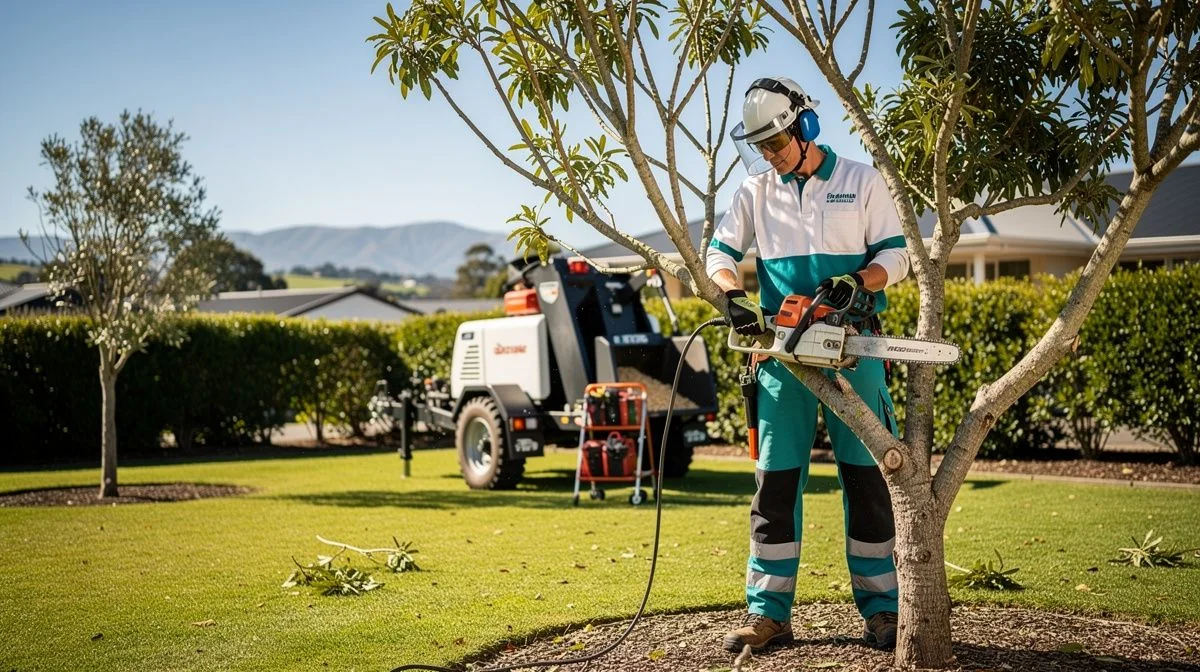
Best Arborists in Feilding
If you've got trees on your Feilding property that need attention — whether it's pruning, removal, or general care — finding the right arborist makes all the difference. Feilding is known for its leafy streets and green spaces, so keeping your trees healthy and safe is a priority for many homeowners and businesses around the Manawatū-Whanganui region.
The challenge is knowing who to trust with your trees. A good arborist doesn't just cut branches — they understand tree biology, safety procedures, and local council rules. This guide will help you find a qualified professional in Feilding who can get the job done properly.
What to Look for When Hiring an Arborist in Feilding
Not everyone with a chainsaw and a ute is a professional arborist. Here's what separates the real experts from the rest.
Qualified and Certified
A professional arborist should hold relevant qualifications from recognised industry bodies. In New Zealand, look for someone with a New Zealand Certificate in Horticulture (Arboriculture) or similar credentials. Membership with organisations like the New Zealand Arboricultural Association (NZAA) is another good sign. Ask about their training and whether they keep up with ongoing professional development.
Check with your local council for current requirements around tree work in Feilding. Some trees may be protected, and removing or pruning them could need a resource consent.
Insurance Cover
Tree work is risky business. Branches can fall on buildings, vehicles, or people. A reputable arborist will carry public liability insurance and accident cover for their workers. Always ask to see proof of insurance before any work begins. If something goes wrong, you don't want to be left out of pocket.
Local Knowledge
An arborist who knows Feilding and the wider Manawatū-Whanganui area will understand the local climate, soil conditions, and common tree species. They'll also be familiar with council regulations about tree protection and removal. That local insight is invaluable when planning work on your property.
Safety Practices
Arboriculture is one of the most dangerous trades. Look for an arborist who follows strict safety protocols — wearing appropriate personal protective equipment (PPE), using proper rigging and climbing techniques, and having a clear plan for the job. A safety-conscious professional will also have a clean health and safety record.
Written Quotes and Contracts
Get everything in writing. A professional arborist will provide a detailed written quote outlining the scope of work, timeline, and costs. They should also offer a contract with clear terms and conditions. Avoid anyone who only gives verbal quotes or asks for cash up front.
Key Questions to Ask Before Hiring
Before you commit to an arborist, ask these questions. Their answers will tell you a lot about their experience and professionalism.
- Are you qualified and insured? — Ask for proof of both. Don't be shy about it.
- Do you have experience with this type of tree? — Different species need different care. Make sure they know what they're dealing with.
- What equipment will you use? — A professional will have proper gear, including safety equipment and specialised tools for the job.
- Will you remove all debris and clean up? — Some arborists include full cleanup in their price, others charge extra. Clarify this upfront.
- Do you follow NZS 3004:2010 standards? — This is the New Zealand standard for arboriculture. A good arborist will know it.
- Can you provide references or examples of past work? — A reputable arborist will be happy to share testimonials or show you photos.
- What happens if there's damage to my property? — Ask about their process for handling accidental damage.
- Do you need a permit for this work? — They should be able to advise you on council consent requirements.
Tips for Getting the Best Results
Your relationship with your arborist doesn't end when they pack up their gear. Here's how to make sure you get the best outcome.
Plan Ahead
Tree work is often seasonal. Spring and autumn are busy times for arborists in Feilding, so book well in advance if you can. If you're dealing with an emergency — like a storm-damaged tree — it pays to have a trusted arborist's contact details saved.
Communicate Clearly
Tell your arborist exactly what you want. Do you want a light prune to shape the tree, or a heavy reduction to reduce risk? Do you want the stump ground out or left? Be specific about your expectations. A good arborist will listen and advise you on what's realistic and safe for the tree.
Think Long-Term
Tree care isn't a one-off job. Regular maintenance keeps trees healthy, safe, and looking good. Ask your arborist about a care plan for your trees over the next few years. They can advise on pruning schedules, pest control, and fertilising if needed.
Protect Your Property
Before work starts, move any outdoor furniture, vehicles, or fragile plants out of the way. Clear the area so the arborist has good access. This reduces the risk of damage and speeds up the job.
Know Your Trees
Take some time to learn about the trees on your property. Knowing the species, age, and health of your trees helps you understand the advice your arborist gives you. You'll be able to make informed decisions together.
A Note About Costs and Getting Quotes
Tree work costs vary depending on the job size, tree species, location, and difficulty. A simple prune of a small tree might cost a few hundred dollars, while removing a large, difficult-to-access tree could run into the thousands.
In Feilding, costs typically range from around $200 to $800 for standard pruning work on an average-sized tree. Tree removal can cost anywhere from $500 to $2,500 or more, depending on the tree's height, trunk diameter, and proximity to buildings or power lines. Stump grinding is usually charged separately.
Always get at least three written quotes from different arborists. This gives you a good sense of the market rate and helps you spot any outliers. Be wary of quotes that are significantly lower than the others — they may cut corners on safety or insurance.
Ask for a detailed breakdown of costs. A transparent quote should list labour, equipment, disposal fees, and any additional charges. Some arborists charge a flat rate for the job, while others bill by the hour. Make sure you know which method they use.
Payment terms vary too. Many arborists ask for a deposit (often around 10-20%) and the balance on completion. Avoid paying the full amount upfront. A reputable professional won't ask for full payment before starting work.
Finally, remember that the cheapest quote isn't always the best value. A qualified, insured, and experienced arborist may charge more, but they'll also do a safer and more professional job. Your trees are an investment — it's worth getting the work done properly.
Feilding has plenty of skilled arborists who can help you look after your trees. Take your time, ask the right questions, and choose someone you feel comfortable working with. Your trees — and your property — will thank you.

The ValueHub Team built this site because finding clear, unbiased financial information in New Zealand was harder than it should be. Every guide is based on real research — we compare the actual fees, terms, and fine print so you don't have to. Our tip: shop around every year, read the policy docs, and never assume loyalty gets you the best deal.— The ValueHub Team
Try our Calculators
Use these free tools to crunch the numbers:
KiwiSaver Fund Comparison
Compare fees, returns, and risk levels across every KiwiSaver fund from all 31 NZ providers.
Currency Converter — USD to NZD
Convert US Dollars to New Zealand Dollars instantly. See the latest exchange rate and 30-day trend.
Mortgage Repayment Calculator
Calculate your weekly, fortnightly, or monthly mortgage repayments. Free NZ mortgage calculator — try different rates, terms, and repayment frequencies.
Compound Interest Calculator
See how your savings grow with compound interest over time. Free NZ compound interest calculator with yearly, monthly, and weekly compounding options.
Term Deposit Calculator
Calculate your term deposit returns before you lock in. Compare interest earned across different terms and rates with ValueHub's free calculator.
Savings Goal Calculator
Calculate how long it will take to reach your savings goal — and what monthly deposit you need to get there. Free NZ savings planner.
Arborists in Other Cities
Latest Guides & Reviews
New Zealand Financial Markets Authority Guide: Investor Protection in NZ
Protect your investments with this practical guide to the FMA — how to check licences, spot scams, and what to do if a provider fails. Verified against...
comparisonEV Home Charger NZ: Costs & Buying Guide
Compare EV home charger costs in NZ — verified prices from $1,299, installation fees, smart features, and what actually matters for your home's power supply.
guideThe Most Popular EVs in New Zealand
The best-selling electric cars in New Zealand, ranked by official registration data. Top BEV and PHEV models and brands, updated monthly.
guideEV Market Stats
New Zealand's EV market in numbers — market share, fleet size, top-selling models and used imports, updated with the latest NZTA and MIA data.