Best Arborists in Porirua
Published 7 January 2025 · Updated 30 June 2026
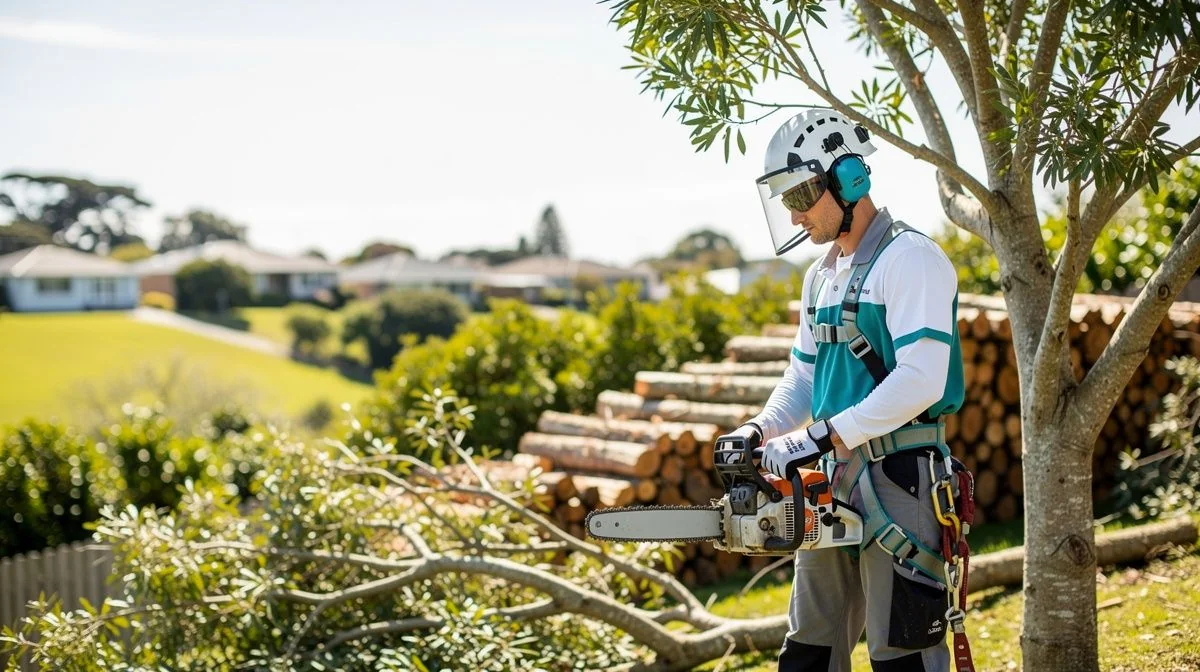
Best Arborists in Porirua
Finding a reliable arborist in Porirua isn’t just about keeping your trees tidy — it’s about protecting your property, your family, and the beautiful natural landscape we’re lucky to have around here. Whether you live near the harbour, up in Whitby, or out towards Pāuatahanui, your trees face a mix of strong coastal winds, clay soils, and the odd southerly blast. That means tree work needs someone who knows local conditions and has the right gear and qualifications.
Porirua City Council has rules around tree removal and pruning, especially for native species and trees with significant amenity value. So before you hire anyone, it pays to make sure you’re working with an arborist who understands local regulations and can guide you through any consent requirements.
This page covers what to look for, questions to ask, and how to get the best results — whether you need a dead branch removed or a full canopy reduction.
What to Look for When Hiring an Arborist in Porirua
Not everyone with a chainsaw and a ute is a qualified arborist. There are a few key things to check before you hand over your trees — and your cash.
Qualifications and Certification
Look for a New Zealand Certificate in Arboriculture (Level 4 or higher). Membership of the New Zealand Arboricultural Association (NZ Arb) is also a strong sign of professionalism. Many reputable arborists hold current NZQA unit standards for tree climbing, aerial rescue, and chainsaw use.
Insurance
Any arborist working on your property should have public liability insurance and, ideally, accident insurance for their crew. Tree work involves heights, heavy branches, and power lines — if something goes wrong, you don’t want to be left with the bill. Ask for a copy of their certificate before work starts.
Local Knowledge
Porirua has a mix of native bush, exotic plantings, and coastal vegetation. An arborist who knows the area will recognise species like pōhutukawa, kōwhai, or rewarewa, and understand how they respond to pruning or removal. They’ll also be familiar with typical wind damage, root issues in clay soils, and council requirements for protected trees.
Safety Practices
Does the crew wear personal protective equipment (PPE)? Do they have a site safety plan? Are they trained in first aid? Good arborists take safety seriously — they should be able to show you their procedures without hesitation.
Equipment and Clean-Up
A professional arborist brings their own gear: ropes, harnesses, chippers, stump grinders. They should also leave your property tidy — no leftover branches, sawdust piles, or tyre marks on the lawn. Ask whether clean-up is included in the quote.
References and Reviews
Ask for at least two recent references from Porirua jobs. You can also check Facebook community groups or Neighbourly — locals often recommend arborists they’ve been happy with. Be wary of anyone who can’t provide recent references or has only poor reviews online.
Key Questions to Ask Before Hiring
Before you commit to an arborist, have these questions ready. They’ll help you separate the pros from the cowboys.
- Do you hold current public liability insurance? Ask for a copy if they can’t show you, walk away.
- What qualifications do you and your crew have? Level 4 Arboriculture is the minimum to look for.
- Will you provide a written quote? Verbal quotes are not reliable — get everything in writing, including scope of work, timeline, and clean-up details.
- Do you have experience with the specific tree species on my property? Native trees, fruit trees, and exotic species all need different approaches.
- Will you handle council consent if needed? Some arborists will apply for permission on your behalf; others expect you to sort it. Clarify this upfront.
- How will you protect my garden and lawn during the job? Heavy equipment and falling branches can cause damage — a good arborist takes precautions.
- What happens if it rains or gets too windy? Tree work should stop during high winds or persistent rain. A professional will have a contingency plan.
- Is stump removal included? If you want the stump ground out, make sure it’s listed in the quote. Not all quotes include this.
- Can you guarantee your work? Many arborists offer a 12-month warranty on pruning work, especially for tree health.
Tips for Getting the Best Results
Even a great arborist can only do so much if the context isn’t right. Here’s how to set yourself up for success.
Think About the Long Term
Pruning isn’t just about making a tree look nice. Proper formative pruning can set a tree up for decades of healthy growth. Avoid topping (cutting off the crown) — it weakens the tree and creates dangerous regrowth. A good arborist will explain the best approach for your tree’s structure and location.
Know Your Goals
Are you trying to let more light into the backyard? Reduce wind load on a large macrocarpa? Remove a dead branch over the driveway? Be clear with the arborist about your priorities. That way they can focus their work on what matters most to you.
Check Council Rules Early
Porirua City Council has a District Plan that lists significant trees, heritage trees, and rules around removal of native vegetation. If you’re planning to remove a tree — especially a large one — check with the council first. A professional arborist can advise you, but ultimately the decision is yours. Doing this early avoids fines or forced replanting.
Get Multiple Quotes
Don’t just hire the first name you find. Get at least three written quotes for significant jobs. Prices can vary a lot depending on the company’s overheads, urgency, and how busy they are. Compare apples with apples — make sure each quote covers the same scope, including clean-up and disposal.
Communicate Access Issues
If your tree is in a tricky spot — behind a fence, down a narrow driveway, or over a steep bank — tell the arborist when you’re getting the quote. Extra access requirements can affect the price and the time needed. Providing photos from your phone can help them give a more accurate estimate.
Ask About Waste Removal
Some arborists take everything away; others leave firewood or mulch on site if you want it. If you have no use for wood chips or logs, make sure the quote includes total removal. Alternatively, you could ask them to leave the arisings (branches and leaves) for your own composting — but check that they’re okay with

The ValueHub Team built this site because finding clear, unbiased financial information in New Zealand was harder than it should be. Every guide is based on real research — we compare the actual fees, terms, and fine print so you don't have to. Our tip: shop around every year, read the policy docs, and never assume loyalty gets you the best deal.— The ValueHub Team
Try our Calculators
Use these free tools to crunch the numbers:
PAYE Calculator
Calculate your take-home pay after PAYE tax, ACC, KiwiSaver, and student loan deductions.
Compound Interest Calculator
See how your savings grow with compound interest over time. Free NZ compound interest calculator with yearly, monthly, and weekly compounding options.
Mortgage Repayment Calculator
Calculate your weekly, fortnightly, or monthly mortgage repayments. Free NZ mortgage calculator — try different rates, terms, and repayment frequencies.
Term Deposit Calculator
Calculate your term deposit returns before you lock in. Compare interest earned across different terms and rates with ValueHub's free calculator.
Savings Goal Calculator
Calculate how long it will take to reach your savings goal — and what monthly deposit you need to get there. Free NZ savings planner.
Credit Card Repayment Calculator
See how long it really takes to pay off your credit card — and how much interest you could save by paying more each month. Free NZ calculator.
Arborists in Other Cities
Best Arborists in Auckland
Best Arborists in Wellington
Best Arborists in Christchurch
Best Arborists in Hamilton
Best Arborists in Tauranga
Best Arborists in Dunedin
Latest Guides & Reviews
US Dollar to NZD: A Practical Guide for Kiwis
Compare the true cost of buying USD in NZ. We reveal the fees, margins, and hidden charges banks, Wise, and airport desks add to every US dollar transfer.
reviewUnderstanding NZ Council Rates
Follow a single rates dollar from your bank account to see where it really goes and how councils set your bill.
comparisonBest Gold and Platinum Credit Cards in New Zealand
Best gold and platinum credit cards in NZ compared: when a $150 annual fee pays for itself through travel insurance and perks.
guideBest Investment Managers in New Zealand
Compare Fisher Funds, Milford, and Pie Funds in this practical guide to vetting NZ investment managers before you trust them with your money.