Best Arborists in Wairarapa
Published 08 January 2025 · Updated 18 August 2026
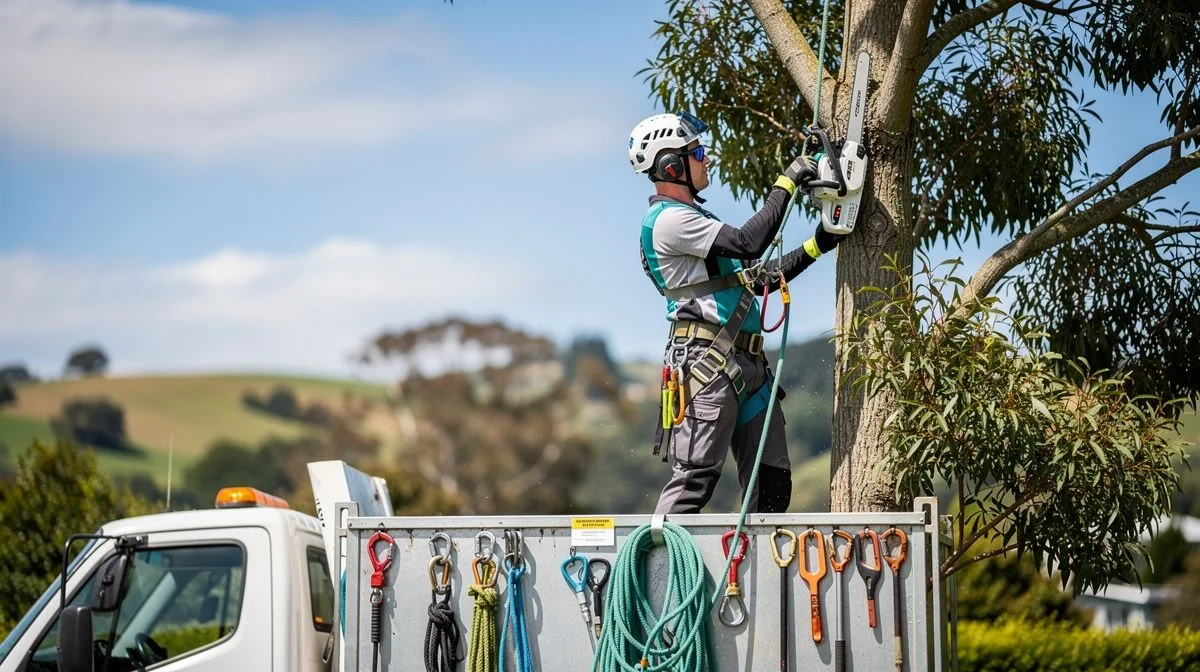
Finding a Tree Expert You Can Rely On in the Wairarapa
Whether you’re in Masterton, Carterton, Greytown, or out towards Featherston and Martinborough, the Wairarapa is known for its big skies, strong winds, and plenty of trees. From old macrocarpa shelter belts to specimen oaks and fruit trees, keeping your trees healthy and safe takes real skill.
An arborist — sometimes called a tree surgeon — is more than just someone with a chainsaw. They’re trained in tree biology, pruning techniques, safe removal, and hazard assessment. If you need a tree pruned away from power lines, a dead branch removed after a storm, or a whole tree taken down, finding a qualified arborist in the Wairarapa makes all the difference.
This page covers what to look for, what to ask, and how to get the best results — so you can hire with confidence.
What to Look for When Hiring an Arborist in Wairarapa
Not everyone who offers tree work has the right training. Here’s what separates a professional arborist from a casual operator.
Qualifications and Certification
In New Zealand, reputable arborists often hold qualifications through the New Zealand Arboricultural Association (NZAA) or have completed NZQA unit standards in arboriculture. Look for the words “certified arborist” or “qualified arborist.” Someone who can show you a certificate from an industry body has invested time learning proper techniques.
Insurance — Non-Negotiable
Tree work is inherently risky. A falling branch can damage your house, your neighbour’s fence, or injure someone. Make sure the arborist has current public liability insurance and, ideally, work injury cover. Ask to see their insurance certificate — any genuine professional will happily provide it.
Local Knowledge
The Wairarapa has its own climate and tree challenges. Strong northwesterlies can stress trees, and the region’s free-draining soils affect root systems. An arborist who works locally will know which trees are prone to wind-throw, what’s native versus invasive, and what council rules apply in your area.
Safety Practices
Watch for signs of a safety-conscious operator: they should wear personal protective equipment (PPE) like helmets, gloves, and chainsaw chaps. They should also be able to explain their risk assessment for the job, especially if there’s a risk of falling debris or working near power lines.
References and Reviews
Ask for two or three recent references from Wairarapa clients. A quick call can tell you a lot about punctuality, cleanliness, and quality of work. Online reviews on Google or local Facebook community groups can also help, but take them with a grain of salt — a few bad reviews among many good ones might still be okay.
Key Questions to Ask Before Hiring
Before you book anyone, ask these questions. A good arborist will answer clearly and without hesitation.
- “Are you fully insured and can I see your certificate?” — This should be the first question. If they dodge it, move on.
- “What arboricultural qualifications do you hold?” — Look for NZAA certification or NZQA unit standards. Even a Level 3 or 4 certificate shows proper training.
- “Do you have experience with this type of tree?” — Some trees need specialist care. A pohutukawa needs different pruning than a eucalypt or an oak.
- “Can you provide a written quote that itemises the work?” — Verbal quotes are fine for small jobs, but a written quote protects both of you.
- “Will you remove all debris and clean up afterwards?” — Unless you want the firewood or mulch, make sure the quote includes full clean-up.
- “Have you worked in the Wairarapa before, and do you know the local council rules?” — Some trees or hedges may require consent from your local council (Masterton, Carterton, or South Wairarapa). A local arborist should be able to advise.
- “Do you have a risk assessment or site-specific safety plan?” — For complex jobs like a large tree removal near a house, this is essential.
Tips for Getting the Best Results
Your job will go more smoothly if you prepare well and communicate clearly.
Plan Ahead for Access
Clear the area around the tree of garden furniture, cars, and children’s toys. Make sure the arborist has room to bring in equipment. If access is tight or the tree is in a tricky spot, discuss it upfront — it might affect the quote.
Be Clear About Your Goals
Do you want the tree reduced for better light? Is it a safety issue after storm damage? Or are you hoping to improve fruit production? Tell the arborist exactly what you’re after. A good arborist can advise you if your expectations are realistic.
Avoid the “Cheapest Quote” Trap
Tree work is one of those services where you really do get what you pay for. A very low quote often means no insurance, inadequate gear, or a rush job that could damage your tree or property. Get at least three quotes and compare quality, not just price.
Think Long Term
A professional arborist won’t just hack a tree back. They’ll prune with the tree’s long-term health in mind. For example, topping a tree (cutting the main leader) is often harmful — a qualified arborist will recommend reduction cuts or thinning instead. If your arborist suggests something drastic, ask why.
Ask About Waste Disposal
Some arborists will chip branches into mulch and leave it with you (mulch is great for gardens). Others will take everything away. Check what’s included. If you want firewood logs, say so — but be aware that not all wood is good for burning straight away (e.g., macrocarpa can spit).
A Note About Costs and Getting

The ValueHub Team built this site because finding clear, unbiased financial information in New Zealand was harder than it should be. Every guide is based on real research — we compare the actual fees, terms, and fine print so you don't have to. Our tip: shop around every year, read the policy docs, and never assume loyalty gets you the best deal.— The ValueHub Team
Try our Calculators
Use these free tools to crunch the numbers:
KiwiSaver Fund Comparison
Compare fees, returns, and risk levels across every KiwiSaver fund from all 31 NZ providers.
Currency Converter — USD to NZD
Convert US Dollars to New Zealand Dollars instantly. See the latest exchange rate and 30-day trend.
Mortgage Repayment Calculator
Calculate your weekly, fortnightly, or monthly mortgage repayments. Free NZ mortgage calculator — try different rates, terms, and repayment frequencies.
Compound Interest Calculator
See how your savings grow with compound interest over time. Free NZ compound interest calculator with yearly, monthly, and weekly compounding options.
Term Deposit Calculator
Calculate your term deposit returns before you lock in. Compare interest earned across different terms and rates with ValueHub's free calculator.
Savings Goal Calculator
Calculate how long it will take to reach your savings goal — and what monthly deposit you need to get there. Free NZ savings planner.
Arborists in Other Cities
Latest Guides & Reviews
New Zealand Financial Markets Authority Guide: Investor Protection in NZ
Protect your investments with this practical guide to the FMA — how to check licences, spot scams, and what to do if a provider fails. Verified against...
comparisonEV Home Charger NZ: Costs & Buying Guide
Compare EV home charger costs in NZ — verified prices from $1,299, installation fees, smart features, and what actually matters for your home's power supply.
guideThe Most Popular EVs in New Zealand
The best-selling electric cars in New Zealand, ranked by official registration data. Top BEV and PHEV models and brands, updated monthly.
guideEV Market Stats
New Zealand's EV market in numbers — market share, fleet size, top-selling models and used imports, updated with the latest NZTA and MIA data.