Best Bathroom Renovators in Lower Hutt
Published 11 September 2026 · Written by the ValueHub team · Reviewed by Steve Baron
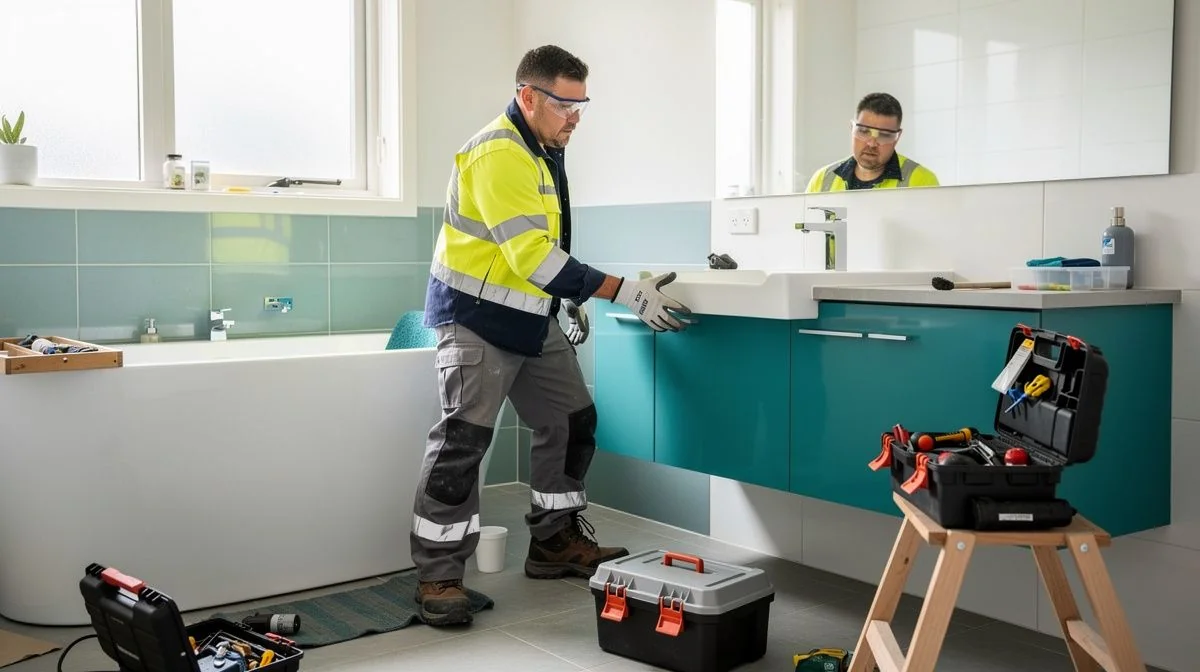
Bathroom Renovations in Lower Hutt: Small Rooms, Old Pipes
The bathroom is usually the smallest room in a Lower Hutt house and often the one that has been patched the longest. The valley has a deep stock of villas, bungalows and former state houses built through the middle of last century, and many still carry their original footprint and pipework. The layout was designed around a smaller set of fixtures than anyone fits today, which is why so many valley bathrooms feel cramped.
Once the walls are open, the plumbing rarely looks better than the room. Supply pipes from the mid-20th century may be corroded or restricted, waste pipes undersized, and the drainage may not suit a modern high-flow shower. Replacing it while the room is stripped out is sensible. Doing it later means opening the same wall twice and paying for the mess again.
Moving a toilet, shower, or basin isn't a matter of swapping positions on a plan. Wastewater has to fall to the drain, and in a small room on a timber floor there may be little height to achieve it. Sometimes the answer is a raised floor, sometimes a pumped waste system, and sometimes the layout cannot move at all. The Wellington fault runs through the valley, so structural changes here attract more scrutiny than a like-for-like rebuild.
How We Researched This Guide
We started with the pricing bands the trade itself publishes, rather than a single quote. Cost guides from New Zealand bathroom and renovation firms, checked against the scope each price tier is meant to cover, are the most reliable starting point available.
We then worked through the building code requirements for wet areas and the consent rules for plumbing and drainage, because in older housing those rules are what turn a simple refresh into a substantial job. The house's age and condition provide context. Where sources differed, we give you the range rather than a single confident number.
Our Trusted Bathroom Renovators
We feature businesses that demonstrate strong performance, proven experience, and consistently positive customer feedback. Some of the providers listed may have commercial relationships with us, but all are selected based on quality and reliability.
To begin, reach out to them and speak with them directly — this helps you explain your job, ask questions, and confirm whether they're the right fit.
buy online for delivery across New Zealand. Crown Bathrooms is your first choice when you are building or undertaking bathroom renovations. Crown Bathrooms formerly known as Crown Showers has been supplying quality and fashionable bathroom fittings and products in New Zealand for over 15 years . $ 209.00 Original price
Buy online for delivery across New Zealand. Crown Bathrooms is your first choice when you are building or undertaking bathroom renovations. Crown Bathrooms, formerly known as Crown Showers, has been supplying quality and fashionable bathroom fittings and products in New Zealand for over 15 years.
The 60-Second Version
If you only read one part of this page, read this.
- A full bathroom renovation in Lower Hutt typically runs $20,000 to $35,000 including GST.
- A cosmetic refresh that keeps the layout runs $8,000 to $20,000.
- A large or high-end bathroom runs $35,000 to $55,000 or more.
- In a small villa or state-house bathroom, expect the per-square-metre cost to look high. Plumbing and waterproofing are fixed costs, so a small room costs more per square metre than a large one.
- Waterproofing is the one place never to save money, because untanked wet areas are a leading cause of leaky-building claims.
- In older homes, the strip-out is where the surprises live: old pipework, no membrane, and drainage that no longer meets what you are asking of it.
What a Bathroom Renovation Costs
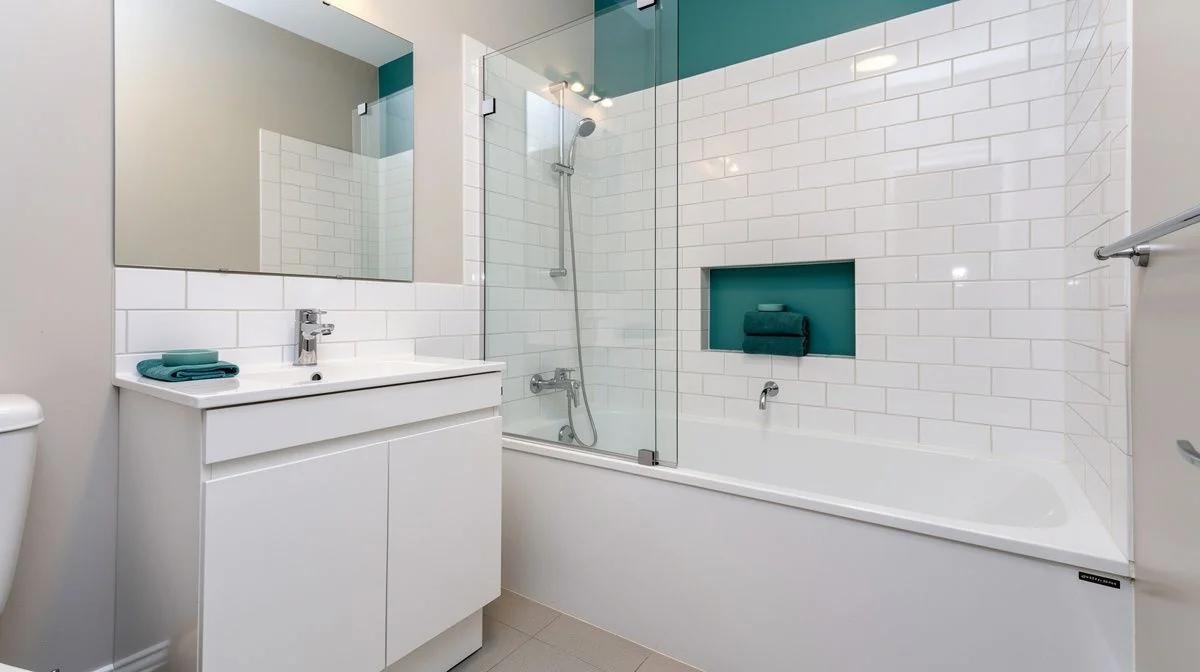
Budget from the total, not from a square-metre rate. The three scopes below are the standard bands the trade quotes, including GST, and they are the right starting point for the Hutt Valley.
| Scope of work | Typical size | Cost including GST |
|---|---|---|
| Cosmetic refresh, layout unchanged | 2–4 m² | $8,000–$20,000 |
| Full renovation, same layout or minor changes | 4–6 m² | $20,000–$35,000 |
| High-end or large bathroom | 7 m² and above | $35,000–$55,000+ |
Typical installed costs including GST. A small powder room sits at the lower end of the first band.
Auckland and Queenstown run roughly 20 to 30 per cent above the national average. Elsewhere, the national bands hold, and in Lower Hutt the variable that moves a quote is not the address but the state of the room once it is opened up.
Why the Per-Square-Metre Figure Misleads
The fixed costs in a bathroom are the ones you cannot avoid: the waterproofing membrane, the plumbing, the electrical work and the labour to strip and prepare the room. Those barely change whether the floor is three square metres or seven.
That is why a small two-square-metre powder room can cost $12,000 to $20,000 while a four- to six-square-metre bathroom costs $20,000 to $35,000. Per square metre, the small room looks expensive. It is simply spreading the same fixed cost over less floor area.
A Lower Hutt villa bathroom is often at the small end of that range. Judge the job on the total, not the rate.
What Makes Lower Hutt Different
Bathrooms built for a smaller house
Many valley bathrooms were sized for a bath, a basin and a toilet that took up less space than modern fittings. The room feels cramped, and the layout offers few options. Rethinking the shower and vanity positions can free up real room, but it means moving plumbing, which turns a refresh into a renovation.
Original plumbing near the end of its life
Pipework from the mid-20th century has usually served well, but it doesn't last forever. Supply pipes may be corroded or restricted, waste pipes undersized, and the drainage may not suit a modern high-flow shower. Once the walls are open, replacing it is sensible. Doing it later means opening the same wall twice.
Awkward layouts and drainage falls.
Moving a toilet, a shower or a basin is not just a matter of swapping positions on a plan. Wastewater has to fall to the drain, and in a small room on a timber floor there may be little room to achieve it. Sometimes the answer is a raised floor, sometimes a pumped waste system, and sometimes the layout cannot move at all.
A fault line, a river and older structures
The Wellington fault runs through the valley, and the Hutt River carries real flood exposure. Those aren't reasons to avoid renovating, but structural changes here attract more design work and scrutiny than a like-for-like rebuild.
Waterproofing: The One Place Never to Cut Cost
Every wet area needs a waterproofing membrane that complies with the building code. Failures in untanked wet areas are a leading cause of leaky-building claims, and in a small room the consequences are worse, because there is less margin for water to drain away.
Ask who applies the membrane and what qualifications they hold. Ask to see the waterproofing before the tiles go on, since that is the last point at which the work is visible. A pre-line check is the one inspection that protects your money.
Consents, Plumbing and Electrical
Structural changes need a building consent, and so do some plumbing and drainage alterations. In an older home, moving a toilet or relocating a shower usually counts as a drainage alteration and will typically require consent. Swapping a vanity in the same place generally will not.
Electrical work is separately controlled and must be done by a registered electrician who provides certification. Keep that certificate with the other project paperwork, because a future buyer or insurer may ask to see it.
Because the housing stock is older, budget a contingency for what the strip-out reveals. Replacement pipework and new drainage are easier to fund when you have allowed for them than when the whole budget has gone on tiles.
How to Choose a Bathroom Renovator in Lower Hutt
Find someone who has worked in older valley homes and understands what is likely to be behind the wall. Ask who carries out the plumbing, the electrical work, the waterproofing and the tiling, and whether those trades are in-house or subcontracted. Ask what happens if the strip-out uncovers something unexpected, and how that variation is priced.
Warning Signs
- A quote based on a square-metre rate with no detail of what is included.
- Any suggestion that waterproofing is optional or can be handled cheaply.
- A request for a large deposit upfront instead of payments tied to progress.
- No written contract, no variation process and no named tradespeople.
- A price far below the others with no explanation of what has been left out.
Questions You Might Have
Is it worth renovating a small bathroom?
Yes, if you are staying or the room is genuinely worn out. A small room does not get cheaper in proportion to its size, but layout changes that solve its real problems can transform how it works.
What if the plumber finds old pipework?
Expect it in a mid-20th-century house, and budget for it. Replacing supply and waste pipes while the walls are open is far cheaper than reopening the room later. A renovator who prices the contingency upfront is easier to deal with than one who adds it as a surprise.
Do I need consent to move a toilet?
Usually, yes. Moving a toilet changes the drainage, and drainage alterations generally require building consent. Check with your council before work starts and get the position confirmed in writing.
Can a cosmetic refresh fix a leaking shower?
No. A refresh replaces what you can see and does nothing about the waterproofing behind the tiles. If there is a leak, the only reliable fix is a strip-out, a new membrane and a rebuild. Covering it up leaves the damage running.
Paying for the Work
Pay in stages, not with a large deposit. Tie each payment to work you can see completed, and hold a final amount back until defects are fixed. In an older home, the strip-out is where the unexpected appears, so keep your own contingency rather than relying on the renovator to carry the risk.
Before work starts, get the scope, price, inclusions, variations process and timeline in writing. Confirm who supplies the fixtures, whether disposal of the old bathroom is included, and what warranty applies to the waterproofing and the workmanship. In older homes, the variations process matters as much as the headline price.
What Matters Most
In Lower Hutt, the bathroom is usually the hardest-working small room in an already old house. The right project fixes what is failing, brings the waterproofing up to standard and makes the space work for how you actually live.
Start with a realistic total, allow for what the strip-out may reveal, and choose your renovator based on the quality of their waterproofing and their willingness to put the scope in writing. You can compare local options through our bathroom renovators hub.

The ValueHub Team built this site because finding clear, unbiased financial information in New Zealand was harder than it should be. Every guide is based on real research — we compare the actual fees, terms, and fine print so you don't have to. Our tip: shop around every year, read the policy docs, and never assume loyalty gets you the best deal.— The ValueHub Team
Try our Calculators
Use these free tools to crunch the numbers:
KiwiSaver Fund Comparison
Compare fees, returns, and risk levels across every KiwiSaver fund — the most up to date data in New Zealand.
Currency Converter — USD to NZD
Convert US Dollars to New Zealand Dollars instantly. See the latest exchange rate and 30-day trend.
Mortgage Repayment Calculator
Calculate your weekly, fortnightly, or monthly mortgage repayments. Free NZ mortgage calculator — try different rates, terms, and repayment frequencies.
Compound Interest Calculator
See how your savings grow with compound interest over time. Free NZ compound interest calculator with yearly, monthly, and weekly compounding options.
Term Deposit Calculator
Calculate your term deposit returns before you lock in. Compare interest earned across different terms and rates with ValueHub's free calculator.
Savings Goal Calculator
Calculate how long it will take to reach your savings goal — and what monthly deposit you need to get there. Free NZ savings planner.
Bathroom Renovators in Other Cities
Latest Guides & Reviews
KiwiSaver and Tax — PIR, ESCT and What You Actually Pay
KiwiSaver is taxed twice — ESCT on your employer's contribution and your PIR on the fund's returns. How each rate is set, and the two most members never check.
reviewInvestNow KiwiSaver Scheme Review
InvestNow KiwiSaver review: 45 open funds, fund charges from 0.03 to 1.38 per cent, and net returns to 30 June 2026.
reviewKernel KiwiSaver Scheme Review
Kernel KiwiSaver review: 25 open funds, fund charges from 0.25 to 0.45 per cent, and net returns to 30 June 2026.
guideTax Debt in New Zealand — The Numbers
Official figures on New Zealand's overdue tax debt: the total, the collectable share, which customer groups hold it, and how much is repaid or written off.