Best Builders in Auckland
Published 04 February 2025 · Updated 18 August 2026 · Written by the ValueHub team · Reviewed by Steve Baron
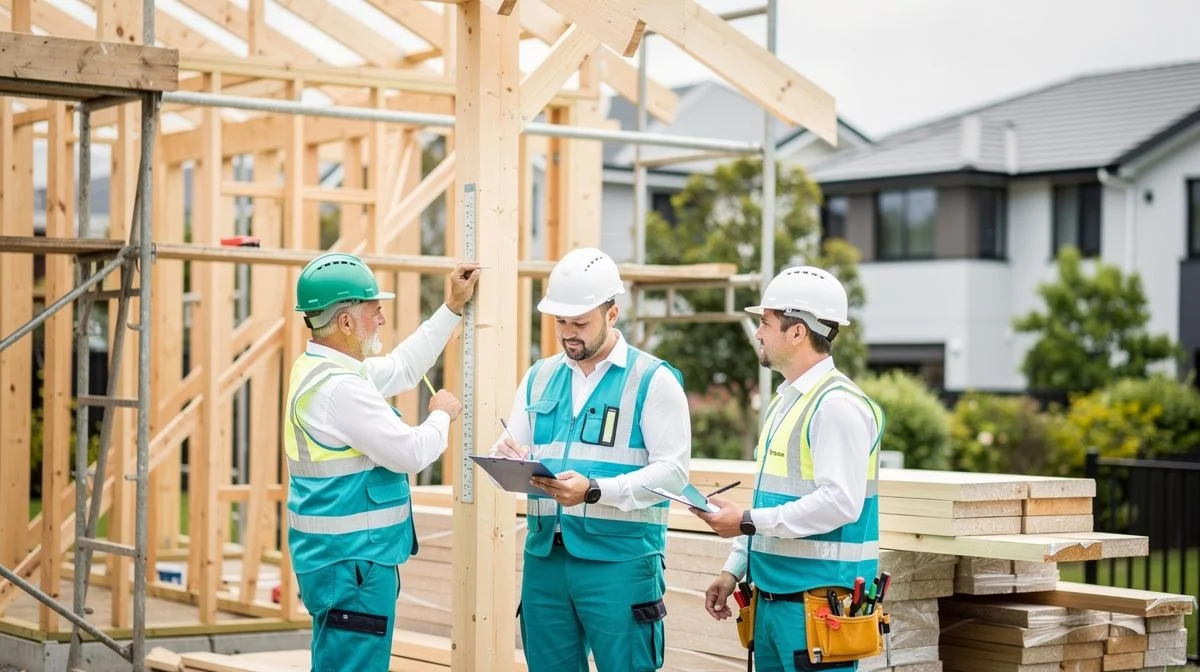
Choosing a Builder in Auckland: Why It Pays to Do This Properly
There's a moment every Auckland homeowner knows. You're standing in a room that's seen better days, or staring at a patch of ground where you're dreaming of something new, and suddenly the whole thing feels both exciting and terrifying. The terror usually isn't about the design or the money. It's about the builder.
Choosing someone to knock holes in your home or dig up your backyard is a deeply personal decision. This person will be in your life for months. They'll see your house at its most vulnerable, covered in dust and plastic sheeting. They'll make hundreds of decisions on your behalf, some of which you'll never even know about. And in Auckland, they're doing all of this against a backdrop that makes the job genuinely harder than almost anywhere else in New Zealand.
Think about what a builder in this city deals with. They're working on slopes that would make a mountain goat nervous, digging foundations into volcanic rock that laughs at standard excavation equipment. They're renovating villas built in 1905 where the walls are somehow both crooked and load-bearing. They're dealing with clay soil that expands when wet and shrinks when dry, or worse, they're building on reclaimed swampland where the ground moves like a waterbed. Then there's the weather. Auckland rain isn't gentle. It arrives sideways, in sheets, and it stops work dead.
And that's before we even mention the consent process. Auckland Council has a reputation for slow processing times, and while it's improved in recent years, it's still a source of frustration for builders and homeowners alike. A good builder knows how to navigate this system. They know which inspectors want to see what, they know how to structure applications to avoid the dreaded "further information requested" email, and they know how long things actually take, not how long the brochure says they take.
The decision you make matters because the consequences of getting it wrong are expensive and stressful. A bad builder can leave you with defects that cost tens of thousands to fix, a consent that won't close out, or a relationship with your neighbours that's beyond repair. A good builder, on the other hand, can make the whole process feel almost easy. They anticipate problems before they happen, they communicate clearly, and they deliver a finished product that you're proud to show off.
This guide exists to help you make that decision properly. Not by listing companies, but by giving you the knowledge to evaluate anyone who comes through your door. We'll cover pricing, contracts, timelines, consent pathways, and the Auckland-specific quirks that catch people out. By the end, you'll know what questions to ask, what red flags to watch for, and how to set yourself up for a build that goes as smoothly as possible.
How Builder Pricing Actually Works in Auckland
Let's talk money, because that's what everyone really wants to know. How much does a builder actually cost in Auckland?
The short answer is: it depends. The longer answer involves understanding how builders structure their pricing, because there's more to it than just "labour plus materials."
For new builds in Auckland, you're typically looking at somewhere between $3,200 and $5,500 per square metre including GST. Renovations are harder to pin down with a single rate because demolition, working around existing structures, and the inevitable surprises behind walls all add cost without adding floor area. Expect anywhere from $3,000 to $5,500+ per square metre depending on scope and complexity. But these figures are guides, not gospel. A high-end kitchen renovation in Remuera can easily blow past $5,000 per square metre, while a simple sleepout in Papakura might come in under $2,000.
The first thing to understand is the split between labour and materials. For most projects, materials account for roughly 50 to 60 per cent of the total cost. That includes everything from framing timber and Gib board to tapware and tiles. The rest is labour, which covers the builder's time, their subcontractors, and their overheads.
That overhead component is worth understanding. A reputable builder isn't just charging you for the hours they spend on site. They're charging for their office, insurance, vehicle, tools, ongoing training, and the time they spend managing your project, chasing suppliers, and dealing with council. All of that has to be covered. When you get a quote that's significantly lower than everyone else's, it's often because the builder is cutting corners on these overheads, which means they might not have proper insurance, or they're not paying their subcontractors properly, or they're just not very good at estimating.
Regional demand plays a huge role in pricing too. Auckland is the most expensive place in New Zealand to build, and that's not just because of land costs. Labour is scarcer, materials have further to travel, and the sheer volume of construction work means tradespeople can pick and choose their jobs. A builder who can command premium rates in Auckland is doing so because there's enough demand to justify it.
Now, the contract. This is where things get confusing, because builders use different pricing models, and they don't always explain them clearly.
An estimate is exactly what it sounds like. It's the builder's best guess at what the project will cost, based on the information you've given them. It's not a binding commitment. If the project turns out to be more complex than expected, or if you change your mind about things along the way, the price will go up. Estimates are fine for early planning, but they're not a contract.
A fixed-price quote is different. This is a binding commitment to complete the specified work for a set price. The keyword here is "specified." If the scope of work is clearly defined, the builder will honour that price even if the work turns out to be harder than they expected. That's the deal. They take on the risk of the build, and in return, they usually build a contingency into their price to cover unexpected issues.
A cost-plus contract is where you pay for the actual costs of the build, plus a percentage or fixed fee for the builder's management. This is transparent, but it puts the risk on you. If the build goes over budget, you wear it. This model is more common for complex architectural projects where the scope is hard to define upfront.
Most residential builders in Auckland prefer fixed-price contracts for straightforward work, and it's usually the best option for homeowners too. It gives you certainty, and it forces the builder to think carefully about costs before they quote.
Margins and contingencies are built into every quote, and this is where homeowners often get confused. A builder might quote you $300,000 for a renovation, but their actual costs might only be $260,000. That $40,000 difference covers their margin and a contingency for unexpected issues. This isn't a rip-off. It's how they stay in business and how they protect themselves against the inevitable surprises that come with building in Auckland. The key is to make sure the contingency is reasonable, not excessive.
One common misunderstanding is that a builder's quote is just a starting point for negotiation. In reality, most reputable builders price their work fairly and don't have much fat to trim. If you try to negotiate a fixed-price quote down by 10 per cent, you're essentially asking them to work for free or cut corners. A better approach is to ask them to explain their pricing and see if there are areas where you can reduce scope to bring the cost down.
Our Trusted Builders
We feature businesses that demonstrate strong performance, proven experience, and consistently positive customer feedback. Some of the providers listed may have commercial relationships with us, but all are selected based on quality and reliability.
To begin, reach out to them and speak with them directly — this helps you explain your job, ask questions, and confirm whether they're the right fit.

We believe homes should be as distinctive as the individuals who inhabit them, delivered through a process that respects time, budget, and practical realities. At Build Unlimited, we are architects, quantity surveyors, and builders under one umbrella, creating a seamless process that transforms each client’s vision into reality with both creative integrity and practical efficiency.
How to Compare Quotes Properly (Without Losing Your Mind)
Getting three quotes is standard advice, but comparing them properly is where most people fall down. The truth is, comparing builder quotes is like comparing apples with oranges, unless you're very careful about how you set things up.
The first step is to prepare a clear, detailed scope of work. This sounds obvious, but most homeowners don't do it. They get quotes based on vague descriptions like "renovate the kitchen" or "add a bathroom," and then wonder why the quotes vary by $50,000. The solution is to write down exactly what you want, in as much detail as possible. Include the room dimensions, the materials you're hoping to use, the fixtures and fittings, and any specific requirements you have. If you can, get a designer or architect to prepare drawings and specifications. This costs money upfront, but it pays for itself in accurate quotes and fewer surprises later.
When you're comparing quotes, don't just look at the bottom line. Look at how the builder has broken down their pricing. Are they charging you for things that other builders have included? Are they using cheaper materials to get their number down? Are they allowing for the same amount of contingency? A quote that's $20,000 lower might be using $15,000 worth of cheaper materials and carrying a smaller contingency for surprises.
Here's a practical tip: ask each builder to price the same scope of work, and give them a list of the materials you expect to be used. This doesn't mean you have to specify every screw and nail, but you should specify the major items like flooring, cabinetry, tapware, and appliances. That way, you're comparing like with like.
Red flags to watch for when comparing quotes are subtle but important. A quote that's significantly lower than the others might be a bargain, or it might mean the builder has missed something. Ask them to walk you through their pricing and explain how they've arrived at their number. A reputable builder will be happy to do this. One who gets defensive or vague is probably hiding something.
Bait-and-upgrade pricing is a real problem in the building industry. This is where a builder gives you a low quote to win the job, then hits you with variations and upgrades once you're locked in. The best defence is a tight contract. Make sure your scope of work is detailed enough that there's no ambiguity about what's included. If the builder tries to charge you extra for something that's clearly in the scope, you have grounds to push back.
Budget blowouts are the fear of every homeowner, and they're usually caused by one of three things: an incomplete scope of work, a change of mind, or unexpected site conditions. You can manage the first by being thorough in your planning. You can manage the second by making decisions early and sticking to them. And you can manage the third by insisting on a reasonable contingency in your contract, usually 10 to 15 per cent of the total budget.
Finally, be respectful when negotiating. Builders talk to each other, and if you've got a reputation for being difficult to deal with, it will get around. A respectful approach is to say something like, "I've got three quotes, and yours is the highest. Can you help me understand why?" This opens a conversation rather than starting a fight. You might find the builder is happy to adjust their pricing or suggest ways to reduce scope.
How to Choose the Right Builder in Auckland — A Practical Checklist
When you're standing in front of a pile of quotes and trying to make a decision, it helps to have a system. This checklist will walk you through the key things to check before you sign anything.
First, check their Licensed Building Practitioner (LBP) status. This is non-negotiable for any work that requires a building consent. You can verify this on the LBP register, which is maintained by the Ministry of Business, Innovation and Employment. It takes two minutes, and it tells you whether the builder is actually licensed to do the work they're quoting for.
Next, ask to see examples of their past work. A good builder will have a portfolio, or at least be able to point you to recent projects. Better yet, ask if you can visit a current or recently completed site. Seeing their work in person tells you a lot about their attention to detail and their standards of cleanliness and organisation.
Get references and actually call them. This is the step that most people skip, and it's a mistake. A reference call should take five minutes. Ask about the builder's communication, their adherence to timelines, their handling of variations, and whether they cleaned up properly at the end. Don't just ask if they were happy. Ask what went wrong and how it was handled.
Check their insurance. Every reputable builder should have public liability insurance, and most will also have some form of guarantee or warranty. Ask to see their certificate of insurance and check that it's current. If they're a member of an industry body like Master Builders or Certified Builders, that's a good sign too, because it means they've been vetted and they're bound by a code of ethics.
Read the contract carefully. This sounds obvious, but most people skim the contract and sign it. Take the time to read every clause, and if there's something you don't understand, ask. A good builder will be happy to explain their contract. If they get annoyed, they're probably trying to hide something.
Finally, trust your gut. You're going to be spending months working with this person. If something feels off in your first meeting, it's not going to feel better after six weeks of building. Listen to your instincts, but make sure they're informed instincts. Check the facts first, then trust how you feel.
Builder Availability in Auckland: The Brutal Truth
Here's the reality of building in Auckland: good builders are busy, and they're not going to get less busy anytime soon. The city keeps growing, the housing stock keeps ageing, and there's a persistent shortage of skilled tradespeople. This isn't a temporary problem. It's structural.
Seasonal demand plays a role too. Builders in Auckland tend to be busiest in the summer months, when the weather is more predictable and daylight hours are longer. If you're planning a project, expect to wait longer for a start date if you're trying to book in October than if you're booking in February. Some homeowners time their projects to start in autumn or winter, when builders are slightly less stretched, and you might have more negotiating power.
Council bottlenecks are another factor. Auckland Council has spent years trying to speed up its consent processing times, and there have been improvements. But the system is still slow, and a good builder knows how to work within it. They know the inspectors, what information is likely to trigger a request for further information, and how to structure their applications to minimise delays. This knowledge is worth real money, because consent delays cost you time and money.
Subcontractor shortages are a constant headache for Auckland builders. Even if your builder is ready to start, they might be waiting on an electrician or a plasterer who's booked out for weeks. This is why you should be suspicious of a builder who promises an unrealistically short timeline. They might be planning to cut corners or skip the good subcontractors in favour of whoever's available.
So what do you do about all this? The practical advice is to start your search early. If you think you want to build in six months, start talking to builders now. The best ones are often booked out for months in advance, and if you find someone you like, you may need to wait for them. That's usually worth it, because a good builder is worth waiting for.
Another practical tip is to be flexible with your timeline. If you can start your build in a few months rather than immediately, you'll have more options. Builders are more willing to accommodate a flexible client than one who's demanding an immediate start.
Common Mistakes Homeowners Make When Hiring a Builder
Everyone makes mistakes, but some mistakes are more expensive than others. Here are the most common ones Auckland homeowners make when hiring a builder, and how to avoid them.
Choosing the cheapest quote is the classic trap. It's understandable, because building is expensive and everyone wants to save money. But the cheapest quote is often cheap for a reason. The builder might be using lower-quality materials, planning to cut corners on the consent process, or simply have underestimated the scope of work. A low quote might end up costing you more in the long run, either through variations or through poor workmanship that needs to be fixed later.
Not checking references is another common mistake. We all know we should do it, but it's easy to skip when you're busy, and the builder seems nice. Take the time. A five-minute phone call could save you from a six-month nightmare.
A vague scope of work is a recipe for disaster. If you haven't clearly defined what you want, the builder can't give you an accurate quote, and you can't hold them to anything. The result is variations, arguments, and budget blowouts. Spend the time upfront to write down exactly what you want.
Paying too much upfront is a serious red flag. A reputable builder might ask for a small deposit to secure your spot, but they shouldn't be asking for a large percentage of the total cost before work begins. If a builder asks for 50 per cent upfront, walk away. Legitimate builders fund their work through progress payments, not upfront deposits.
Making assumptions is dangerous. Assume nothing. If you think the quote includes demolition, ask. If you think it includes the skip bin, ask. If you think it includes painting, ask. Every assumption you make is a potential argument later.
Changing your mind mid-project is expensive and frustrating for everyone. Once the contract is signed, changes should be the exception, not the rule. If you do need to change something, expect to pay for it. The builder has already ordered materials and scheduled tradespeople based on the original plan.
Not having a contingency fund is a common mistake. Building always has surprises, especially in Auckland. You should have at least 10 to 15 per cent of your budget set aside for things that come up. If you spend your entire budget on the contract price, you'll be in trouble when something unexpected happens.
Skipping the contract details is the final mistake. Read the contract. Understand the payment schedule, the variations process, and the dispute resolution mechanism. If you don't understand something, ask. A good builder will be happy to explain.
Payment Stages & Financial Protections
Understanding how payments work during a build is essential for protecting your money. The building industry in New Zealand has a standard approach to payments, but there are variations, and you need to know what's normal and what's risky.
Most residential builds use milestone payments. This means you pay the builder in stages as the work progresses. A typical schedule might look something like this: 10 per cent deposit to secure the start date, then payments at agreed milestones like completion of foundations, completion of framing, completion of the roof, and so on. The final payment is usually due when the work is complete, and you're satisfied with the result.
Progress claims are how builders request payment. The builder sends you a claim, usually with a summary of the work completed, and you have a set number of days to pay. The exact terms should be in your contract. In New Zealand, the Construction Contracts Act provides a framework for how this works, including a process for disputing a claim if you're not happy with it.
Retentions are an important protection for homeowners. A retention is a portion of each payment that's held back until the work is complete. Typically, this is around 5 to 10 per cent of each progress payment. The retention gives you leverage if there are defects at the end of the build. If the builder won't fix them, you can use the retention to hire someone else to do it.
Variations are changes to the scope of work, and they need to be handled carefully. Any variation should be documented in writing, with a clear description of the change and the cost. Both parties should sign it. This protects you from being charged for work you didn't authorise, and it protects the builder from being expected to do work that wasn't in the original scope.
So what's normal versus risky? A small deposit is normal. A large upfront payment is risky. Progress payments tied to actual work completed are normal. Payments that get ahead of the work are risky. A retention is normal. No retention is risky.
Reputable builders handle payments transparently. They'll give you a clear payment schedule before you sign the contract, and they'll send you invoices that match the agreed milestones. If a builder is vague about payments or tries to rush you through the process, that's a red flag.
One thing to be aware of is the risk of paying a builder who goes bankrupt. This is rare, but it happens. If a builder goes under mid-project, you could lose money you've already paid. This is why retentions are important, and why you should never pay more than the value of the work completed.
Guarantees, Insurance & Compliance: The Legal Stuff
The legal side of building isn't exciting, but it's essential. Let's break down the key things you need to know about guarantees, insurance, and compliance.
Licensed Building Practitioner (LBP) requirements are the first thing to understand. Any work that requires a building consent must be done by an LBP in the relevant class. For most residential work, that's a Licensed Building Practitioner in the carpentry class. You can verify a builder's LBP status online, and you should. If a builder isn't licensed, they're not legally allowed to do the work, and you could have problems getting your consent closed out.
Master Builders and Certified Builders are industry bodies that offer guarantees to homeowners. A Master Builders guarantee typically covers the work for a set period, usually 10 years. This is a form of insurance that protects you if the builder goes out of business or refuses to fix defects. It's not a substitute for a good contract, but it's a useful extra layer of protection.
Public liability insurance is a must-have. This covers you if someone is injured on your property during the build, or if the builder damages your property or a neighbour's property. You should ask to see the builder's certificate of insurance and check that it's current. If they don't have it, don't hire them.
Workmanship warranties are implied in every building contract, but it's worth making sure they're explicit. A warranty means the builder is responsible for fixing defects that arise from their workmanship. The standard in New Zealand is that work must be done in a "proper and workmanlike manner." If it's not, the builder has to fix it.
Building consent obligations are the legal framework that governs most building work in New Zealand. If your project requires a building consent, the builder needs to ensure the work complies with the Building Code. This means using the right materials, following the right methods, and passing inspections at key stages. At the end of the project, you'll need a Code Compliance Certificate (CCC) from the council to confirm the work is compliant.
Common misunderstandings include thinking that a consent is optional for "small" work, or that the builder is responsible for getting the consent. In reality, the homeowner is responsible for getting the consent, though most builders will handle it as part of their service. And while there are some exemptions for small, low-risk work, they're more limited than most people think. If you're unsure whether your project needs consent, ask your builder or check with the council.

Timeline Expectations — How Long Things Actually Take
Everyone wants to know how long their build will take, and the honest answer is: longer than you think. Here are some typical timelines for common projects in Auckland.
A bathroom renovation typically takes two to four weeks. This assumes you're not moving any walls or plumbing, and that the existing bathroom is in reasonable condition. If you're dealing with a leaky shower or rotted timber, add a week or two.
A kitchen renovation takes three to six weeks. This is because there's more cabinetry involved, and you'll likely need a plumber and an electrician. If you're reconfiguring the layout or moving appliances, add time.
A home extension, like adding a bedroom or living area, takes eight to sixteen weeks. This is a full building project with foundations, framing, roofing, and finishing. The exact timeline depends on the size and complexity of the extension.
A reclad, which is common in Auckland due to the leaky home era, takes eight to twenty weeks. This involves removing the old cladding, checking the framing for damage, installing new cladding, and finishing. The timeline depends on the size of the house and the extent of the damage.
A new build takes six to twelve months from breaking ground to completion. This assumes you have a building consent in hand and a clear design. If you're building a complex architectural home, expect it to take longer.
What causes delays? Weather is the biggest factor in Auckland. Rain stops work on foundations, roofing, and exterior cladding. The council inspection process can cause delays if inspections aren't booked well in advance. Subcontractor availability is another issue, as good tradespeople are in high demand. And then there are the surprises, the things you can't plan for, like finding rotten timber in a wall or discovering that the ground is more unstable than expected.
Be realistic about your timeline, and build in a buffer. If a builder tells you the project will take ten weeks, plan for twelve. If they tell you four months, plan for five. This isn't pessimism. It's the reality of building in Auckland, where the weather, the council, and the subcontractors all have their own agendas.
Communication & Project Management: The Glue That Holds It Together
The best builder in Auckland isn't necessarily the one who does the best carpentry. It's the one who communicates well. Communication is the glue that holds a build together, and it's what separates a stressful experience from a smooth one.
Good builders communicate proactively. They don't wait for you to call them with questions. They send you updates, usually weekly, summarising what's been done, what's happening next, and any issues that have come up. They flag problems early, before they become crises. They tell you when decisions need to be made and by when. They're available by phone or email, and they respond promptly.
Good builders also manage expectations. They tell you upfront that there will be delays, and they give you realistic timelines rather than optimistic ones. They explain the consent process and how long it will take. They're honest about costs and don't surprise you with unexpected charges.
Here's a real-world example of good communication. A builder in West Auckland was renovating a villa and discovered that the existing foundation was worse than expected. Instead of just fixing it and adding the cost to the bill, he called the homeowner, explained the situation, gave them options, and let them decide. The homeowner appreciated being involved in the decision, and the project continued without any disputes.
Now here's an example of bad communication. A builder in the North Shore started a renovation and went silent for three weeks. When the homeowner finally got hold of him, he said he'd been waiting for materials and hadn't bothered to mention it. The homeowner was furious, and the relationship never recovered.
Managing disputes is easier when communication is good. If you have a regular check-in with your builder, you can raise issues as they come up, rather than letting them fester. A good builder will listen to your concerns and work with you to find a solution. A bad builder will get defensive and dismissive.
If you're hiring a builder, ask them about their communication style in your first meeting. Do they send weekly updates? Do they have a preferred method of contact? How quickly do they respond to calls and emails? The answers will tell you a lot about how the project will go.
The Consent Pathway — A Simple Overview
The building consent process confuses a lot of people, but it's actually straightforward once you understand the basics. Here's a plain-English overview.
First, the big question: does your project need a building consent? In New Zealand, most building work requires a consent, but there are exemptions for small, low-risk work. Examples of exempt work include building a single-storey sleepout under 10 square metres, installing a carport, or building a retaining wall under 1.5 metres high. The rules are complex, so if you're unsure, ask your builder or check with Auckland Council. Don't just assume your project is exempt, because if you get it wrong, you could have problems selling your house later.
If your project does need consent, the process starts with a building consent application. This includes your plans and specifications, along with supporting documents like engineering reports and a schedule of materials. Auckland Council reviews the application to make sure it complies with the Building Code.
Auckland Council's processing times have been a source of frustration for years, but they've improved. As of recent years, the statutory timeframe for processing a building consent is 20 working days, though in practice it can take longer, especially for complex projects. The council can also request further information, which pauses the clock.
If your project involves something unusual, you might also need a resource consent. This is separate from a building consent and deals with things like zoning, setbacks, and environmental impacts. Resource consents can take months, so if your project needs one, factor that into your timeline.
During construction, your builder will need to book inspections at key stages. These are visits from council inspectors who check that the work complies with the approved plans and the Building Code. Common inspection points include the foundation, framing, plumbing, and insulation. If an inspection fails, the builder fixes the issue and books a re-inspection.
Once the work is complete, the council issues a Code Compliance Certificate (CCC). This confirms that the work complies with the Building Code and the approved plans. You should keep this document safe, because you'll need it when you sell your house.
The consent pathway isn't something you need to manage yourself if you have a good builder. They'll handle the application, book the inspections, and deal with the council on your behalf. But it's worth understanding the process so you know what to expect and can ask informed questions.
Auckland-Specific Building Challenges
Building in Auckland comes with its own set of challenges, and a good local builder will know how to handle them. Here's what you need to know.
Weather is the obvious one. Auckland gets more rain than most of New Zealand, and it can come at any time of year. This affects building work in several ways. Foundations need dry conditions to be poured correctly. Roofing can't be done in the rain. Exterior cladding needs to be installed in dry conditions. A good builder plans for this by scheduling weather-sensitive work for the summer months and having contingency plans for when it rains.
Soil conditions in Auckland are incredibly varied. You might be building on volcanic rock, which is hard to dig but provides excellent foundations. You might be on clay, which expands and contracts with moisture and requires special foundation design. You might be on reclaimed swampland, which is unstable and requires piling. A good builder will do a geotechnical investigation before quoting, so they know what they're dealing with.
Sloping sites are common in Auckland, and they add complexity and cost to any build. Retaining walls, stepped foundations, and access for machinery all need to be considered. A sloping site can add 10 to 20 per cent to the cost of a build compared to a flat site.
Coastal exposure is a factor for homes near the water. The salt air is corrosive, so materials need to be chosen carefully. Stainless steel fixings, aluminium windows, and specially treated timber are all part of building in coastal Auckland.
Heritage overlays are a consideration for older homes in areas like Ponsonby, Grey Lynn, and Devonport. If your home is in a heritage area, you may have restrictions on what you can do to the exterior. This can add time and cost to your project, and it's worth checking before you buy or start renovating.
Villa and bungalow quirks are something any Auckland renovator will encounter. These old homes were built without the benefit of modern building science. Walls aren't square, floors aren't level, and the framing might be original kauri that's still in good condition, or it might be rotten. A good builder knows how to work with these quirks, but you should expect the unexpected.
Leaky home era properties are a particular Auckland issue. Homes built in the 1990s and early 2000s with certain cladding systems and design features are prone to water damage. If you're buying or renovating one of these, you need a builder who understands the issues and knows how to fix them properly.
Council processing times are a challenge for every Auckland builder, but a good one knows how to navigate the system. They know which inspectors are thorough and which are reasonable. They know how to structure applications to avoid delays. And they know how long things actually take, so they can give you a realistic timeline.
Builder Types & Which One You Need
Not all builders are the same, and choosing the right type for your project can make a big difference. Here's a breakdown of the main types of builders in Auckland and which projects they're best suited for.
Renovation specialists focus on existing homes. They understand the quirks of older buildings, they know how to work around occupants, and they're experienced at dealing with surprises like rotten timber and non-standard framing. If you're renovating a villa or bungalow, this is who you want.
New-build companies focus on building new homes, usually from a set of plans. They're efficient at what they do, and they often have established relationships with subcontractors and suppliers. If you're building a new home, this type of builder can be a good choice.
Recladding specialists handle the specific challenge of removing and replacing exterior cladding. This is a niche skill, because it requires understanding the causes of water damage and knowing how to fix them properly. If you're recladding a leaky home, you want a specialist.
Design-and-build firms combine design and construction under one roof. You work with their designer to create your plans, and then their construction team builds it. This can streamline the process and reduce the risk of miscommunication between designer and builder. It's a good option if you don't already have plans.
Small independent builders are often the best value for smaller projects. They have lower overheads than large companies, and they're often more flexible. The downside is that they might not have the resources to handle a large or complex project.
Large companies have more resources and can handle complex projects, but they also have higher overheads, which can make them more expensive. They might also be less flexible, and you might be dealing with a project manager rather than the builder directly.
Project management-led firms take a different approach. They manage the project but subcontract the actual building work. This can work well for complex projects, but it adds a layer of management that you need to pay for.
So which one do you need? For a small renovation, a small independent builder is usually a good choice. For a new build, a new-build company or design-and-build firm is worth considering. For a reclad, find a specialist. For a complex architectural project, a larger company or a project management-led firm might be the safest bet.
How to Prepare for Your First Meeting With a Builder
Your first meeting with a builder sets the tone for the whole project. Here's how to prepare so you get the most out of it.
Bring your documents. If you have plans, drawings, or specifications, bring them. If you have photos of what you want, bring those too. If you have a survey or a geotechnical report, bring them. The more information you can give the builder, the more accurate their quote will be.
Write down your questions. It's easy to forget things in the moment, so have a list ready. Ask about their experience with projects like yours, their availability, their communication style, and their typical timeline. Ask about their pricing structure and whether they provide fixed-price quotes. Ask about their insurance and their guarantees.
Describe your vision clearly. Don't just say "I want a new kitchen." Describe how you use the space, what you like and don't like about the current kitchen, and what you hope to achieve. The more the builder understands your vision, the better they can help you achieve it.
Set a budget. You don't have to reveal your exact budget if you don't want to, but you should have a number in mind. If your budget is $200,000 and the builder quotes $300,000, you need to know that early. If you're flexible on budget, say so, but be realistic about your limits.
Watch for red flags. Does the builder seem disorganised? Are they vague about timelines or costs? Do they avoid answering your questions? Do they pressure you to sign something quickly? Trust your instincts. If something feels off, it probably is.
A good first meeting is a conversation, not a sales pitch. The builder should be asking you questions as much as you're asking them. They should be curious about your project and your needs. They should be honest about what's possible and what's not.
Best Builders for Different Project Types in Auckland
There's no single "best builder" in Auckland, because the right builder depends on your project. Here's a guide to the types of builders you should be looking for, depending on what you're planning.
For villa renovations, look for a builder who specialises in older homes. They need to understand the quirks of villa construction, including the original kauri framing, the lack of insulation, and the challenges of adding modern amenities without destroying the character. Ask to see examples of their villa work and check their references carefully.
For extensions, look for a builder with experience in adding to existing homes. This is different from new builds, because you're connecting new work to old, and there are always surprises when you open up walls. A builder who's done many extensions will know what to expect and how to handle it.
For recladding, find a specialist. This is a niche area, and you want someone who understands the causes of water damage and knows how to fix them properly. Look for a builder who's done recladding work on leaky homes and can show you examples of their work.
For new builds, you have more options. A new-build company that works from plans can be efficient and cost-effective. A design-and-build firm can streamline the process. A small independent builder can offer a personal touch. The key is to find someone who's done similar new builds and has a track record of delivering on time and on budget.
For architectural projects, you need a builder who's comfortable working with complex designs. These projects often involve unusual materials, intricate details, and a higher level of finish. Look for a builder who's worked on similar architectural homes and has the skills to deliver the quality you're paying for.
For small jobs, like a bathroom renovation or a deck, a small independent builder is often the best choice. They're more likely to take on a small job, and they're often more affordable than larger companies.
For coastal builds, look for a builder with experience in coastal environments. They need to understand the corrosive effects of salt air and choose materials accordingly. They also need to know how to handle the weather, which can be more extreme near the coast.
For rural builds, look for a builder who's comfortable working outside the city. They'll need to manage logistics differently and be self-sufficient. A builder who's done rural projects will know what to expect.
What Builders Wish Their Clients Knew
Builders have a perspective that homeowners rarely hear. Here's what they wish you knew before you hire them.
Good work costs more. When you're comparing quotes, you're not just comparing the cost of labour and materials. You're comparing the builder's experience, their reputation, and their standards. A builder who charges more might use better materials, employ better subcontractors, and deliver a higher-quality finish. Paying for quality is worth it.
Timelines slip for reasons beyond the builder's control. Weather, council delays, and subcontractor availability all affect timelines, and none of them is the builder's fault. A good builder will do their best to stay on schedule, but they can't control the rain.
Indecision costs money. Every time you change your mind, it affects the schedule and the budget. Materials might need to be reordered, work might need to be redone, and subcontractors might need to be rescheduled. If you want to keep costs down, make decisions early and stick to them.
Paying on time matters. Builders have their own bills to pay, and they're often out of pocket for materials and subcontractors before they get paid by you. Late payments cause stress and can strain the relationship. Pay on time, and your builder will appreciate it.
A fixed price requires a full design. You can't expect a builder to give you a fixed-price quote if you haven't fully designed the project. If you want a fixed price, you need to have a complete set of plans and specifications.
Access matters. If your builder can't get their truck close to the site, or if there's nowhere to store materials, it costs time and money. Think about access before the build starts, and make it as easy as possible for your builder.
Pre-selecting materials saves money. If you know what tiles, tapware, and appliances you want, you can lock in prices and avoid delays. If you leave material selection until the last minute, you'll pay more and wait longer.
Builders want you to be happy. They take pride in their work, and they want you to be thrilled with the result. A good relationship, based on trust and communication, is the key to a successful build.
How to Get the Best Results from Your Build
The best results come from a combination of good planning, good communication, and a good relationship with your builder. Here's how to set yourself up for success.
Prepare your brief thoroughly. The more detail you can provide, the better. This includes your plans, your specifications, and your expectations. A clear brief helps the builder give you an accurate quote and deliver what you want.
Choose materials early. Don't leave material selection until the last minute. The earlier you choose your tiles, tapware, appliances, and paint colours, the smoother the build will go. Your builder will appreciate it, and you'll avoid delays and extra costs.
Avoid indecision. Once you've made a decision, stick with it. Changing your mind mid-project is expensive and frustrating for everyone. If you need to make a change, understand that it will cost time and money.
Manage variations carefully. If a variation is needed, make sure it's documented in writing and approved before the work is done. This protects you and the builder.
Keep the project moving. This means making decisions promptly, paying invoices on time, and responding to the builder's questions quickly. A build that stalls because of homeowner indecision is frustrating for everyone.
Avoid disputes. Most disputes are caused by miscommunication. Keep the lines of communication open, and address issues as they come up rather than letting them fester. If a dispute does arise, try to resolve it amicably before it escalates.
Maintain a good relationship with your builder. This isn't just about being nice. It's about building trust and respect. A builder who feels valued will go the extra mile for you. A builder who feels disrespected will do the bare minimum.
Finally, be patient. Building takes time, and there will be setbacks. A good builder will work through them, and in the end, you'll have a home that you're proud of. Patience and a positive attitude will make the journey much more enjoyable.
Frequently Asked Questions
How much does a renovation cost in Auckland?
Renovation costs in Auckland vary widely depending on the scope of work, the quality of materials, and the condition of the existing building. As a rough guide, you can expect to pay between $3,000 and $5,500+ per square metre for a renovation in Auckland. A simple bathroom renovation might cost $30,000 to $50,000, while a full kitchen renovation could be $40,000 to $80,000. A larger project, like a home extension, could easily cost $200,000 or more. The best way to get an accurate figure is to prepare a detailed scope of work and get quotes from several builders.
How long do building consents take in Auckland?
Auckland Council aims to process building consent applications within 20 working days, but in practice it can take longer. Simple, well-prepared applications might be processed in two to three weeks, while complex projects can take several months. If the council requests further information, the clock pauses until you provide it. For projects that also require a resource consent, you should allow additional months. The best way to speed things up is to use a qualified designer or architect who knows how to prepare a complete application the first time.
What's the difference between an estimate and a fixed-price quote?
An estimate is a rough indication of what the project might cost, based on limited information. It's not binding, and the final cost could be higher or lower. A fixed-price quote is a binding commitment to complete the specified work for a set price. It's based on a detailed scope of work, and the builder takes on the risk of cost overruns. Fixed-price quotes are generally better for homeowners because they provide certainty, but they require a fully designed project.
How do I avoid budget blowouts?
The best way to avoid budget blowouts is to plan thoroughly before you start. Prepare a detailed scope of work, get fixed-price quotes, and include a contingency of at least 10 to 15 per cent in your budget. Make decisions early and stick to them. Document any variations in writing and approve them before work is done. And most importantly, choose a reputable builder who gives you an honest price rather than a low-ball quote that will inevitably increase.
What guarantees should I ask for?
You should ask for a written warranty covering workmanship, typically for at least 12 months, though many builders offer longer warranties on structural work. If the builder is a member of an industry body like Master Builders or Certified Builders, they'll usually offer a formal guarantee, often covering the work for 10 years. You should also ask to see evidence of public liability insurance. All of this should be documented in your contract.
Should I get multiple quotes?
Yes, you should get at least three quotes for any significant building project. This gives you a sense of the market rate and helps you identify outliers. But don't just compare the bottom line. Compare the scope of work, the materials specified, and the builder's experience and reputation. The cheapest quote isn't always the best value, and the most expensive isn't always the best quality.
What should I do if something goes wrong during the build?
The first step is to talk to your builder. Most issues can be resolved through communication. If that doesn't work, check your contract for the dispute resolution process. Many contracts include a mediation clause. If you can't resolve the dispute informally, you can use the dispute resolution services provided by the Ministry of Business, Innovation and Employment, or you can seek legal advice. If the issue involves defective workmanship, you may be able to make a claim under the builder's guarantee or insurance. Document everything, including photos, emails, and any relevant paperwork.

The ValueHub Team built this site because finding clear, unbiased financial information in New Zealand was harder than it should be. Every guide is based on real research — we compare the actual fees, terms, and fine print so you don't have to. Our tip: shop around every year, read the policy docs, and never assume loyalty gets you the best deal.— The ValueHub Team
More Builders in Auckland
These businesses also operate in this area.
Auckland's architectural renovation and extension specialist. A senior-led team of builders, designers and consultants deliver on your vision. We have engaged Your Builder for multiple projects around our home over the last four years. Everything from minor repairs after a storm, to a huge double story extension, and they are always amazing ….
Try our Calculators
Use these free tools to crunch the numbers:
KiwiSaver Fund Comparison
Compare fees, returns, and risk levels across every KiwiSaver fund — the most up to date data in New Zealand.
Currency Converter — USD to NZD
Convert US Dollars to New Zealand Dollars instantly. See the latest exchange rate and 30-day trend.
Mortgage Repayment Calculator
Calculate your weekly, fortnightly, or monthly mortgage repayments. Free NZ mortgage calculator — try different rates, terms, and repayment frequencies.
Compound Interest Calculator
See how your savings grow with compound interest over time. Free NZ compound interest calculator with yearly, monthly, and weekly compounding options.
Term Deposit Calculator
Calculate your term deposit returns before you lock in. Compare interest earned across different terms and rates with ValueHub's free calculator.
Savings Goal Calculator
Calculate how long it will take to reach your savings goal — and what monthly deposit you need to get there. Free NZ savings planner.
Builders in Other Cities
Latest Guides & Reviews
SuperLife KiwiSaver Scheme Review
SuperLife KiwiSaver review: 65 open funds, fund charges from 0.20 to 1.30 per cent, and net returns to 30 June 2026.
reviewSuperEasy KiwiSaver Scheme Review
SuperEasy KiwiSaver review: 8 open funds, a 0.32 per cent fund charge, and net returns to 31 March 2026.
reviewWestpac KiwiSaver Scheme Review
Westpac KiwiSaver review: 8 open funds, fund charges from 0.25 to 0.70 per cent, and net returns to 30 June 2026.
reviewANZ KiwiSaver Scheme Review
Review of ANZ KiwiSaver. Three schemes, fees from 0.22 per cent, the closed Default scheme, OneAnswer and the Lifetimes option.