Best Builders in New Plymouth
Published 17 August 2026 · Updated 18 August 2026
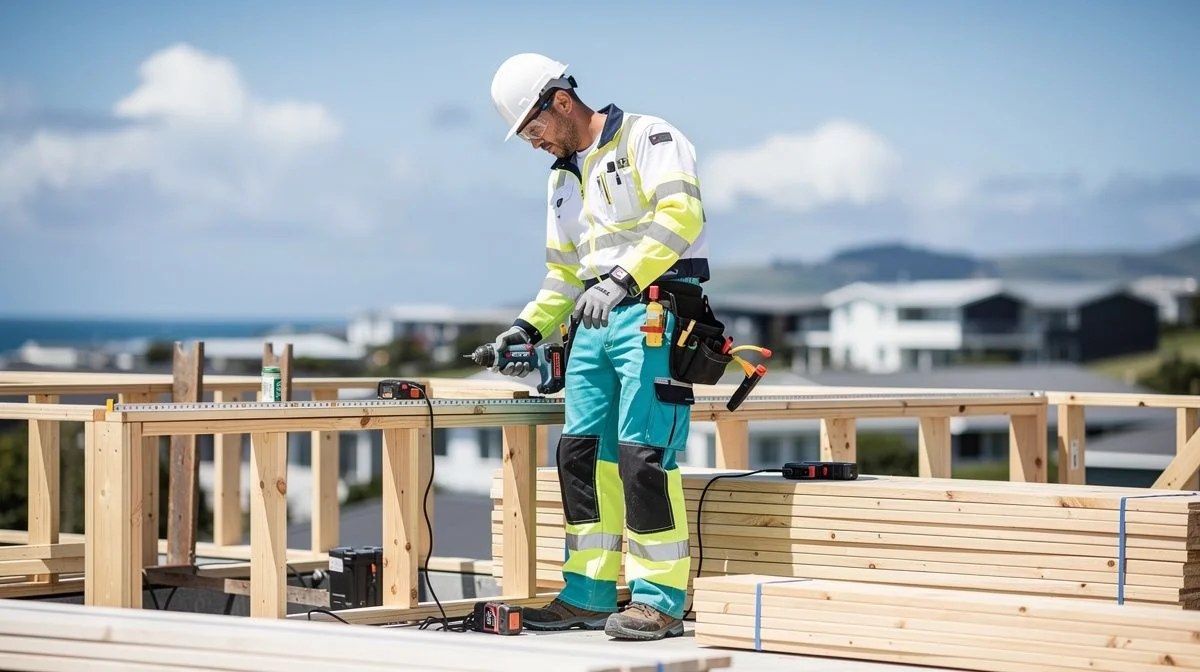
Choosing a Builder in New Plymouth: Why It Pays to Do This Properly
There’s a moment every homeowner in New Plymouth knows well. You’ve saved for years, you’ve sketched out the extension on napkins, and you’ve watched enough renovation shows to feel dangerously confident. Then you sit down with your first builder, and suddenly the whole thing feels real. The numbers are bigger than you expected, the timeline is longer, and there are terms being thrown around that you don’t quite understand. This is exactly why choosing a builder deserves proper time and attention, not a rushed decision based on who answered their phone first.
New Plymouth has its own unique building landscape that makes this choice even more important. We’re not dealing with the same conditions as Auckland or Christchurch. Our coastal climate brings salt-laden air that affects materials differently. Our volcanic soils, particularly around the older suburbs closer to the mountain, can shift and settle in ways that catch inexperienced builders off guard. And the council consent process here has its own rhythms and bottlenecks that a local builder will know intimately, while an out-of-towner might stumble through.
The stakes are genuinely high. A poor builder choice can cost you tens of thousands of dollars in rectification work, months of delayed timelines, and a level of stress that seeps into every other part of your life. On the flip side, a great builder relationship can make the entire process feel almost enjoyable. You’ll get honest advice, fair pricing, and a finished result that adds real value to your home and your daily life. The difference rarely comes down to luck. It comes down to how much homework you do before you commit.
One of the most common mistakes we see in Taranaki is homeowners jumping at the first available builder, largely because good builders here are busy. There’s a genuine labour shortage in the region, and it’s tempting to lock in anyone with a pulse and a hammer. But that scarcity cuts both ways. A builder who’s run off their feet might take on your project and then leave you waiting weeks between site visits. They might rush through the early stages to fit you in, cutting corners on the prep work that matters most.
Another New Plymouth-specific quirk is the mix of housing stock. We have beautiful character homes in areas like the CBD fringe and Moturoa that need careful, sympathetic renovation work. We also have a growing number of modern builds in new subdivisions like Ferndale and Waiwhakaiho that require a different skillset entirely. The builder who excels at restoring a 1920s villa might not be the right fit for a sleek new architectural home, and vice versa. You need someone whose experience matches your project type.
The weather here also plays a bigger role than people expect. New Plymouth gets a decent amount of rain, and the wind can be relentless at certain times of year. A good local builder plans for this. They’ll schedule exterior work around the seasons, they’ll have proper weather protection in place, and they won’t just shrug when a storm rolls in. An inexperienced builder might try to push through and end up with moisture issues that show up months later.
Then there’s the consent side of things. The New Plymouth District Council has been working through a backlog of building consent applications, and wait times have fluctuated significantly. A builder who works in the region regularly knows the council’s expectations, knows which inspectors to expect, and knows how to prepare documentation so it sails through first time. That local knowledge is worth real money when you’re paying interest on a construction loan while you wait.
You also need to think about the subcontractor network. Every builder relies on electricians, plumbers, roofers, and plasterers. In New Plymouth, the good subcontractors are booked out weeks or even months in advance. Established builders have relationships with these trades, meaning they can get your job prioritised. Newer or less-connected builders might be waiting around for a sparky to free up, and that waiting time still gets charged to you in one way or another.
Finally, there’s the simple matter of trust. You’re letting someone into your most personal space. They’re going to see your home at its messiest, they’re going to make decisions that affect how you live for decades, and they’re going to handle a significant chunk of your savings. You need to genuinely like and respect the person you’re working with. That’s not a luxury, it’s a necessity. If you don’t feel comfortable asking questions or raising concerns, the whole project will suffer.
So yes, choosing a builder properly takes time and effort. You’ll need to research, interview, check references, and compare quotes. But that effort is the single best investment you can make in your project. The right builder will save you money, stress, and heartache. The wrong one will cost you all three. Take the time now, and you’ll thank yourself later.
How Builder Pricing Actually Works in New Plymouth
Let’s talk money, because that’s what everyone really wants to know about. Builder pricing in New Plymouth follows some general patterns, but there’s a lot of variation depending on the type of project, the materials you choose, and the specific builder you’re talking to. Understanding how the numbers are put together will help you make sense of the quotes you receive and avoid any nasty surprises down the track.
First, the basics. Builders typically charge for two things: labour and materials. Labour rates in New Plymouth currently sit somewhere in the range of $80 to $120 per hour for a qualified builder, though this can vary. Some builders charge a flat rate per square metre for certain types of work, while others prefer to price each job individually. The rate you’re quoted will depend on the builder’s experience, their overheads, and how busy they are at the time.
For new builds, you’re generally looking at somewhere between $2,500 and $4,000 per square metre in New Plymouth, depending on the specification. A simple, straightforward build with standard materials will come in at the lower end. A more complex architectural design with premium fixtures and fittings will push towards the higher end. These figures include labour, materials, and the builder’s margin, but they don’t include things like land purchase, council fees, or professional design fees.
Renovations are a different beast entirely. Because you’re working within an existing structure, there are always surprises lurking behind walls and under floors. A bathroom renovation in New Plymouth might cost anywhere from $25,000 to $60,000 or more, depending on the size and quality of fixtures. A kitchen renovation typically ranges from $30,000 to $80,000. A full house renovation, where you’re essentially gutting and rebuilding the interior, can easily run to $200,000 or more.
Extensions sit somewhere in between. Adding a bedroom and bathroom to an existing home in New Plymouth will typically cost between $150,000 and $300,000, depending on the size and complexity. The key cost driver here is whether you’re building over existing foundations, dealing with a sloping site, or needing to upgrade services like electrical and plumbing to cope with the additional load.
Recladding is a growing market in New Plymouth, particularly for homes built in the 1990s and 2000s that are showing signs of weathertightness issues. A full reclad can cost anywhere from $100,000 to $250,000 or more, depending on the size of the home and the cladding material you choose. This is one area where it really pays to get multiple quotes, because the variation in pricing can be significant.
Local demand plays a huge role in pricing. New Plymouth has been through periods of intense building activity, and when demand outstrips supply, prices go up. Builders know they can charge a premium when they’re turning away work. Conversely, if there’s a downturn and builders are hungry for work, you might find more competitive pricing. Right now, the market is reasonably strong, so expect quotes to reflect that.
Why do quotes vary so much between builders for the same job? There are several reasons. Some builders price their work more conservatively, building in allowances for unexpected issues. Others quote lean and then hit you with variations when problems arise. Some builders have higher overheads, with bigger offices and more admin staff, and those costs get passed on. And some simply value their work differently, positioning themselves as premium providers.
When you receive a quote, you need to understand what type of pricing you’re being offered. An estimate is exactly what it sounds like: a rough figure that could go up or down. A fixed-price quote means the builder is committing to complete the work for that amount, subject to certain conditions. A cost-plus arrangement means you pay the actual cost of labour and materials plus a percentage or fixed fee on top. Each has its pros and cons.
Fixed-price quotes are great for peace of mind, but they often include a contingency buffer, so you might be paying for risks that never eventuate. Cost-plus can work well if you trust your builder and want transparency, but it can also lead to budget blowouts if costs spiral. Estimates are really only useful for initial planning purposes. The best approach for most homeowners is to get a detailed, line-item quote that breaks down the costs so you can see exactly what you’re paying for.
One thing to keep in mind is that the cheapest quote is rarely the best value. A builder who prices significantly below the market is either cutting corners, planning to hit you with variations, or simply doesn’t know what they’re doing. The most expensive quote isn’t necessarily the best either. Look for the builder who provides a detailed, transparent breakdown and can explain their pricing clearly. That’s the sign of a professional who knows their business.
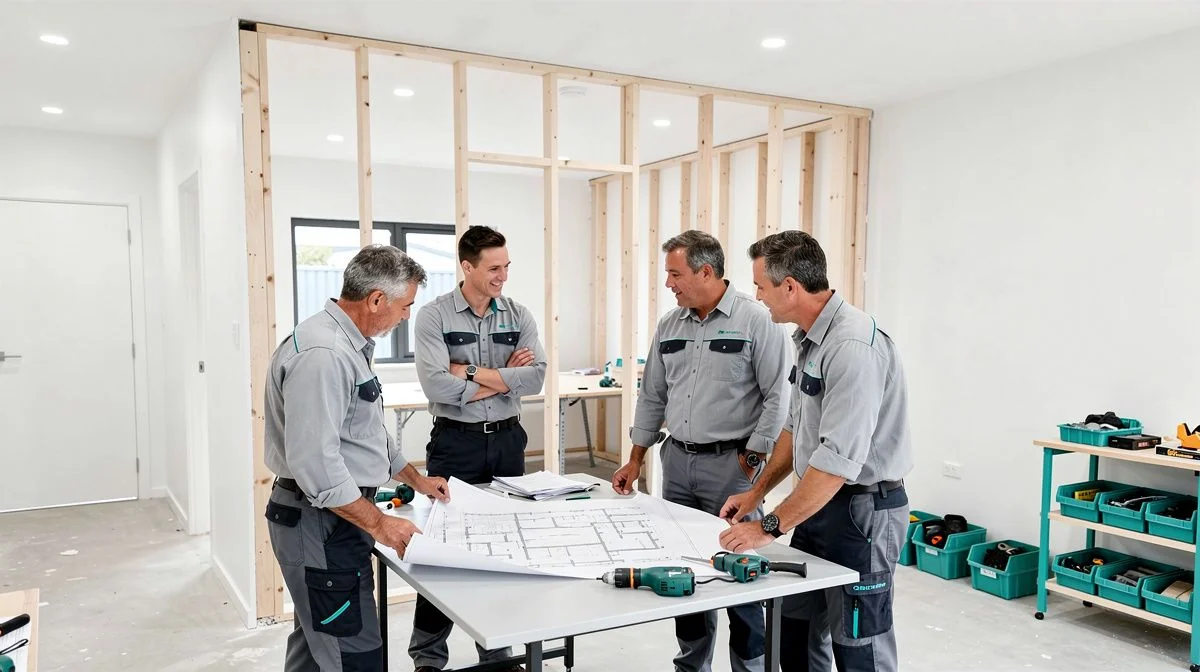
Our Trusted Builders
We feature businesses that demonstrate strong performance, proven experience, and consistently positive customer feedback. Some of the providers listed may have commercial relationships with us, but all are selected based on quality and reliability.
To begin, reach out to them and speak with them directly — this helps you explain your job, ask questions, and confirm whether they're the right fit.
Hofmans Builders & eHaus Taranaki are Registered Master Builders specialising in architectural and high performance homes in New Plymouth. Our award-winning team have been providing a personal and first-class service to our clients for over 20 years. We're the licensed builder of eHaus high performance homes in the Tar
How to Compare Quotes Properly (Without Losing Your Mind)
Getting quotes from multiple builders is essential, but comparing them can feel like trying to compare apples with oranges when every builder presents their pricing differently. Some give you a single lump sum. Others break everything down line by line. Some include items that others leave out. The key to making sense of it all is to prepare a clear, detailed scope of work before you even start contacting builders, and then insist that every quote responds to that same scope.
Your scope of work is the foundation of everything. It should describe, in as much detail as possible, what you want done. Include room dimensions, materials you’re hoping to use, the quality of finishes you expect, and any specific requirements you have. If you’re renovating a kitchen, specify the type of cabinetry, benchtop material, appliance package, and lighting. If you’re building an extension, describe the layout, window placements, and roofing requirements. The more detail you provide, the more comparable your quotes will be.
When the quotes come in, don’t just look at the bottom line. Go through each one line by line and check what’s included. One builder might include demolition and disposal costs in their quote, while another might leave those out. One might include GST, while another might have forgotten to add it. One might include a contingency allowance, while another assumes you’ll handle any surprises yourself. These differences can be significant, so you need to dig into the detail.
Red flags to watch out for include quotes that are significantly lower than the others without a clear explanation, quotes that use vague language like “from” or “approximately” without any commitment, and quotes that don’t include any allowance for variations or unexpected issues. Also be wary of builders who refuse to provide a written quote, who pressure you to sign quickly, or who seem evasive when you ask questions about their pricing.
Bait-and-upgrade pricing is a real problem in the building industry. This is where a builder quotes a low price to win the job, then hits you with a series of variations once work is underway. They might claim that the wiring needed upgrading, that the walls were not as straight as expected, or that the materials you chose were more expensive than the ones they quoted for. Some of this is legitimate, but some is a deliberate strategy to inflate the final bill. The best defence is a detailed contract that specifies exactly what’s included and what’s not.
To avoid budget blowouts, make sure your quote includes a contingency allowance. A typical contingency is around 10% of the total project cost, and it’s there to cover unexpected issues that arise during the build. If the builder doesn’t include one, ask why. If they say they don’t need one, be suspicious. Every building project has surprises, and pretending otherwise is either naive or dishonest.
Negotiating with builders is possible, but it needs to be done respectfully. Don’t just ask for a discount; that’s likely to get you a worse result. Instead, ask if there are ways to reduce costs without compromising quality. Could you use a different material that’s cheaper but still looks great? Could you phase the work to spread the cost? Could you do some of the demolition or painting yourself to save on labour? Builders are often happy to work with you on these things if you approach it as a collaboration rather than a confrontation.
It’s also worth remembering that the relationship with your builder will last longer than the quote. If you find a builder you trust and who communicates well, that’s worth something. A slightly higher quote from a builder you’re confident in is often a better choice than a cheaper quote from someone you’re not sure about. Trust your instincts, but back them up with solid research and clear communication.
How to Choose the Right Builder in New Plymouth: A Practical Checklist
You’ve done your research, you’ve shortlisted a few builders, and now you’re ready to make a decision. This is where having a structured checklist helps you stay focused and avoid getting swept up in emotions. Here’s a practical, print-and-take-to-meeting checklist that covers the essentials.
First, check that the builder is a Licensed Building Practitioner. This is a legal requirement for anyone doing restricted building work, which includes most structural work on homes. The LBP system ensures builders have the necessary skills and experience. You can verify a builder’s LBP status online through the official register. Ask to see their licence and note down their registration number so you can check it later.
Next, view their past work. A good builder will be proud to show you examples of projects they’ve completed. Ask if you can visit a recent project, ideally one that’s similar to yours. Walk around, look at the quality of the finishes, check the alignment of doors and windows, and ask the homeowner about their experience. If the builder can’t or won’t provide references, that’s a major red flag.
Get references and actually call them. Prepare a few questions in advance. Were they happy with the quality of work? Did the builder stick to the timeline? Did they communicate well? Were there any issues, and how were they resolved? Would they hire the builder again? These conversations give you real insight into what it’s like to work with the builder over an extended period.
Check their insurance. Every reputable builder should have public liability insurance, which covers damage to your property or injury to people during the build. They should also have workers’ compensation insurance for their employees. Ask to see certificates of insurance and verify they’re current. If a builder is evasive about insurance, walk away. It’s not worth the risk.
Read the contract carefully before you sign. Make sure it includes a detailed scope of work, a clear payment schedule, a start date and estimated completion date, and a process for handling variations. It should also include provisions for what happens if the builder doesn’t complete the work on time or if disputes arise. If the contract is vague or one-sided, ask questions or get legal advice before signing.
Ask about guarantees. Reputable builders will offer a workmanship warranty, typically covering their work for a period of time after completion. Some builders are members of industry associations that provide additional guarantees. Ask what happens if something goes wrong after the build is complete and get the guarantee in writing.
Finally, trust your gut. After meeting with a builder, ask yourself how you felt. Were they listening to you? Did they seem genuinely interested in your project? Did they ask good questions? Did they explain things clearly? The relationship you have with your builder will be tested over the course of the project, and starting with a solid foundation of trust and respect is essential.
Builder Availability in New Plymouth: The Brutal Truth
Let’s be honest about something that nobody in the building industry likes to talk about openly: good builders in New Plymouth are hard to get. The region has been through cycles of intense building activity, and the current market is no exception. If you’re planning a project, you need to factor in availability, not just price and quality. A great builder who can’t start for six months might not be the right choice if you need work done sooner.
Seasonal demand plays a significant role in New Plymouth. The summer months, from roughly November through to March, are the busiest time for builders. The weather is better, so exterior work can proceed without delays, and many homeowners want to have their projects completed before Christmas. If you’re contacting builders in spring hoping for a summer start, you’re likely to be disappointed. The good builders are already booked up.
Council bottlenecks also affect availability. When the New Plymouth District Council is processing consents slowly, it creates a knock-on effect. Builders can’t start work until consents are approved, so projects get pushed back. This means that even if a builder has capacity in their schedule, they might not be able to commit to a start date until the consent situation is clear. It’s a frustrating cycle that affects everyone.
Subcontractor shortages are another major factor. Electricians, plumbers, roofers, and other trades are in high demand across the region. Good subcontractors are often booked out weeks or months in advance. When a builder can’t get a sparky to site, the whole project stalls. Established builders with long-standing relationships with subcontractors have an advantage here, as they can often get their jobs prioritised. Newer builders might struggle to secure reliable trades.
Labour shortages in the broader construction industry also play a part. New Plymouth, like much of New Zealand, has struggled to attract and retain skilled builders. Many experienced tradespeople have retired or moved to Australia, and the pipeline of new apprentices has been slow to fill the gap. This means the available builders are stretched thin, and their time is at a premium.
So what can you do about it? The practical advice is to start your builder search early, ideally six to twelve months before you want work to begin. Contact builders, explain your project, and ask about their availability. If they’re booked out, ask for a recommendation or ask when they might have capacity. Be flexible with your timeline if you can, as this opens up more options. And be prepared to make a decision when a good builder becomes available, rather than waiting for the perfect quote that never comes.
Common Mistakes Homeowners Make When Hiring a Builder
We’ve seen it all over the years, and some mistakes come up again and again. Learning from other people’s errors is much cheaper than making your own, so here are the most common pitfalls to avoid when hiring a builder in New Plymouth.
The first and most damaging mistake is choosing the cheapest quote without looking at anything else. It’s natural to want to save money, but the cheapest builder is often the cheapest for a reason. They might be cutting corners on materials, using less experienced labour, or planning to hit you with variations later. A significantly lower quote should be a red flag, not a cause for celebration. You need to understand why it’s cheaper before you commit.
Not checking references is another classic error. Builders will always provide references they expect to give you positive feedback, but that doesn’t mean you shouldn’t call them. Ask specific questions about the builder’s communication, adherence to timelines, and willingness to resolve issues. One bad reference among several good ones might be a personality clash, but a pattern of negative feedback is a warning you should heed.
Vague scopes of work are a recipe for disaster. If you don’t clearly define what you want done, the builder will make their own assumptions, and those assumptions might not match yours. You’ll end up with a finished product that doesn’t meet your expectations, or a series of variations that blow out your budget. Take the time to write down exactly what you want, and make sure the builder agrees with it before work starts.
Paying too much upfront is another common mistake. Reputable builders will ask for a deposit, but it should be reasonable, typically 10% or less of the total project cost. If a builder asks for a large deposit, particularly before they’ve done any work, that’s a warning sign. You should never pay the full amount upfront, and you should always have a payment schedule that ties payments to completed milestones.
Making assumptions is a trap that catches many homeowners. You assume the builder will include something in their quote, but they don’t. You assume they’ll manage the consent process, but they expect you to handle it. You assume they’ll clean up after themselves, but they leave the site in a mess. The solution is to ask questions and get everything in writing. Never assume anything, because assumptions lead to disappointment.
Changing your mind mid-project is another way to blow your budget. Every change, no matter how small, involves additional work and cost. The builder has to stop what they’re doing, work out the new plan, and potentially order new materials. This all takes time and money. If you’re prone to indecision, make sure you’ve finalised your plans before work starts, and be prepared to pay for any changes you make later.
Skipping the contingency fund is a mistake that can leave you in real trouble. Building projects always have surprises, whether it’s rotten timber behind a wall, unexpected wiring issues, or delays caused by weather. If you don’t have a buffer in your budget, these surprises can become financial crises. Set aside at least 10% of your total budget for contingencies, and don’t touch it unless you really need it.
Payment Stages and Financial Protections
Understanding how payments work in the building industry is essential for protecting yourself financially. The days of handing over a big lump sum and hoping for the best are long gone. Reputable builders in New Plymouth use structured payment schedules that tie payments to completed milestones, protecting both you and them.
A typical payment schedule for a building project might look something like this. You’ll pay a deposit upfront, usually around 10% of the total contract value, to secure the builder’s time and cover initial costs like ordering materials. Then you’ll make progress payments at agreed milestones, such as completion of the foundations, framing, roof, and so on. The final payment is made when the work is complete, and you’re satisfied with the result.
Progress claims are formal requests for payment that the builder submits at each milestone. They should include details of the work completed and the amount being claimed. You should inspect the work before paying a progress claim to make sure it’s been done to the standard you expect. If you’re not happy, you can withhold payment until the issues are resolved, though you should do this carefully and in accordance with the contract.
Retentions are a common feature of commercial construction contracts, but they’re less common in residential work. A retention is a percentage of each progress payment that is held back until the project is complete, as a form of protection for the homeowner. If the builder fails to complete the work or fix defects, you can use the retention to pay someone else to do it. Not all residential builders use retentions, but it’s worth asking about.
Variations are changes to the original scope of work, and they’re a common source of confusion and disputes. Any variation should be agreed in writing before the work is done, including the cost and the impact on the timeline. If a builder starts doing extra work without agreeing to a variation first, you should question it. Some builders will try to present variations after the fact, which puts you in a difficult position. A good contract will have a clear process for handling variations.
How do reputable builders handle payments? They’re transparent about their payment schedule from the start; they provide clear invoices that detail the work completed, and they don’t ask for large upfront payments. They’re also willing to discuss the schedule and answer any questions you have. If a builder is vague about payments or tries to pressure you into paying more than you’re comfortable with, that’s a warning sign.
There are also legal protections available to you. The Construction Contracts Act provides a framework for resolving payment disputes, including the ability to suspend work if payments are not made. The Building Act also provides protections around the issue of the code compliance certificate and the ability to make claims for defective work. Understanding these protections gives you confidence when dealing with builders.
Guarantees, Insurance and Compliance: The Legal Stuff
The legal side of building can feel overwhelming, but it’s important to understand the basics so you know what protections you have and what obligations your builder has. Let’s break it down into the key areas: licensing, guarantees, insurance, and compliance.
Licensed Building Practitioners, or LBPs, are the people who are legally allowed to carry out restricted building work. This includes structural work, weathertightness, and fire safety systems. To become an LBP, a builder must demonstrate their skills and knowledge and meet ongoing competency requirements. When you hire an LBP, you have the assurance that they meet a minimum standard of competence. You can verify a builder’s LBP status online through the official register.
Industry associations like Master Builders and Certified Builders provide additional levels of assurance. Builders who are members of these organisations have agreed to follow a code of ethics and meet certain standards. Many also offer guarantees on their work through the association’s warranty schemes. These guarantees can provide valuable protection if something goes wrong after the build is complete. However, it’s important to read the terms of any guarantee carefully to understand what’s covered and what’s not.
Public liability insurance is a must-have for any builder. This covers damage to your property or injury to people during the build. If a builder doesn’t have public liability insurance, you could be liable for any accidents or damage that occur. Always ask to see a certificate of insurance and verify it’s current. Workers’ compensation insurance is also important, as it covers the builder’s employees if they’re injured on the job.
Workmanship warranties are another form of protection. Under the Building Act, builders are required to fix defective work for a period of time after the build is complete. The standard period is typically one year for minor defects and up to ten years for more serious issues like weathertightness failures. However, these statutory warranties have limitations, and it’s often worth getting an extended warranty from a reputable builder or industry association.
Building consent obligations are a critical part of any building project. Most significant building work requires a building consent from the council before work can begin. The consent process involves submitting detailed plans and specifications, paying fees, and waiting for approval. Once work is underway, the council will conduct inspections at key stages to ensure the work complies with the consent and the Building Code. At the end of the project, you’ll receive a code compliance certificate, which is your official record that the work has been completed properly.
It’s also worth understanding the role of the building inspector. Inspectors are employed by the council to check that work complies with the Building Code and the approved plans. They’re not there to catch you out, but to ensure safety and quality. If an inspector raises issues, it’s better to address them promptly than to try to hide them. A good builder will have a positive relationship with local inspectors and will know how to prepare for inspections.
Timeline Expectations: How Long Things Actually Take
Building projects always take longer than you expect. It’s a universal truth that applies whether you’re renovating a bathroom or building a new home from scratch. Understanding realistic timelines will help you plan properly and avoid frustration when things inevitably take a bit longer than the optimistic forecast.
Let’s start with some typical durations. A bathroom renovation in New Plymouth typically takes between three and six weeks, depending on the complexity. A kitchen renovation takes a similar amount of time. A full house renovation, where you’re gutting and rebuilding the interior, can take anywhere from three to six months. An extension typically takes four to eight months. A new build, from breaking ground to handing over the keys, usually takes nine to eighteen months, depending on the size and complexity.
These are rough figures, and many factors can push them out. Weather is one of the biggest causes of delays in New Plymouth. Rain can stop exterior work like roofing and cladding, and high winds can make working at height dangerous. Winter months typically see more weather-related delays than summer. A good builder will plan for this and build some buffer into their schedule, but they can’t control the weather.
Council processes are another common source of delays. Getting a building consent can take anywhere from a few weeks to a few months, depending on the complexity of the project and the council’s workload. Inspections also need to be booked in advance, and if an inspector finds issues, you’ll need to fix them and book another inspection. These delays can add weeks to a project.
Materials delays are becoming increasingly common. Supply chain issues have affected the building industry globally, and New Zealand is not immune. Certain materials might be on backorder for weeks or months. A good builder will order materials well in advance and have contingency plans for delays, but sometimes there’s nothing anyone can do.
Variations are another major cause of timeline slippage. Every time you change something, the builder has to stop work, work out the new plan, and potentially order new materials. This all takes time. If you make multiple changes during the build, the timeline can quickly balloon. The best way to avoid this is to finalise your plans before work starts and resist the urge to tinker.
Be realistic when planning your project. Add a buffer of at least 20% to the builder’s initial timeline estimate. If they say the project will take six months, plan for eight. This gives you breathing room if things go wrong and reduces stress. It also means you won’t be disappointed if the project takes a bit longer than the optimistic forecast.
Communication and Project Management: The Glue That Holds It Together
Good communication is the difference between a building project that runs smoothly and one that descends into frustration and disputes. The best builder in the world can’t deliver a good result if they don’t communicate effectively with you. Here’s what good communication looks like and how to set yourself up for success.
From the very first meeting, pay attention to how the builder communicates. Do they listen to your ideas, or do they talk over you? Do they explain things clearly, or do they use jargon and assume you understand? Do they answer your questions directly, or do they deflect and avoid? These early interactions are a good indicator of how the rest of the project will go.
A good builder will provide regular progress updates. This might be a weekly email, a phone call, or a quick chat on site. They’ll let you know what’s been done, what’s happening next, and any issues that have arisen. They won’t wait for you to chase them for information. If you’re constantly having to ask what’s going on, that’s a sign communication isn't a priority for them.
Managing expectations is a key part of good communication. A good builder will be honest about timelines, costs, and potential issues. They won’t tell you what you want to hear if it’s not realistic. They’ll flag potential problems early and give you options for how to address them. This honesty might be uncomfortable in the short term, but it saves a lot of pain in the long run.
Disputes are much easier to avoid than to resolve. Most disputes arise from misunderstandings and unmet expectations. Clear communication from the start can prevent most of these. Make sure you understand the contract, the scope of work, the payment schedule, and the process for handling variations. If something is unclear, ask for clarification. If you’re not happy with something, raise it early; don’t let it fester.
Real-world examples are plentiful. We’ve seen projects where a homeowner assumed the builder would include landscaping in the quote, and the builder assumed the homeowner knew it wasn’t included. The result was a bitter dispute at the end of the project. A simple conversation at the start would have avoided the whole mess. Similarly, we’ve seen projects where a builder flagged a potential issue early, and the homeowner was grateful for the heads-up, even though it meant extra cost.
When you’re choosing a builder, ask about their communication approach. How often will they provide updates? What’s the best way to reach them? Who is the main point of contact? Do they use project management software that you can access? A builder who has thought about these questions and has a clear communication plan is more likely to deliver a smooth project.
The Consent Pathway: A Simple Overview
Building consent is one of those things that sounds intimidating but is actually quite straightforward once you understand the basics. It’s essentially the council’s way of making sure your building project is safe, healthy, and complies with the Building Code. Here’s a plain-English overview of how it works.
First, you need to work out whether your project requires building consent. Most significant building work does. This includes new builds, extensions, structural alterations, and changes to plumbing or drainage. Some minor work is exempt, such as small sheds, single-storey garages under a certain size, and some interior renovations that don’t affect structural elements. The New Plymouth District Council has a list of exemptions on their website, and you can also call them to ask about your specific project.
If your project requires consent, you’ll need to submit an application to the council. This includes detailed plans and specifications, typically prepared by an architect, designer, or draughtsperson. The application also includes information about the site, the proposed work, and how it complies with the Building Code. You’ll need to pay a fee, which varies depending on the size and complexity of the project.
The council has a statutory timeframe for processing consent applications. In New Plymouth, this is typically around 20 working days, though it can be longer for complex projects or if the application is incomplete. The council will review your application and may request more information. Once they’re satisfied, they’ll issue a building consent, which gives you the green light to start work.
Resource consent is a separate process that applies to projects that don’t comply with the district plan. This might include things like building too close to a boundary, exceeding height limits, or changing the use of a property. Resource consent is more complex and takes longer than building consent, and not all projects require it. Your architect or builder should be able to advise you on whether resource consent is needed.
Engineering reports are sometimes required as part of the building consent process. This is particularly common in New Plymouth, where soil conditions can be challenging. A geotechnical engineer might need to assess the ground conditions and recommend appropriate foundations. A structural engineer might need to design specific elements of the build. These reports add time and cost to the consent process, but they’re essential for ensuring the safety of your project.
Once work is underway, the council will conduct inspections at key stages. These typically include inspections of the foundations, framing, insulation, waterproofing, and final completion. You or your builder will need to book these inspections in advance, and the work can’t proceed past each stage until the inspection has been passed. This might seem like a hassle, but it’s an important quality control measure.
At the end of the project, once all inspections have been passed and any issues have been resolved, the council will issue a code compliance certificate. This is your official record that the work has been completed in accordance with the building consent and the Building Code. You’ll need this certificate when you sell the property, and it provides evidence that the work is compliant. Keep it safe.
New Plymouth-Specific Building Challenges
Building in New Plymouth comes with its own unique set of challenges that you won’t necessarily face in other parts of the country. Understanding these challenges before you start will help you prepare properly and avoid surprises down the track.
First, the weather. New Plymouth gets a significant amount of rainfall, with an average of around 1,400 millimetres per year. That’s more than many other parts of New Zealand. Rain can delay exterior work, cause moisture issues if not managed properly, and make working conditions difficult. The wind is also a factor, particularly in the spring months. Strong winds can make working at height dangerous and can damage materials that aren’t properly secured. A good local builder will plan for these conditions and have strategies for managing them.
Soil conditions are another major consideration. New Plymouth sits on the slopes of Mount Taranaki, a dormant volcano, and the region has a mix of volcanic and alluvial soils. Some areas have heavy clay soils that expand and contract with moisture changes, which can cause movement in foundations. Other areas have sandy soils that are less stable. A geotechnical assessment is often recommended, particularly for new builds or significant extensions. This will identify any issues and inform the foundation design.
Sloping sites are common in New Plymouth, particularly in the suburbs that climb the hillsides towards the mountain. Building on a slope adds complexity and cost. You might need retaining walls, pile foundations, or stepped floor levels. Access can be challenging for machinery and materials. Stormwater management becomes more critical. A builder with experience on sloping sites is essential if your property has significant elevation changes.
Coastal exposure is a factor for properties closer to the sea. Salt-laden air can corrode certain materials, particularly metals. Windows and doors need to be rated for coastal conditions, and exterior fixtures need to be resistant to corrosion. The wind can also be more intense near the coast. If you’re building or renovating a coastal property, you need to choose materials and designs that can withstand these conditions.
Heritage overlays are another New Plymouth-specific consideration. The city has several heritage areas, particularly in the older suburbs like the CBD fringe, Moturoa, and Fitzroy. If your property is in a heritage area, there may be restrictions on what you can do. Exterior alterations might need to be sympathetic to the character of the area, and some changes might not be permitted at all. It’s essential to check the district plan and talk to the council before planning significant work on a heritage property.
Local building styles also play a role. New Plymouth has a mix of character homes, mid-century bungalows, and modern builds. Renovating a character home requires a different approach to building new. You need to work with the existing style, match materials where appropriate, and ensure any additions blend seamlessly with the original structure. A builder who understands and appreciates these older homes will deliver a better result than one who only works on new builds.
Council processing times in New Plymouth have been a source of frustration for many homeowners. The council has worked to improve its consent processing times, but backlogs can still occur, particularly during busy periods. This can delay projects significantly. A builder who works regularly with the council knows how to prepare applications to minimise the chance of requests for further information, which can add weeks to the process.
Builder Types and Which One You Need
Not all builders are the same. They come in different shapes and sizes, with different specialities and different ways of working. Understanding the different types of builders will help you choose the right one for your specific project.
Renovation specialists focus on existing homes. They understand the challenges of working within an existing structure, dealing with unexpected issues, and matching new work to old. If you’re renovating a villa or a bungalow, a renovation specialist is often the best choice. They’ll have experience with the quirks of older homes and know how to get the best results.
New-build companies focus on constructing new homes from the ground up. They typically work from architectural plans and have established processes for managing construction. If you’re building a new home, a new-build company can offer efficiency and certainty. They often have relationships with subcontractors and suppliers that help keep the project on track.
Recladding specialists focus on the specific technical challenges of recladding existing homes. This is a niche area that requires specialised knowledge of weathertightness, cladding systems, and moisture management. If your home needs recladding, you want someone who has done it many times before, not someone who’s doing it for the first time.
Design-and-build firms offer both design and construction services. You work with one company from the initial concept through to completion. This can simplify the process, as you don’t need to coordinate between an architect and a builder. It can also save money, as the design is optimised for construction. However, you should be careful to ensure you’re getting independent advice, as the firm has an interest in the construction costs.
Small independents are typically one-person operations or small teams. They offer a personal service and are often more flexible than larger companies. They can be a great choice for smaller projects, renovations, and maintenance work. However, they may have less capacity for larger projects, and you need to check their insurance and licensing carefully.
Large companies have more resources and can take on bigger projects. They have administrative staff to handle paperwork, project managers to oversee the build, and more subcontractors on call. They can offer more certainty and accountability. However, they can also be less personal, and you might not have direct access to the person actually doing the work.
Project-management-led firms offer a different model. They manage the project, coordinate subcontractors, and oversee the build, but they don’t employ their own builders. This can work well if you want a single point of contact and a hands-off approach. However, you need to be comfortable with the project manager’s ability to coordinate and manage the various trades.
How to Prepare for Your First Meeting With a Builder
You’ve shortlisted a few builders and booked initial meetings. Now you need to make the most of those meetings. Preparation is key to getting the information you need and making a good impression. Here’s how to prepare for your first meeting with a builder.
First, gather your documents. If you have plans, drawings, or sketches of what you want done, bring them along. If you’ve had a designer or architect involved, bring their work. If you have photos of problems or inspiration from magazines or online, bring those too. The more visual information you can provide, the easier it is for the builder to understand your vision.
Prepare a list of questions to ask. What experience do you have with this type of project? Can you provide references? What is your availability? How do you handle variations? What is your payment schedule? Do you have insurance? Are you a licensed building practitioner? These are all important questions, and having them written down ensures you don’t forget anything in the moment.
Describe your vision clearly. Explain what you want to achieve, why you’re doing the project, and what your priorities are. Be honest about your budget, even if it’s uncomfortable. A good builder needs to know your budget to give you realistic advice. If you’re not willing to share your budget, the builder can’t tell you whether your expectations are realistic.
Have the budget conversation early. You don’t need to give an exact figure, but you should give a range. This allows the builder to tell you whether your project is achievable within your budget or whether you need to adjust your expectations. It’s much better to find this out early than to get a quote that’s double what you can afford.
Watch for red flags during the meeting. Does the builder listen to you, or do they talk over you? Do they ask good questions, or do they make assumptions? Do they seem genuinely interested in your project, or are they just going through the motions? Do they explain things clearly, or do they use jargon and assume you understand? Trust your instincts. If something feels off, it probably is.
Take notes during the meeting. You’ll be meeting multiple builders, and it’s easy to forget who said what. Write down key points, impressions, and any concerns. After the meeting, review your notes and compare the builders. You might find that one stands out for the right reasons, or you might identify questions you need to ask in follow-up.

Best Builders for Different Project Types in New Plymouth
Different projects require different skills and experience. Here’s a guide to the types of builders that are best suited to different project types in New Plymouth, based on what we know about the local market.
For villa renovations, you want a builder who specialises in character homes. They’ll understand the construction methods used in older buildings, know how to work with existing materials, and appreciate the importance of maintaining the home's character. Look for a builder who has completed similar projects and can show you examples of their work on older homes.
For extensions, you need a builder who can manage the complexity of working on an existing structure while adding new space. They need to understand how to tie new construction into old, manage the interface between the two, and ensure the result is seamless. Look for a builder who has done extensions on similar homes and can demonstrate their ability to manage the logistics.
For recladding, you need a specialist. Recladding is a technical process that requires specific knowledge of weathertightness, cladding systems, and moisture management. A general builder might be able to do it, but a specialist will do it better and with fewer issues. Look for a builder who has completed multiple reclads and can provide references from those projects.
For new builds, you want a company with experience in the type of home you’re building. If you’re building a standard spec home, a new-build company with established processes is a good choice. If you’re building a more architectural home, you need a builder who can work with complex designs and achieve high-quality finishes. Look at their portfolio and see if their previous work matches your vision.
For architectural projects, you need a builder who can work with an architect and deliver a high level of craftsmanship. These projects often involve complex details, unusual materials, and tight tolerances. Not every builder is up to this challenge. Look for a builder who has completed similar architectural projects and can demonstrate their ability to deliver on complex designs.
For small jobs, like a bathroom renovation or a deck, you don’t need a large company. A small independent builder or a renovation specialist is often the best choice. They’ll be more flexible, more personal, and often more affordable for smaller projects. Just make sure they have the relevant experience and insurance.
For coastal builds, you need a builder who understands the challenges of building in a coastal environment. They’ll know which materials are suitable, how to protect against corrosion, and how to design for wind and weather. Look for a builder who has completed projects near the coast and can show you examples of their work.
For rural builds, you need a builder who is comfortable working in a rural setting. This might involve longer commutes, limited access, and the need to be self-sufficient. A local builder who works in the rural areas around New Plymouth is often the best choice, as they’ll understand the local conditions and have relationships with local suppliers.
What Builders Wish Their Clients Knew
Builders see things from a different perspective than homeowners. They’re on the tools every day, dealing with the realities of construction, and they have insights that most clients never hear. Here’s what builders wish their clients knew before starting a project.
Good work costs more. It’s that simple. A builder who charges more might be doing so because they use better materials, employ more experienced tradespeople, or take more time to get the details right. The cheapest quote might save you money upfront, but it could cost you more in the long run if the work needs to be redone or doesn’t last. When you’re comparing quotes, think about value, not just price.
Timelines slip for reasons beyond our control. Builders want to finish on time just as much as you do. But weather, material delays, and unexpected issues all conspire against the best-laid plans. When a builder gives you a timeline, it’s an estimate, not a guarantee. Be prepared for delays and don’t blame the builder for things they can’t control.
Indecision costs money. Every time you change your mind, the builder has to stop work, work out the new plan, and potentially order new materials. This all takes time, and time is money. If you’re not sure what you want, take the time to decide before work starts. You’ll save yourself money and stress.
Paying on time matters. Builders have their own bills to pay, including subcontractors, suppliers, and their own wages. When you delay a payment, it has a ripple effect. It can delay the project, strain relationships, and make the builder less willing to go the extra mile for you. Pay on time, and you’ll get better service.
Fixed-price quotes need full design. If you want a fixed-price quote, you need to have a complete design with all the details finalised. If there are unknowns, the builder has to build in contingency, which means the quote will be higher. If you want to keep costs down, finalise your design before you ask for quotes.
We want you to be happy. Builders take pride in their work, and they want to deliver a result that you’ll love. When a project goes well, it’s good for everyone. When it goes badly, it’s stressful for everyone. A collaborative relationship, built on trust and communication, is the best way to get a great result.
How to Get the Best Results from Your Build
Getting the best results from your build is about more than just choosing the right builder. It’s about how you manage the project, how you communicate, and how you prepare. Here are some practical tips for getting the best possible outcome.
Prepare your brief thoroughly. The more detail you provide, the better the builder can understand your vision and deliver what you want. Include dimensions, materials, finishes, and any specific requirements. Don’t leave anything to chance. If you have photos or examples of what you like, share them. The more information the builder has, the better.
Choose materials early. Don’t leave material selections until the last minute. This delays the project and can lead to rushed decisions. Work with your builder or designer to select materials early in the process. This gives you time to compare options, find the best prices, and ensure materials are available when needed.
Avoid indecision. Once you’ve made a decision, stick with it. Changing your mind mid-project costs time and money. If you’re prone to indecision, make a list of all the decisions you need to make and work through them systematically. Get advice from your builder or designer if you’re unsure, but make the decision and move on.
Manage variations carefully. If you need to make a change, discuss it with your builder first, get a cost and timeline impact, and agree to it in writing before the work is done. Don’t let variations accumulate without understanding the cost. A good builder will help you understand the implications of any change before you commit.
Keep the project moving. Be available to make decisions, answer questions, and approve work. If the builder has to wait for you, the project stalls. Check in regularly, but don’t micromanage. Trust your builder to do their job, but stay informed about progress.
Avoid disputes. Most disputes arise from misunderstandings and unmet expectations. Clear communication from the start prevents most of these. If an issue arises, address it early and calmly. Don’t let it fester. A good relationship with your builder is the best protection against disputes.
Frequently Asked Questions
How much does a renovation cost in New Plymouth?
Renovation costs in New Plymouth vary widely depending on the scope of work. A bathroom renovation typically ranges from $25,000 to $60,000, a kitchen from $30,000 to $80,000, and a full house renovation from $200,000 upwards. Extensions generally cost between $150,000 and $300,000. The final cost depends on the size of the project, the quality of materials, and the complexity of the work. Getting detailed quotes from multiple builders is the best way to understand what your specific project will cost.
How long do building consents take in New Plymouth?
The statutory timeframe for building consent processing in New Plymouth is around 20 working days, but this can vary. Simple, well-prepared applications might be processed faster, while complex projects can take longer. Incomplete applications often require requests for further information, which adds time. It’s best to allow at least a month for consent processing, and longer if your project is complex or requires resource consent.
What is the difference between an estimate and a fixed-price quote?
An estimate is a rough figure that could go up or down. It’s useful for initial planning but not a commitment. A fixed-price quote is a commitment by the builder to complete the work for that amount, subject to certain conditions. Fixed-price quotes provide more certainty but often include a contingency buffer. Cost-plus arrangements, where you pay actual costs plus a fee, are another option. Understand which type of pricing you’re being offered before you commit.
How do I avoid budget blowouts?
The best way to avoid budget blowouts is to prepare a detailed scope of work, get multiple quotes, and include a contingency fund of at least 10% of your total budget. Finalise your design before work starts and avoid changes mid-project. Make sure your contract clearly specifies what’s included and what’s not. Communicate openly with your builder about your budget and ask them to flag any potential cost increases early.
What guarantees should I ask for?
Ask for a workmanship warranty, which covers defective work for a period after completion. The statutory minimum is typically one year for minor defects and up to ten years for serious issues. Builders who are members of industry associations like Master Builders or Certified Builders often offer extended guarantees through their warranty schemes. Ask for guarantees in writing and understand what’s covered and what’s not.
Should I get multiple quotes?
Yes, absolutely. Getting at least three quotes from different builders gives you a sense of the market range and helps you identify outliers. However, don’t just compare bottom lines. Compare the detail of each quote to ensure they’re covering the same scope of work. The cheapest quote isn’t always the best value, and the most expensive isn’t always the best quality. Use the quotes to inform your decision, not to make it for you.
What if something goes wrong during the build?
If something goes wrong, address it early and calmly. Talk to your builder first and give them the opportunity to fix the issue. Most builders want to resolve problems quickly. If you can’t reach an agreement, check your contract for dispute resolution procedures. The Construction Contracts Act provides a framework for resolving payment disputes. For serious issues, you may need legal advice. Document everything in writing and keep records of all communication.

The ValueHub Team built this site because finding clear, unbiased financial information in New Zealand was harder than it should be. Every guide is based on real research — we compare the actual fees, terms, and fine print so you don't have to. Our tip: shop around every year, read the policy docs, and never assume loyalty gets you the best deal.— The ValueHub Team
Try our Calculators
Use these free tools to crunch the numbers:
KiwiSaver Fund Comparison
Compare fees, returns, and risk levels across every KiwiSaver fund from all 31 NZ providers.
Currency Converter — USD to NZD
Convert US Dollars to New Zealand Dollars instantly. See the latest exchange rate and 30-day trend.
Mortgage Repayment Calculator
Calculate your weekly, fortnightly, or monthly mortgage repayments. Free NZ mortgage calculator — try different rates, terms, and repayment frequencies.
Compound Interest Calculator
See how your savings grow with compound interest over time. Free NZ compound interest calculator with yearly, monthly, and weekly compounding options.
Term Deposit Calculator
Calculate your term deposit returns before you lock in. Compare interest earned across different terms and rates with ValueHub's free calculator.
Savings Goal Calculator
Calculate how long it will take to reach your savings goal — and what monthly deposit you need to get there. Free NZ savings planner.
Builders in Other Cities
Latest Guides & Reviews
New Zealand Financial Markets Authority Guide: Investor Protection in NZ
Protect your investments with this practical guide to the FMA — how to check licences, spot scams, and what to do if a provider fails. Verified against...
comparisonEV Home Charger NZ: Costs & Buying Guide
Compare EV home charger costs in NZ — verified prices from $1,299, installation fees, smart features, and what actually matters for your home's power supply.
guideThe Most Popular EVs in New Zealand
The best-selling electric cars in New Zealand, ranked by official registration data. Top BEV and PHEV models and brands, updated monthly.
guideEV Market Stats
New Zealand's EV market in numbers — market share, fleet size, top-selling models and used imports, updated with the latest NZTA and MIA data.