Best Building Inspectors in Feilding
Published 13 January 2025 · Updated 30 June 2026
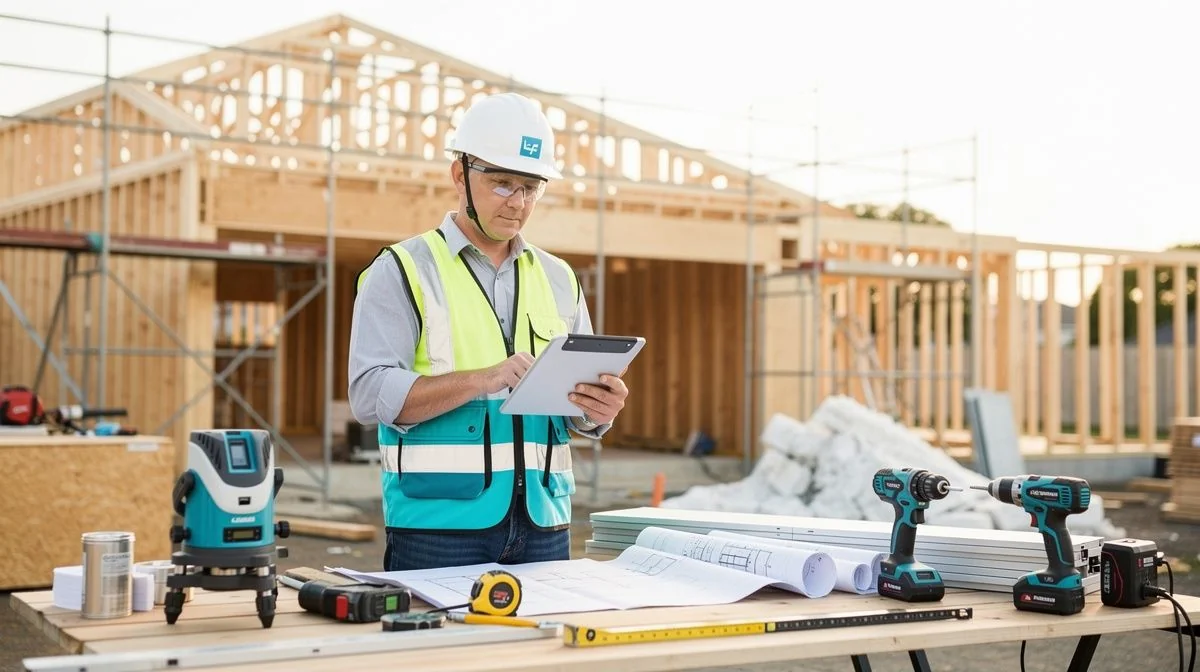
Best Building Inspectors in Feilding
If you're buying, selling, or renovating a property in Feilding, getting a thorough building inspection is one of the smartest moves you can make. Feilding has a mix of older character homes, modern builds, and rural properties, each with its own potential issues. A good building inspector will spot problems you might miss — from hidden moisture in a 1920s villa to structural concerns in a recently converted shed.
But finding the right inspector isn't just about picking a name off a list. You need someone who knows Manawatū-Whanganui's local building conditions, understands council requirements, and can give you a clear, unbiased report. Here's how to find the best building inspector in Feilding for your situation.
What to look for when hiring a Building Inspector in Feilding
Not all building inspectors are the same. Some are ex-tradespeople, others come from a surveying background, and a few are newly qualified. Here's what to check before you book.
- Relevant qualifications and membership – Look for inspectors who are members of the New Zealand Institute of Building Surveyors (NZIBS) or have a building surveying diploma. Membership to an industry body shows they follow a code of ethics and keep up with training.
- Local knowledge – An inspector who regularly works in Feilding will be familiar with local soil conditions, common weathertightness issues, and council compliance rules. Ask how many inspections they've done in the area recently.
- Insurance and liability cover – Professional indemnity insurance is a must. Without it, you have little recourse if the inspector misses a major defect.
- Sample reports – A good inspector will happily provide a sample report. Look for clear photos, plain English descriptions, and a logical structure. Reports that are vague or full of jargon are a red flag.
- Equipment used – Moisture meters, thermal imaging cameras, and borescopes are standard tools for a thorough inspection. Ask what equipment they use and how they interpret the results.
- References or reviews – Check Google reviews, TradeMe feedback, or ask the inspector for recent client references. People are often happy to share their experience, good or bad.
Also consider whether the inspector specialises in a particular type of property. Some are excellent on older villas but less familiar with modern monolithic cladding. Others focus on new builds or commercial properties. Match their expertise to your situation.
Key questions to ask before hiring
Before you commit, have a brief phone call or email exchange. These questions will help you separate the thorough inspectors from those who rush through the job.
- What does your inspection cover? – A standard inspection should include the roof, exterior, interior, subfloor, and immediate grounds. Ask specifically about the subfloor – some inspectors won't crawl into tight spaces unless you request it.
- Do you use a moisture meter and thermal imaging? – Moisture damage is one of the most common and costly issues in NZ homes. A good inspector uses a non-invasive moisture meter and often a thermal camera to detect hidden dampness.
- How long does the inspection take? – For an average 3-bedroom home, expect at least 45–90 minutes onsite. Anything shorter suggests a superficial check. Larger or older properties take longer.
- When do I get the report? – Most inspectors provide a written report within 24–48 hours. Ask if it's digital or printed, and whether you can call them to discuss findings.
- Are you insured and do you have professional membership? – As mentioned, this is non-negotiable. Ask for their policy details and membership number if they offer one.
- Will you climb onto the roof? – Some inspectors use a drone or binoculars from the ground. If you want someone physically on the roof, make that clear. Similarly, ask about access to the subfloor.
- What happens if you miss something? – A responsible inspector will have a clear complaints process. Ask what liability they accept and how they handle disputes.
Don't be shy about asking these questions. A reputable inspector will answer them clearly and without defensiveness. If they seem evasive or dismissive, look elsewhere.
Tips for getting the best results
Even the best inspector can only work with what's visible and accessible. Here's how to set yourself up for a thorough inspection — and avoid common pitfalls.
- Be present during the inspection – If possible, attend the inspection yourself. This gives you a chance to see issues firsthand, ask questions on the spot, and get a feel for the property. Most inspectors welcome attendance, though they may ask you to stay out of the way for safety.
- Clear the clutter – If you're the seller, move furniture away from walls and clear access to the subfloor hatch or roof cavity. For buyers, ask the vendor or real estate agent to do this before the inspection.
- Check the weather – A rainy day can reveal leaks that would be invisible in dry conditions. But it also limits roof access. Discuss with the inspector whether rain is an advantage or a disadvantage for your particular property.
- Read the full report – Don't skip to the summary. Look at every photo and note. Sometimes seemingly minor defects (like a slightly cracked tile) can indicate a bigger problem (like movement in the roof structure).
- Follow up on red-flagged issues – If the report identifies possible concerns like weathertightness or structural movement, consider getting a specialist to investigate further. A building inspector is not a structural engineer or a roofer – they may recommend a more detailed assessment.
- Consider a pre-purchase inspection before making an offer – Many buyers in Feilding make an offer conditional on a satisfactory building report. This protects you if major issues are found. Even if you're buying at auction (where conditions are rare), a pre-purchase inspection can help you set a realistic maximum bid.
Another tip: don't rely solely on a report from the vendor or agent. They may have hired a "light-touch" inspector who glosses over problems. Always get your own independent inspection.
A note about costs and getting quotes
Building inspection costs in Feilding typically range from about $400 to $800 for a standard 3-bedroom home, depending on the property's size, age, and complexity. Larger homes, those with difficult access, or rural properties with multiple outbuildings can cost more. A commercial or multi-unit inspection will be significantly higher.
It's tempting to go for the cheapest quote, but that can be a false economy. An inspector who charges $350 may spend only 30 minutes on site and miss serious defects. A slightly more expensive inspector who takes 90 minutes and uses thermal imaging is likely better value in the long run.
When getting quotes, ask for a breakdown of what's included. Does the price cover a written report? Access to a subfloor? Roof climbing? Some inspectors charge extra for these. Get at least two or three quotes so you can compare both scope and price.
Also check whether the inspector charges per square metre or a flat fee. Flat fees are more common for standard homes, but per-square-metre pricing can work for unusually large or small properties. Always ask before booking.
Remember that a building inspection is an investment in your peace of mind. Spending a few hundred dollars now could save you tens of thousands in repairs later — or help you negotiate a fairer price on the property. For Feilding buyers and sellers, it's money well spent.

The ValueHub Team built this site because finding clear, unbiased financial information in New Zealand was harder than it should be. Every guide is based on real research — we compare the actual fees, terms, and fine print so you don't have to. Our tip: shop around every year, read the policy docs, and never assume loyalty gets you the best deal.— The ValueHub Team
Try our Calculators
Use these free tools to crunch the numbers:
PAYE Calculator
Calculate your take-home pay after PAYE tax, ACC, KiwiSaver, and student loan deductions.
Compound Interest Calculator
See how your savings grow with compound interest over time. Free NZ compound interest calculator with yearly, monthly, and weekly compounding options.
Mortgage Repayment Calculator
Calculate your weekly, fortnightly, or monthly mortgage repayments. Free NZ mortgage calculator — try different rates, terms, and repayment frequencies.
Term Deposit Calculator
Calculate your term deposit returns before you lock in. Compare interest earned across different terms and rates with ValueHub's free calculator.
Savings Goal Calculator
Calculate how long it will take to reach your savings goal — and what monthly deposit you need to get there. Free NZ savings planner.
Credit Card Repayment Calculator
See how long it really takes to pay off your credit card — and how much interest you could save by paying more each month. Free NZ calculator.
Building Inspectors in Other Cities
Best Building Inspectors in Auckland
Best Building Inspectors in Wellington
Best Building Inspectors in Christchurch
Best Building Inspectors in Hamilton
Best Building Inspectors in Tauranga
Best Building Inspectors in Dunedin
Latest Guides & Reviews
US Dollar to NZD: A Practical Guide for Kiwis
Compare the true cost of buying USD in NZ. We reveal the fees, margins, and hidden charges banks, Wise, and airport desks add to every US dollar transfer.
reviewUnderstanding NZ Council Rates
Follow a single rates dollar from your bank account to see where it really goes and how councils set your bill.
comparisonBest Gold and Platinum Credit Cards in New Zealand
Best gold and platinum credit cards in NZ compared: when a $150 annual fee pays for itself through travel insurance and perks.
guideBest Investment Managers in New Zealand
Compare Fisher Funds, Milford, and Pie Funds in this practical guide to vetting NZ investment managers before you trust them with your money.