Best Building Inspectors in Paraparaumu
Published 13 January 2025 · Updated 15 July 2026
Best Building Inspectors in Paraparaumu
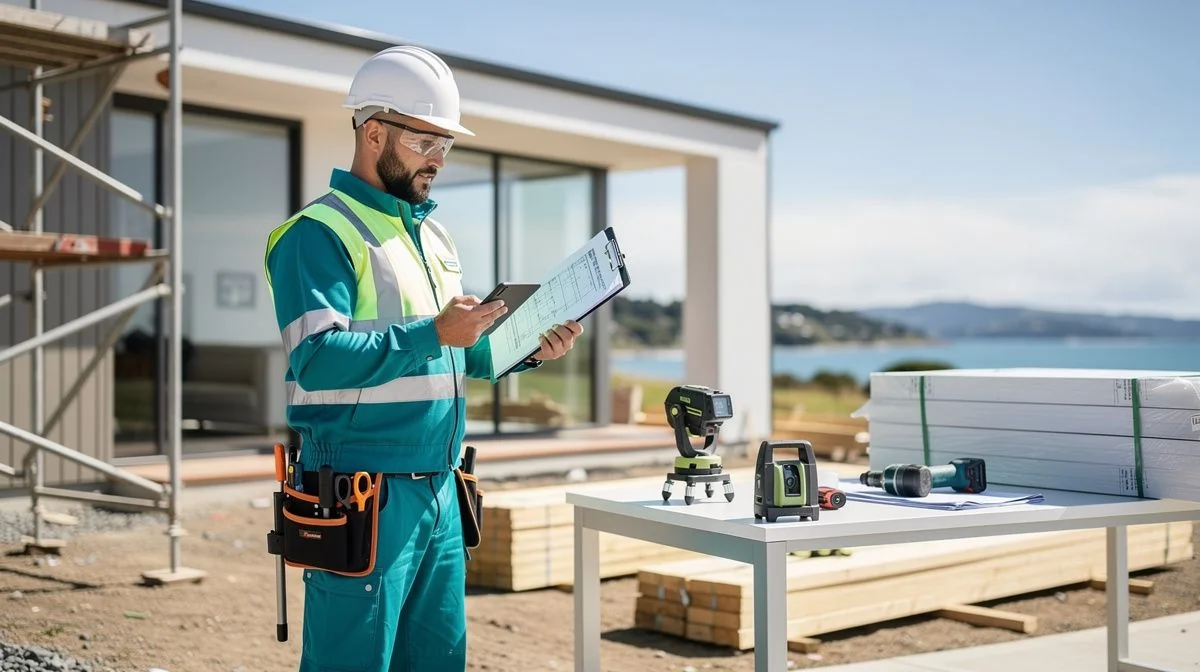
Whether you're buying your first home, selling a family property, or just want peace of mind about a recent purchase, a thorough building inspection is essential. Paraparaumu has a mix of older seaside bungalows, newer subdivisions, and everything in between. The local coastal climate means properties can face unique challenges like moisture, wind exposure, and maintenance issues.
Finding the right inspector in Paraparaumu is about more than just a name from Google. You need someone who understands the local building stock, knows what to look for in a coastal environment, and can give you a clear, honest report. Here's how to make sure you pick the best person for the job.
What to look for when hiring a Building Inspector in Paraparaumu
Not all building inspectors are the same. Experience, qualifications, and local knowledge all matter. Here are the key things to check before you book anyone.
- NZ qualifications and membership – Look for inspectors who are members of the New Zealand Institute of Building Surveyors (NZIBS) or similar professional bodies. This shows they follow industry standards and keep up to date with the Building Code.
- Local experience – An inspector who has worked in the Kapiti Coast area will know about common issues like weathertightness risks, older roof materials, and ground conditions in the Paraparaumu area. Ask how many inspections they've done locally.
- Insurance cover – Make sure they carry professional indemnity insurance. This protects you if they miss something major.
- Clear scope of work – A good inspector will explain exactly what they cover – and what they don't. Most pre-purchase inspections exclude hidden areas like inside walls or under concrete slabs unless there's visible damage.
- Sample reports – Ask to see a recent report. It should be easy to read, include plenty of photos, and clearly state any defects or concerns. If the report is vague or hard to understand, move on.
- Independence – Never use an inspector who is a friend of the real estate agent, or who might have any conflict of interest. They should be completely impartial.
Our Trusted Building Inspectors
We feature businesses that demonstrate strong performance, proven experience, and consistently positive customer feedback. Some of the providers listed may have commercial relationships with us, but all are selected based on quality and reliability.
To begin, reach out to them and speak with them directly — this helps you explain your job, ask questions, and confirm whether they're the right fit.
Written Residential & Commercial Building Reports, BCITO Trade Qualified Inspector, Accepted by all Banks, Full Indemnity Insurance, Fast Turnaround 24-48hrs and 150 Years Combined Experience.
Key questions to ask before hiring
Don't be shy about asking these questions before you commit. A professional inspector will be happy to answer.
- How long have you been inspecting homes on the Kapiti Coast?
- What qualifications do you have and are you a member of NZIBS or another recognised body?
- What does your standard inspection include? Do you check the roof cavity, subfloor, and exterior cladding?
- Do you use any special equipment, like moisture meters or thermal imaging cameras?
- How long will the inspection take, and when can I expect the report?
- Are you insured? Can I see your certificate of insurance?
- What happens if you miss something important? Do you have a complaints process?
- Do you offer any additional services, like meth testing or drainage inspections?
If an inspector hesitates or gives vague answers, that's a red flag. Trust your gut.
Tips for getting the best results
Once you have chosen an inspector, a little preparation goes a long way. Here's how to get the most out of the process.
Be present during the inspection if possible. While the inspector works, you can ask questions and see issues firsthand. It's much better than reading a report later without understanding the context. Most inspectors encourage the buyer or homeowner to be on site for at least part of the inspection.
Let them know about any concerns you already have. Have you noticed a musty smell? A patch of damp carpet? A crack in the plaster? Tell the inspector upfront. They can pay extra attention to those areas.
Review the report carefully. A good report will categorise issues – some may be minor (like a leaking tap), others could be serious (like structural movement). It will also give you an idea of likely repair costs or urgency. Don't just scan it; read every page and ask for clarification if anything is unclear.
Consider a follow-up inspection if needed. If the inspector identifies a potential problem that needs further investigation – like a drainage issue or possible weathertightness – you might need a separate specialist to look at it. That's normal and worth the money.
Don't skip the inspection to save a few hundred dollars. A building inspection is one of the best investments you can make when buying a property. It can uncover expensive problems that could cost you tens of thousands down the track. In the Paraparaumu market, many homes were built in the 1960s and 1970s, and may have hidden issues like old wiring, ageing roofing, or moisture damage from weathertightness failures.
A note about costs and getting quotes
Building inspection costs vary widely depending on the property size, type, and location. For a standard three-bedroom home in Paraparaumu, you can expect to pay somewhere in the range of $400 to $1,200. Larger homes, older properties, or those with complex construction (like multi-level or unusual cladding) will cost more.
It's wise to get quotes from at least two or three inspectors. But don't choose purely on price. The cheapest inspector may skip important checks, while the most expensive isn't necessarily the best. Look at their experience, sample reports, and how they communicate. Value matters more than price.
Some inspectors charge a flat fee, while others base it on the property size. Always ask for a written quote that clearly states what's included. Watch out for hidden extras – for example, some inspectors charge extra for a separate report on a garage or sleepout, or for taking moisture readings on every wall.
Also note that if you're buying a property through a real estate agent, they may recommend an inspector. That doesn't mean you have to use them. In fact, it's often better to find your own independent inspector to avoid any bias. The agent wants the sale to go through; your inspector should only care about the truth.
Finally, remember that council requirements for building inspections in Paraparaumu follow the national New Zealand Building Code. However, specific local conditions – like the proximity to the coast, groundwater levels, and wind zones – may influence what an inspector should pay attention to. Ask your inspector if they have experience with the particular challenges of this area. And if you're unsure about any regulation, check with the Kāpiti Coast District Council for current requirements.

The ValueHub Team built this site because finding clear, unbiased financial information in New Zealand was harder than it should be. Every guide is based on real research — we compare the actual fees, terms, and fine print so you don't have to. Our tip: shop around every year, read the policy docs, and never assume loyalty gets you the best deal.— The ValueHub Team
Try our Calculators
Use these free tools to crunch the numbers:
PAYE Calculator
Calculate your take-home pay after PAYE tax, ACC, KiwiSaver, and student loan deductions.
Compound Interest Calculator
See how your savings grow with compound interest over time. Free NZ compound interest calculator with yearly, monthly, and weekly compounding options.
Mortgage Repayment Calculator
Calculate your weekly, fortnightly, or monthly mortgage repayments. Free NZ mortgage calculator — try different rates, terms, and repayment frequencies.
Term Deposit Calculator
Calculate your term deposit returns before you lock in. Compare interest earned across different terms and rates with ValueHub's free calculator.
Savings Goal Calculator
Calculate how long it will take to reach your savings goal — and what monthly deposit you need to get there. Free NZ savings planner.
Credit Card Repayment Calculator
See how long it really takes to pay off your credit card — and how much interest you could save by paying more each month. Free NZ calculator.
Building Inspectors in Other Cities
Best Building Inspectors in Auckland
Best Building Inspectors in Wellington
Best Building Inspectors in Christchurch
Best Building Inspectors in Hamilton
Best Building Inspectors in Tauranga
Best Building Inspectors in Dunedin
Latest Guides & Reviews
US Dollar to NZD: A Practical Guide for Kiwis
Compare the true cost of buying USD in NZ. We reveal the fees, margins, and hidden charges banks, Wise, and airport desks add to every US dollar transfer.
reviewUnderstanding NZ Council Rates
Follow a single rates dollar from your bank account to see where it really goes and how councils set your bill.
comparisonBest Gold and Platinum Credit Cards in New Zealand
Best gold and platinum credit cards in NZ compared: when a $150 annual fee pays for itself through travel insurance and perks.
guideBest Investment Managers in New Zealand
Compare Fisher Funds, Milford, and Pie Funds in this practical guide to vetting NZ investment managers before you trust them with your money.