Best Cat Catterys in Wairarapa
Published 15 January 2025 · Updated 18 August 2026
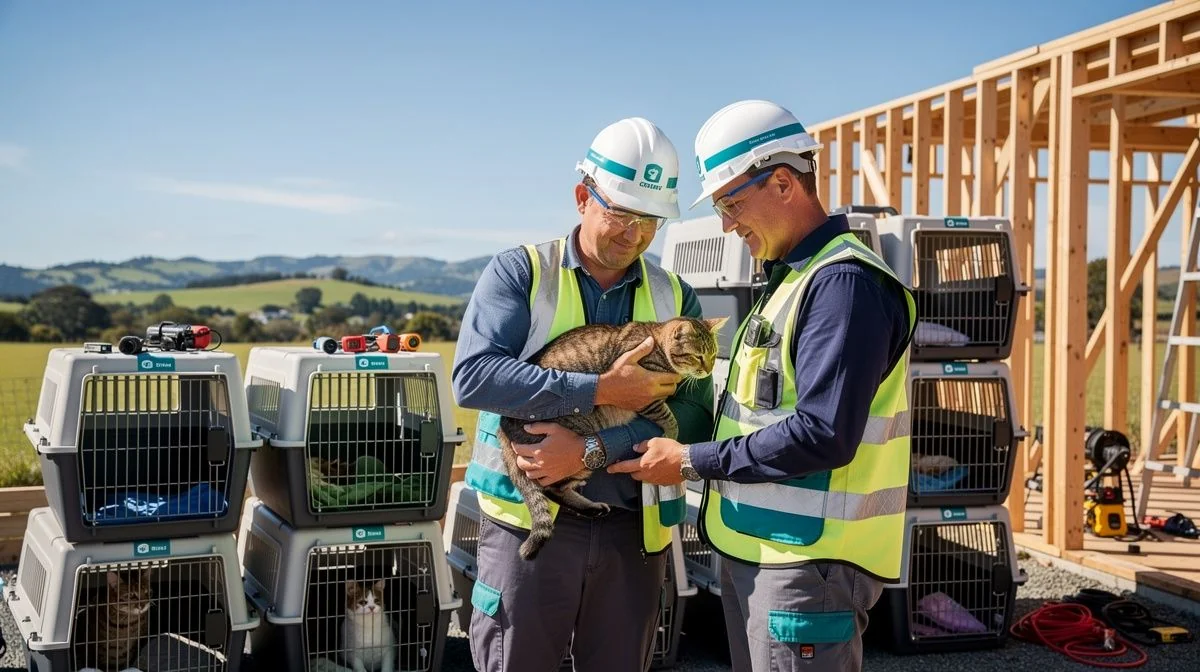
Finding a trustworthy cat cattery in the Wairarapa can feel like a big decision. Whether you’re heading off for a weekend in Wellington, planning an overseas holiday, or need short-term care, you want your feline friend to be comfortable and safe. The Wairarapa has a range of catteries, from small home-based operations to purpose-built facilities. The key is knowing what separates a great cattery from an average one.
This guide walks you through everything you need to consider when choosing a cat cattery in the Wairarapa. We’ll cover what to look for, questions to ask, and practical tips to make the whole process smoother – for you and your cat.
What to Look for When Hiring a Cat Cattery in Wairarapa
Not all catteries are created equal. When you visit potential options, keep these factors in mind.
Cleanliness and Hygiene
A well-run cattery should be spotless. Look for clean bedding, litter trays, and food bowls. There should be no strong odours. Good hygiene reduces the risk of illness spreading between cats. Ask how often they clean enclosures and what cleaning products they use – pet-safe disinfectants are a must.
Security and Containment
Your cat needs to be secure at all times. Check that the facility has double-door entry systems, secure latches, and no obvious escape routes. Outdoor runs should be fully enclosed with mesh or solid walls. In the Wairarapa, rural properties may have wildlife around, so good fencing and netting are essential.
Accommodation Type and Size
Catteries offer different types of housing. Some have individual indoor/outdoor suites, others have communal areas for social cats. Look for:
- Enough room for your cat to move, stretch, and play.
- Separate sleeping and eating areas.
- Access to fresh air and natural light, but also shelter from wind and rain – Wairarapa can be chilly in winter and hot in summer.
- Cosy hiding spots or perches, so nervous cats can feel secure.
Staff Experience and Attitude
Ask about staff qualifications and experience in animal care. Do they have training in feline behaviour or first aid? Observe how they interact with the cats during your visit. Friendly, patient staff who understand cat body language make a huge difference.
Health and Safety Protocols
Reputable catteries require proof of up-to-date vaccinations (usually FVRCP and sometimes feline leukaemia). They should also ask about your cat's medical history, medications, and any special needs. Check if they have a procedure for emergencies – a relationship with a local vet is a good sign. Also ask about parasite control (fleas, worms) and whether they isolate new arrivals to prevent disease spread.
Licensing and Compliance
In New Zealand, catteries must comply with the Animal Welfare Act 1999 and may need a local council licence. Check with your local Wairarapa council (Masterton, Carterton, or South Wairarapa District Council) for current requirements. A licenced cattery has been inspected for basic standards.
Key Questions to Ask Before Hiring
When you’ve shortlisted a few catteries, call or visit and ask these questions. Their answers will tell you a lot.
- What is the daily routine for cats? – Find out feeding times, playtime, and how much human interaction each cat gets.
- Can I bring my cat’s own food, bedding, or toys? – Familiar items can reduce stress. Most catteries allow this, but some have restrictions for hygiene reasons.
- What happens if my cat gets sick or injured? – Do they have a nominated vet? Will they contact you or your emergency contact? How are veterinary costs handled?
- Do you require up-to-date vaccinations and flea treatment? – A reputable cattery will insist on this. Ask which vaccines are needed.
- Can I visit my cat during its stay? – Some catteries welcome visits, others prefer not to disturb the cats. Know their policy.
- What is your cancellation policy? – Life happens. Understand the terms if your plans change.
- Do you have insurance? – Public liability insurance protects you and the facility in case of accidents.
- How do you handle cats with special needs or medications? – If your cat requires daily medication or a special diet, check they’re comfortable administering it.
Tips for Getting the Best Results from Your Cat Cattery Stay
Preparation goes a long way in making the experience positive for your cat.
Book Early
Good catteries in the Wairarapa fill up fast, especially during school holidays, summer, and around Christmas. Book at least a few weeks in advance – longer for peak periods.
Do a Trial Visit
If possible, arrange a short daytime visit before the full stay. This lets your cat explore the environment and meet the staff without the pressure of an overnight stay. Some catteries offer a one-night trial for this reason.
Keep Your Cat’s Routine Consistent
Stick to the same food brand and feeding schedule as at home. Bring a favourite blanket or toy that smells like you. Leave a piece of clothing with your scent – it can be comforting.
Update Vaccinations and Parasite Treatments
Make sure your cat’s vaccinations are current and that flea/worming is up to date. You’ll likely need to provide a vaccination certificate from your vet. Plan this at least a couple of weeks before drop-off.
Communicate Clearly
<p

The ValueHub Team built this site because finding clear, unbiased financial information in New Zealand was harder than it should be. Every guide is based on real research — we compare the actual fees, terms, and fine print so you don't have to. Our tip: shop around every year, read the policy docs, and never assume loyalty gets you the best deal.— The ValueHub Team
Try our Calculators
Use these free tools to crunch the numbers:
KiwiSaver Fund Comparison
Compare fees, returns, and risk levels across every KiwiSaver fund from all 31 NZ providers.
Currency Converter — USD to NZD
Convert US Dollars to New Zealand Dollars instantly. See the latest exchange rate and 30-day trend.
Mortgage Repayment Calculator
Calculate your weekly, fortnightly, or monthly mortgage repayments. Free NZ mortgage calculator — try different rates, terms, and repayment frequencies.
Compound Interest Calculator
See how your savings grow with compound interest over time. Free NZ compound interest calculator with yearly, monthly, and weekly compounding options.
Term Deposit Calculator
Calculate your term deposit returns before you lock in. Compare interest earned across different terms and rates with ValueHub's free calculator.
Savings Goal Calculator
Calculate how long it will take to reach your savings goal — and what monthly deposit you need to get there. Free NZ savings planner.
Cat Catterys in Other Cities
Latest Guides & Reviews
New Zealand Financial Markets Authority Guide: Investor Protection in NZ
Protect your investments with this practical guide to the FMA — how to check licences, spot scams, and what to do if a provider fails. Verified against...
comparisonEV Home Charger NZ: Costs & Buying Guide
Compare EV home charger costs in NZ — verified prices from $1,299, installation fees, smart features, and what actually matters for your home's power supply.
guideThe Most Popular EVs in New Zealand
The best-selling electric cars in New Zealand, ranked by official registration data. Top BEV and PHEV models and brands, updated monthly.
guideEV Market Stats
New Zealand's EV market in numbers — market share, fleet size, top-selling models and used imports, updated with the latest NZTA and MIA data.