Best Cat Catterys in West Coast
Published 15 January 2025 · Updated 18 August 2026
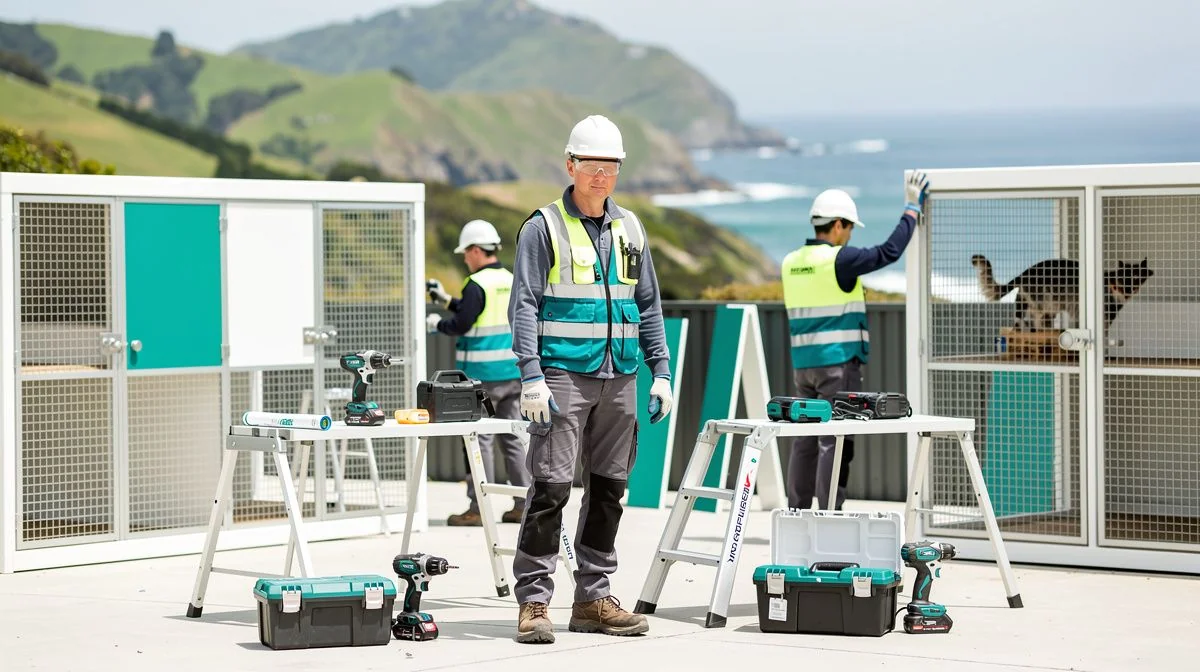
Best Cat Catterys in West Coast
Finding the right cat cattery on the West Coast can feel a bit overwhelming – especially when you're leaving your furry family member behind for the first time. The West Coast has a mix of small, family-run catteries and larger facilities, but the key is finding one that suits your cat's personality and your own peace of mind. Whether you're heading away for a weekend or a longer trip, you want to be sure your cat is safe, comfortable, and well looked after.
In this guide, we’ll walk you through what to check, what to ask, and how to get the best results when choosing a cattery on the West Coast. We’ll keep it practical and helpful – no fluff, just the stuff that matters.
What to look for when hiring a Cat Cattery in West Coast
Not all catteries are created equal, and what suits one cat might stress out another. Here are the main things to look out for when you’re visiting or researching a cattery on the West Coast.
Our Trusted Cat Catterys
We feature businesses that demonstrate strong performance, proven experience, and consistently positive customer feedback. Some of the providers listed may have commercial relationships with us, but all are selected based on quality and reliability.
To begin, reach out to them and speak with them directly — this helps you explain your job, ask questions, and confirm whether they're the right fit.
Hi, welcome to our Christchurch Cattery. I'm Ali and I am married to Wayne and together, we have three daughters and six incredible grandchildren who love cats. Wayne and myself are owners of the cattery and work together as a team. We have had cats all of our lives and have always dreamt of owning my own cattery. Back
Cleanliness and hygiene
First impressions count. A good cattery will smell clean – not like bleach, but fresh and well-ventilated. Look for clean bedding, litter trays that are changed regularly, and surfaces that are easy to wipe down. Ask about their cleaning routine and whether they use cat-safe disinfectants. The West Coast’s damp climate can make hygiene even more important, so check for any signs of mould or dampness in the sleeping areas.
Secure and spacious enclosures
Your cat needs enough room to move, stretch, and play. Each cat should have its own dedicated space – usually a sleeping area plus an outdoor run or a larger indoor pen. Check that enclosures are secure (no gaps, sturdy doors, lockable catches). West Coast weather can be changeable, so look for shelters that offer both indoor warmth and outdoor access protected from rain and wind.
Staff experience and interaction
The people running the cattery are just as important as the facilities. Do they seem genuinely interested in cats? Ask about their experience, especially with handling nervous or older cats. A good cattery will let you see how they interact with the animals – they should be calm, gentle, and knowledgeable. Some West Coast catteries are small operations run by cat lovers, so don’t be shy about chatting with the owner.
Vaccination and health requirements
Every reputable cattery will insist on up-to-date vaccinations – usually F3 (feline distemper, rhinotracheitis, and calicivirus) and sometimes FIV testing. They may also require proof of flea and worm treatment. This is standard practice to protect all the cats in their care. Check with the cattery about their specific requirements, and have your vet records ready.
Emergency procedures and vet access
Ask what happens if your cat gets sick while you’re away. A good cattery will have a relationship with a local vet and a clear plan for emergencies. They should also ask you for your contact details and a backup person in case they can’t reach you. On the West Coast, distances to vet clinics can be significant, so clarify which vet they use and how quickly they can get there.
Reputation and reviews
Word of mouth is powerful on the West Coast. Ask friends, neighbours, or your local vet for recommendations. You can also check online reviews – but take them with a grain of salt, as one bad review doesn’t necessarily mean a bad cattery. Look for consistent feedback about cleanliness, care, and communication.
Key questions to ask before hiring
When you’re ringing or visiting a cattery, having a list of questions ready will help you compare options fairly. Here are the ones that count.
- What are your vaccination and flea/treatment requirements? – Confirm exactly what they need before you book.
- Can I visit before booking? – Most good catteries encourage a tour. If they refuse, that’s a red flag.
- How much time do you spend with the cats each day? – They should be able to describe their routine for feeding, cleaning, and human interaction.
- What’s your policy on medical emergencies? – Do they take cats to a vet immediately? Who pays? Do they need your authorisation? Get it in writing.
- How do you handle nervous or anxious cats? – Some catteries have quiet, separate areas for shy cats. This can make a big difference.
- Is there 24-hour supervision? – Many small West Coast catteries aren’t staffed overnight. That’s common, but you should know.
- Do you accept unneutered males or females in heat? – Not all catteries do, due to behavioural issues.
- What happens if I’m delayed coming back? – Ask about late fees or if they can accommodate an extra day.
Tips for getting the best results
Once you’ve chosen a cattery, a little preparation goes a long way towards a smooth stay for your cat.
- Book early – West Coast catteries can fill up fast during school holidays and summer. Aim to book at least a few weeks in advance, or longer for peak times.
- Visit beforehand – Even a short visit lets you smell the place, see the enclosures, and gauge the atmosphere. Your cat will also pick up on your calmness.
- Bring familiar items – A favourite blanket, toy, or piece of your clothing with your scent can help reduce stress. Ask the cattery if they’re OK with that.
- Stick to your cat’s usual food – A sudden change of diet plus a new environment can upset their stomach. Most catteries are happy to feed your own brand.
- Update your cat’s microchip and vaccinations – This is simple but often overlooked. Make sure the details are current before drop-off.
- Stay calm yourself – Cats are great at reading our emotions. If you’re anxious, they’ll sense it. Act relaxed when you drop them off, and trust your choice.
- Leave clear contact details – Provide your mobile, hotel number, and an emergency contact. Also let the cattery know if your cat has any medications or special needs.
A note about costs and getting quotes
Cat cattery prices on the West Coast vary depending on location, facilities, and the time of year. Generally, you’re looking at a daily rate that covers feeding, cleaning, and basic care. Some catteries charge extra for things like administering medication, extra playtime, or premium suites.
Because costs change and special offers come and go, it’s best to contact a few catteries directly for a quote. Many are happy to give you a price over the phone or via email, and you can compare what’s included in the daily rate. Don’t forget to ask about any discounts for longer stays or multiple cats – some places offer a small discount for a second cat sharing an enclosure.
When you’re comparing quotes, look beyond the bottom line. A slightly higher price might mean better-quality food, larger enclosures, or more attentive staff. On the other hand, a very low price could mean corners are being cut. Trust your gut – and your nose.
Finally, remember that the cheapest option isn’t always the best, but the most expensive one isn’t always the best either.

The ValueHub Team built this site because finding clear, unbiased financial information in New Zealand was harder than it should be. Every guide is based on real research — we compare the actual fees, terms, and fine print so you don't have to. Our tip: shop around every year, read the policy docs, and never assume loyalty gets you the best deal.— The ValueHub Team
More Cat Catterys in West Coast
These businesses also operate in this area.
Cherry Grove Cattery in Christchurch provides boarding and accommodation for cats. For short or long term stays, we can offer your loved feline a home away from home. Welcome to Cherry Grove Cattery ~ A Country Club for Cats ~ The general care and well being of your cherished family pet is our absolute number one prior
Try our Calculators
Use these free tools to crunch the numbers:
KiwiSaver Fund Comparison
Compare fees, returns, and risk levels across every KiwiSaver fund from all 31 NZ providers.
Currency Converter — USD to NZD
Convert US Dollars to New Zealand Dollars instantly. See the latest exchange rate and 30-day trend.
Mortgage Repayment Calculator
Calculate your weekly, fortnightly, or monthly mortgage repayments. Free NZ mortgage calculator — try different rates, terms, and repayment frequencies.
Compound Interest Calculator
See how your savings grow with compound interest over time. Free NZ compound interest calculator with yearly, monthly, and weekly compounding options.
Term Deposit Calculator
Calculate your term deposit returns before you lock in. Compare interest earned across different terms and rates with ValueHub's free calculator.
Savings Goal Calculator
Calculate how long it will take to reach your savings goal — and what monthly deposit you need to get there. Free NZ savings planner.
Cat Catterys in Other Cities
Latest Guides & Reviews
New Zealand Financial Markets Authority Guide: Investor Protection in NZ
Protect your investments with this practical guide to the FMA — how to check licences, spot scams, and what to do if a provider fails. Verified against...
comparisonEV Home Charger NZ: Costs & Buying Guide
Compare EV home charger costs in NZ — verified prices from $1,299, installation fees, smart features, and what actually matters for your home's power supply.
guideThe Most Popular EVs in New Zealand
The best-selling electric cars in New Zealand, ranked by official registration data. Top BEV and PHEV models and brands, updated monthly.
guideEV Market Stats
New Zealand's EV market in numbers — market share, fleet size, top-selling models and used imports, updated with the latest NZTA and MIA data.