Best Chimney Sweeps in Kapiti
Published 17 January 2025 · Updated 30 June 2026
Best Chimney Sweeps in Kapiti
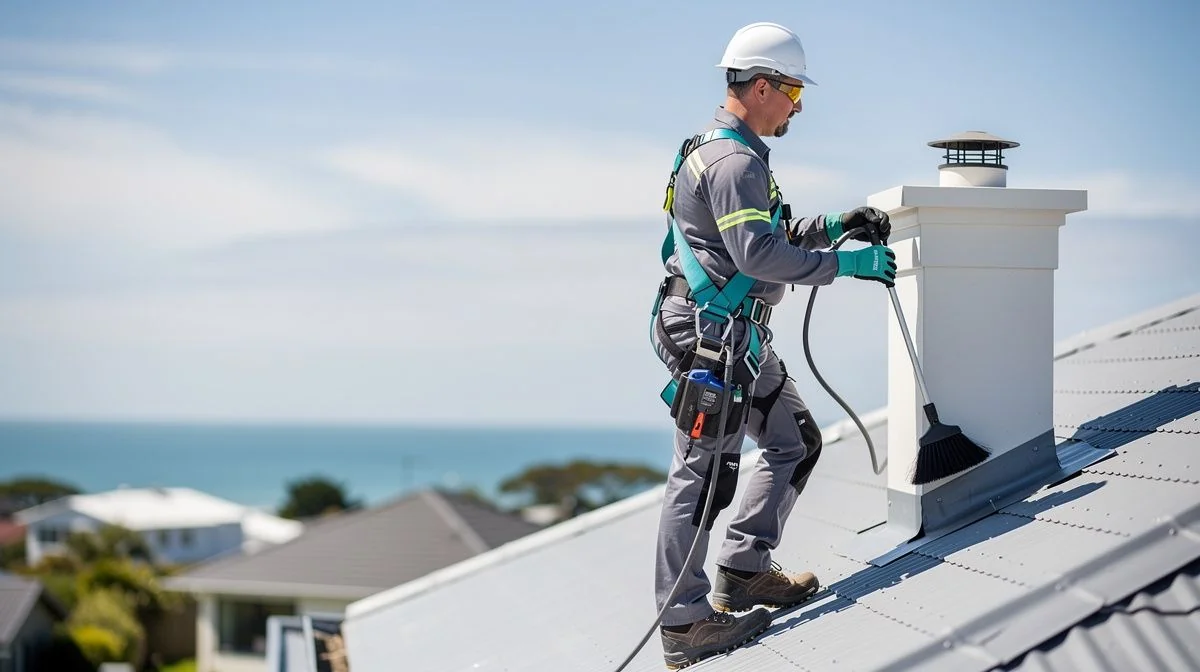
If you have a wood burner, open fire or pellet fire in your Kapiti home, regular chimney sweeping is one of the most important maintenance jobs you can do. It keeps your heating running efficiently, reduces the risk of chimney fires and helps prevent carbon monoxide from leaking into your living space.
Whether you're in Paraparaumu, Waikanae, Ōtaki or anywhere else on the Kapiti Coast, finding a reliable, experienced chimney sweep makes all the difference. This guide covers what to look for, what questions to ask and how to get the best result – so you can enjoy a warm, safe winter.
What to look for when hiring a Chimney Sweep in Kapiti
Not all chimney sweeps offer the same level of service. Here are the key things to check before you book anyone in Kapiti.
Qualifications and training
A good chimney sweep should have formal training – for example, certification from the New Zealand Home Heating Association (NZHHA) or a similar recognised body. Ask if they've completed a chimney sweeping course and whether they stay up to date with the latest standards.
- NZHHA membership – not compulsory, but a sign of professionalism
- Completion of the Chimney Sweep Training Programme (run by industry bodies)
- Knowledge of the NZ Building Code requirements for solid fuel appliances
If they can't show any qualifications, it's worth moving on. You're trusting them with fire safety – credentials matter.
Insurance and liability
Any professional working on your home should have public liability insurance. Accidents happen – a sooty mess, a dropped tool, or even damage to your roof. Insurance protects you and them. Always ask for proof of cover.
Experience with your type of fire
Different chimneys need different approaches. Open fires, slow-combustion wood burners, pellet fires and gas flues all have unique cleaning requirements. A good Kapiti sweep will have experience with all common types.
Ask specifically about wood burners, which are very common in Kapiti. A standard steel flue needs to be swept differently from a clay-lined chimney. The sweep should also check the flue liner condition and tell you if it's damaged.
Equipment and techniques
Do they use proper rods, brushes and a powerful vacuum? A professional should bring a Hepa-filtered vacuum to contain the soot and dust. Avoid anyone who just uses a brush and lets the mess fly – that's a health hazard and a recipe for a grimy lounge.
Local knowledge and reputation
Kapiti's climate – coastal, with regular westerly winds – can affect how soot builds up. A local sweep will know these patterns. Ask neighbours or check local community Facebook groups for recommendations. A sweep who's been working in the area for several years usually has a solid reputation to uphold.
Key questions to ask before hiring
Don't be shy – phone or email a few chimney sweeps and ask these questions. It'll save you headaches later.
- What do you include in a standard sweep? – Some only clean the flue; others also inspect the firebox, seal and cap. Get a clear list of tasks.
- Do you provide a written report? – A professional sweep should give you a brief report after the job, noting the condition of the chimney and any issues found.
- Can you check for blockages or damage? – They should look for bird nests, creosote buildup, cracks or loose bricks. If they just sweep without inspecting, walk away.
- Do you offer before-and-after photos? – Many modern sweeps take a camera up the flue to show you exactly what's going on inside.
- How long will the job take? – Typically 30 minutes to an hour, depending on complexity. Very quick jobs might mean a rushed sweep.
- What happens if you find a problem? – Will they recommend a repair? Do they have the right contacts? Make sure they don't just clean and go.
Tips for getting the best results
Once you've chosen a sweep, a little preparation makes the job run smoothly and gives you better long‑term results.
Clear the area
Move furniture, rugs and any valuable items away from the fireside. Cover anything you can't move with an old sheet. This gives the sweep room to work and keeps soot off your belongings.
Let the fire go cold
Never have a chimney swept while the fire is still warm – wait at least 12 hours after the last burn. A cold firebox is safer for the sweep and lets them do a thorough inspection.
Ask for a visual inspection
After the sweep, ask them to show you any photos or videos taken inside the flue. This helps you understand the condition of your chimney and

The ValueHub Team built this site because finding clear, unbiased financial information in New Zealand was harder than it should be. Every guide is based on real research — we compare the actual fees, terms, and fine print so you don't have to. Our tip: shop around every year, read the policy docs, and never assume loyalty gets you the best deal.— The ValueHub Team
Try our Calculators
Use these free tools to crunch the numbers:
PAYE Calculator
Calculate your take-home pay after PAYE tax, ACC, KiwiSaver, and student loan deductions.
Compound Interest Calculator
See how your savings grow with compound interest over time. Free NZ compound interest calculator with yearly, monthly, and weekly compounding options.
Mortgage Repayment Calculator
Calculate your weekly, fortnightly, or monthly mortgage repayments. Free NZ mortgage calculator — try different rates, terms, and repayment frequencies.
Term Deposit Calculator
Calculate your term deposit returns before you lock in. Compare interest earned across different terms and rates with ValueHub's free calculator.
Savings Goal Calculator
Calculate how long it will take to reach your savings goal — and what monthly deposit you need to get there. Free NZ savings planner.
Credit Card Repayment Calculator
See how long it really takes to pay off your credit card — and how much interest you could save by paying more each month. Free NZ calculator.
Chimney Sweeps in Other Cities
Best Chimney Sweeps in Auckland
Best Chimney Sweeps in Wellington
Best Chimney Sweeps in Christchurch
Best Chimney Sweeps in Hamilton
Best Chimney Sweeps in Tauranga
Best Chimney Sweeps in Dunedin
Latest Guides & Reviews
US Dollar to NZD: A Practical Guide for Kiwis
Compare the true cost of buying USD in NZ. We reveal the fees, margins, and hidden charges banks, Wise, and airport desks add to every US dollar transfer.
reviewUnderstanding NZ Council Rates
Follow a single rates dollar from your bank account to see where it really goes and how councils set your bill.
comparisonBest Gold and Platinum Credit Cards in New Zealand
Best gold and platinum credit cards in NZ compared: when a $150 annual fee pays for itself through travel insurance and perks.
guideBest Investment Managers in New Zealand
Compare Fisher Funds, Milford, and Pie Funds in this practical guide to vetting NZ investment managers before you trust them with your money.