Best Chimney Sweeps in Paraparaumu
Published 17 January 2025 · Updated 18 August 2026
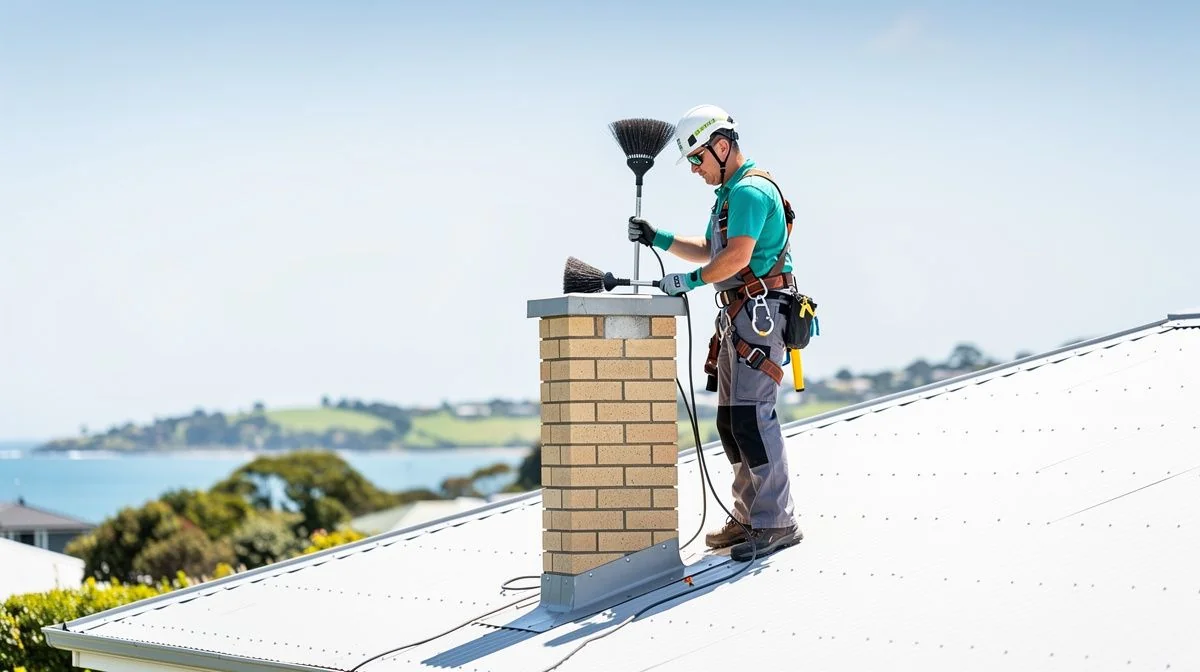
Best Chimney Sweeps in Pararaumu
If you own a home in Paraparaumu with a wood burner, open fire, or pellet stove, keeping your chimney clean isn’t just about preventing smoke stains — it’s about safety. Creosote build-up can catch fire, and blocked flues can push carbon monoxide back into your living room. Finding a reliable chimney sweep in Paraparaumu means you can enjoy your fire all winter with peace of mind.
Paraparaumu’s coastal climate, with its damp winters and frequent nor’westers, means chimneys here can get a real workout. Regular sweeping — at least once a year — is the smart move. But with a few local tradespeople offering sweep services, how do you pick the right one? We’ve put together this guide to help you sort through your options and find a sweep who knows their soot.
What to Look for When Hiring a Chimney Sweep in Paraparaumu
Not all chimney sweeps are the same. Some are certified through the New Zealand Home Heating Association (NZHHA) or the Master Sweep Guild, while others have on-the-job experience. Here’s what to keep an eye on:
Certifications and Training
Look for a sweep who has completed training in chimney sweeping standards. In New Zealand, the NZHHA runs a certification programme that covers safe sweeping practices, flue inspection, and fire safety. While certification isn’t legally required, it’s a strong sign the sweep knows what they’re doing. Ask if they hold current certification or have attended recent training.
Insurance and Liability
Mucking around with a chimney can get messy — and occasionally messy leads to damaged roof tiles or soot-stained carpets. A professional sweep should carry public liability insurance. This covers you if something goes wrong, like a dropped brush cracking a slate or a soot spill staining your lounge rug. Always ask before booking.
Experience in the Local Area
A sweep who regularly works in Paraparaumu will know the common chimney types found here — whether it’s a standard masonry flue, a stainless steel liner, or a modern pre-fabricated unit. They’ll also be familiar with local council bylaws, such as rules around log burner emissions in the Wellington region. Ask how long they’ve been working in the Kapiti Coast area.
Transparent Pricing
Some sweeps quote a flat rate for a standard sweep, while others charge extra for things like bird nest removal or flue cameras. A good sweep will explain what’s included in the price and what might cost extra. Avoid anyone who can’t give you a rough figure over the phone or who pressures you into paying upfront.
Modern Equipment
While the traditional brush-and-rods method works fine, many pros now use high-powered vacuums to keep soot from drifting through your home. Others offer CCTV flue inspections to spot cracks or blockages you can’t see from the fireplace. Ask what gear they use — it’s a sign they take the job seriously.
Key Questions to Ask Before Hiring
To make sure you’re getting a proper sweep — not just a quick poke with a brush — ask these questions before you book:
- Are you certified with the NZ Home Heating Association or Master Sweep Guild? This gives you confidence in their training and methods.
- Do you have public liability insurance? A simple “yes” is good; ask for a copy of the certificate if you want to be thorough.
- What does your standard sweep include? Does it cover cleaning the flue, the firebox, and the smoke chamber? Are there any extras?
- Do you use a camera to inspect the flue? Not all sweeps do, but it’s a useful tool for finding hidden issues.
- Can you provide references from recent jobs in the Kapiti area? A local sweep should be happy to share a few happy customers.
- What happens if you find a problem? Some sweeps can fix minor issues like loose mortar or a faulty damper, while others will recommend a chimney repair specialist.
Asking these questions helps you separate the seasoned professional from the weekend warrior.
Tips for Getting the Best Results
Once you’ve chosen a chimney sweep, a little preparation on your part can make the job go smoothly and leave you with a cleaner result.
Clear the Area
Move furniture, rugs, and ornaments well away from the fireplace. Sweeping can stir up fine soot dust, even with a vacuum. Cover nearby items with old sheets or drop cloths if you’re worried. The sweep will bring their own dust sheets, but extra protection doesn’t hurt.
Let the Fire Go Out
Make sure your fire is completely cold — ideally 24 hours before the sweep arrives. Hot ash can be dangerous for the sweep’s equipment and can create steam and mess if it mixes with soot. If you’ve had a fire the night before, let it burn down, then let the ashes cool overnight.
Ask About the Inspection
When the sweep finishes, ask them to walk you through what they found. A good sweep will show you photos from the flue camera if they used one, and point out any cracks, creosote build-up, or areas that need attention. They should also give you a written report or at least a simple summary of the work done.
Schedule Regular Sweeps
For most wood burners, an annual sweep in autumn is ideal — just before you start using the fire regularly. If you burn a lot of wet or soft wood (which produces more creosote), you might need a sweep every six months. Set a reminder on your phone or calendar so you don’t forget.
Check Your Chimney Cap and Cowl
While the sweep is there, ask them to check your chimney cap or cowl. These metal or mesh covers stop rain, birds, and debris from getting into the flue. A damaged cap can lead to damp problems and blockages. If it needs replacing, a sweep can often do that for you, or recommend a local handyman.
A Note About Costs and Getting Quotes
Pricing for chimney sweeping in Paraparaumu varies depending on the type of chimney, accessibility, and any extra services. Expect to pay somewhere in the range of $120 to $250 for a standard residential sweep. A CCTV inspection usually adds another $50 to $100. If your flue is particularly tall or awkward to reach, the cost may be higher.
Always get at least two or three quotes before you decide. This gives you a sense of the going rate and helps you spot any outliers. Be wary of prices that seem too low — they might reflect a rushed job without proper vacuuming or inspection. At the same time, the most expensive sweep isn’t always the best. Look for value, not just the lowest number.
When you request a quote, be clear about what you need. Describe your fireplace type, when you last had it swept, and any concerns you have (like smoke drifting into the room or a weird smell). A good sweep will give you a fair, all-inclusive estimate based on that information.
For the safest, cleanest burn this winter, take your time choosing a chimney sweep in Paraparaumu. Check their credentials, ask the right questions, and prepare your home ahead of the visit. Your fire — and your family — will thank you.

The ValueHub Team built this site because finding clear, unbiased financial information in New Zealand was harder than it should be. Every guide is based on real research — we compare the actual fees, terms, and fine print so you don't have to. Our tip: shop around every year, read the policy docs, and never assume loyalty gets you the best deal.— The ValueHub Team
Try our Calculators
Use these free tools to crunch the numbers:
KiwiSaver Fund Comparison
Compare fees, returns, and risk levels across every KiwiSaver fund from all 31 NZ providers.
Currency Converter — USD to NZD
Convert US Dollars to New Zealand Dollars instantly. See the latest exchange rate and 30-day trend.
Mortgage Repayment Calculator
Calculate your weekly, fortnightly, or monthly mortgage repayments. Free NZ mortgage calculator — try different rates, terms, and repayment frequencies.
Compound Interest Calculator
See how your savings grow with compound interest over time. Free NZ compound interest calculator with yearly, monthly, and weekly compounding options.
Term Deposit Calculator
Calculate your term deposit returns before you lock in. Compare interest earned across different terms and rates with ValueHub's free calculator.
Savings Goal Calculator
Calculate how long it will take to reach your savings goal — and what monthly deposit you need to get there. Free NZ savings planner.
Chimney Sweeps in Other Cities
Latest Guides & Reviews
New Zealand Financial Markets Authority Guide: Investor Protection in NZ
Protect your investments with this practical guide to the FMA — how to check licences, spot scams, and what to do if a provider fails. Verified against...
comparisonEV Home Charger NZ: Costs & Buying Guide
Compare EV home charger costs in NZ — verified prices from $1,299, installation fees, smart features, and what actually matters for your home's power supply.
guideThe Most Popular EVs in New Zealand
The best-selling electric cars in New Zealand, ranked by official registration data. Top BEV and PHEV models and brands, updated monthly.
guideEV Market Stats
New Zealand's EV market in numbers — market share, fleet size, top-selling models and used imports, updated with the latest NZTA and MIA data.