Best Chimney Sweeps in Whakatane
Published 17 January 2025 · Updated 18 August 2026
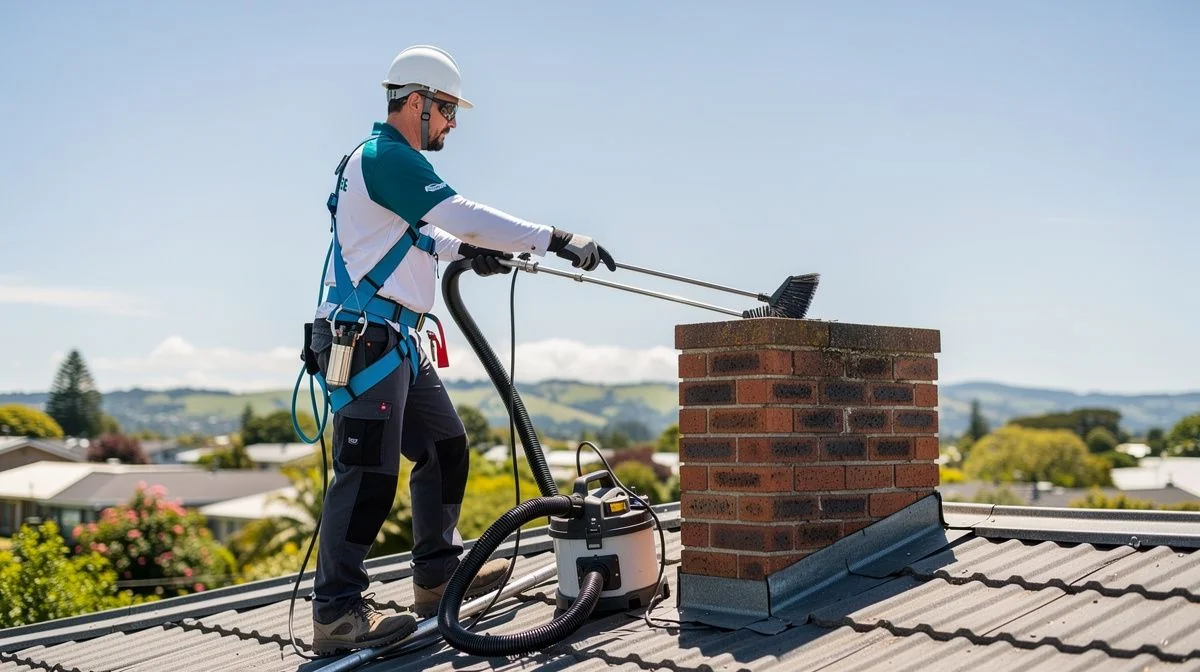
If you've got a wood burner, open fire, or pellet fire in Whakatane, keeping the chimney clean isn’t just a good idea – it’s essential for safety and efficiency. The Bay of Plenty’s coastal climate means plenty of damp winter days when you’ll be relying on that fire for warmth. But over time, creosote builds up, blockages can form, and bird nests or debris can create serious hazards.
Finding a reliable chimney sweep in Whakatane doesn’t have to be a headache. A good sweep will not only clean your flue but also spot potential problems early – like cracked liners, damaged cowls, or poor draw. In this guide, we’ll help you know exactly what to look for, what questions to ask, and how to get the best results for your home.
What to Look for When Hiring a Chimney Sweep in Whakatane
Not every chimney service is the same, and a thorough job makes all the difference. Here’s what to prioritise when choosing someone to work on your fireplace or wood burner.
Proper Certification and Training
In New Zealand, there’s no single mandatory licence for chimney sweeps, but industry bodies like the New Zealand Home Heating Association (NZHHA) offer training and certification. Look for sweeps who have completed their Master Sweep or Chimney Safety Technician programmes. These certifications show they understand fire safety, flue standards, and proper cleaning methods.
If you’re in any doubt, ask whether they follow the AS/NZS 2918 standard for domestic solid fuel appliances. Many reputable sweeps will be happy to explain their qualifications.
Equipment and Techniques
A professional chimney sweep should use rotary cleaning tools (like rods and brushes) or power sweeping to remove soot and creosote. Some may use vacuum systems to minimise mess in your home. While traditional brush-and-rods are still effective, power sweeping is often faster and more thorough for heavy buildup.
Watch out for anyone who offers just a “quick scrape” or doesn’t bring proper gear. A proper clean includes the flue, the smoke chamber, the damper, and checking the cap or cowl.
Local Knowledge and Compliance
Whakatane sits within the Bay of Plenty Regional Council area, which has rules around wood burner emissions, especially during winter when air quality can be an issue. A local sweep will understand these regulations – for example, restrictions on burning certain materials or hours of operation. They’ll also know about your specific flue types, whether you’ve got a masonry chimney or a modern stainless steel liner.
Always check that the sweep is familiar with council requirements. Some councils in the Bay of Plenty have smoke management plans, and a professional can advise you on keeping your burner compliant.
Insurance and Public Liability
Chimney sweeping involves working at heights, handling soot, and sometimes entering crawl spaces. A reputable sweep will have public liability insurance (at least $1 million) and may also hold personal accident insurance. Never hire anyone who can’t produce proof of insurance – you’d be liable if they damage your roof or get injured on your property.
Reviews and Reputation
Word-of-mouth is still gold in a town like Whakatane. Ask neighbours or local tradespeople for recommendations. Online reviews on Google, Facebook, or local community pages (like the Whakatane community noticeboard) can also give you a feel for reliability, punctuality, and quality of work. Look for comments about cleanliness, communication, and whether they spotted hidden issues.
Key Questions to Ask Before Hiring
When you’re comparing chimney sweeps, a few simple questions will separate the pros from the cowboys. Don’t be shy – ask before you book.
- Are you certified by the NZHHA or similar industry body? – This tells you they’ve had formal training.
- What method do you use – rods, power sweeping, or both? – Power sweeping is often more effective for heavy creosote, but rods work fine for regular maintenance.
- Will you do a full visual inspection as part of the clean? – A good sweep will inspect the flue liner, joints, sealant, and cap, and report any damage.
- Do you provide a written report or certificate after the job? – Many professionals give a certificate of cleaning or a condition report. This can be useful for insurance or selling your home.
- What’s included in your price? – Some quotes cover only the basic clean; others include checking the cowl, damper, and smoke shelf. Clarify what’s extra (e.g., replacing a faulty cowl).
- Do you have public liability insurance? – A must-have for both your protection and theirs.
- Are you familiar with Whakatane’s specific regional council rules? – Local knowledge matters, especially if you’re installing a new burner or dealing with smoke nuisance complaints.
Tips for Getting the Best Results
A professional chimney clean is important, but you can also help keep your system in top shape between sweeps. Here are practical tips for Whakatane homeowners.
Schedule an Annual Clean – Preferably Before Winter
Most experts recommend a full clean and inspection once a year, ideally in autumn before you start using your fire regularly. That way, any issues are sorted before the cold weather hits. If you burn a lot of wood or use softwoods (like pine), you might need a clean twice a season because softwoods create more creosote.
Use the Right Fuel
Burning wet or unseasoned wood creates far more creosote buildup and reduces heat output. Dry hardwood (like manuka or macrocarpa) burns hotter and cleaner. Store your firewood under cover, with good airflow, for at least six months before use. Avoid burning treated timber, coal, or rubbish – it’s illegal in many parts of the Bay of Plenty due to air quality rules.
Check Your Damper and Airflow
If your fire isn’t drawing properly, you’re more likely to get smoky fires and creosote deposits. A professional sweep can adjust the damper or check for blockages. You can also do simple checks: light a small piece of paper and see if smoke goes up the chimney – if it doesn’t, there’s a problem.
Install a Chimney Cap
A mesh cap (cowl) on top of your flue stops birds, possums, leaves, and rain from getting inside. Whakatane’s coastal winds can blow debris down, causing blockages. If your chimney doesn’t have one, ask your sweep to install a suitable cap. They come in various styles – look for one that

The ValueHub Team built this site because finding clear, unbiased financial information in New Zealand was harder than it should be. Every guide is based on real research — we compare the actual fees, terms, and fine print so you don't have to. Our tip: shop around every year, read the policy docs, and never assume loyalty gets you the best deal.— The ValueHub Team
Try our Calculators
Use these free tools to crunch the numbers:
KiwiSaver Fund Comparison
Compare fees, returns, and risk levels across every KiwiSaver fund from all 31 NZ providers.
Currency Converter — USD to NZD
Convert US Dollars to New Zealand Dollars instantly. See the latest exchange rate and 30-day trend.
Mortgage Repayment Calculator
Calculate your weekly, fortnightly, or monthly mortgage repayments. Free NZ mortgage calculator — try different rates, terms, and repayment frequencies.
Compound Interest Calculator
See how your savings grow with compound interest over time. Free NZ compound interest calculator with yearly, monthly, and weekly compounding options.
Term Deposit Calculator
Calculate your term deposit returns before you lock in. Compare interest earned across different terms and rates with ValueHub's free calculator.
Savings Goal Calculator
Calculate how long it will take to reach your savings goal — and what monthly deposit you need to get there. Free NZ savings planner.
Chimney Sweeps in Other Cities
Latest Guides & Reviews
New Zealand Financial Markets Authority Guide: Investor Protection in NZ
Protect your investments with this practical guide to the FMA — how to check licences, spot scams, and what to do if a provider fails. Verified against...
comparisonEV Home Charger NZ: Costs & Buying Guide
Compare EV home charger costs in NZ — verified prices from $1,299, installation fees, smart features, and what actually matters for your home's power supply.
guideThe Most Popular EVs in New Zealand
The best-selling electric cars in New Zealand, ranked by official registration data. Top BEV and PHEV models and brands, updated monthly.
guideEV Market Stats
New Zealand's EV market in numbers — market share, fleet size, top-selling models and used imports, updated with the latest NZTA and MIA data.