Best Concreters in Blenheim
Published 23 January 2025 · Updated 30 June 2026
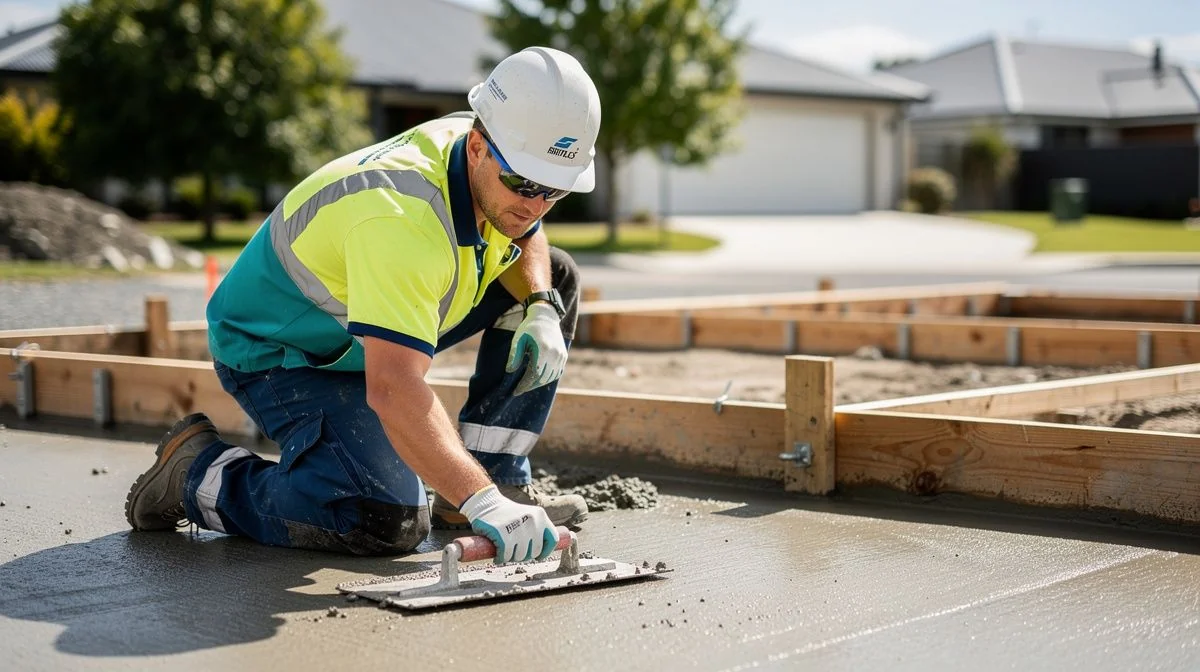
Best Concreters in Blenheim
If you’re looking for a reliable concreter in Blenheim, you’re in good company. The Marlborough region has plenty of experienced tradespeople who know the local soil conditions, climate, and council requirements inside out. Whether you need a new driveway, a patio, a garage floor, or a commercial slab, finding the right concreter can make all the difference between a job that lasts for decades and one that cracks within a year.
But with so many options, how do you choose? This guide will help you understand what to look for, what questions to ask, and how to get the best results for your concrete project in Blenheim.
What to look for when hiring a concreter in Blenheim
Not all concreters are the same. Some specialise in decorative finishes, while others focus on structural foundations. Here are the key things to check before you make your decision.
- Experience and reputation. Look for a concreter who has been working in the Blenheim area for several years. Local experience means they understand the Marlborough climate — hot summers, cool winters, and occasional frosts — which affects how concrete sets. Ask for photos of recent jobs in the region and check online reviews or ask for references.
- Licensing and insurance. In New Zealand, there is no specific "concreter" licence, but many concreters hold a Building Practitioner Licence or are members of industry bodies like the Concrete NZ Association. Always confirm they have public liability insurance and, if working on a project over $30,000, they should be a Licensed Building Practitioner (LBP) under the Building Act 2004. For smaller jobs, insurance is still a must.
- Written quote and contract. A professional concreter will provide a detailed written quote, outlining the scope of work, materials, timeline, and payment schedule. Never rely on a handshake or a verbal estimate alone.
- Range of services. Do they only pour plain concrete, or do they also offer exposed aggregate, stamped concrete, coloured finishes, or acid staining? If you want a specific look, make sure the concreter has proven experience with that technique.
- Warranty and aftercare. Ask what warranty they offer on their work. Many reputable concreters provide a defect period (often up to two years) for issues like cracking or surface problems. Also check if they offer sealing services for exposed aggregate or decorative concrete.
Key questions to ask before hiring
Asking the right questions early can save you headaches down the track. Here are some important ones to put to any concreter you’re considering.
- "Can you provide references from recent Blenheim clients?" A good concreter will happily share contact details for past customers in the area. Follow up and ask about the experience, the quality of the work, and whether the project came in on time and on budget.
- "What happens if the weather is bad?" Concrete work is weather-dependent. Your concreter should have a clear policy on delays due to rain or frost. For example, they may require a dry forecast for at least 24 hours after pouring. Ask how they communicate changes to the schedule.
- "Do you handle council consent or permits?" Depending on the size and location of your project (like a driveway or a retaining wall), you may need a building consent or a resource consent from Marlborough District Council. A reliable concreter will either manage this process or advise you on what’s needed — but confirm this upfront.
- "What type of concrete mix do you use, and what strength (MPa) is recommended?" For driveways and paths, a minimum of 20 MPa is common, but higher strength may be needed for heavy loads. A good concreter will explain why they recommend a particular mix for your job.
- "Do you reinforce the concrete with steel or fibre?" Reinforcement helps control cracking. Find out what method they use and whether it’s included in the quote.
- "How long will the job take, and what’s the curing time?" Concrete needs time to cure properly — typically at least seven days before it can be used. Your concreter should give you a clear timeline and explain what you need to do (or not do) during that period.
Tips for getting the best results
Once you’ve chosen your concreter, there are a few things you can do to ensure the project goes smoothly and the finished job looks great for years.
- Prepare the site. Clear any obstructions, move vehicles, and make sure the concreter has easy access to the area. If you have underground services (water pipes, power cables), let the concreter know — they might need to arrange a "before you dig" check from your local utilities provider.
- Communicate clearly about drainage. Blenheim can get heavy rain, especially in winter. Talk to your concreter about fall (slope) for water runoff. A driveway or path that pools water will be a constant frustration. Professional concreters will factor this into their design.
- Think about curing and sealing. After the concrete is poured, proper curing is critical. Depending on the finish, you may also want to seal the surface to protect against stains, moisture, and wear. Ask your concreter about their curing and sealing recommendations — and whether they offer those services.
- Plan for future use. If you might want to add a garden shed, a fence, or a carport later, discuss that with the concreter. They can leave footings or reinforcement in the right places to make future additions easier.
- Be realistic about timing. Concrete work isn’t a one-day job. Expect that the concreter will need a day or two for site preparation (excavation, formwork, base layer) before pouring. Then you’ll need to wait for curing. Factor that into your overall project plan.
A note about costs and getting quotes
Concrete costs in Blenheim vary depending on the job size, complexity, finish, and location. While we can’t give exact figures (prices change and each project is unique), here’s what you can generally expect.
- Small residential jobs like a garden path or a small patio often have a higher per-square-metre rate because the concreter has to set up equipment for a short pour. These might be charged as a minimum call-out fee plus a per-metre rate.
- Driveways and larger slabs are typically priced per square metre. Costs include excavation, base preparation, reinforcement, concrete delivery, and finishing. Expect the quote to cover all of this — and clarify if there are any extra charges for things like demolition of existing concrete or disposal of waste.
- Decorative or specialty finishes (exposed aggregate, stamped concrete, coloured concrete) will cost more than a standard broom finish. The added labour and materials are reflected in the quote.
- Getting multiple quotes is essential. For any project, request at least three written quotes from different concreters in Blenheim. This gives you a sense of the market rate and helps you spot any quote that seems too low (a red flag for cutting corners) or too high (unless there’s a good reason like a complex finish).
- Ask about the payment schedule. Reputable concreters usually ask for a deposit (often around 20–30%) and then balance on completion. Be wary of anyone asking for full payment upfront.
Finally, remember that the cheapest quote isn’t always the best value. Concrete is a long-term investment — a poorly done job can lead to cracks, uneven surfaces, and costly repairs down the track. Prioritise experience, clear communication, and a solid warranty.

The ValueHub Team built this site because finding clear, unbiased financial information in New Zealand was harder than it should be. Every guide is based on real research — we compare the actual fees, terms, and fine print so you don't have to. Our tip: shop around every year, read the policy docs, and never assume loyalty gets you the best deal.— The ValueHub Team
Try our Calculators
Use these free tools to crunch the numbers:
PAYE Calculator
Calculate your take-home pay after PAYE tax, ACC, KiwiSaver, and student loan deductions.
Compound Interest Calculator
See how your savings grow with compound interest over time. Free NZ compound interest calculator with yearly, monthly, and weekly compounding options.
Mortgage Repayment Calculator
Calculate your weekly, fortnightly, or monthly mortgage repayments. Free NZ mortgage calculator — try different rates, terms, and repayment frequencies.
Term Deposit Calculator
Calculate your term deposit returns before you lock in. Compare interest earned across different terms and rates with ValueHub's free calculator.
Savings Goal Calculator
Calculate how long it will take to reach your savings goal — and what monthly deposit you need to get there. Free NZ savings planner.
Credit Card Repayment Calculator
See how long it really takes to pay off your credit card — and how much interest you could save by paying more each month. Free NZ calculator.
Concreters in Other Cities
Best Concreters in Auckland
Best Concreters in Wellington
Best Concreters in Christchurch
Best Concreters in Hamilton
Best Concreters in Tauranga
Best Concreters in Dunedin
Latest Guides & Reviews
US Dollar to NZD: A Practical Guide for Kiwis
Compare the true cost of buying USD in NZ. We reveal the fees, margins, and hidden charges banks, Wise, and airport desks add to every US dollar transfer.
reviewUnderstanding NZ Council Rates
Follow a single rates dollar from your bank account to see where it really goes and how councils set your bill.
comparisonBest Gold and Platinum Credit Cards in New Zealand
Best gold and platinum credit cards in NZ compared: when a $150 annual fee pays for itself through travel insurance and perks.
guideBest Investment Managers in New Zealand
Compare Fisher Funds, Milford, and Pie Funds in this practical guide to vetting NZ investment managers before you trust them with your money.