Best Concreters in Gisborne
Published 23 January 2025 · Updated 18 August 2026
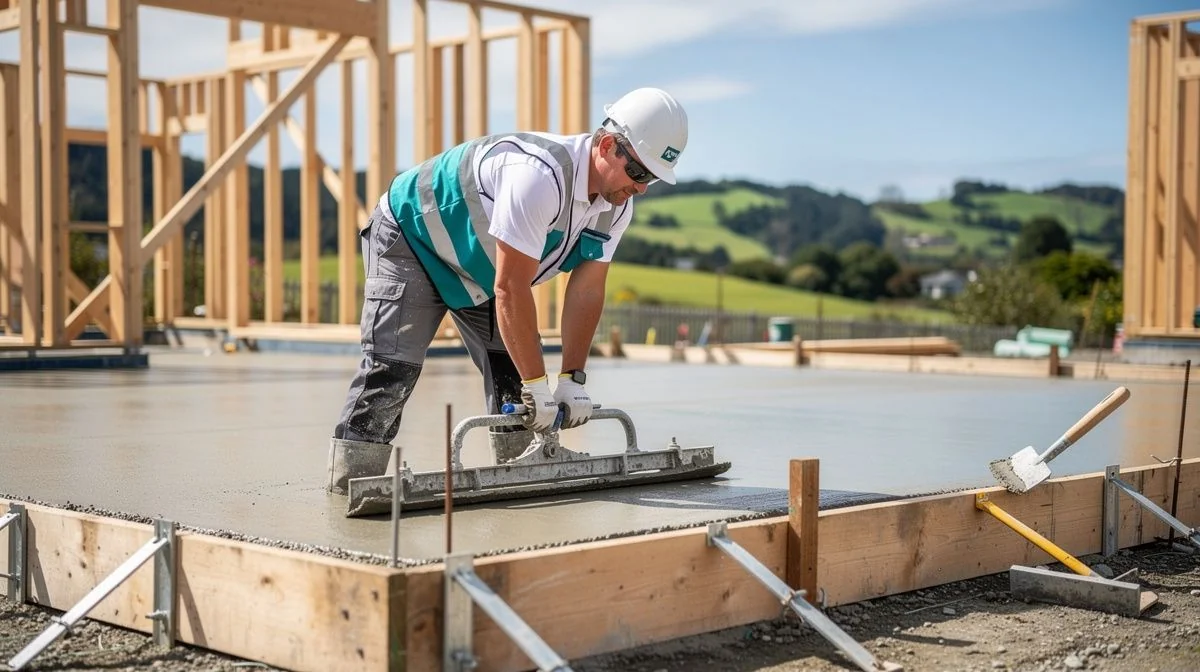
Finding the Right Concreter in Gisborne
Whether you’re planning a new driveway, a patio, a pathway, or a commercial slab, getting the concrete work right is essential. In Gisborne, where the climate can be warm and humid, and the ground conditions vary from sandy soils near the coast to heavier clays further inland, choosing the right concreter makes all the difference.
Concrete isn’t just about pouring grey mix and hoping for the best. It’s about site preparation, mix design, reinforcement, finishing, and curing. A quality job can last decades, while a poor one can crack, sink, or look rough within months. So how do you find a reliable concreter in Gisborne who will do the job properly? Let’s break it down.
What to Look for When Hiring a Concreter in Gisborne
Not all concreters are the same. Some specialise in decorative finishes, others focus on structural slabs. Here’s what to keep in mind when shortlisting tradies.
Local experience matters
A concreter who knows Gisborne will understand the local ground conditions, drainage patterns, and council requirements. They’ll also know how to handle the region’s rainfall and temperature swings during curing. Ask how long they’ve worked in the area and whether they’ve done similar projects nearby.
Check their licence and insurance
In New Zealand, anyone doing building work over a certain value (currently $30,000 including GST) must be a Licensed Building Practitioner (LBP). However, many smaller concrete jobs fall under that threshold. Even so, a reputable conter will hold relevant trade qualifications or have worked under supervision for years. Always ask for proof of public liability insurance — this protects you if something goes wrong on site.
Ask for photos of previous work
A good concreter will be happy to show you photos of recent projects. Look for crisp edges, consistent colour, and smooth (or correctly textured) finishes. If they’ve done decorative work like exposed aggregate or stamped concrete, ask to see examples of those too.
Read reviews and ask for references
Online reviews on Google, NoCowboys, or Builderscrack can give you a sense of a concreter’s reputation. But don’t stop there — ask for contact details of three recent clients. A quick phone call will tell you if the work was finished on time, on budget, and to a high standard.
Check they offer a written contract
A professional concreter will provide a detailed written quote and contract. This should include the scope of work, materials, timeline, payment schedule, and any warranties. Verbal agreements are risky — get it in writing.
Key Questions to Ask Before Hiring
Before you commit, ask these specific questions to gauge their experience and professionalism.
- What preparation will you do for the subgrade? Proper drainage and compaction are critical. Ask how they'll prepare the base and what they do if the ground is too soft.
- What mix strength do you recommend? For driveways you typically need at least a 25 MPa mix with fibre mesh or steel reinforcement. Ask why they choose a particular mix.
- Who will be on site day to day? If it’s a crew, will the owner be supervising? Consistency matters for quality control.
- What happens if it rains during pouring? Experienced concreters have contingency plans. They should check the forecast and reschedule if needed.
- Do you offer a warranty on your work? A standard warranty covers defects for one to two years. Get the terms in writing.
- How do you handle control joints? Properly cut joints prevent random cracking. Ask where they plan to place them.
- Will you clean up after the job? Make sure removal of waste and excess concrete is part of the quote.
Tips for Getting the Best Results
Hiring the right concreter is only part of the equation. Your choices and actions also affect the final outcome. Here’s how to set the project up for success.
Plan ahead for utilities and drainage
Before concrete goes down, make sure any underground pipes, cables, or drainage systems are in place and clearly marked. It’s much harder to cut through concrete later. Check with your local council or a private locator service if you’re unsure about underground services.
Choose the right finish for your needs
Standard broom-finished concrete is slip-resistant and affordable. Exposed aggregate looks great but can be rougher on bare feet. Stamped concrete adds texture but may need resealing every few years. Discuss your lifestyle with your concreter — for example, if you have kids or elderly relatives, slip resistance should be a priority.
Control the curing process
Concrete needs moisture to cure properly, especially in Gisborne’s summer heat. Ask your conter how they plan to manage curing — whether by covering with polythene, applying a curing compound, or regular watering. Rushing the cure can lead to cracks and weak spots.
Think about timing
Concrete work is weather-dependent. In Gisborne, spring and autumn often provide the best conditions — not too hot, not too wet. Summer heat can cause rapid evaporation, while winter rain can delay pours. Plan your project a few weeks ahead and be flexible with dates.
Communicate clearly
If you want a specific colour, finish, or thickness, say so early. Changes mid-way through a pour are costly and can cause delays. Share any photos of styles you like before the concrete is ordered.
A Note About Costs and Getting Quotes
Concrete prices in New Zealand vary depending on the mix, the volume, and the complexity of the job. For a standard driveway in Gisborne, you might expect to pay between $80 and $150 per square metre for supply and installation, but this is only a rough guide. Decorative finishes, steep sites, or small jobs may cost more per square metre.
Get at least three written quotes from different concreters. Compare not just the total price but what’s included — some quotes will cover site preparation, reinforcement, and cleanup, while others are just the pour. Ask for a breakdown by material and labour.
Be wary of quotes that are significantly lower than others. They may signal inexperience, poor materials, or a lack of insurance. Equally, a high quote doesn’t always guarantee top quality. Ask questions and trust your gut after speaking to each provider.
Once you’ve chosen your concreter, ask for a fixed-price contract with a clear payment schedule. Typically you’ll pay a deposit of around 20–30% at the start, with the balance due on completion. Never pay the full amount upfront.
For larger projects, consider whether you’ll need a building consent. In Gisborne, council requirements vary depending on the size and location of the concrete slab. A driveway or patio under 1.5 metres high usually doesn’t need consent, but always check with the Gisborne District Council. Your concreter should be able to advise you, but ultimately it’s your responsibility to confirm.
Finally, ask about warranty and after-service. A reliable concreter will stand by their work and be happy to come back if any issues arise in the first year. That peace of mind is worth the investment.
With the right preparation and a skilled concreter, your concrete project in Gisborne will add value and durability to your home for decades. Take the time to choose wisely, and you’ll be walking on a solid result.

The ValueHub Team built this site because finding clear, unbiased financial information in New Zealand was harder than it should be. Every guide is based on real research — we compare the actual fees, terms, and fine print so you don't have to. Our tip: shop around every year, read the policy docs, and never assume loyalty gets you the best deal.— The ValueHub Team
Try our Calculators
Use these free tools to crunch the numbers:
KiwiSaver Fund Comparison
Compare fees, returns, and risk levels across every KiwiSaver fund from all 31 NZ providers.
Currency Converter — USD to NZD
Convert US Dollars to New Zealand Dollars instantly. See the latest exchange rate and 30-day trend.
Mortgage Repayment Calculator
Calculate your weekly, fortnightly, or monthly mortgage repayments. Free NZ mortgage calculator — try different rates, terms, and repayment frequencies.
Compound Interest Calculator
See how your savings grow with compound interest over time. Free NZ compound interest calculator with yearly, monthly, and weekly compounding options.
Term Deposit Calculator
Calculate your term deposit returns before you lock in. Compare interest earned across different terms and rates with ValueHub's free calculator.
Savings Goal Calculator
Calculate how long it will take to reach your savings goal — and what monthly deposit you need to get there. Free NZ savings planner.
Concreters in Other Cities
Latest Guides & Reviews
New Zealand Financial Markets Authority Guide: Investor Protection in NZ
Protect your investments with this practical guide to the FMA — how to check licences, spot scams, and what to do if a provider fails. Verified against...
comparisonEV Home Charger NZ: Costs & Buying Guide
Compare EV home charger costs in NZ — verified prices from $1,299, installation fees, smart features, and what actually matters for your home's power supply.
guideThe Most Popular EVs in New Zealand
The best-selling electric cars in New Zealand, ranked by official registration data. Top BEV and PHEV models and brands, updated monthly.
guideEV Market Stats
New Zealand's EV market in numbers — market share, fleet size, top-selling models and used imports, updated with the latest NZTA and MIA data.