Best Concreters in Paraparaumu
Published 23 January 2025 · Updated 30 June 2026
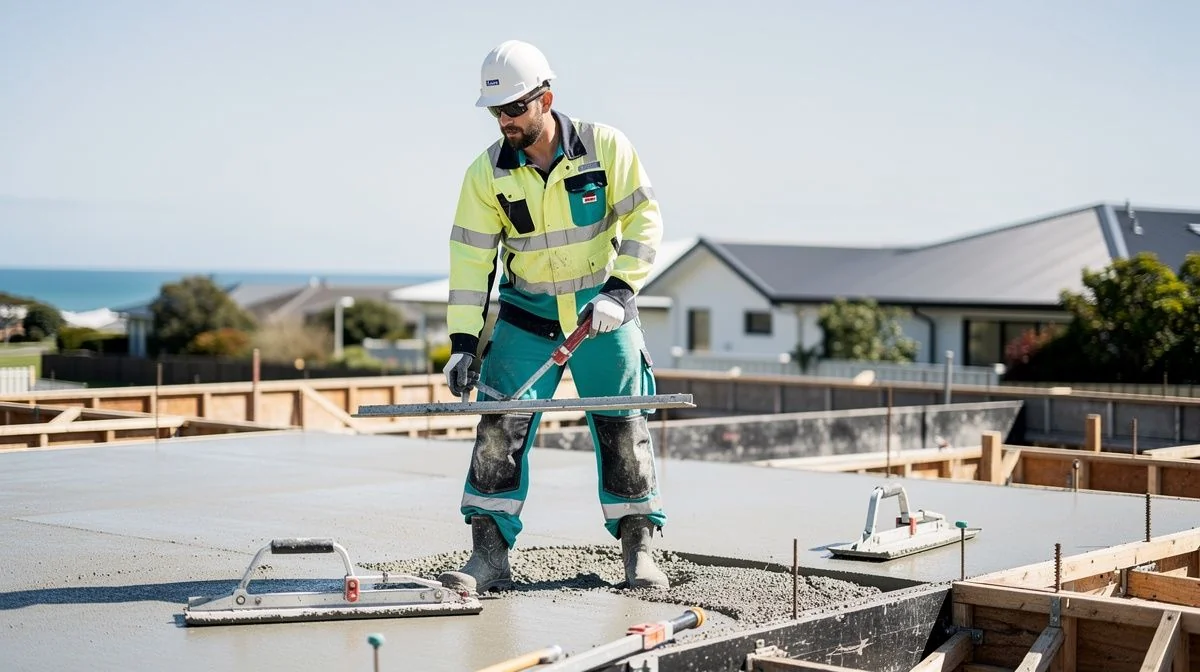
Best Concreters in Paraparaumu
If you're planning a concrete project on the Kapiti Coast — whether it's a new driveway, a patio, a retaining wall, or a garage floor — finding the right concreter in Paraparaumu is key. Concrete work is a serious investment, and getting it right the first time saves you headaches and money down the track.
Paraparaumu has plenty of experienced concreters who know the local conditions well, from coastal winds to the sandy soils that can affect how concrete sets. But choosing the best one for your job takes a bit of research. This guide will help you know what to look for, what to ask, and how to get the best result for your home or business.
What to look for when hiring a Concreter in Paraparaumu
Not all concreters are the same. Some specialise in decorative finishes, others focus on structural work. Here's what you should consider before you make a decision.
Experience and local knowledge
A concreter who has worked in Paraparaumu and the wider Kapiti region will understand the local climate and soil conditions. Coastal properties, for example, may require different concrete mixes or additional sealing to handle salt spray. Ask how many years they've been working in the area and whether they've done similar projects to yours.
Licensing and insurance
In New Zealand, concreting is not a licensed trade like plumbing or electrical work. However, good concreters often hold relevant qualifications or are part of industry bodies such as the Concrete NZ or the Master Concrete Layers Association. Always check that your concreter has public liability insurance — at least $1 million cover is standard. This protects you if something goes wrong on site.
Check with your local council for current requirements — some projects, especially structural ones, may need a building consent and a licensed building practitioner (LBP) to sign off.
Portfolio and references
A reliable concreter should be happy to show you photos of previous work. Ask for examples of projects in Paraparaumu or neighbouring towns like Raumati, Waikanae, or Ōtaki. Better yet, ask for contact details of recent clients so you can hear about their experience firsthand.
Written quote and contract
Never rely on a handshake alone. A professional concreter will provide a detailed written quote that spells out the scope of work, materials, timelines, and payment schedule. Make sure the contract includes what happens if weather delays the job — that's especially relevant on the coast.
Key questions to ask before hiring
Asking the right questions helps you separate experienced tradespeople from those who might cut corners. Here are questions to put to any concreter you're considering.
- How long have you been concreting in the Kapiti region? — Local experience matters for soil, weather, and council rules.
- Can you provide references from recent jobs in Paraparaumu? — A reputable concreter will gladly share these.
- Do you handle the entire job, including site preparation and reinforcement? — Some concreters only pour the concrete; others manage earthworks, formwork, and steel fixing.
- What type of concrete mix do you recommend for this project? — The answer should consider exposure, load, and finish.
- How do you handle weather delays? — Rain and wind can stop pours, so you need a clear plan for rescheduling.
- What's your payment schedule? — Typical terms are a deposit (often 10–30%) with the balance on completion. Avoid paying the full amount upfront.
- Do you offer a warranty on your work? — Many good concreters offer a one-year or two-year warranty against cracking or surface defects (within reason).
Tips for getting the best results
A great result depends on both the concreter's skill and your preparation as the client. Here's how to set the project up for success.
Plan ahead and get the site ready
Before the concreter arrives, clear the area of debris, plants, and obstacles. Mark out underground services like water pipes or power cables — your local council can help you locate them. Good site access makes the job smoother and can save you money on labour.
Understand the curing process
Concrete needs time to cure properly — usually at least seven days before heavy use. During that time, keep the surface damp and protect it from extreme temperatures. Your concreter should give you clear curing instructions. Follow them carefully, or you risk cracking and weak spots.
Think about finish and colour before the pour
Decorative options like exposed aggregate, stamped concrete, or coloured finishes need to be decided in advance. Once the concrete is poured, changing your mind is very difficult and expensive. Ask your concreter to show you sample boards or photos of finished jobs with similar finishes.
Communicate clearly with your concreter
Tell your concreter exactly how you plan to use the concrete surface. A driveway that needs to support a heavy boat is different from a garden path. Let them know about any drainage concerns, slopes, or future plans like adding a carport or shed. The more they know, the better they can advise.
Check the final surface carefully
Don't hand over the final payment until you've inspected the work. Look for even colour, smooth joins, consistent texture, and no major cracks. Minor surface hairline cracks can be normal, but deep or wide cracks are a problem. If you're unsure, ask your concreter to explain — and get a second opinion if needed.
A note about costs and getting quotes
Concrete prices in Paraparaumu vary depending on the size and complexity of the job, the type of finish, and the contractor's experience. As a rough guide, expect to pay somewhere in the range of $80 to $150 per square metre for a basic plain concrete slab, with decorative finishes costing more. Remember, these are ballpark figures — always get a custom quote.
Costs also depend on site access, formwork, steel reinforcement, and any demolition or excavation needed. A small job like a garden path might have a higher per-square-metre rate because of setup time. Larger driveways or patios often work out cheaper per square metre.
The best way to get a fair price is to ask for detailed written quotes from at least three different concreters in the Kapiti area. Compare not just the total cost but also what's included — materials, labour, cleanup, disposal of waste, and any extras like sealants or control joints.
A low quote might look tempting, but it could mean skipping important steps like proper compaction or using lower-grade materials. A mid-range or slightly higher quote from an experienced concreter often gives you better long-term value. Your home's concrete is a permanent feature — it's worth investing in quality work that will last.
Remember, a good concreter will be happy to explain their quote and answer your questions. If someone is vague or pushy, that's a red flag. Take your time, do your homework, and choose a concreter you feel confident about. Your new concrete surface will thank you for it.

The ValueHub Team built this site because finding clear, unbiased financial information in New Zealand was harder than it should be. Every guide is based on real research — we compare the actual fees, terms, and fine print so you don't have to. Our tip: shop around every year, read the policy docs, and never assume loyalty gets you the best deal.— The ValueHub Team
Try our Calculators
Use these free tools to crunch the numbers:
PAYE Calculator
Calculate your take-home pay after PAYE tax, ACC, KiwiSaver, and student loan deductions.
Compound Interest Calculator
See how your savings grow with compound interest over time. Free NZ compound interest calculator with yearly, monthly, and weekly compounding options.
Mortgage Repayment Calculator
Calculate your weekly, fortnightly, or monthly mortgage repayments. Free NZ mortgage calculator — try different rates, terms, and repayment frequencies.
Term Deposit Calculator
Calculate your term deposit returns before you lock in. Compare interest earned across different terms and rates with ValueHub's free calculator.
Savings Goal Calculator
Calculate how long it will take to reach your savings goal — and what monthly deposit you need to get there. Free NZ savings planner.
Credit Card Repayment Calculator
See how long it really takes to pay off your credit card — and how much interest you could save by paying more each month. Free NZ calculator.
Concreters in Other Cities
Best Concreters in Auckland
Best Concreters in Wellington
Best Concreters in Christchurch
Best Concreters in Hamilton
Best Concreters in Tauranga
Best Concreters in Dunedin
Latest Guides & Reviews
US Dollar to NZD: A Practical Guide for Kiwis
Compare the true cost of buying USD in NZ. We reveal the fees, margins, and hidden charges banks, Wise, and airport desks add to every US dollar transfer.
reviewUnderstanding NZ Council Rates
Follow a single rates dollar from your bank account to see where it really goes and how councils set your bill.
comparisonBest Gold and Platinum Credit Cards in New Zealand
Best gold and platinum credit cards in NZ compared: when a $150 annual fee pays for itself through travel insurance and perks.
guideBest Investment Managers in New Zealand
Compare Fisher Funds, Milford, and Pie Funds in this practical guide to vetting NZ investment managers before you trust them with your money.