Best Concreters in Whanganui
Published 23 January 2025 · Updated 18 August 2026
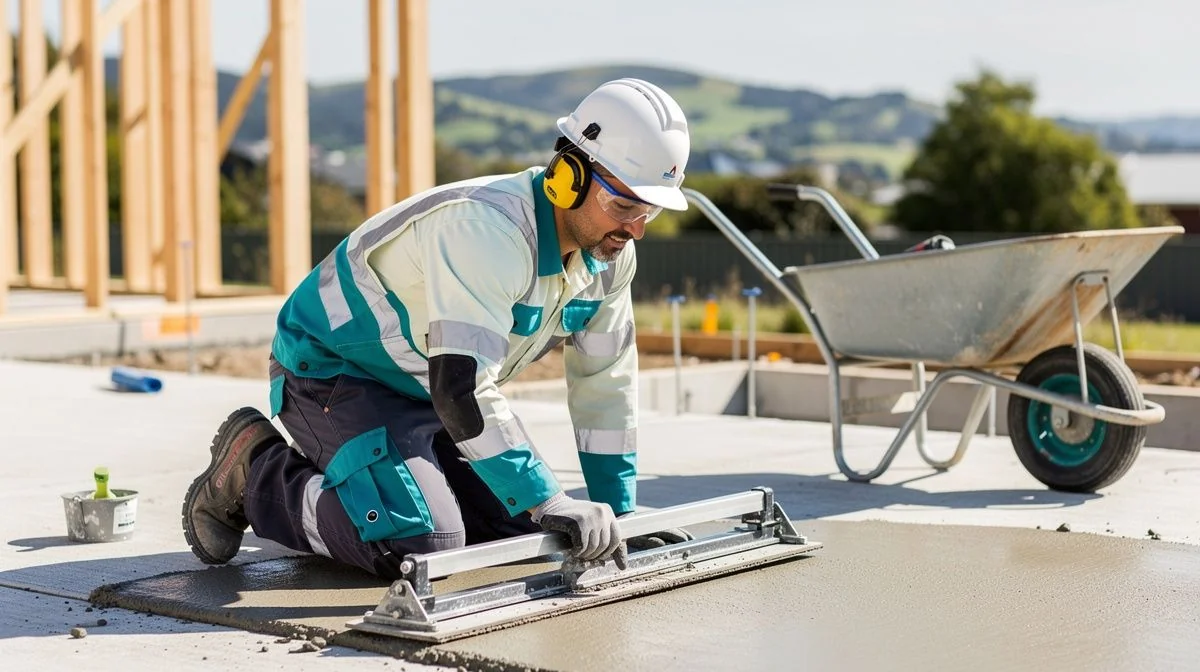
Finding the Right Concreter for Your Whanganui Project
Whanganui's mix of historic character homes, modern subdivisions, and coastal properties means concrete work comes in all shapes and sizes. Whether you're laying a new driveway, pouring a patio, or adding a retaining wall, finding a reliable concreter is key to getting a finish that lasts through our humid summers and wet winters.
Whanganui's climate can be tough on concrete — freeze-thaw cycles, high rainfall, and river silt all affect how a slab performs. That's why hiring a local concreter who understands the local soil conditions and council requirements is so important.
This guide covers what to look for when hiring a concreter in Whanganui, the questions you should ask, and how to get the best result for your budget.
What to Look for When Hiring a Concreter in Whanganui
Not all concrete contractors are the same. Here's what sets a great concreter apart from the rest in the Whanganui area.
- Local experience. A concreter who has worked in Whanganui will know how the river silt and clay soils behave, and what sort of sub-base preparation is needed. They'll also be familiar with Whanganui District Council's building consent requirements for driveways, paths, and structural slabs.
- Licensed and insured. Ask for proof of public liability insurance and any relevant trade licences. While there's no single "concreter licence" in New Zealand, a builder's licence or membership in an industry body like the New Zealand Concrete Contractors Association shows they take their work seriously.
- Portfolio of recent work. A good concreter will have photos of recent projects in Whanganui. Ask to see examples of driveways, patios, or exposed aggregate work — especially projects that are a few years old so you can see how they've held up.
- Clean, well-maintained equipment. Concrete work requires proper tools — mixers, screeds, trowels, and formwork. A tidy worksite and well-kept gear are signs of a professional.
- Solid references. Ask for contact details of recent clients in Whanganui. A quick call to see if the job was completed on time, on budget, and with good communication can save you a lot of stress.
- Clear communication. Does the concreter explain the process, the timeline, and any potential issues upfront? Good communication early on usually means fewer surprises later.
Key Questions to Ask Before Hiring
Once you have a shortlist of potential concreters, it's time to ask the right questions. These will help you compare quotes and choose someone who'll do a quality job.
- How long have you been working in the Whanganui region?
- Can you provide at least two recent client references from local jobs?
- Do you have public liability insurance and any relevant trade qualifications?
- Will you apply for any required building or resource consents, or do I need to organise that?
- What type of concrete do you recommend for my specific project (e.g., exposed aggregate, plain concrete, coloured finish)?
- How will you prepare the sub-base? What depth of hardfill and reinforcing will you use?
- What is your timeline — from start to finish — and how does weather affect it?
- Do you provide a written contract that includes the scope of work, materials, payment schedule, and any warranties?
- What happens if the concrete cracks or there's a defect within the first year?
- Can you provide a fixed-price quote, or is it an estimate subject to change?
Tips for Getting the Best Results
Your concreter can only work with what you give them. Here's how to set your project up for success.
- Plan well in advance. Good concreters are often booked out weeks or months ahead. Start your search early, especially if you need the work done over summer or before the Christmas break.
- Prepare the site. Clear the area of plants, debris, and old concrete. Make sure there's good access for trucks and machinery. If you have existing underground pipes or cables, mark them clearly.
- Think about drainage. Whanganui gets plenty of rain. Make sure your concrete slopes away from buildings and towards a drain or soakage pit. Your concreter should advise on the right fall (typically 1:80 to 1:100 for flat areas).
- Ask about reinforcement. For driveways and other load-bearing areas, steel mesh or fibre reinforcement can help prevent cracking. Your concreter will recommend the best option for your soil and traffic levels.
- Choose the right finish. Exposed aggregate looks great but requires sealing and regular maintenance. Brushed concrete is low-maintenance but can be slippery when wet. Discuss the options that suit your home and lifestyle.
- Get everything in writing. A contract protects both you and the concreter. It should include the scope of work, materials list, payment schedule (e.g., 50% deposit, 50% on completion), and any warranties.
- Be realistic about timing. Concrete needs time to cure — usually at least seven days before you can drive on it, and 28 days for full strength. Plan your project so you're not eager to use the area straight away.
- Communicate any changes early. If you decide to add a path or change the slab shape once work has started, let your concreter know immediately. Last-minute changes can affect pricing and scheduling.
A Note About Costs and Getting Quotes
Concrete prices can vary significantly depending on the type of mix, the size of the job, site access, and the finish you choose. In Whanganui, you can typically expect to pay:
- Plain concrete driveway: $150–$200 per square metre (including sub-base and reinforcement)
- Exposed aggregate: $200–$300 per square metre
- Stamped or coloured concrete: $250–$400 per square metre
- Retaining walls: $300–$500 per square metre, depending on height and reinforcement
These are general estimates and your quote may differ. Getting at least three written quotes from different concreters in Whanganui will give you a good idea of the going rate for your specific job.
When comparing quotes, make sure each one includes the same scope of work — don't just compare the bottom line. Ask about:
- Sub-base preparation (hardfill

The ValueHub Team built this site because finding clear, unbiased financial information in New Zealand was harder than it should be. Every guide is based on real research — we compare the actual fees, terms, and fine print so you don't have to. Our tip: shop around every year, read the policy docs, and never assume loyalty gets you the best deal.— The ValueHub Team
Try our Calculators
Use these free tools to crunch the numbers:
KiwiSaver Fund Comparison
Compare fees, returns, and risk levels across every KiwiSaver fund from all 31 NZ providers.
Currency Converter — USD to NZD
Convert US Dollars to New Zealand Dollars instantly. See the latest exchange rate and 30-day trend.
Mortgage Repayment Calculator
Calculate your weekly, fortnightly, or monthly mortgage repayments. Free NZ mortgage calculator — try different rates, terms, and repayment frequencies.
Compound Interest Calculator
See how your savings grow with compound interest over time. Free NZ compound interest calculator with yearly, monthly, and weekly compounding options.
Term Deposit Calculator
Calculate your term deposit returns before you lock in. Compare interest earned across different terms and rates with ValueHub's free calculator.
Savings Goal Calculator
Calculate how long it will take to reach your savings goal — and what monthly deposit you need to get there. Free NZ savings planner.
Concreters in Other Cities
Latest Guides & Reviews
New Zealand Financial Markets Authority Guide: Investor Protection in NZ
Protect your investments with this practical guide to the FMA — how to check licences, spot scams, and what to do if a provider fails. Verified against...
comparisonEV Home Charger NZ: Costs & Buying Guide
Compare EV home charger costs in NZ — verified prices from $1,299, installation fees, smart features, and what actually matters for your home's power supply.
guideThe Most Popular EVs in New Zealand
The best-selling electric cars in New Zealand, ranked by official registration data. Top BEV and PHEV models and brands, updated monthly.
guideEV Market Stats
New Zealand's EV market in numbers — market share, fleet size, top-selling models and used imports, updated with the latest NZTA and MIA data.