Best Dog Boardings in Upper Hutt
Published 27 January 2025 · Updated 18 August 2026
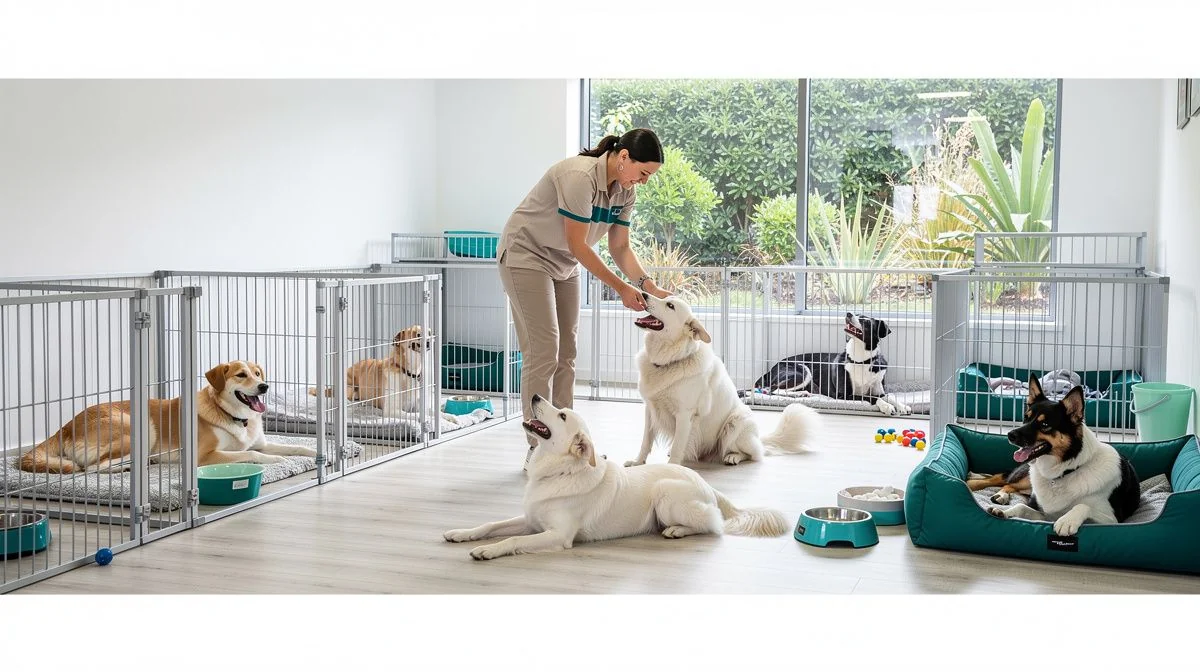
Finding the Best Dog Boarding in Upper Hutt
Upper Hutt is a fantastic place to live with your dog — plenty of parks, river walks, and that fresh valley air. But when you need to go away for work or a holiday, finding the right boarding facility becomes top priority. You want somewhere your dog will be happy, safe, and well cared for while you're gone.
There are several options in and around Upper Hutt, from small home-based kennels to larger commercial facilities. The key is knowing what to look for and asking the right questions before you book. Let’s run through everything you need to consider so you can make a confident choice.
What to Look for When Hiring a Dog Boarding in Upper Hutt
Not all dog boardings are the same. Here are the main things to check when you’re looking at facilities in Upper Hutt.
Licensing and Insurance
Any commercial dog boarding in New Zealand should hold a current council licence. Upper Hutt City Council has specific bylaws covering boarding establishments. Ask to see their licence and confirm they have public liability insurance. This protects you and your dog if something goes wrong.
Cleanliness and Smell
Visit in person before you book. A well-run kennel should smell fresh, not overwhelming of ammonia. Look for clean bedding, disinfected runs, and tidy outdoor areas. If it smells strongly of urine, that’s a red flag.
Staff Knowledge and Demeanour
Watch how staff interact with the dogs. Are they calm, confident, and caring? Do they know basic dog body language? Good boarding places employ people who genuinely understand dogs. Ask about staff training — some may have certificates in animal care or dog behaviour.
Space and Exercise Areas
Dogs need room to move. Look for secure, well-fenced outdoor areas where dogs can run off-lead (safely separated if needed). Indoor spaces should be dry, warm, and have enough room for each dog to stretch out. Check if the facility offers individual or group play times — and whether they match dogs by size and temperament.
Safety Measures
Ask about fencing security, fire safety plans, and after-hours supervision. Are there separate areas for small and large dogs? What happens if a dog gets sick or injured? A good facility will have a vet on call and their own emergency procedures.
Socialisation and Routine
Some dogs love playing with others; some prefer their own company. Find a boarding that can match your dog’s personality. Ask about the daily routine — feeding times, exercise slots, rest periods. Dogs thrive on predictability, so a set schedule helps them settle quickly.
Key Questions to Ask Before Hiring
Once you’ve shortlisted a few options, call or visit and ask these questions. Write down the answers so you can compare later.
- What vaccinations do you require? Most reputable boardings require up-to-date C5 (distemper, hepatitis, parvo, parainfluenza, and kennel cough). Some also ask for a bordetella (kennel cough) vaccine separately — check with your vet.
- What’s your policy on medication? If your dog needs pills or special care, confirm they can administer them correctly. Some charge extra for medication handling.
- How do you handle emergencies? Which vet do they use? How quickly can they get there? What’s their process for contacting you?
- Can I bring my dog’s own food and bedding? Many places allow familiar items to help reduce stress. Some provide their own food — but a sudden diet change can upset your dog’s stomach.
- What’s the cancellation policy? Life happens. Understand their refund or credit terms if you need to change dates last minute.
- How do you separate dogs for feeding and sleeping? This helps prevent resource guarding and fights. Safe boarding means supervised, structured interactions.
- Do you offer a trial visit or day care first? A half-day or overnight trial can show you how your dog really reacts in that environment before you commit to a longer stay.
Tips for Getting the Best Results from Dog Boarding
Even the best facility won’t make up for poor preparation. Here’s how to set your dog (and the boarding staff) up for success.
Book Early
Upper Hutt boardings can fill up quickly during school holidays, long weekends, and summer. Book at least a few weeks in advance, especially if you want a particular facility. Last-minute options are often limited.
Do a Trial Run
If possible, start with a day of doggy day care at the same place. It lets your dog get used to the sights, sounds, and smells without the full separation. Many boardings offer this, and it’s money well spent for peace of mind.
Bring Familiar Items
A blanket, toy, or even an old t-shirt with your scent can comfort your dog. Make sure any items are clearly labelled with your pet’s name. Check that the boarding allows these — some prefer not to for hygiene reasons.
Keep Routines Consistent
Stick to your dog’s usual feeding times and food brand if the boarding allows it. Provide clear instructions about how much to feed and any special treats or restrictions. Consistency helps reduce stress.
Update Your Dog’s ID and Microchip
Make sure your dog’s collar tag has your current phone number, and the microchip details are up to date. In the unlikely event your dog escapes, this dramatically improves the chance of a quick reunion.
Communicate Clearly
Tell the staff about any quirks — fear of storms, dislike of other dogs, anxiety around men, or a tendency to jump fences. The more they know, the better they can care for your dog. Also leave an emergency contact who can make decisions if you’re unreachable.
Pack a “Go Bag” for Your Dog
Include enough food for the entire stay (plus a couple of extra days), any medications, a lead and collar, vaccination records, and a written schedule. Many boardings provide bedding, but some don’t — ask ahead.
A Note About Costs and Getting Quotes
Dog boarding prices in Upper Hutt vary depending on the facility type, location, and the services included. Home-based boardings are often more affordable than large commercial kennels, but the level of supervision and facilities can also differ. Additional services like extra walks, one-on-one playtime, or administering medication may attract extra charges.
Because every dog’s needs are different — some require more attention or special care — it’s smart to get quotes from at least two or three different boardings. Ask for a full breakdown of what’s included in the daily rate and what costs extra. Don’t automatically choose the cheapest option; weigh it against the quality of care, the environment, and the staff’s experience. A

The ValueHub Team built this site because finding clear, unbiased financial information in New Zealand was harder than it should be. Every guide is based on real research — we compare the actual fees, terms, and fine print so you don't have to. Our tip: shop around every year, read the policy docs, and never assume loyalty gets you the best deal.— The ValueHub Team
Try our Calculators
Use these free tools to crunch the numbers:
KiwiSaver Fund Comparison
Compare fees, returns, and risk levels across every KiwiSaver fund from all 31 NZ providers.
Currency Converter — USD to NZD
Convert US Dollars to New Zealand Dollars instantly. See the latest exchange rate and 30-day trend.
Mortgage Repayment Calculator
Calculate your weekly, fortnightly, or monthly mortgage repayments. Free NZ mortgage calculator — try different rates, terms, and repayment frequencies.
Compound Interest Calculator
See how your savings grow with compound interest over time. Free NZ compound interest calculator with yearly, monthly, and weekly compounding options.
Term Deposit Calculator
Calculate your term deposit returns before you lock in. Compare interest earned across different terms and rates with ValueHub's free calculator.
Savings Goal Calculator
Calculate how long it will take to reach your savings goal — and what monthly deposit you need to get there. Free NZ savings planner.
Dog Boardings in Other Cities
Latest Guides & Reviews
New Zealand Financial Markets Authority Guide: Investor Protection in NZ
Protect your investments with this practical guide to the FMA — how to check licences, spot scams, and what to do if a provider fails. Verified against...
comparisonEV Home Charger NZ: Costs & Buying Guide
Compare EV home charger costs in NZ — verified prices from $1,299, installation fees, smart features, and what actually matters for your home's power supply.
guideThe Most Popular EVs in New Zealand
The best-selling electric cars in New Zealand, ranked by official registration data. Top BEV and PHEV models and brands, updated monthly.
guideEV Market Stats
New Zealand's EV market in numbers — market share, fleet size, top-selling models and used imports, updated with the latest NZTA and MIA data.