Best Dry Cleaners in Paraparaumu
Published 30 January 2025 · Updated 18 August 2026
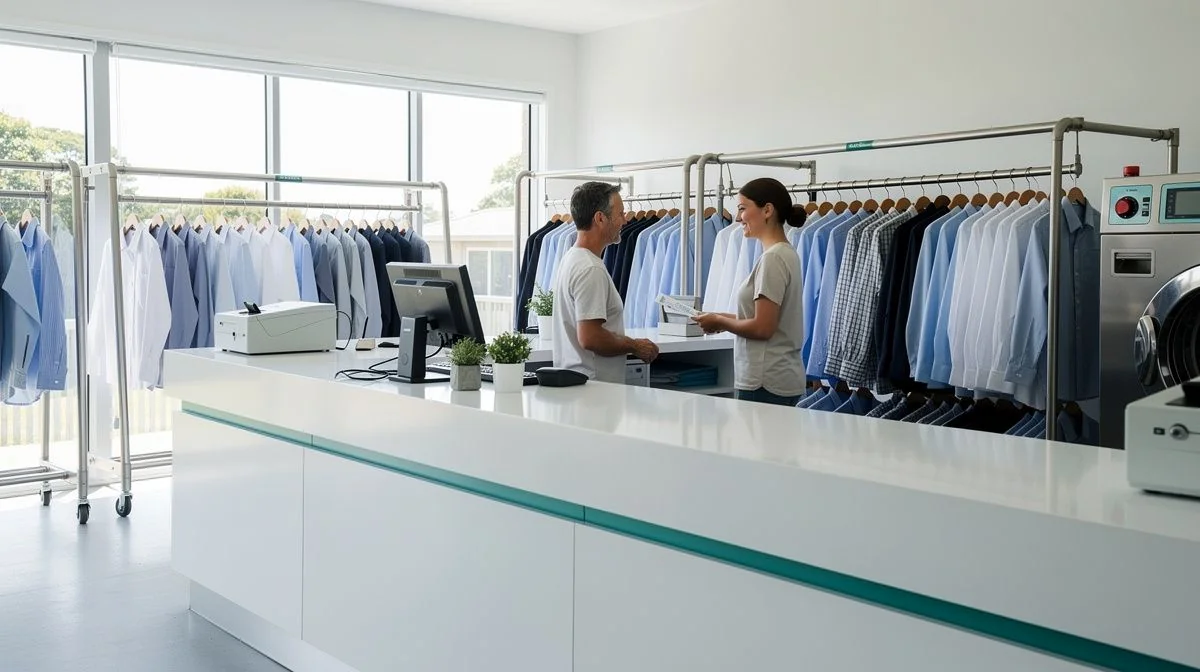
Finding the Right Dry Cleaner in Paraparaumu
Whether you're freshening up a work suit, cleaning a delicate silk blouse, or getting a special-occasion dress ready for an event, a good dry cleaner makes all the difference. Paraparaumu has several options, from local high-street shops to larger chains, but not all provide the same level of care. The trick is knowing what to check before you hand over your garments.
This guide covers what to look for, questions to ask, and how to get the best results from your dry cleaner in Paraparaumu. We’ll also discuss typical costs and how to get useful quotes so you can compare services with confidence.
What to Look for When Hiring a Dry Cleaner in Paraparaumu
Choosing a dry cleaner isn’t just about convenience. You want someone who will treat your clothes properly, use safe cleaning methods, and deliver on time. Here are key things to consider:
- Experience and reputation. Look for a cleaner who has been operating in the Kapiti area for a while. A well-established business is more likely to have loyal customers and consistent quality. Ask friends or neighbours for recommendations — word of mouth is often the best gauge.
- Cleaning methods. Many modern dry cleaners use “wet cleaning” or eco-friendly solvents instead of traditional perchloroethylene (perc). If you’re sensitive to chemicals or have delicate fabrics, check whether they offer ‘green’ or low-solvent options. Not all cleaners advertise this, so it pays to ask.
- Turnaround times. Most dry cleaners in Paraparaumu offer same-day or next-day service for standard items. But if you need a rush job (e.g. same afternoon) confirm they can do it. Some charge a premium for express service.
- Cleaning specialties. Do they handle wedding gowns, leather, suede, or heavy curtains? Not every cleaner is equipped for specialist items. If you have something unusual, call ahead and ask about their experience and equipment.
- Pricing transparency. A reliable cleaner will clearly list prices for common items like shirts, trousers, dresses, and coats. Watch out for vague “per piece” pricing without a breakdown — you don’t want surprises at the counter.
Key Questions to Ask Before Hiring
Before you drop off your clothes, it’s worth asking a few targeted questions. This helps you understand the cleaner’s process and whether they align with your needs.
- “How do you handle stains?” A good dry cleaner will inspect each item and pre-treat stains before cleaning. Ask whether they use a spotting table and if they recommend you point out stains yourself. Some cleaners charge extra for stain removal, so clarify this upfront.
- “What happens if an item is damaged during cleaning?” Reputable dry cleaners have insurance and a clear policy for lost or damaged items. Ask to see their terms and conditions. If they shy away from the question, that’s a red flag.
- “Do you offer alterations or minor repairs?” Many dry cleaners also sew on buttons, fix hems, or patch small holes. If you need these services, check whether they’re available and what they cost.
- “Can you clean this specific fabric?” For delicate items (e.g. silk, cashmere, beaded dresses), ask directly about their expertise. They should be able to explain how they handle the material without fussing.
- “What are your hours and location?” Simple but important. Some suburban dry cleaners have limited hours or close on weekends. Make sure they fit your schedule, especially if you need a quick turnaround.
Tips for Getting the Best Results
Even the best dry cleaner can’t fix everything. A little preparation on your side goes a long way toward keeping your clothes in top shape.
- Check the care label. Before dropping off any garment, read the manufacturer’s care label. Some items are marked “dry clean only”, others “machine washable” or “hand wash”. Don’t assume — if you’re unsure, ask the cleaner for advice.
- Point out stains clearly. Stains set over time, so the sooner you treat them the better. When you hand over the item, tell the staff exactly where each stain is and what caused it (e.g. red wine, grass, oil). This helps them choose the right solvent and avoid spreading the stain.
- Empty pockets and remove accessories. Empty all pockets, remove belts, and take off any detachable brooches or buttons. Not only does this prevent damage, but it also stops small items from being lost during cleaning.
- Air out freshly dry-cleaned items. When you collect your clothes, remove them from the plastic bag as soon as you get home. Hang them in a well-ventilated area for a few hours to let any residual solvent dissipate. This is especially important for people with chemical sensitivities.
- Keep seasonal items stored properly. After winter, have your coats and suits cleaned before storing them in a breathable garment bag. Cleaning removes oils and dirt that attract moths, and storing them clean helps them last longer.
A Note About Costs and Getting Quotes
Dry cleaning prices in Paraparaumu vary depending on the item, the fabric, and any special treatment needed. As a general guide, you can expect to pay roughly $5–$10 for a standard shirt, $8–$15 for trousers or a dress, and $15–$25 for a two-piece suit or a coat. These are ballpark figures — always check with the cleaner for their exact rates.
Some cleaners offer discounts for bulk orders or loyalty programs. For example, you might get every tenth item cleaned free, or a reduced rate if you drop off five shirts at once. Ask about these deals when you get a quote.
When comparing quotes, don’t just look at the per-item price. Consider the total cost including any additional charges for stain removal, express service, or pressing. A cheap “per piece” price might become expensive once extras are added. A reliable cleaner will give you a written estimate before starting work on special items.
Finally, remember that the cheapest option isn’t always the best. If a price seems too good to be true, check the cleaner’s reputation and ask about their methods. Spending a little more on a trusted professional often saves you money in the long run by avoiding ruined garments.

The ValueHub Team built this site because finding clear, unbiased financial information in New Zealand was harder than it should be. Every guide is based on real research — we compare the actual fees, terms, and fine print so you don't have to. Our tip: shop around every year, read the policy docs, and never assume loyalty gets you the best deal.— The ValueHub Team
Try our Calculators
Use these free tools to crunch the numbers:
KiwiSaver Fund Comparison
Compare fees, returns, and risk levels across every KiwiSaver fund from all 31 NZ providers.
Currency Converter — USD to NZD
Convert US Dollars to New Zealand Dollars instantly. See the latest exchange rate and 30-day trend.
Mortgage Repayment Calculator
Calculate your weekly, fortnightly, or monthly mortgage repayments. Free NZ mortgage calculator — try different rates, terms, and repayment frequencies.
Compound Interest Calculator
See how your savings grow with compound interest over time. Free NZ compound interest calculator with yearly, monthly, and weekly compounding options.
Term Deposit Calculator
Calculate your term deposit returns before you lock in. Compare interest earned across different terms and rates with ValueHub's free calculator.
Savings Goal Calculator
Calculate how long it will take to reach your savings goal — and what monthly deposit you need to get there. Free NZ savings planner.
Dry Cleaners in Other Cities
Latest Guides & Reviews
New Zealand Financial Markets Authority Guide: Investor Protection in NZ
Protect your investments with this practical guide to the FMA — how to check licences, spot scams, and what to do if a provider fails. Verified against...
comparisonEV Home Charger NZ: Costs & Buying Guide
Compare EV home charger costs in NZ — verified prices from $1,299, installation fees, smart features, and what actually matters for your home's power supply.
guideThe Most Popular EVs in New Zealand
The best-selling electric cars in New Zealand, ranked by official registration data. Top BEV and PHEV models and brands, updated monthly.
guideEV Market Stats
New Zealand's EV market in numbers — market share, fleet size, top-selling models and used imports, updated with the latest NZTA and MIA data.