Best Dry Cleaners in West Coast
Published 30 January 2025 · Updated 18 August 2026
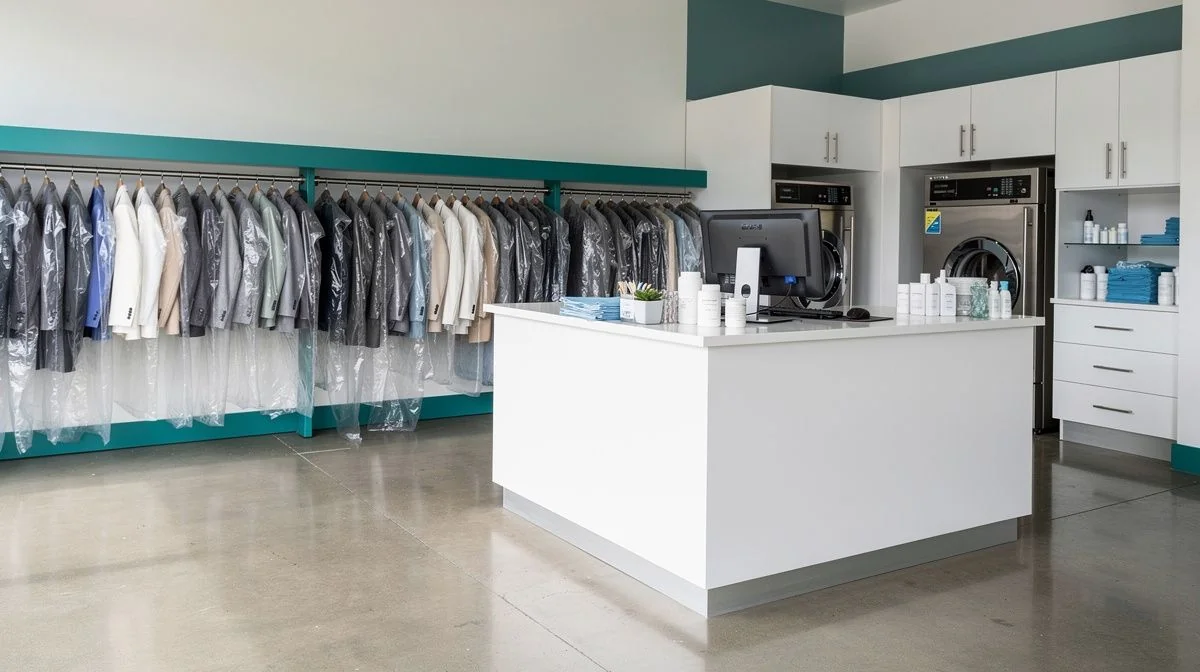
Finding Dry Cleaners on the West Coast
Living on the West Coast means dealing with a fair share of damp weather, bush tracks, and rugged outdoor adventures. Your clothes take a beating, whether it's from tramping through the bush around Hokitika or a night out in Greymouth. A reliable dry cleaner can be a lifesaver for keeping your work shirts, jackets, and special occasion outfits looking their best.
But finding the right dry cleaner on the Coast isn't always straightforward. Options are spread across a large region, from Westport down to Franz Josef. You want someone who knows how to handle everything from a muddy swandri to a delicate wedding dress — without damaging your gear or charging a fortune.
This guide walks you through what to look for, what to ask, and how to get the best results from your local dry cleaner.
What to Look for When Hiring a Dry Cleaner in West Coast
Our Trusted Dry Cleaners
We feature businesses that demonstrate strong performance, proven experience, and consistently positive customer feedback. Some of the providers listed may have commercial relationships with us, but all are selected based on quality and reliability.
To begin, reach out to them and speak with them directly — this helps you explain your job, ask questions, and confirm whether they're the right fit.
Special Offers *Conditions $5.50/shirt for regular coloured business shirts $6.50/shirt for white business shirts Minimum of 5 business shirts. An established and iconic dry cleaner with over 60 years in the local community situated on the corner of West Coast and Glendale Roads. Specialising in Wedding Dresses, Curta
Local knowledge and experience
The best dry cleaners on the West Coast understand the local conditions. They know how to handle the extra mud, sand, and moisture that comes with living here. Look for a business that's been operating locally for a while — they'll have experience with the sorts of stains and fabrics that are common in the region.
Range of services offered
Not all dry cleaners offer the same services. Some specialise in everyday laundry and basic dry cleaning, while others handle alterations, leather cleaning, and wedding dress preservation. Before you choose, check that they can handle the specific items you need cleaned.
Common services to look for include:
- Dry cleaning for suits, dresses, and coats
- Wash and press services for shirts and trousers
- Stain removal (especially for grass, wine, and mud)
- Alterations and repairs (hemming, button replacement)
- Leather and suede cleaning
- Wedding gown and formal wear preservation
- Household items like curtains, duvets, and blankets
Turnaround time
On the West Coast, turnaround times can vary depending on how busy the cleaner is and whether they need to send items away for specialist treatment. Ask about their standard turnaround — most offer 24 to 48 hours for basic items. If you need something urgently, check if they offer an express service and what it costs.
Care and handling
You're trusting someone with your clothes, so you want to be confident they handle items carefully. Look for a cleaner that inspects garments before cleaning, treats stains individually, and uses proper pressing techniques. A good cleaner will also check buttons, zips, and linings before starting.
Customer service
A friendly, helpful team makes all the difference. When you drop off your items, notice how they treat you. Do they explain the process? Do they ask about specific stains or concerns? Good communication is a sign of a professional operation.
Key Questions to Ask Before Hiring
Before you hand over your favourite jacket or that suit you need for a wedding, ask these questions to make sure you're in good hands:
- What experience do you have with this type of fabric or garment? Some fabrics like silk, wool, or leather need special handling. A good cleaner will be upfront about their capabilities.
- Do you inspect items before cleaning? This shows they take care with each item and will check for existing damage, stains, or loose buttons.
- What stain removal methods do you use? You want a cleaner that treats stains individually rather than just throwing everything in the machine. Ask about their process for common West Coast stains like mud, grass, and red wine.
- What happens if something is damaged or lost? Reputable cleaners have policies in place for these situations. Ask before you leave your items so you know where you stand.
- Do you offer alterations or repairs? This is handy if you need a hem taken up or a button sewn back on at the same time as your cleaning.
- What payment methods do you accept? Some cleaners prefer cash or EFTPOS, while others take credit cards or online payments.
Tips for Getting the Best Results
Point out stains before you drop off
When you hand over your clothes, tell the cleaner about any stains and what caused them. This helps them choose the right treatment. For example, a grass stain needs different treatment than a wine stain. The more information you give, the better the result.
Empty all pockets
It's an easy one to forget, but check every pocket before you drop off your clothes. Pens, tissues, and loose change can cause damage during cleaning — or at least create a mess. A lipstick in a pocket can ruin an entire load.
Point out loose buttons and damaged zips
If you notice a loose button or a sticky zip, tell the cleaner about it. They can often fix these issues before cleaning, preventing further damage. Some cleaners include minor repairs in their service, while others charge extra — ask about this upfront.
Follow care labels — but trust the experts
Your clothes have care labels for a reason, but dry cleaners are trained to know when a label is overly cautious or even wrong. A good cleaner will advise you on the best method for each garment. If they recommend a different approach than the label, ask them why.
Pick up on time
Most dry cleaners charge storage fees if you leave items for weeks or months. Pick up your clothes within the agreed timeframe to avoid extra costs and to keep your garments in good condition.
Check your items before leaving
When you collect your clothes, take a quick look before you walk out. Check that everything is clean, stains are gone, and there's no damage. If something isn't right, speak up then and there — it's much harder to sort out later.
A Note About Costs and Getting Quotes
Dry cleaning prices on the West Coast vary depending on the item, the service, and the location. A standard shirt might cost around $5 to $8, while a suit could be $15 to $25. Specialist items like wedding dresses or leather jackets cost more — often $80 to $150 or more, depending on the complexity.
Prices can also vary between towns. A cleaner in Greymouth might charge differently to one in Westport or Hokitika, simply because of differences in overheads and demand.
To get the best deal, it pays to ask for a quote before you commit. Most dry cleaners will give you a price over the phone or in person when you show them the item. If you have multiple items, ask if they offer a discount for bulk cleaning — many do, especially for regular customers.
A few things to keep in mind when comparing costs:
- Ask about any extra fees — for stain removal, express service, or hanging storage.
- Check if the price includes pressing and packaging — some cleaners charge extra for these.
- Look for loyalty programs or multi-item discounts — many local cleaners reward regulars.
- Remember that the cheapest option isn't always the best — a slightly higher price often means better care, better equipment, and better results.
Because specific pricing changes frequently and varies by location, it's always a good idea to contact a few local dry cleaners directly for a current quote. That way you know exactly what you're paying before you hand over your

The ValueHub Team built this site because finding clear, unbiased financial information in New Zealand was harder than it should be. Every guide is based on real research — we compare the actual fees, terms, and fine print so you don't have to. Our tip: shop around every year, read the policy docs, and never assume loyalty gets you the best deal.— The ValueHub Team
Try our Calculators
Use these free tools to crunch the numbers:
KiwiSaver Fund Comparison
Compare fees, returns, and risk levels across every KiwiSaver fund from all 31 NZ providers.
Currency Converter — USD to NZD
Convert US Dollars to New Zealand Dollars instantly. See the latest exchange rate and 30-day trend.
Mortgage Repayment Calculator
Calculate your weekly, fortnightly, or monthly mortgage repayments. Free NZ mortgage calculator — try different rates, terms, and repayment frequencies.
Compound Interest Calculator
See how your savings grow with compound interest over time. Free NZ compound interest calculator with yearly, monthly, and weekly compounding options.
Term Deposit Calculator
Calculate your term deposit returns before you lock in. Compare interest earned across different terms and rates with ValueHub's free calculator.
Savings Goal Calculator
Calculate how long it will take to reach your savings goal — and what monthly deposit you need to get there. Free NZ savings planner.
Dry Cleaners in Other Cities
Latest Guides & Reviews
New Zealand Financial Markets Authority Guide: Investor Protection in NZ
Protect your investments with this practical guide to the FMA — how to check licences, spot scams, and what to do if a provider fails. Verified against...
comparisonEV Home Charger NZ: Costs & Buying Guide
Compare EV home charger costs in NZ — verified prices from $1,299, installation fees, smart features, and what actually matters for your home's power supply.
guideThe Most Popular EVs in New Zealand
The best-selling electric cars in New Zealand, ranked by official registration data. Top BEV and PHEV models and brands, updated monthly.
guideEV Market Stats
New Zealand's EV market in numbers — market share, fleet size, top-selling models and used imports, updated with the latest NZTA and MIA data.