Best Electricians in Palmerston North
Published 11 September 2026 · Written by the ValueHub team · Reviewed by Steve Baron
Where Planned Work Beats the Emergency Call-Out
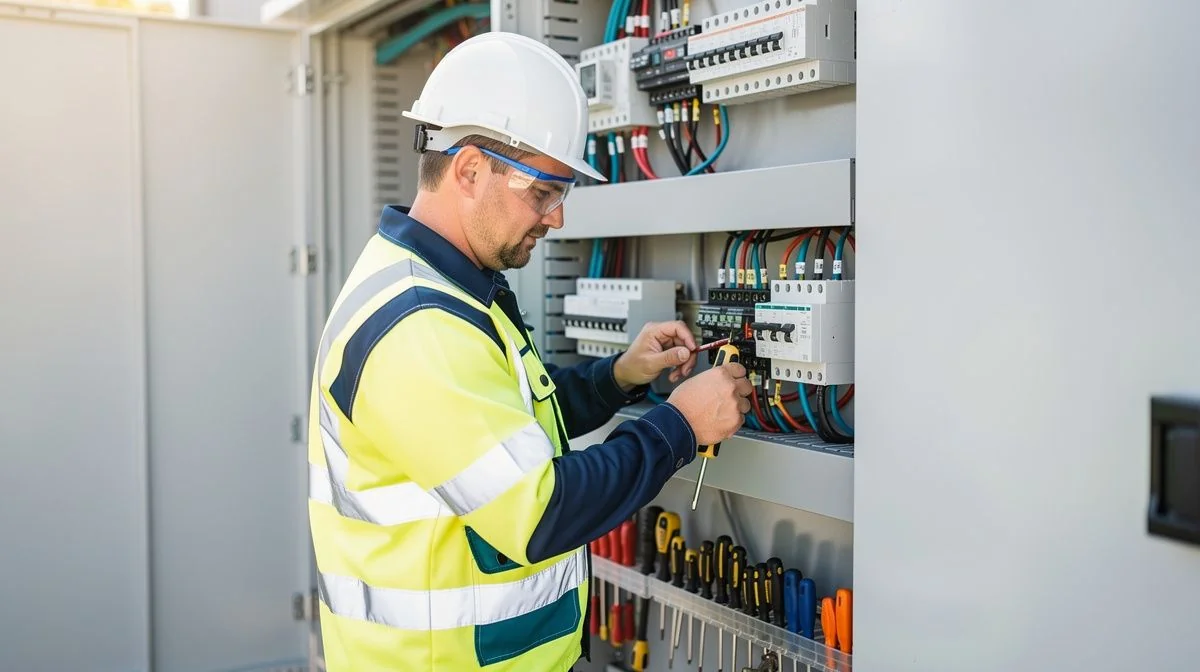
Electrical work in Palmerston North is shaped by two things: a rental-heavy housing stock and a rural hinterland. Massey University and the hospital anchor steady demand, and because a large share of the city's housing is tenanted, much of the work is as much about assessment and documentation as repair. Landlords need a record that the installation is sound, and tenants need to know it too.
Beyond the city boundary, Manawatū's rural services sector brings a distinct set of jobs: pump wiring, shed and workshop circuits, stock water systems, and outbuildings that were never connected properly. Distances matter on those jobs, so ask how travel is charged. The city's food processing and logistics base also keeps experienced commercial electricians in the region.
The local housing stock is old enough that switchboards and original wiring matter most. A regional market means rates sit at the lower end of the national range, about $75 to $105 plus GST an hour, with a call-out or service fee of $75 to $150 that normally covers travel and the first hour. Get the scope in writing, because planned work is always cheaper than the emergency call-out.
How We Researched This Guide
We started with the regulatory position, because electrical work is restricted to registered tradespeople and certification requirements protect homeowners and landlords. That covers the Electrical Workers Registration Board register and where the owner-occupier exception stops.
For the pricing bands, we compared published New Zealand electrical trade pricing guides rather than relying on a single company's rates. Local conditions shape how much work an older house needs, and we note where it changes the scope.
Our Trusted Electricians
We feature businesses that demonstrate strong performance, proven experience, and consistently positive customer feedback. Some of the providers listed may have commercial relationships with us, but all are selected based on quality and reliability.
To begin, reach out to them and speak with them directly — this helps you explain your job, ask questions, and confirm whether they're the right fit.
John Leader Electrical - experts in home & commercial electrical work, new & old house re-wiring & heat pumps. Try the best Palmerston North electricians - JLE. We’re experts in healthy homes requirements and can handle all heating, ventilation and electrical requirements for healthy home compliance.
The 60-Second Version
The short Version, for anyone deciding whether to book.
- Electricians in the regions charge about $75–$105 plus GST an hour, with the general residential range at $85–$125.
- Including GST, expect $90–$140 an hour for most domestic work.
- A call-out or service fee of $75–$150 plus GST normally covers travel and the first hour.
- Emergency and after-hours work adds 50–100 per cent, the most avoidable cost on the invoice.
- A registered electrician with a current practising licence must do prescribed electrical work, and it must be certified.
What the Work Costs Around Palmerston North
Regional centres sit below Auckland and Wellington on labour rates, and Palmerston North is no exception. The bands below reflect the general New Zealand market with the regional hourly rate applied, so a straightforward job usually lands at the lower end.
| Work | Typical cost |
|---|---|
| Regional hourly rate | $75–$105 plus GST |
| General residential range | $85–$125 plus GST, most commonly $90–$105 |
| Including GST | $90–$140 an hour |
| Call-out or service fee | $75–$150 plus GST, usually including the first hour |
| After-hours or emergency call-out | Standard rate plus 50–100 per cent |
| Certificate of Compliance | $30–$60, or $50–$150 at the higher end |
| Electrical Safety Certificate | Same range as the Certificate of Compliance |
Ranges drawn from published New Zealand electrical trade pricing guides and provider quotes. Ask whether the call-out absorbs the first hour of labour or is charged in addition to it.
Which Jobs Need a Licensed Electrician
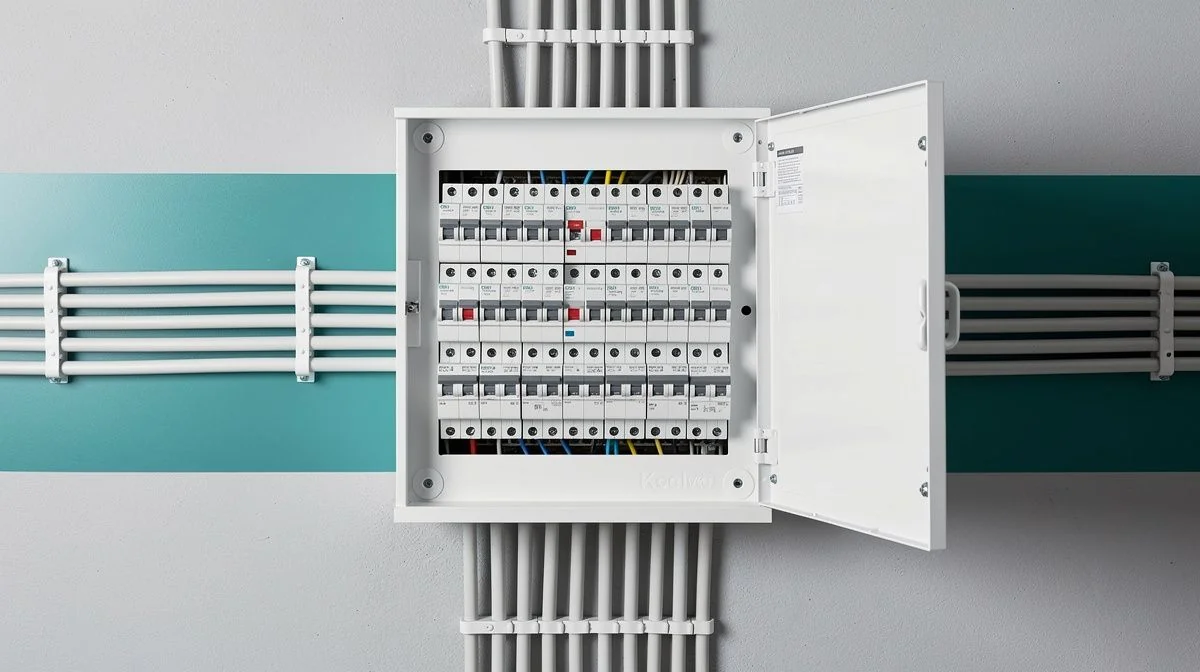
Prescribed electrical work is regulated under the Electricity Act and the Electricity (Safety) Regulations, and it can only be carried out by someone registered with the Electrical Workers Registration Board who holds a current practising licence. The installation has to meet AS/NZS 3000.
Almost everything a homeowner thinks of as electrical work falls inside it: new circuits, additional socket outlets, replacement light fittings, switchboard changes, mains connections, cylinder wiring and repairs inside a wall or ceiling.
What sits outside it is a short list. Changing a lamp, swapping a plug-in appliance, or replacing a light fitting that plugs in rather than being wired does not require a licence. Replacing a switch or socket that forms part of the fixed wiring does. That line is narrower than most people expect.
Palmerston North has plenty of older housing where a previous owner crossed it. The work may date back decades, but the wiring is still there and still uncertified.
What the Certificate of Compliance Gives You
A Certificate of Compliance is the legal record that prescribed electrical work has been completed, tested and certified to the required standard. It names the electrician, records their licence, and describes the work covered. The person who did the job issues it.
For lower-risk prescribed work, an Electrical Safety Certificate is the equivalent document. No category of prescribed work comes without paperwork, and any claim to the contrary should end the conversation.
The certificate matters most for rentals. Landlords have obligations around installation safety, and if a fault causes damage, the certificate is the record showing a licensed person did the work properly.
Certification costs about $30–$60, rising to $50–$150 on larger jobs. It is a fixed part of doing prescribed work lawfully, so a quote that leaves it out is not cheaper. It is incomplete.
Why Old Switchboards Remain the Main Safety Issue
The most common genuine hazard in older New Zealand homes is not wiring that looks alarming. It is a switchboard in a pre-1970s house that has never been replaced, quietly carrying far more load than it was designed for.
Boards from that period typically rely on rewireable fuses, and many lack RCD protection, so a fault running to earth through a person isn't cut off quickly enough. Rewireable fuses also allow the wrong fuse-wire gauge to be fitted, removing the protection the circuit was designed around.
The cable behind the board ages in parallel. Insulation that hardened decades ago becomes brittle in roof spaces and fails when it is disturbed rather than gradually. That is why a job starting as a single new socket can end with a much larger discussion.
In most cases, the board is the first thing worth replacing. Modern circuit breakers with RCD protection address the highest-risk component of an old installation at a predictable cost, while a full rewire is a different project entirely. Any quote should clearly state which options you are being sold.
Local Factors That Shape the Work
A Rental-Heavy Market
With Massey University and the hospital anchoring steady demand, a large share of the city's housing is tenanted. Electrical work on rentals is as much bout assessment and documentation as repair, because the owner needs records and the tenant needs to know the installation is sound.
Rural and Lifestyle Block Work
Manawatū's rural services sector reaches well beyond the city boundary, and lifestyle blocks bring a distinct set of jobs: pump wiring, shed and workshop circuits, stock water systems, and outbuildings never connected properly. Distances matter, so ask how travel is charged.
Why Scoped Work Pays Off
Owners here are still investing in their homes, and they are choosing that work carefully. That favours quoted, scoped work over reactive call-outs, and makes a written quote genuinely useful for comparison.
Food Processing and Logistics
The food processing base around the city supports a steady industrial electrical workload, which keeps experienced commercial electricians in the region.
Choosing an Electrician in Palmerston North
Confirm the registration before anything else. The Electrical Workers Registration Board maintains a public register, and looking someone up takes a minute. A legitimate electrician expects the question.
Then ask how the fee works. A call-out that covers travel and the first hour of labour is very different from one charged simply for arriving. On a short job, the second Version can add more to the bill than the first, so compare the structure, not just the rate.
If your job is on a rental or a rural property, say so at the quoting stage. Both change the scope, and a quote given without that information is likely to be revised on site.
Warning Signs
- No certificate offered. Prescribed work always carries certification. Any suggestion otherwise is a reason to walk away.
- Untidy joints hidden behind a wall. Taped or twisted connections outside an accessible enclosure are the classic mark of unconsented work.
- No licence details on the quote or invoice. Registration is what makes the work legal and insurable.
- An hourly rate quoted without a call-out structure. You should know the total for the first hour, not just the rate.
- Heavier fuse wire fitted to stop a fuse blowing. That removes protection rather than fixing the fault.
Questions You Might Have
What does a rental property need electrically?
The installation must be safe, and any required work must be certified. If you have owned the property for years and never seen a certificate, it is worth having a licensed electrician check the board and confirm RCD protection is in place.
Who pays for electrical repairs in a rental?
Generally, the landlord pays because the installation belongs to the property. The exception is damage caused by the tenant. Either way, a licensed electrician should do the work and provide certification, because uncertified repairs can create problems at the next sale or insurance review.
Can I get power out to a shed or workshop?
Yes, and it is prescribed work from the point the cable leaves the main installation. The electrician will size the circuit for what you intend to run, because a welder or large compressor needs far more capacity than lighting and a few sockets.
What Matters Most
Palmerston North rewards planning. Rates sit at the lower end of the national range, and the local housing stock is old enough that switchboards and original wiring are the biggest issues.
Get the scope in writing, confirm the licence, and make sure the quote includes the certificate. For a wider look at the trade, see our guide to electricians in New Zealand.

The ValueHub Team built this site because finding clear, unbiased financial information in New Zealand was harder than it should be. Every guide is based on real research — we compare the actual fees, terms, and fine print so you don't have to. Our tip: shop around every year, read the policy docs, and never assume loyalty gets you the best deal.— The ValueHub Team
More Electricians in Palmerston North
These businesses also operate in this area.
McNae Group is a team of trusted electricians in Palmerston North, delivering complete & reliable electrical services, heating, solar solutions & more. Our full list of services Serving the Manawatū for 30+ years. Electrical We are your local registered electrical contractors. Residential electrical, industrial, commer
Try our Calculators
Use these free tools to crunch the numbers:
KiwiSaver Fund Comparison
Compare fees, returns, and risk levels across every KiwiSaver fund — the most up to date data in New Zealand.
Currency Converter — USD to NZD
Convert US Dollars to New Zealand Dollars instantly. See the latest exchange rate and 30-day trend.
Mortgage Repayment Calculator
Calculate your weekly, fortnightly, or monthly mortgage repayments. Free NZ mortgage calculator — try different rates, terms, and repayment frequencies.
Compound Interest Calculator
See how your savings grow with compound interest over time. Free NZ compound interest calculator with yearly, monthly, and weekly compounding options.
Term Deposit Calculator
Calculate your term deposit returns before you lock in. Compare interest earned across different terms and rates with ValueHub's free calculator.
Savings Goal Calculator
Calculate how long it will take to reach your savings goal — and what monthly deposit you need to get there. Free NZ savings planner.
Electricians in Other Cities
Latest Guides & Reviews
KiwiSaver and Tax — PIR, ESCT and What You Actually Pay
KiwiSaver is taxed twice — ESCT on your employer's contribution and your PIR on the fund's returns. How each rate is set, and the two most members never check.
reviewInvestNow KiwiSaver Scheme Review
InvestNow KiwiSaver review: 45 open funds, fund charges from 0.03 to 1.38 per cent, and net returns to 30 June 2026.
reviewKernel KiwiSaver Scheme Review
Kernel KiwiSaver review: 25 open funds, fund charges from 0.25 to 0.45 per cent, and net returns to 30 June 2026.
guideTax Debt in New Zealand — The Numbers
Official figures on New Zealand's overdue tax debt: the total, the collectable share, which customer groups hold it, and how much is repaid or written off.