Best Electricians in Whanganui
Published 31 January 2025 · Updated 18 August 2026
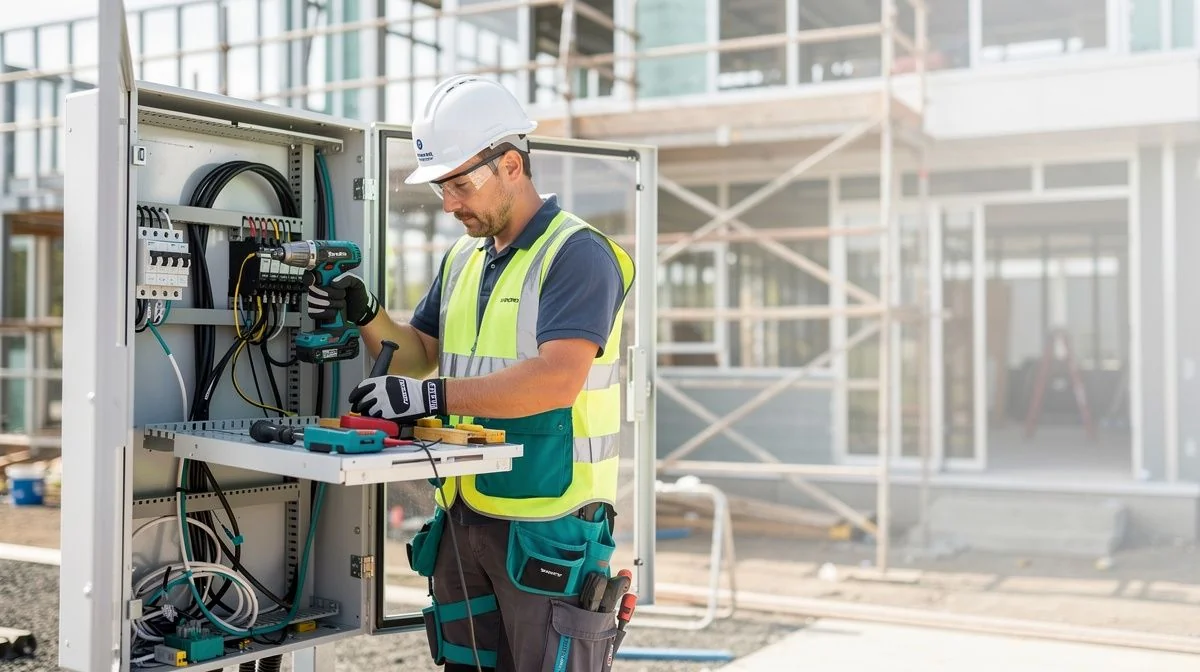
Finding a Reliable Electrician in Whanganui
Whether you’re renovating a villa on Dublin Street, adding a heat pump in Castlecliff, or dealing with a flickering light in Gonville, finding a trustworthy electrician in Whanganui can feel like a bit of a gamble. Electrical work isn’t something you want cut corners on—it’s about safety, compliance, and getting the job done right the first time.
Whanganui has a solid mix of established electrical businesses and smaller independent contractors. The trick is knowing which one suits your specific job, budget, and timeline. In this guide, we’ll walk through exactly what to look for, the questions you should ask, and how to get the best results—whether it’s a minor repair or a full rewire.
What to Look for When Hiring an Electrician in Whanganui
Not all electricians are the same, and in New Zealand, the rules around who can do what are strict. Here’s what to check before you hire anyone.
Licensing and Registration
Any person doing electrical work in New Zealand must be registered with the Electrical Workers Registration Board (EWRB). That includes everything from installing a new power point to wiring a new build. You can check a tradie’s licence number on the EWRB website to confirm they’re current and have no disciplinary issues.
- Always ask for their EWRB registration number.
- For larger jobs, make sure the person on site is actually the licence holder—apprentices need supervision.
- Check if they hold a current practising licence (not just registration).
Local Knowledge and Council Requirements
Whanganui District Council has its own requirements for electrical work, especially for new builds, renovations, or jobs that involve changes to the meter box. While the electrician should handle all the paperwork (like Certificates of Compliance), it pays to hire someone who regularly works in the Whanganui area and knows the council’s expectations.
For example, if you’re installing solar panels or a new switchboard, the council may need an inspection. A local electrician will already have those relationships and know the process.
Insurance
Professional electricians should carry both public liability insurance and current vehicle insurance. Don’t be shy about asking for proof. If something goes wrong—like a shorted wire causing a small fire—you want to know your tradie has cover.
Experience with Your Type of Job
An electrician who does mostly residential callouts might not be the best choice for a commercial fit-out or a large-scale solar installation. Ask about jobs similar to yours. For example:
- Rewiring a character home? Look for experience with older wiring systems.
- Adding EV chargers? Some electricians specialise in this.
- Emergency work? Make sure they offer 24/7 availability.
Customer Reviews and Reputation
Check Google reviews, Facebook recommendations, and local Whanganui community groups. People are usually pretty honest about their experiences. But don’t rely solely on five-star ratings—read the recent ones to see how the electrician handles complaints or delays.
Key Questions to Ask Before Hiring
Before you agree to any work, have a quick chat with your shortlisted electricians. Ask these questions to get a clear picture:
- “Are you registered and licensed with the EWRB?” – They should answer yes immediately.
- “Do you provide a written quote?” – Verbal estimates can lead to surprises. A written quote with itemised labour and materials is best.
- “What’s included in the price?” – Are materials, GST, travel, and disposal of old fittings covered?
- “How long will the job take?” – Expect a realistic timeframe, including any potential delays.
- “Will you provide a Certificate of Compliance (COC)?” – For any notifiable work, you must receive a COC. If they don’t offer one, walk away.
- “What happens if you find unexpected issues?” – A good tradie will explain their policy for additional work and costs.
- “Do you guarantee your work?” – Many offer a 12-month warranty on labour, and materials come with their own manufacturer’s warranty.
Getting answers upfront saves you from headaches later. If an electrician is vague or defensive, that’s a red flag.
Tips for Getting the Best Results
Hiring the right electrician is one thing, but making sure the job goes smoothly is another. Here are some practical tips from local tradies and homeowners.
Plan Ahead Where Possible
Emergency electrical callouts cost more—often double the hourly rate. If you know you need a new switchboard, a hot water cylinder replacement, or extra power points, schedule it during normal working hours. Avoid peak times like school holidays or just before Christmas if you can.
Get Multiple Quotes
For any job over a few hundred dollars, get at least three written quotes. That gives you a sense of the market rate and helps you spot anyone who’s overcharging or cutting corners. But remember, the cheapest quote isn’t always the best value. A very low price might mean they’re using cheaper materials or skipping paperwork.
Communicate Clearly
Describe the problem as clearly as you can. If you have photos or videos of the issue (like a switchboard that flickers or a light that buzzes), send them through. This helps the electrician bring the right gear and give a more accurate quote.
Prepare Your Space
Electricians work best when they can access the area easily. Move furniture, clear the switchboard cupboard, and make sure the power can be safely turned off if needed. This saves time and reduces the chance of accidental damage.
Ask About Energy Efficiency Options
If you’re having new wiring or appliances installed, ask if there are energy-efficient alternatives. For example, LED downlights or a smarter hot water controller. A good electrician will offer advice without pushing unnecessary extras.
Check the Paperwork
Once the work is done, make sure you receive the required Certificates of Compliance (COC) for any notifiable work. Keep these safe—you’ll need them when selling the house or if an insurance claim ever arises.
A Note About Costs and Getting Quotes
Electrical work in New Zealand generally costs between $80 and $130 per hour for a licensed electrician (plus GST), depending on the complexity and the company. Callout fees often apply for after-hours or emergency jobs, and can range from $100 to $200 just to get someone to your property.
For specific jobs, here’s a rough guide (these vary by location and job specifics):
- Power point installation: $150–$250 per point (including labour and materials)
- Switchboard upgrade: $800–$1,500 (more if rewiring is needed)
- Heat pump installation: $1,200–$2,500 (including electrical work and unit)
- Emergency callout: $150–$250 callout plus hourly rate
These are indicative only. Always get a written, itemised quote before work begins. Many electricians in Whanganui offer free quotes for straightforward jobs, but some charge a fee (which is deducted from the final bill if you proceed). Ask about that upfront.
When comparing quotes, make sure they’re for the same scope of work. A quote that looks cheaper might not include all the materials, disposal, or final inspection fees. Read the fine print.
Finally, remember that electrical work is heavily regulated for a reason. Paying a bit more for a qualified, insured, and locally experienced electrician is an investment in your safety and peace of mind. A dodgy job can cost far more in the long run—both financially and in terms of risk.
<p

The ValueHub Team built this site because finding clear, unbiased financial information in New Zealand was harder than it should be. Every guide is based on real research — we compare the actual fees, terms, and fine print so you don't have to. Our tip: shop around every year, read the policy docs, and never assume loyalty gets you the best deal.— The ValueHub Team
Try our Calculators
Use these free tools to crunch the numbers:
KiwiSaver Fund Comparison
Compare fees, returns, and risk levels across every KiwiSaver fund from all 31 NZ providers.
Currency Converter — USD to NZD
Convert US Dollars to New Zealand Dollars instantly. See the latest exchange rate and 30-day trend.
Mortgage Repayment Calculator
Calculate your weekly, fortnightly, or monthly mortgage repayments. Free NZ mortgage calculator — try different rates, terms, and repayment frequencies.
Compound Interest Calculator
See how your savings grow with compound interest over time. Free NZ compound interest calculator with yearly, monthly, and weekly compounding options.
Term Deposit Calculator
Calculate your term deposit returns before you lock in. Compare interest earned across different terms and rates with ValueHub's free calculator.
Savings Goal Calculator
Calculate how long it will take to reach your savings goal — and what monthly deposit you need to get there. Free NZ savings planner.
Electricians in Other Cities
Latest Guides & Reviews
New Zealand Financial Markets Authority Guide: Investor Protection in NZ
Protect your investments with this practical guide to the FMA — how to check licences, spot scams, and what to do if a provider fails. Verified against...
comparisonEV Home Charger NZ: Costs & Buying Guide
Compare EV home charger costs in NZ — verified prices from $1,299, installation fees, smart features, and what actually matters for your home's power supply.
guideThe Most Popular EVs in New Zealand
The best-selling electric cars in New Zealand, ranked by official registration data. Top BEV and PHEV models and brands, updated monthly.
guideEV Market Stats
New Zealand's EV market in numbers — market share, fleet size, top-selling models and used imports, updated with the latest NZTA and MIA data.