Best Event Planners in West Coast
Published 03 February 2025 · Updated 18 August 2026
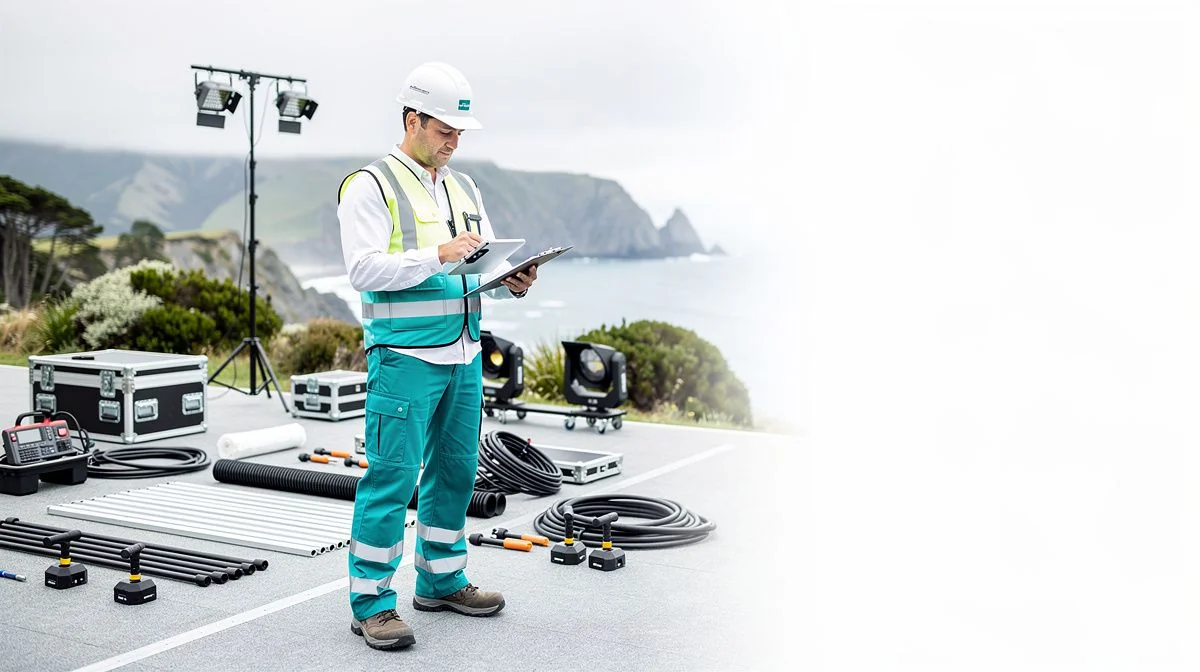
Best Event Planners in West Coast
Planning a wedding, corporate function, or community fundraiser on the West Coast comes with its own unique rewards and challenges. The region's stunning natural backdrops—from Punakaiki's pancake rocks to the glaciers and wild beaches—are incredible settings, but they also demand a planner who understands local logistics, weather patterns, and supplier networks. Whether you're organising an intimate celebration in a Franz Josef lodge or a large conference in Greymouth, finding the right event planner can make all the difference.
This guide covers what to look for when hiring an event planner on the West Coast, the questions you should ask before committing, and practical tips to help your event run smoothly. We'll also touch on how to approach costs and quotes so you can make an informed decision.
What to look for when hiring an Event Planner in West Coast
Not every planner is a good fit for this region. Here are the key qualities to watch for:
- Local knowledge. A planner who knows West Coast venues, caterers, accommodation, and transport options will save you time and money. They should be familiar with council requirements for events in public spaces and know reliable suppliers in towns like Hokitika, Westport, and Haast.
- Experience with your event type. Weddings, corporate retreats, festivals, and private parties each require different skill sets. Ask for examples of similar events they've managed, especially in the West Coast context.
- Strong contingency planning. Weather can change fast on the West Coast. A good planner will have backup plans for outdoor events and know how to work with venues that may have limited power or access.
- Professional insurance and accreditation. Reputable planners carry public liability insurance and, where relevant, have certification from bodies like the New Zealand Association of Event Professionals. Always verify these credentials.
- Clear communication style. You'll be working closely with your planner for months. They should respond promptly, listen to your ideas, and explain processes in plain language.
- References and reviews. Ask for recent client testimonials, especially from events on the West Coast. Follow them up to get a honest sense of their reliability and creativity.
Key questions to ask before hiring
Once you've shortlisted a few planners, schedule a call or meeting. Here are questions that help you compare them fairly:
- "What experience do you have planning events on the West Coast specifically?" Look for examples that show they understand local conditions.
- "Can you provide a portfolio or case studies of recent events?" This shows their style and the scale of work they handle.
- "How do you handle unexpected problems during an event?" A solid answer should mention backup suppliers, weather alternatives, and a clear chain of command.
- "Who will be my main point of contact, and how often will we communicate?" Some planners delegate to junior team members. Decide whether that suits you.
- "What is included in your fee, and what costs are extra?" Get a clear breakdown of planning fees, coordination on the day, travel expenses, and any supplier commissions.
- "What is your cancellation policy?" Understand the terms if you need to postpone or cancel for any reason.
- "Can you provide a written contract?" Always insist on a signed agreement that outlines scope, timeline, payment schedule, and liability.
Tips for getting the best results
Your event's success depends on a strong partnership with your planner. These tips will help you get the most out of that relationship:
- Start early. Popular West Coast venues and planners book out months in advance, especially during summer (December–February) and school holidays. Aim to secure your planner at least six months before the event for large functions, or three months for smaller gatherings.
- Be clear about your budget from the start. Event planners can work magic with any budget, but they need to know the constraints upfront. Be honest about what you can spend—including a contingency buffer of 10–15% for unexpected costs.
- Share your vision in detail. The more you tell your planner about the atmosphere you want, the guest list, dietary requirements, and any special touches (like local pounamu gifts or a live band), the better they can tailor the event.
- Trust their local advice. They may suggest an alternative venue or supplier that works better for the West Coast's logistics. Keep an open mind—local expertise often leads to a smoother experience.
- Visit potential venues together. If possible, travel to sites with your planner. They can spot potential issues (e.g., parking, power supply, accessibility) that you might overlook.
- Confirm the day-of plan early. A week before the event, run through the full timeline, roles, and backup plans with your planner. Make sure you know who is doing what, especially if you have family or friends helping.
A note about costs and getting quotes
Event planner fees on the West Coast vary widely based on the scale, complexity, and duration of your event. Many planners charge a fixed project fee, while others work on an hourly rate or a percentage of the total event budget (often 10–20%). Some may also charge travel costs if your event is in a remote area.
General price ranges to expect (as of 2025):
- Small private events (e.g., birthday party, small wedding of 30 guests): fixed fee from $800 to $2,500.
- Medium-sized events (e.g., corporate function or 80-guest wedding): $2,500 to $6,000.
- Large events (e.g., multi-day conference or festival): $6,000 upwards, often with tiered pricing.
These are broad estimates based on typical New Zealand market patterns. Always request itemised quotes from at least two or three planners so you can compare like-for-like. Ask what is included: site visits, supplier coordination, on-the-day management, and post-event wrap-up.
Remember that the cheapest quote isn't always the best value. An experienced planner who knows the West Coast can save you money in the long run through strong supplier relationships and efficient logistics. If a quote seems unusually low, ask about what's excluded—some planners charge extra

The ValueHub Team built this site because finding clear, unbiased financial information in New Zealand was harder than it should be. Every guide is based on real research — we compare the actual fees, terms, and fine print so you don't have to. Our tip: shop around every year, read the policy docs, and never assume loyalty gets you the best deal.— The ValueHub Team
Try our Calculators
Use these free tools to crunch the numbers:
KiwiSaver Fund Comparison
Compare fees, returns, and risk levels across every KiwiSaver fund from all 31 NZ providers.
Currency Converter — USD to NZD
Convert US Dollars to New Zealand Dollars instantly. See the latest exchange rate and 30-day trend.
Mortgage Repayment Calculator
Calculate your weekly, fortnightly, or monthly mortgage repayments. Free NZ mortgage calculator — try different rates, terms, and repayment frequencies.
Compound Interest Calculator
See how your savings grow with compound interest over time. Free NZ compound interest calculator with yearly, monthly, and weekly compounding options.
Term Deposit Calculator
Calculate your term deposit returns before you lock in. Compare interest earned across different terms and rates with ValueHub's free calculator.
Savings Goal Calculator
Calculate how long it will take to reach your savings goal — and what monthly deposit you need to get there. Free NZ savings planner.
Event Planners in Other Cities
Latest Guides & Reviews
New Zealand Financial Markets Authority Guide: Investor Protection in NZ
Protect your investments with this practical guide to the FMA — how to check licences, spot scams, and what to do if a provider fails. Verified against...
comparisonEV Home Charger NZ: Costs & Buying Guide
Compare EV home charger costs in NZ — verified prices from $1,299, installation fees, smart features, and what actually matters for your home's power supply.
guideThe Most Popular EVs in New Zealand
The best-selling electric cars in New Zealand, ranked by official registration data. Top BEV and PHEV models and brands, updated monthly.
guideEV Market Stats
New Zealand's EV market in numbers — market share, fleet size, top-selling models and used imports, updated with the latest NZTA and MIA data.