Best Firewood Suppliers in Kapiti
Published 07 February 2025 · Updated 18 August 2026
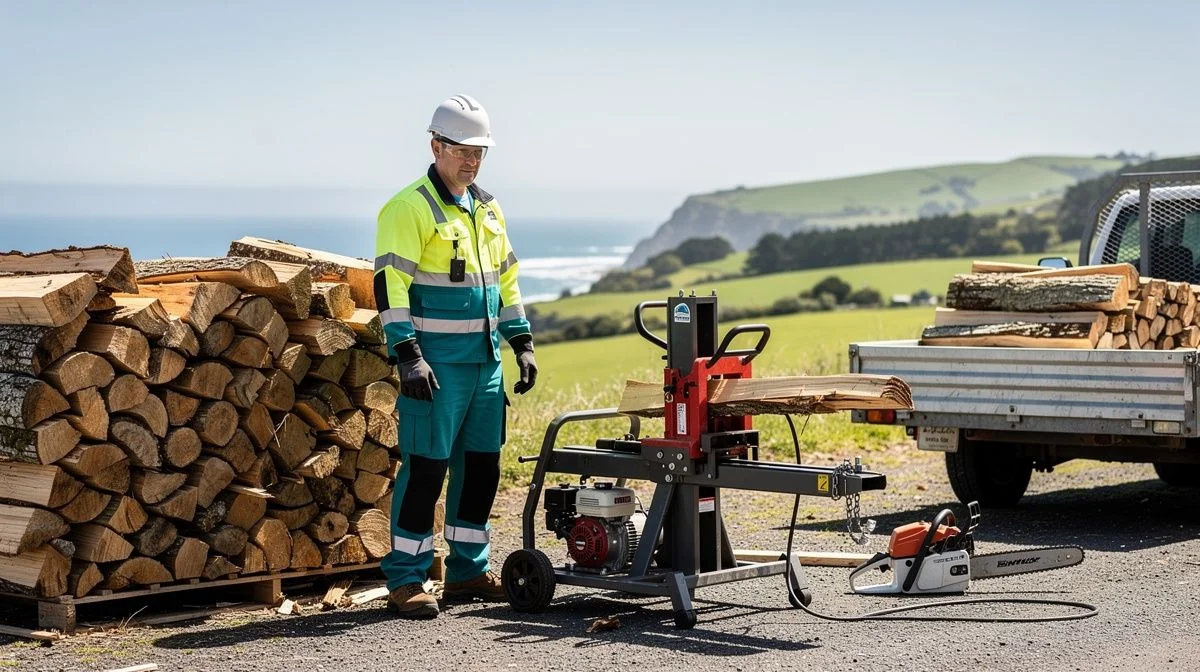
Best Firewood Suppliers in Kapiti
Finding a reliable firewood supplier in Kapiti can make all the difference between a cosy winter and a frustrating experience. Whether you’re stocking up for the season or just need a load for weekend fires, the local market has plenty of options – but quality varies. You want wood that burns well, doesn’t smoke too much, and is delivered on time. This page will help you sort the good from the not-so-good, so you can enjoy a warm, safe fire all winter.
What to look for when hiring a Firewood Supplier in Kapiti
Kapiti’s climate – coastal and often damp – means you really need properly seasoned firewood. Green or partly dry wood can cause creosote build-up in your chimney and won’t heat your home efficiently. Here are the key things to check before committing to a supplier.
- Seasoned or green? Ask explicitly. Seasoned wood has been split and left to dry for at least six to twelve months. It should have cracks in the ends, feel light for its size, and make a clear “clink” sound when two pieces are knocked together. Green wood sounds dull and feels heavy.
- Moisture content. A proper supplier should be able to tell you the moisture percentage. Ideally it’s under 20% – that’s what gives a clean, hot burn. Many suppliers will test on request.
- Wood species. Different woods produce different heat. Hardwoods like manuka, macrocarpa or bluegum burn longer and hotter. Pine is cheaper but can cause more creosote if not fully seasoned. Mixed loads are common – just check what’s in the mix.
- Delivery terms. Does the price include delivery? How far will they travel? Some suppliers charge extra for rural or difficult access roads in Kapiti, especially up Kapiti Road or around Waikanae Beach.
- Volume and measurement. Firewood is sold by the cubic metre (m³) or by the bag. Make sure you know what you’re paying for. A standard trailer load is about 1–1.2m³, but sizes vary. Ask exactly how much you’ll get.
Our Trusted Firewood Suppliers
We feature businesses that demonstrate strong performance, proven experience, and consistently positive customer feedback. Some of the providers listed may have commercial relationships with us, but all are selected based on quality and reliability.
To begin, reach out to them and speak with them directly — this helps you explain your job, ask questions, and confirm whether they're the right fit.
Landscape supplies Kapiti | Coastal Landscape Supplies: Serving the Kapiti Coast with top quality landscape supplies since 1997. Serving the Kapiti Coast with top quality landscaping products since 1997 021419672 WELLINGTON TO LEVIN.
Key questions to ask before hiring
Don’t be shy about asking questions. A good supplier will be happy to answer. These queries will help you avoid disappointment.
- “How long has this wood been split and stacked?”
- “Can you provide a moisture reading for the load?”
- “What species of wood is in the load?”
- “Is the price fully delivered, or are there extra charges for my address?”
- “Will you stack the wood, or is it dumped in a pile?”
- “What’s the lead time – how soon can you deliver?”
- “Do you offer a refund or replacement if the wood is greener than advertised?”
Suppliers who hesitate or give vague answers might not be worth your time. If they can’t tell you the wood species or how long it’s been seasoning, keep looking.
Tips for getting the best results
Once you’ve found a good supplier, you can do a few things to make sure the wood works well for you.
- Store it properly. Keep firewood off the ground – use pallets or a rack. Cover the top only, leaving the sides open for airflow. This stops moisture from getting trapped and allows the wood to continue drying.
- Rotate your stack. Use the oldest wood first. If you get a big delivery, set up a first-in, first-out system.
- Check for pests. Wood can harbour insects like wetas or borers. If you’re storing it near your house, keep it a few metres away from the exterior walls to reduce the risk of unwanted visitors.
- Burn the right wood at the right time. Hardwoods are great for overnight burns. Softer woods like pine work well for quick kindling or daytime fires when you don’t need long-lasting heat.
- Ask about split size. Some suppliers split very large pieces that are hard to lift or fit in your firebox. If you have a small firebox, request smaller splits.
- Order early. Demand peaks in winter, and prices can rise. Ordering in late summer or autumn often means better availability and lower prices. Plus the wood has more time to season if you buy early.
A note about costs and getting quotes
Firewood prices in Kapiti can vary depending on the season, wood type, and delivery distance. You’ll typically see prices per cubic metre or per bag. A rough guide (always subject to change) is that a cubic metre of seasoned mixed hardwood might cost anywhere from $200 to $350 delivered. Pine is often cheaper, around $150 to $250 per cubic metre. Prices in recent years have gone up with fuel and labour costs, so always get a few quotes.
When comparing quotes, look at the total delivered cost including GST. Some suppliers quote per cubic metre but then add a delivery fee. Others bundle delivery into the price. Also check the volume – a supplier offering “a trailer load” could mean anything from 0.8m³ to 1.5m³. Ask for the actual cubic metre measurement.
We recommend getting at least three quotes from different suppliers in the Kapiti area. Tell each one the same specifics: how much wood you need, the access situation at your property, and whether you want it stacked. That way you’re comparing apples with apples.
Remember that the cheapest quote might not give you the best value if the wood is green or poorly split. A slightly higher price for properly seasoned, well-split hardwood can save you money in the long run because you’ll burn less to get the same heat.
Finally, check if the supplier is on any local trade directories or has reviews. Word of mouth in Kapiti is strong – ask neighbours or local community groups online. A reliable supplier who delivers on time and stands by their product is worth sticking with year after year.

The ValueHub Team built this site because finding clear, unbiased financial information in New Zealand was harder than it should be. Every guide is based on real research — we compare the actual fees, terms, and fine print so you don't have to. Our tip: shop around every year, read the policy docs, and never assume loyalty gets you the best deal.— The ValueHub Team
More Firewood Suppliers in Kapiti
These businesses also operate in this area.
Experts in sourcing and logging native timber throughout New Zealand, then milling, drying and profiling for flooring, decking, weatherboards, landscaping, carving and joinery. NZ Native Timber Supplies is based in Reikorangi, Kapiti Coast, Wellington. -- Species of Native Timber Available --.
Try our Calculators
Use these free tools to crunch the numbers:
KiwiSaver Fund Comparison
Compare fees, returns, and risk levels across every KiwiSaver fund from all 31 NZ providers.
Currency Converter — USD to NZD
Convert US Dollars to New Zealand Dollars instantly. See the latest exchange rate and 30-day trend.
Mortgage Repayment Calculator
Calculate your weekly, fortnightly, or monthly mortgage repayments. Free NZ mortgage calculator — try different rates, terms, and repayment frequencies.
Compound Interest Calculator
See how your savings grow with compound interest over time. Free NZ compound interest calculator with yearly, monthly, and weekly compounding options.
Term Deposit Calculator
Calculate your term deposit returns before you lock in. Compare interest earned across different terms and rates with ValueHub's free calculator.
Savings Goal Calculator
Calculate how long it will take to reach your savings goal — and what monthly deposit you need to get there. Free NZ savings planner.
Firewood Suppliers in Other Cities
Latest Guides & Reviews
New Zealand Financial Markets Authority Guide: Investor Protection in NZ
Protect your investments with this practical guide to the FMA — how to check licences, spot scams, and what to do if a provider fails. Verified against...
comparisonEV Home Charger NZ: Costs & Buying Guide
Compare EV home charger costs in NZ — verified prices from $1,299, installation fees, smart features, and what actually matters for your home's power supply.
guideThe Most Popular EVs in New Zealand
The best-selling electric cars in New Zealand, ranked by official registration data. Top BEV and PHEV models and brands, updated monthly.
guideEV Market Stats
New Zealand's EV market in numbers — market share, fleet size, top-selling models and used imports, updated with the latest NZTA and MIA data.