Best Firewood Suppliers in Paraparaumu
Published 07 February 2025 · Updated 18 August 2026
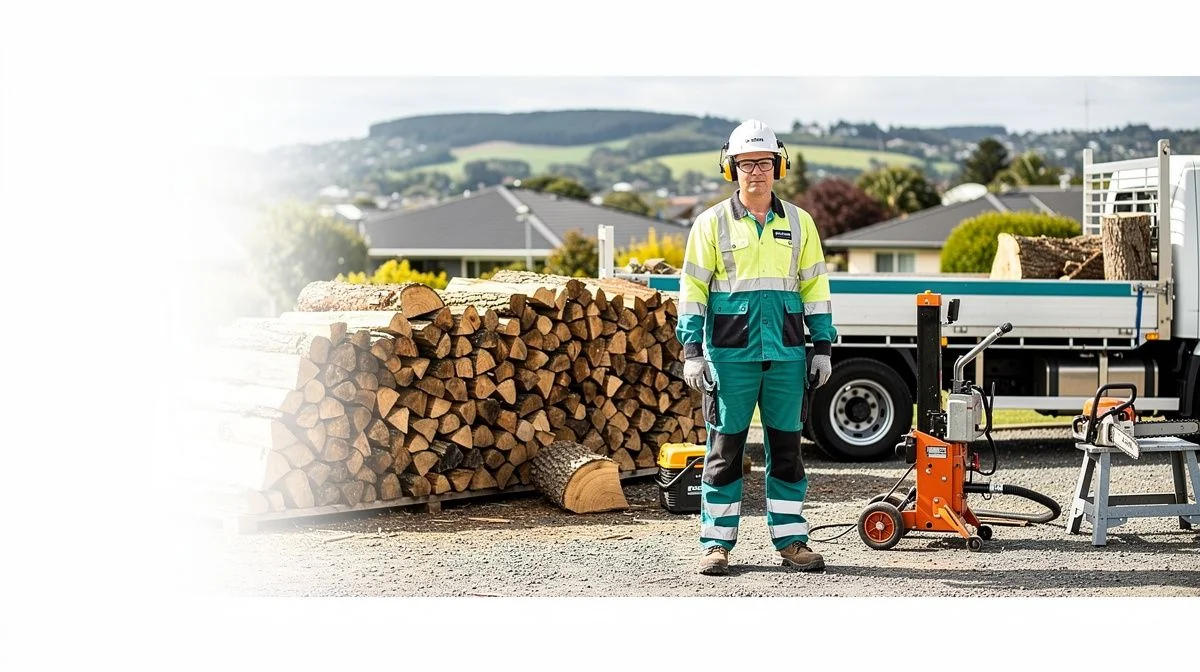
Finding the Right Firewood Supplier in Paraparaumu
Paraparaumu winters can get properly chilly, and a good fire is often the heart of a home from May through to September. Whether you've got an open hearth, a wood burner, or a modern fireplace insert, the quality of your firewood makes all the difference to heat output, burn time, and how much sweeping you'll need to do.
Local suppliers vary quite a bit in what they offer – some deliver seasoned macrocarpa, others specialise in dense hardwoods like manuka or blue gum. Choosing the wrong supplier can leave you with wet, smoky wood that barely warms the room and clogs up your flue. We've put together this guide to help you sort the good from the not-so-good when you're looking for firewood suppliers in Paraparaumu.
What to Look for When Hiring a Firewood Supplier in Paraparaumu
Not all firewood is created equal, and a few key factors separate a reliable supplier from one you'll want to avoid. Here's what matters most.
Properly Seasoned Wood
Seasoning means the wood has been cut, split, and left to dry for at least six to twelve months. Green or freshly cut wood has a moisture content above 50% – it'll hiss, smoke, and produce very little heat. Well-seasoned wood sits under 20% moisture. Ask your supplier how long they season their wood and whether they use a moisture meter.
Wood Species and Hardness
Hardwoods like manuka, kanuka, beech, and blue gum burn longer and produce more heat per log than softwoods like pine or macrocarpa. That said, a well-seasoned softwood can still give a good hot fire – you'll just need to feed it more often. Many Paraparaumu suppliers offer mixed loads. If you want consistent heat overnight, go for a dense hardwood.
Delivery and Stacking Options
Delivery fees can add a surprising amount to your total. Some suppliers offer free delivery within Paraparaumu for orders over a certain volume, while others charge per kilometre. Ask whether they'll stack the wood or just tip it on your driveway. Stacking saves you a big job, but often costs extra.
Sustainable Sourcing
Check that the supplier sources their wood responsibly – from local forestry waste, managed plantations, or recycled demolition timber. Avoid suppliers who might be taking wood from native bush or sensitive areas. A quick question about where the wood comes from will tell you a lot.
Customer Reviews and Reputation
Word of mouth matters in a town like Paraparaumu. Ask neighbours or friends who they use. Check online reviews on Google or local Facebook groups. Consistent complaints about wet wood, short loads, or poor communication are red flags.
Key Questions to Ask Before Hiring a Firewood Supplier
Don't be shy about asking questions – good suppliers are happy to answer them. Here are the ones that really count.
- How long has this wood been seasoned? – Listen for at least 6–12 months. If they can't give a straight answer, be cautious.
- What species is in this load? – Mixed loads are common, but you want to know the balance. Ask for the main species.
- Do you measure moisture content? – A reliable supplier will use a moisture meter and tell you the reading. Under 20% is the goal.
- What's the delivery fee and how is wood measured? – Prices are typically per cubic metre or per trailer load. Ask exactly what you're paying for.
- Will you stack the wood and remove any debris? – Stacking is usually an extra service. Some suppliers will also take away bark or broken pieces.
- What happens if the wood is wet or not as described? – A reputable supplier will offer to replace it or give a refund. Avoid anyone who says "no returns".
- Can you give a fixed price for delivery? – Prices change with season and demand. Get a written quote.
Tips for Getting the Best Results
Even the best firewood won't perform well if you don't look after it. Follow these simple tips to get more heat and less hassle.
Order Early in the Season
Winter demand spikes in June and July. By March or April, suppliers still have plenty of stock and often offer better prices. Ordering early also gives you time to check the wood and let it dry a bit more if needed.
Specify Your Fire Size Requirements
Firewood comes in different lengths – typically 250–400 mm for most wood burners. Let your supplier know the exact size your firebox takes. Too long and you'll be sawing it yourself; too short and you'll waste money.
Store Wood Properly
Keep your firewood off the ground, in a dry, well-ventilated spot. Use a rack or pallets and cover the top with a tarp – but leave the sides open so air can circulate. Wet wood from rain or ground moisture will undo all that seasoning work.
Check Local Air Quality Rules
Wellington region has clean air zones and restrictions on what you can burn. Paraparaumu falls under the Greater Wellington Regional Council's air quality plan. It's illegal to burn treated timber, painted wood, or rubbish. Stick to dry, natural firewood only. Check with your local council for current requirements.
Buy in Bulk if You Have Space
Buying a full truckload (often 8–10 cubic metres) works out cheaper per cube than smaller orders. If you have dry storage space, it's worth considering. Just make sure you've got enough room to stack it properly.
A Note About Costs and Getting Quotes
Firewood prices in the Paraparaumu area vary depending on the species, how well it's seasoned, delivery distance, and time of year. As a general pattern, you can expect to pay more for dense hardwoods like manuka than for macrocarpa or pine. Trailer loads (about 1.5–2 cubic metres) are a common size for small orders, while bulk loads (6–10 cubic metres) give better value per unit.
Delivery fees are often charged separately – some suppliers offer free delivery within Paraparaumu for orders over a certain volume, while others charge a flat rate or a per-kilometre fee. Always ask for a total price including delivery before you commit.
The best way to get a fair deal is to compare quotes from at least three suppliers. Ask them to specify the wood species, approximate moisture content, delivery charge, and whether they'll stack the wood. This makes it easy to compare apples with apples. Avoid suppliers who can't give you a clear written quote or who avoid answering questions about seasoning.
Prices can change quickly with demand, so don't rely on last year's figures. A quick round of phone calls or emails in autumn will give you the most accurate picture of current costs.

The ValueHub Team built this site because finding clear, unbiased financial information in New Zealand was harder than it should be. Every guide is based on real research — we compare the actual fees, terms, and fine print so you don't have to. Our tip: shop around every year, read the policy docs, and never assume loyalty gets you the best deal.— The ValueHub Team
Try our Calculators
Use these free tools to crunch the numbers:
KiwiSaver Fund Comparison
Compare fees, returns, and risk levels across every KiwiSaver fund from all 31 NZ providers.
Currency Converter — USD to NZD
Convert US Dollars to New Zealand Dollars instantly. See the latest exchange rate and 30-day trend.
Mortgage Repayment Calculator
Calculate your weekly, fortnightly, or monthly mortgage repayments. Free NZ mortgage calculator — try different rates, terms, and repayment frequencies.
Compound Interest Calculator
See how your savings grow with compound interest over time. Free NZ compound interest calculator with yearly, monthly, and weekly compounding options.
Term Deposit Calculator
Calculate your term deposit returns before you lock in. Compare interest earned across different terms and rates with ValueHub's free calculator.
Savings Goal Calculator
Calculate how long it will take to reach your savings goal — and what monthly deposit you need to get there. Free NZ savings planner.
Firewood Suppliers in Other Cities
Latest Guides & Reviews
New Zealand Financial Markets Authority Guide: Investor Protection in NZ
Protect your investments with this practical guide to the FMA — how to check licences, spot scams, and what to do if a provider fails. Verified against...
comparisonEV Home Charger NZ: Costs & Buying Guide
Compare EV home charger costs in NZ — verified prices from $1,299, installation fees, smart features, and what actually matters for your home's power supply.
guideThe Most Popular EVs in New Zealand
The best-selling electric cars in New Zealand, ranked by official registration data. Top BEV and PHEV models and brands, updated monthly.
guideEV Market Stats
New Zealand's EV market in numbers — market share, fleet size, top-selling models and used imports, updated with the latest NZTA and MIA data.