Best Firewood Suppliers in Whakatane
Published 07 February 2025 · Updated 18 August 2026
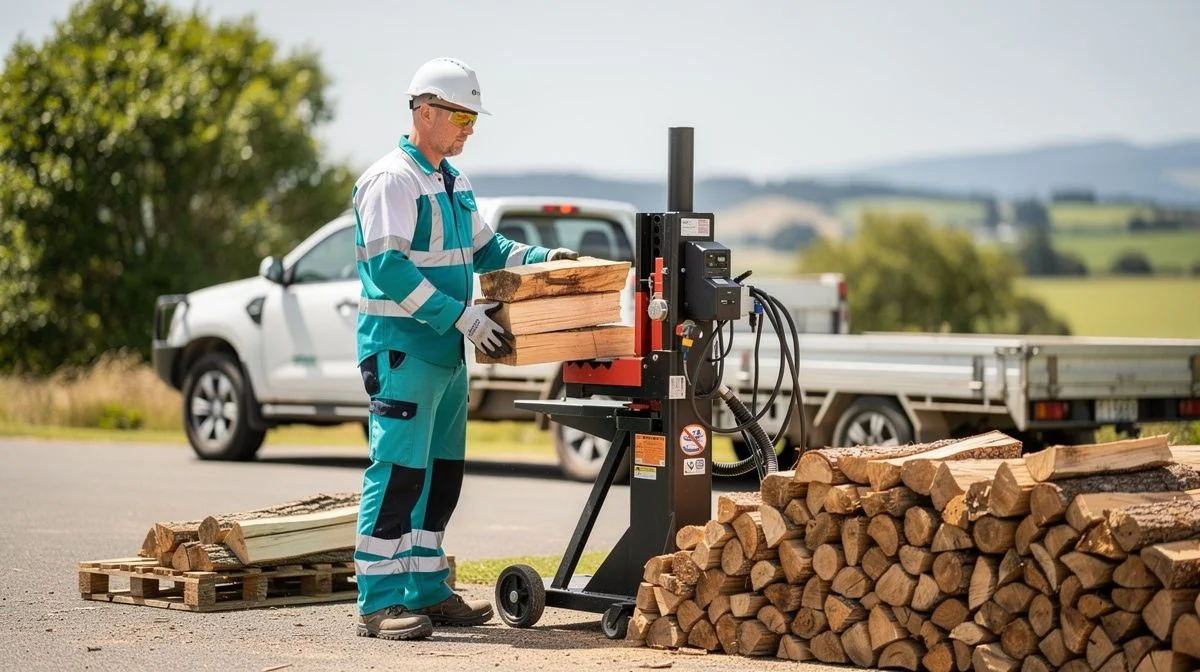
If you’re living in Whakatane or the wider Bay of Plenty, you’ll know how important a good supply of firewood is for winter. Whether you’re heating a bach, a family home or just want a cosy open fire, the quality of your firewood makes all the difference. Dry, well-seasoned wood burns hotter, produces less smoke and is kinder to your fireplace and flue.
Finding the right firewood supplier in Whakatane isn’t just about price – it’s about reliability, wood type, delivery options and knowing what you’re paying for. This guide will help you sort the good from the average, so you can keep warm without the hassle.
What to look for when hiring a firewood supplier in Whakatane
Not all firewood is created equal. Here’s what you should keep an eye on when choosing a supplier in the Whakatane area.
Seasoned vs green wood
The single most important factor is how dry the wood is. Green (freshly cut) wood contains up to 50% moisture. It’s hard to light, burns inefficiently and creates a lot of creosote buildup in your chimney. Well-seasoned wood has been left to dry for at least 6–12 months and has a moisture content below 20%. A good supplier will be upfront about whether their wood is seasoned or still green.
Wood species
Different tree species burn very differently. In the Whakatane region you’ll commonly find:
- Eucalypts (e.g. gum) – hot, long burn, but needs to be well-seasoned.
- Pinus radiata (pine) – easy to ignite, but burns fast and can create sticky creosote if not dry.
- Macrocarpa – excellent heat output and pleasant aroma; a local favourite.
- Manuka and kanuka – very dense, produce high heat and slow burn; ideal for overnight fires.
Most suppliers will offer a mix or a specific species. Ask which suits your firebox best.
Delivery and stacking
Some suppliers deliver wood loose (tipped in your driveway), others offer bagged or palletised options. Many can stack it for an extra fee. If you have limited mobility or want a tidy woodpile, ask about stacking availability. Also check delivery radius – some only serve Whakatane town, others cover the wider district including Ohope, Taneatua and Edgecumbe.
Measurement
Firewood is sold by the cubic metre, the tonne, or the “load” (which can vary). A standard loose cubic metre is about the size of a washing machine. Avoid vague terms like “a trailer load” – ask for a specific volume and confirm how it’s measured. Reputable suppliers usually use a calibrated bin or weight assessment.
Reputation and reliability
Look for suppliers who’ve been operating in the area for a few years. Word-of-mouth from neighbours, local Facebook groups or community pages can be gold. A supplier who shows up when promised and delivers the right amount is worth sticking with.
Key questions to ask before hiring
Before you commit to a firewood supplier in Whakatane, ask these questions directly. A trustworthy seller will answer clearly without dodging.
- How long has the wood been seasoned? Aim for at least 6 months; ideally 12 months. If they can’t answer, walk away.
- What moisture content does the wood have? A supplier with a moisture meter can give you a reading. Below 20% is the ideal dry target.
- What species are you delivering? If you want a specific mix (e.g. half macrocarpa, half manuka), ask if they can do that.
- Is the wood split? Split wood dries faster, lights more easily and fits into your firebox. Unsplittable rounds are a pain.
- How is it measured – by volume or weight? Confirm whether price is per cubic metre, per tonne or per load, and ask for a rough idea of how many pieces per unit.
- Do you stack, or just tip it off? If stacking is extra, ask how much and how neatly it will be arranged.
- What’s the delivery fee and minimum order? Some suppliers charge a flat delivery within Whakatane, others add a distance fee. Minimums might be 2–3 cubic metres.
- When can you deliver? In peak autumn/winter, lead times can stretch to weeks. Order early.
- What payment methods do you accept? Cash, bank transfer, or EFTPOS on delivery? Clarify in advance.
Tips for getting the best results
Once you’ve chosen your firewood supplier, there are a few tricks to make sure your firewood works as well as possible.
Order early in the season
The best suppliers sell out by May. Ordering in late summer or early autumn gives you time to inspect the wood, let it dry further if needed, and beat the winter rush (and price hikes).
Store wood properly
Even well-seasoned wood can reabsorb moisture if left on wet ground. Stack it off the ground on pallets or rails, with good airflow all around. Cover only the top – never wrap the sides, as that traps moisture. A simple corrugated iron roof works well.
Check moisture yourself
A simple moisture meter costs around $30–40 from a hardware store. After you receive a delivery, test a few pieces from the middle of the stack. If the readout is above 20%, you’ll need to let the wood dry for another month or two before burning.
Mix wood types
Using a mix of fast-burning pine to get the fire going and dense hardwoods like manuka or macrocarpa for sustained heat is a common trick. Ask your supplier if they can do a blended load.
Ask for local recommendations

The ValueHub Team built this site because finding clear, unbiased financial information in New Zealand was harder than it should be. Every guide is based on real research — we compare the actual fees, terms, and fine print so you don't have to. Our tip: shop around every year, read the policy docs, and never assume loyalty gets you the best deal.— The ValueHub Team
Try our Calculators
Use these free tools to crunch the numbers:
KiwiSaver Fund Comparison
Compare fees, returns, and risk levels across every KiwiSaver fund from all 31 NZ providers.
Currency Converter — USD to NZD
Convert US Dollars to New Zealand Dollars instantly. See the latest exchange rate and 30-day trend.
Mortgage Repayment Calculator
Calculate your weekly, fortnightly, or monthly mortgage repayments. Free NZ mortgage calculator — try different rates, terms, and repayment frequencies.
Compound Interest Calculator
See how your savings grow with compound interest over time. Free NZ compound interest calculator with yearly, monthly, and weekly compounding options.
Term Deposit Calculator
Calculate your term deposit returns before you lock in. Compare interest earned across different terms and rates with ValueHub's free calculator.
Savings Goal Calculator
Calculate how long it will take to reach your savings goal — and what monthly deposit you need to get there. Free NZ savings planner.
Firewood Suppliers in Other Cities
Latest Guides & Reviews
New Zealand Financial Markets Authority Guide: Investor Protection in NZ
Protect your investments with this practical guide to the FMA — how to check licences, spot scams, and what to do if a provider fails. Verified against...
comparisonEV Home Charger NZ: Costs & Buying Guide
Compare EV home charger costs in NZ — verified prices from $1,299, installation fees, smart features, and what actually matters for your home's power supply.
guideThe Most Popular EVs in New Zealand
The best-selling electric cars in New Zealand, ranked by official registration data. Top BEV and PHEV models and brands, updated monthly.
guideEV Market Stats
New Zealand's EV market in numbers — market share, fleet size, top-selling models and used imports, updated with the latest NZTA and MIA data.