Best Flooring Specialists in Wairarapa
Published 10 February 2025 · Updated 18 August 2026
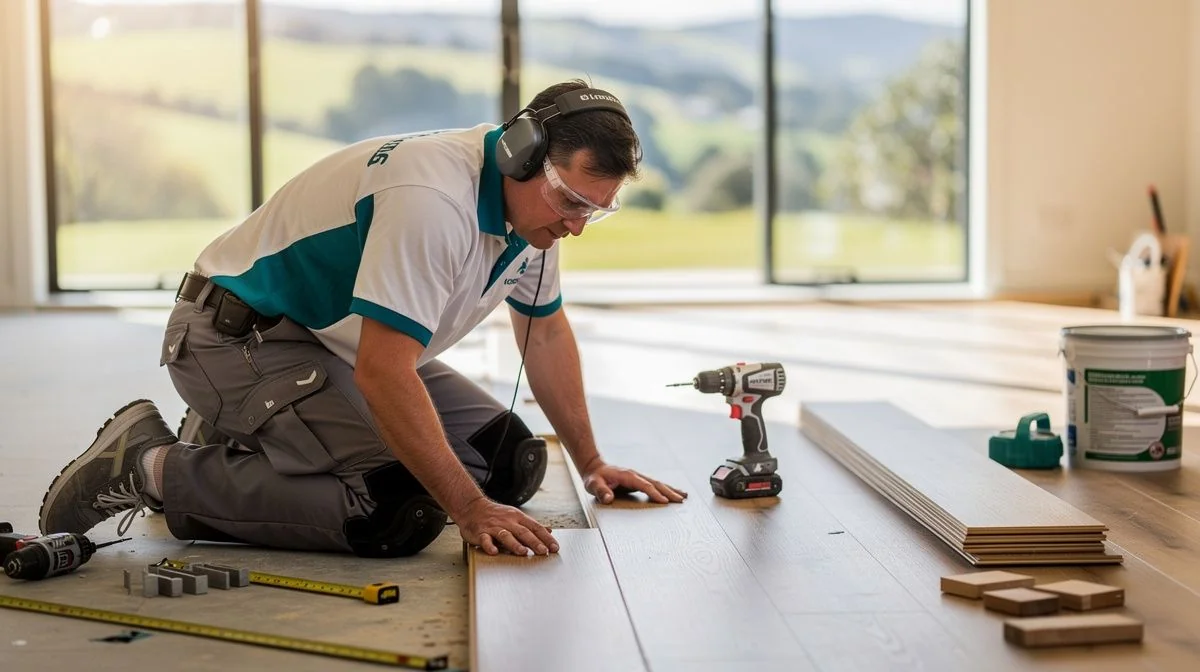
About Flooring Specialists in Wairarapa
Getting new flooring in your home or business is a big decision. Whether you're in Masterton, Carterton, Greytown, Featherston, or out in the rural areas, you want someone who understands the local climate and the specific demands of Wairarapa homes. The right flooring specialist will help you choose materials that stand up to our dry summers, damp winters, and everything in between.
Wairarapa has a mix of older villas, modern builds, and lifestyle blocks. Each property type brings different challenges — from matching heritage floorboards to installing underfloor heating in new builds. A local specialist will know the region's suppliers, typical installation timelines, and any council requirements that might apply.
This page is here to help you find a reliable flooring specialist in Wairarapa. We'll cover what to look for, what questions to ask, and how to get the best result without the stress.
What to Look for When Hiring a Flooring Specialist in Wairarapa
Choosing the right person for the job takes more than a quick Google search. Here are the key things to check before you commit.
- Local experience – A specialist who lives and works in Wairarapa will know the common subfloor issues, how materials react to the local climate, and which suppliers deliver to the region without long delays.
- Range of flooring types – Does the specialist offer the kind of flooring you want? Common options include carpet, engineered timber, laminate, vinyl planks, tiles, and polished concrete. Some specialists focus on one or two, while others cover the full range.
- Portfolio of past work – Ask to see examples of recent jobs in the region. Photos of finished floors in homes similar to yours give you a real sense of their quality and style.
- Insurance and guarantees – Any professional should have current public liability insurance and offer a written guarantee on their workmanship. For products, check whether the manufacturer's warranty applies and how it's managed if something goes wrong.
- References from past clients – A good specialist won't hesitate to put you in touch with previous customers. Call a couple of those references to ask about punctuality, cleanliness, and whether the finish lived up to expectations.
- Clear communication – From your first enquiry, they should explain the process, timelines, and costs clearly. If they're vague or hard to reach, that's a red flag.
Key Questions to Ask Before Hiring
Before you sign anything, ask these questions directly. The answers will tell you a lot about how the specialist works.
- Can you provide a detailed written quote? – The quote should break down materials, labour, subfloor preparation, removal of old flooring, and any disposal fees. A lump sum without details can hide surprises later.
- What preparation work is needed for my subfloor? – In Wairarapa, older homes often have wooden floors that need levelling or moisture treatment. Concrete slabs may need grinding or sealing. A good specialist will inspect the subfloor before quoting and explain exactly what's required.
- How long will the job take? – Flooring installation can disrupt your daily routine. Get a realistic timeline, including drying or curing times for adhesives and sealants. Ask what happens if the job runs over schedule.
- Do you manage the whole process or use subcontractors? – Some specialists handle everything in-house; others bring in subcontractors for sanding, tiling, or carpet laying. If subcontractors are used, ask to meet them or check their credentials too.
- What happens if there's a problem after installation? – Understand the warranty process. Who do you call — the flooring company or the product manufacturer? How long do they take to respond to defects?
- Do you have references from recent projects in Wairarapa? – Local references are especially useful. They can tell you how the flooring has held up over a year or two, which is a strong indicator of quality.
Tips for Getting the Best Results
Once you've chosen your flooring specialist, these tips will help ensure the finished floor looks great and lasts for years.
- Prepare your home before installation day. – Clear furniture, remove curtains or blinds, and make sure the work area is accessible. If pets or children are around, plan for them to be out of the way during installation.
- Acclimate your flooring materials. – Materials like timber and laminate need to sit in the room for a few days before installation so they adjust to the temperature and humidity. Ask your specialist if this is needed and plan accordingly.
- Discuss the layout and direction of planks or tiles. – In Wairarapa, many homes have long, narrow rooms. Planks laid lengthwise can make a space feel bigger. Tiles in a diagonal pattern can add visual interest. Talk through the options before installation starts — changes mid-job are costly.
- Invest in underlay or moisture barriers. – Especially if you're laying flooring over concrete or in a room with underfloor access. Good underlay improves comfort, reduces noise, and extends the life of your floor.
- Check for any council consents. – Some flooring types — especially those involving structural changes, underfloor heating, or wet areas like bathrooms — may need building consent. Check with your local council for current requirements before work begins.
- Plan for ongoing maintenance. – Different floors need different care. Your specialist should give you written care instructions. Follow them to keep the warranty valid and the floor looking good.
A Note About Costs and Getting Quotes
Flooring costs in Wairarapa vary widely depending on the material, the size of the area, and the condition of your subfloor. Carpet is generally the most affordable option, while engineered timber or polished concrete can be significantly more expensive. Labour rates also differ between towns — Masterton and Greytown tend to have a larger pool of tradespeople than smaller settlements, which can affect availability and pricing.
To get a fair idea of what you'll pay, always get at least three written quotes from different specialists. Be wary of quotes that are much lower than the others — they might cut corners on preparation, materials, or installation methods. Similarly, the most expensive quote isn't always the best option. Compare what each specialist includes in their quote, not just the total figure.
Ask very clearly what is and isn't covered. Does the quote include removing existing flooring? What about shifting heavy furniture, cleaning the job, or disposing of waste? These extras add up fast. A good quote leaves no room for surprises.

The ValueHub Team built this site because finding clear, unbiased financial information in New Zealand was harder than it should be. Every guide is based on real research — we compare the actual fees, terms, and fine print so you don't have to. Our tip: shop around every year, read the policy docs, and never assume loyalty gets you the best deal.— The ValueHub Team
Try our Calculators
Use these free tools to crunch the numbers:
KiwiSaver Fund Comparison
Compare fees, returns, and risk levels across every KiwiSaver fund from all 31 NZ providers.
Currency Converter — USD to NZD
Convert US Dollars to New Zealand Dollars instantly. See the latest exchange rate and 30-day trend.
Mortgage Repayment Calculator
Calculate your weekly, fortnightly, or monthly mortgage repayments. Free NZ mortgage calculator — try different rates, terms, and repayment frequencies.
Compound Interest Calculator
See how your savings grow with compound interest over time. Free NZ compound interest calculator with yearly, monthly, and weekly compounding options.
Term Deposit Calculator
Calculate your term deposit returns before you lock in. Compare interest earned across different terms and rates with ValueHub's free calculator.
Savings Goal Calculator
Calculate how long it will take to reach your savings goal — and what monthly deposit you need to get there. Free NZ savings planner.
Flooring Specialists in Other Cities
Latest Guides & Reviews
New Zealand Financial Markets Authority Guide: Investor Protection in NZ
Protect your investments with this practical guide to the FMA — how to check licences, spot scams, and what to do if a provider fails. Verified against...
comparisonEV Home Charger NZ: Costs & Buying Guide
Compare EV home charger costs in NZ — verified prices from $1,299, installation fees, smart features, and what actually matters for your home's power supply.
guideThe Most Popular EVs in New Zealand
The best-selling electric cars in New Zealand, ranked by official registration data. Top BEV and PHEV models and brands, updated monthly.
guideEV Market Stats
New Zealand's EV market in numbers — market share, fleet size, top-selling models and used imports, updated with the latest NZTA and MIA data.