Best Flooring Specialists in Whanganui
Published 10 February 2025 · Updated 18 August 2026
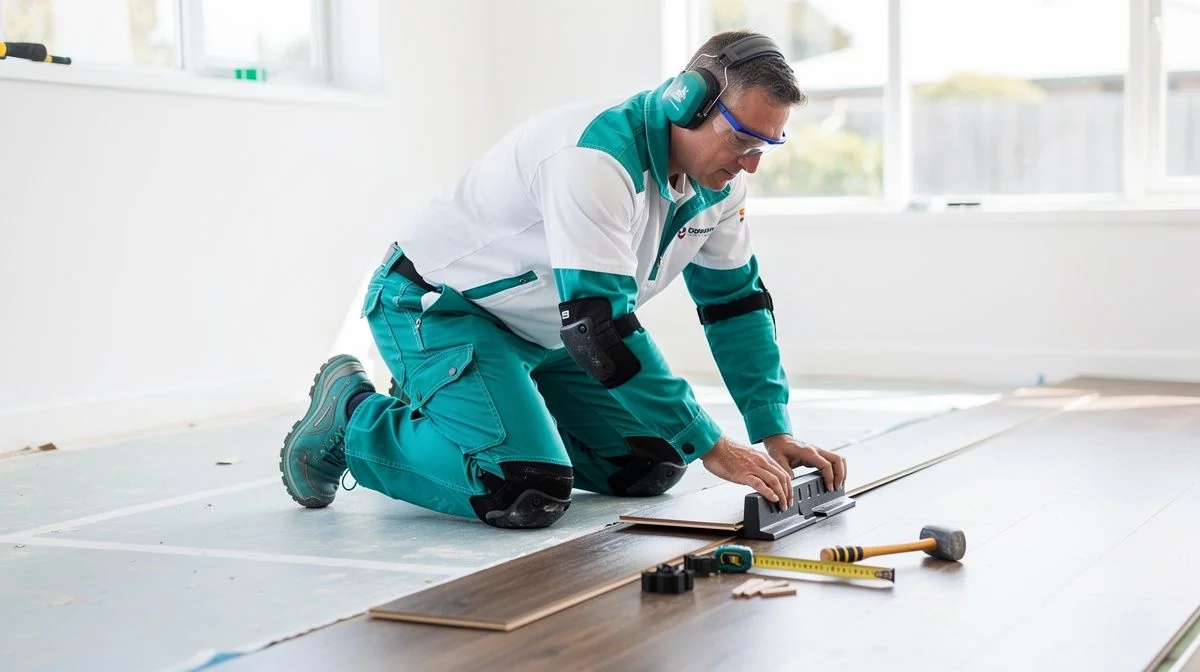
Finding Flooring Specialists in Whanganui
Whether you're renovating a villa on Dublin Street or fitting out a new build in Gonville, finding the right flooring specialist in Whanganui can make all the difference. With the River City's mix of heritage homes and modern developments, the flooring you choose needs to handle everything from damp winter mornings to busy family traffic.
Flooring specialists in Whanganui offer a range of materials — from NZ-grown timber and luxury vinyl planks to wool carpets and polished concrete. But with so many options and tradies to choose from, it pays to know what separates a professional job from a botched one. This guide will help you find a flooring expert in Whanganui who delivers quality work, fair pricing, and a finish that lasts.
What to look for when hiring a Flooring Specialist in Whanganui
Hiring a flooring specialist isn't just about picking someone who can lay planks or glue down carpet. You want a pro who understands Whanganui's climate, building codes, and the specific challenges of your home. Here's what to check.
Experience with local conditions
Whanganui's humidity and temperature swings can affect timber and other natural materials. A good local specialist will know how to acclimate flooring properly, recommend suitable underlays, and allow for expansion gaps. Ask how long they've been working in the Whanganui region — a decade of local work often means fewer surprises.
Full range of services
Some flooring companies only supply materials, while others handle installation, removal of old flooring, and subfloor preparation. Look for a specialist who offers the full package, including:
- Site measurement and consultation
- Supply of materials (with samples you can see in your own light)
- Removal and disposal of existing flooring
- Subfloor levelling, moisture testing, and underlay installation
- Professional installation and finishing
If a specialist only does one part of the job, you'll need to coordinate with other trades — which can lead to delays or miscommunication.
Proper licensing and insurance
In New Zealand, most flooring work doesn't require a specific licence under the Licensed Building Practitioner scheme, but the installer must still hold current public liability insurance (typically at least $1 million) and have a clear understanding of the Building Act. Check with your local council for current requirements around building consents — for example, if you're replacing flooring in a wet area like a bathroom, consent may be needed. Always ask for proof of insurance and a written contract.
Quality of past work
Ask to see photos of recent projects in Whanganui — ideally in homes similar to yours. A reputable specialist will be happy to share examples. Better yet, ask for contact details of recent clients (with permission) and give them a quick call. Pay attention to how seams are handled, how transitions meet doorways, and whether the finish is even.
Key questions to ask before hiring
Before you commit to a flooring specialist, ask these questions. Their answers will tell you a lot about their professionalism and attention to detail.
- "Do you provide a written quote with a breakdown of materials, labour, and any extras?"
A vague verbal quote can blow out. Get everything in writing, including the brand, grade, and colour of materials. - "What preparation do you do before installation?"
A good installer will test moisture levels, check the subfloor for movement, and level any dips. Skipping this step can lead to squeaky boards or peeling vinyl within a year. - "How long will the job take, and what happens if delays occur?"
Timeframes matter, especially if you're living in the house. Ask about whether they'll work on weekends or if weather might affect timber installations. - "What warranty do you offer on installation?"
Manufacturer warranties cover product defects, but you also want a guarantee on workmanship — typically 1 to 5 years. - "Can you provide references from recent Whanganui clients?"
A specialist who's done plenty of local work should have a list of happy customers. Follow up on at least two. - "Do you handle removal of old flooring and disposal?"
Some companies charge extra for this. Know what's included so there are no surprises.
Tips for getting the best results
Even the best flooring specialist can't work miracles if the site isn't ready. Here's how to set yourself up for a smooth project.
Prepare your subfloor
Make sure the area is clean, dry, and free of debris. If you're removing old carpet yourself, pull up all staples and tack strips. For timber or tile removal, it's often better to let the specialist handle it — mistakes during DIY removal can damage the subfloor and void warranties.
Match material to lifestyle
Think about who lives in your home. Families with young children and pets might prefer scratch-resistant hybrid flooring or luxury vinyl. Quiet siting rooms in a heritage home might call for wool carpet or solid timber. A good Whanganui specialist should help you weigh style against practicality — and warn you if a product won't stand up to your specific traffic.
Check moisture levels
Whanganui's climate means moisture is often higher than in drier parts of the country. Always insist on a moisture test before installation, especially for timber or laminate. The specialist should use a moisture meter on both the subfloor and the flooring material itself. If readings are too high, they may recommend a vapour barrier or a different product.
Think about transitions
Where new flooring meets an adjacent room (like a hallway to a bedroom), you'll need a transition strip. Cheap aluminium strips can look out of place. Ask about timber or colour-matched options that blend with your flooring.
Plan for furniture removal
If you can, empty the room yourself before the installer arrives. Some companies include furniture moving, but many charge extra. Moving heavy items yourself also reduces the risk of damage.
A note about costs and getting quotes
Flooring costs in Whanganui vary depending on the material, area size, subfloor condition, and labour rates. While we can't give exact prices (they change with market conditions), here's a general pattern to expect.
- Supply cost: Materials are often the biggest expense. Carpet can range from budget-friendly options under $40 per square metre (supply only) to premium wool blends over $100 per square metre. Luxury vinyl planks and timber sit somewhere in the middle — expect to pay $50–$90 per square metre for quality mid-range products.
- Installation labour: Labour for standard installations usually runs between $25 and $45 per square metre. Complex work — like pattern tiling or herringbone timber — costs more.
- Additional fees: Removal of old flooring, disposal, subfloor levelling, and moving furniture can add $10–$30 per square metre. Always ask for these items to be itemised in your quote.
- Deposits: Many specialists ask for a 50% deposit on materials. Avoid paying the full amount upfront. A reputable company will accept staged payments.
To get the best value, obtain at least three written quotes from different flooring specialists in Whanganui. Compare like-for-like — same product, same preparation, same inclusions. Don't automatically choose the cheapest quote; a slightly higher price often reflects better workmanship, insurance cover, and after-sales support.
Also, ask about potential discounts. Some suppliers offer price breaks for full-house installations, and some specialists have relationships with local Whanganui retailers that can save you money.

The ValueHub Team built this site because finding clear, unbiased financial information in New Zealand was harder than it should be. Every guide is based on real research — we compare the actual fees, terms, and fine print so you don't have to. Our tip: shop around every year, read the policy docs, and never assume loyalty gets you the best deal.— The ValueHub Team
Try our Calculators
Use these free tools to crunch the numbers:
KiwiSaver Fund Comparison
Compare fees, returns, and risk levels across every KiwiSaver fund from all 31 NZ providers.
Currency Converter — USD to NZD
Convert US Dollars to New Zealand Dollars instantly. See the latest exchange rate and 30-day trend.
Mortgage Repayment Calculator
Calculate your weekly, fortnightly, or monthly mortgage repayments. Free NZ mortgage calculator — try different rates, terms, and repayment frequencies.
Compound Interest Calculator
See how your savings grow with compound interest over time. Free NZ compound interest calculator with yearly, monthly, and weekly compounding options.
Term Deposit Calculator
Calculate your term deposit returns before you lock in. Compare interest earned across different terms and rates with ValueHub's free calculator.
Savings Goal Calculator
Calculate how long it will take to reach your savings goal — and what monthly deposit you need to get there. Free NZ savings planner.
Flooring Specialists in Other Cities
Latest Guides & Reviews
New Zealand Financial Markets Authority Guide: Investor Protection in NZ
Protect your investments with this practical guide to the FMA — how to check licences, spot scams, and what to do if a provider fails. Verified against...
comparisonEV Home Charger NZ: Costs & Buying Guide
Compare EV home charger costs in NZ — verified prices from $1,299, installation fees, smart features, and what actually matters for your home's power supply.
guideThe Most Popular EVs in New Zealand
The best-selling electric cars in New Zealand, ranked by official registration data. Top BEV and PHEV models and brands, updated monthly.
guideEV Market Stats
New Zealand's EV market in numbers — market share, fleet size, top-selling models and used imports, updated with the latest NZTA and MIA data.