Best Gardeners in Lower Hutt
Published 11 February 2025 · Updated 18 August 2026
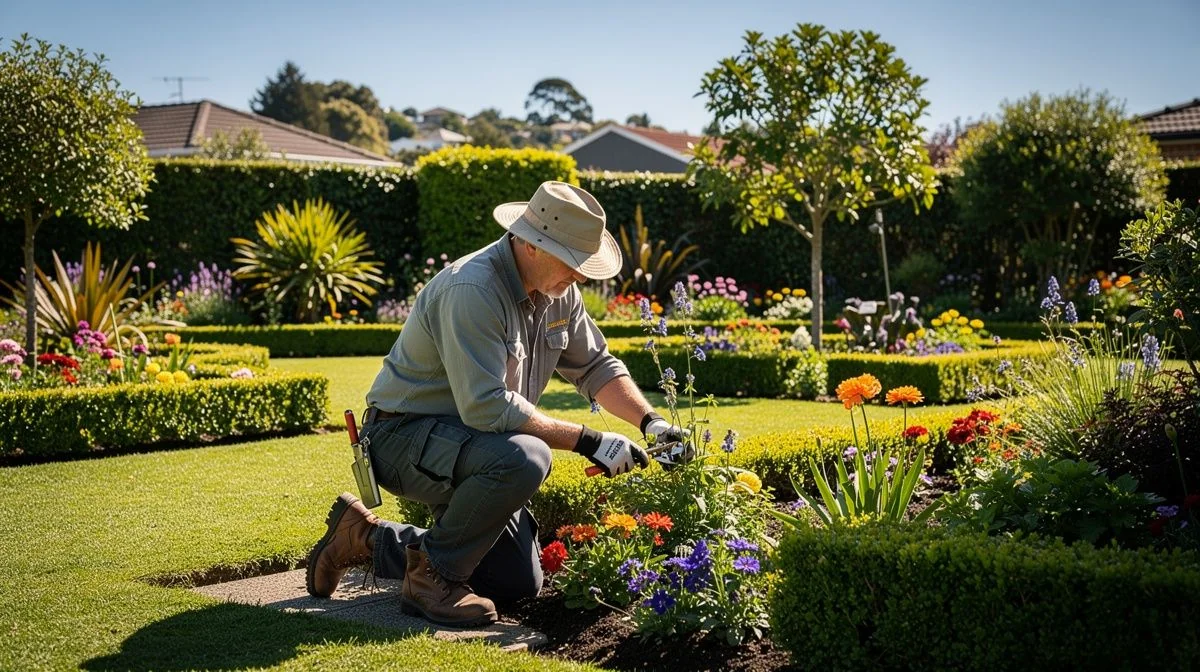
Finding the Right Gardener in Lower Hutt
Whether you’ve got an overgrown section in Naenae, a tidy lawn in Wainuiomata that needs regular mowing, or a native garden in Petone that could use some expert pruning, finding a reliable gardener in Lower Hutt can save you time and keep your outdoor space looking its best.
Lower Hutt has its own microclimate — often a bit warmer than Wellington city itself — but we also get our share of wind and rain. That means plants grow quickly in spring and summer, and weeds pop up just as fast. A good local gardener understands these conditions and can recommend plants and maintenance schedules that work for our region.
This page will help you work out what to look for, what questions to ask, and how to get the best results from your gardening hire — without wasting money or ending up with a half-finished job.
What to Look for When Hiring a Gardener in Lower Hutt
Not all gardeners offer the same services, and some are better suited to certain types of work than others. Here are the main things to check before you decide.
Services offered
Gardeners in Lower Hutt typically offer a mix of the following:
- Lawn mowing, edging, and weeding
- Pruning of trees, shrubs, and hedges
- Mulching, fertilising, and soil improvement
- Planting new gardens or pots
- Pest and disease management (some may refer you to a specialist)
- Green waste removal
- Hard landscaping like paths, fences, or retaining walls (usually separate)
If you need something specific — for example, a full garden redesign or complex tree work — ask upfront whether they handle it or can recommend someone who does. Many gardeners focus on maintenance and may not offer design or construction.
Experience and qualifications
There is no formal licence required to work as a gardener in New Zealand, so you’ll need to rely on experience, references, and any relevant qualifications. Look for someone who can show:
- A portfolio of work in the Hutt Valley (photos of completed gardens)
- Customer references or online reviews
- Membership in a professional body like the New Zealand Institute of Landscape Gardeners (NZILG) — not essential, but a good sign
- Knowledge of local plants and conditions — ask them about frost pockets or wind-prone spots in Lower Hutt
Insurance and health & safety
A professional gardener should have public liability insurance. This protects you if they accidentally damage your property or someone gets injured on your site. Ask to see their policy — it’s a reasonable request.
If the job involves using a chainsaw, heavy machinery, or working at height (like trimming tall trees), check they have the appropriate training and safety gear. Tree work over three metres usually requires a qualified arborist, not just a gardener.
Key Questions to Ask Before Hiring
Before you commit to a regular service or a one-off tidy-up, ask these questions. They’ll help you avoid misunderstandings and make sure you’re comparing apples with apples.
- “Can you provide a written quote or estimate?” — Verbal quotes can be forgotten. A written breakdown helps you compare prices and avoid surprises.
- “Do you charge by the hour or per job?” — Hourly rates are common for maintenance (often $40–$80 per hour). Per-job pricing is better for one-off projects so you know the total cost upfront.
- “How often would you recommend maintenance?” — A good gardener will give honest advice, not just try to sign you up for weekly visits if fortnightly is enough.
- “What’s included in your rate? What’s extra?” — Check if green waste disposal, travel time, or soil/plant costs are included. Some gardeners charge extra for tip fees.
- “Do you have public liability insurance?” — As mentioned, this is a must for peace of mind.
- “Can you provide a few references from Lower Hutt clients?” — Local references are best because they show the gardener knows your area.
- “What happens if it rains?” — Rescheduling happens, but it’s good to know their policy on wet weather.
- “Do you have a guaranteed response time for call-outs or issues?” — For ongoing maintenance, reliability matters.
Tips for Getting the Best Results
Once you’ve found a gardener you like, a bit of planning can make the working relationship smoother and the outcome better.
Be clear about your expectations
Walk around the garden together at the start. Point out what you like, what you don’t like, and any problem areas (like a soggy corner in Stokes Valley or frost damage in Manor Park). Take photos of plants you want to keep or prune in a certain way. The more specific you are, the less likely there will be misunderstandings.
Agree on a maintenance schedule
Most Lower Hutt gardens benefit from a visit every one to four weeks, depending on the season. Spring and summer need more frequent care; winter can be lighter. Agree on a schedule that suits both of you, and confirm how much notice is needed to cancel or change a booking.
Communicate promptly about problems
If a plant dies, a fence gets damaged, or you’re unhappy with some work, tell the gardener straight away. Good gardeners want to fix issues quickly. Leaving it for weeks or months only makes it harder to resolve.
Consider a seasonal plan
Ask your gardener to suggest a seasonal plan — for example, a spring prune, summer mulch, autumn tidy, and winter weed. This way your garden gets the right care at the right time, and you can budget ahead for bigger tasks like hedge trimming or tree shaping.
Keep your own records
Take before-and-after photos of the garden. That helps you track progress and gives you something to refer back to if you have a disagreement. It’s also useful if you want to show the gardener what you liked from a previous visit.
A Note About Costs and Getting Quotes
Gardening costs in Lower Hutt vary depending on the size of your section, the type of work needed, and how often you want visits. Here’s a rough guide to typical pricing (these are broad estimates — always get your own quotes):
- Standard lawn mowing (section up to 500m²): $40–$70 per visit
- Full garden tidy (weeding, pruning, mulching): $80–$150 per hour for a team, or $40–$80 per hour for a sole operator
- One-off heavy pruning or hedge trimming: $150–$400 depending on size and access
- Green waste removal: Often $20–$60 extra, or included if you have a bin
- Travel time: Some gardeners charge a call-out fee, especially for small jobs
The best way to get a fair price is to request at least three quotes from different gardeners. Provide the same description of the work to each so you can compare like with like. Don’t automatically choose the cheapest — check their experience, insurance, and reviews as well.
Also ask whether the quote is fixed or an estimate. A fixed quote means the price won’t change unless the scope of work does. An estimate could rise if the job turns out to be bigger than expected. For ongoing maintenance, many gardeners offer a discounted rate if you commit to regular visits (for instance, a monthly clean-up instead of a one-off).
Finally, remember that a well-maintained garden adds value to your home. Spending a bit more on a skilled gardener who knows Lower Hutt’s climate and soil can save you money in the long run by keeping your plants healthy and reducing the need for expensive replacements.

The ValueHub Team built this site because finding clear, unbiased financial information in New Zealand was harder than it should be. Every guide is based on real research — we compare the actual fees, terms, and fine print so you don't have to. Our tip: shop around every year, read the policy docs, and never assume loyalty gets you the best deal.— The ValueHub Team
Try our Calculators
Use these free tools to crunch the numbers:
KiwiSaver Fund Comparison
Compare fees, returns, and risk levels across every KiwiSaver fund from all 31 NZ providers.
Currency Converter — USD to NZD
Convert US Dollars to New Zealand Dollars instantly. See the latest exchange rate and 30-day trend.
Mortgage Repayment Calculator
Calculate your weekly, fortnightly, or monthly mortgage repayments. Free NZ mortgage calculator — try different rates, terms, and repayment frequencies.
Compound Interest Calculator
See how your savings grow with compound interest over time. Free NZ compound interest calculator with yearly, monthly, and weekly compounding options.
Term Deposit Calculator
Calculate your term deposit returns before you lock in. Compare interest earned across different terms and rates with ValueHub's free calculator.
Savings Goal Calculator
Calculate how long it will take to reach your savings goal — and what monthly deposit you need to get there. Free NZ savings planner.
Gardeners in Other Cities
Latest Guides & Reviews
New Zealand Financial Markets Authority Guide: Investor Protection in NZ
Protect your investments with this practical guide to the FMA — how to check licences, spot scams, and what to do if a provider fails. Verified against...
comparisonEV Home Charger NZ: Costs & Buying Guide
Compare EV home charger costs in NZ — verified prices from $1,299, installation fees, smart features, and what actually matters for your home's power supply.
guideThe Most Popular EVs in New Zealand
The best-selling electric cars in New Zealand, ranked by official registration data. Top BEV and PHEV models and brands, updated monthly.
guideEV Market Stats
New Zealand's EV market in numbers — market share, fleet size, top-selling models and used imports, updated with the latest NZTA and MIA data.