Best Gardeners in Palmerston North
Published 14 February 2025 · Updated 18 August 2026
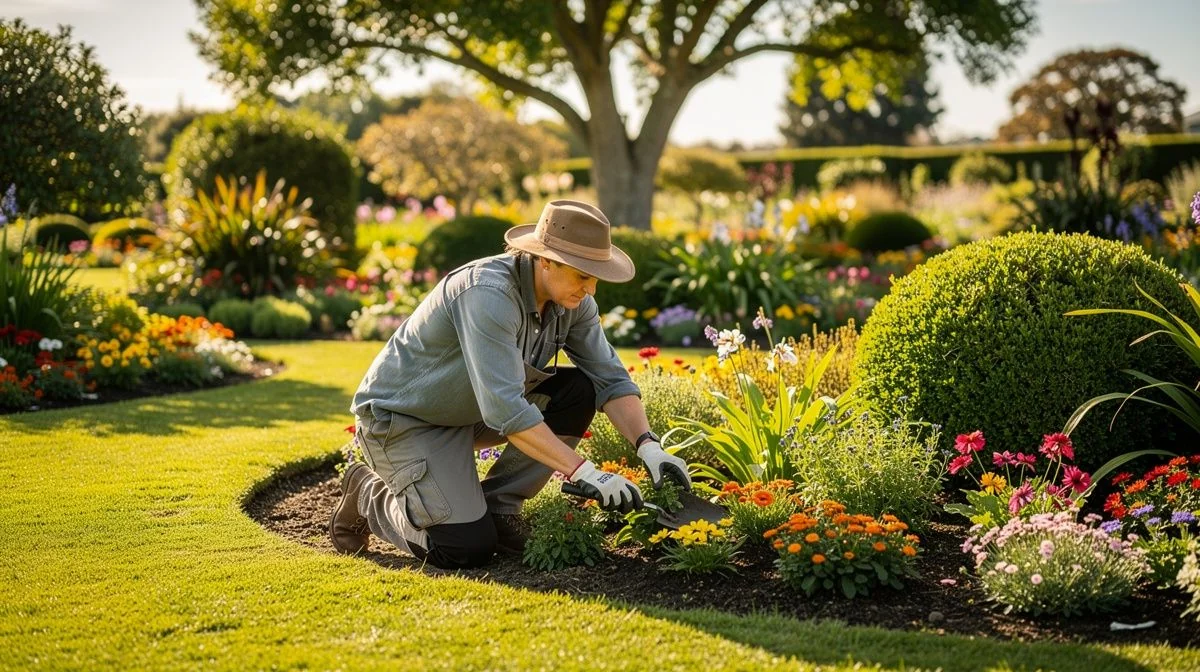
Best Gardeners in Palmerston North
If you own a home or manage a property in Palmerston North, keeping your outdoor spaces tidy and healthy is a rewarding but time-consuming job. Whether you're short on time, have limited mobility, or just want a professional finish, hiring a gardener can make a world of difference. Palmerston North has a strong community of experienced gardeners who understand the local climate and soils – from the fertile Manawatū plains to the wind and frost that can challenge gardens in the city.
This guide is designed to help you find and hire the right gardener for your property in Palmerston North. We'll cover what to look for, key questions to ask, tips for getting the best results, and what you should expect when it comes to costs and quotes.
What to look for when hiring a gardener in Palmerston North
Not all gardeners are the same. Some specialise in regular maintenance, others focus on planting design or landscaping. A good match for your needs starts with knowing what to look for. Here are the main things to consider when choosing a gardener in the Manawatū region.
- Local experience – A gardener who knows the Palmerston North area will understand the local climate, common pests, and which plants thrive here. They will be familiar with the heavy clay soils in some suburbs and the free-draining soils in others.
- Reliability and communication – Look for someone who returns calls or emails promptly and shows up when they say they will. Ask about their booking system and how they handle cancellations or rescheduling.
- Qualifications and insurance – While not all gardeners need formal qualifications, many hold certificates in horticulture or landscaping. More importantly, make sure they have public liability insurance – this protects you if anything gets damaged or someone is injured on your property.
- Equipment – Professional gardeners should have their own tools and equipment. Find out if they bring their own mowers, trimmers, and waste removal gear, or if they expect you to supply anything.
- References and reviews – Ask for recent references from clients in Palmerston North. Online reviews on platforms like Google or Neighbourly can also give you a sense of their reliability and quality of work.
- Communication about your garden – A good gardener will listen to your needs and offer practical advice about your garden's health, not just the cosmetic side. They should be able to explain what they plan to do and why.
Key questions to ask before hiring
Asking the right questions up front saves time and prevents misunderstandings down the track. Here are the questions we recommend asking any gardener you're considering hiring in Palmerston North.
- "Are you familiar with local plants and conditions?" – You want someone who knows about the Manawatū's climate: dry summers, wet winters, and the occasional frost. Ask if they have experience with gardens similar to yours.
- "Do you have public liability insurance and are you registered for GST?" – A professional gardener will have insurance. GST registration depends on their income, but they should be upfront about whether they charge GST or not.
- "Can you provide references from Palmerston North clients?" – Local references are more relevant than ones from other regions. Follow up on them if possible.
- "What exactly is included in your quote?" – Get a clear breakdown: mowing, trimming, weeding, pruning, mulching, waste removal. Some gardeners charge extra for green waste disposal or hedge trimming.
- "How often do you recommend visits?" – Some gardens need weekly maintenance, others every two weeks or monthly. The frequency will affect the overall cost.
- "Do you have a contract or service agreement?" – A written agreement protects both sides. It should outline the scope, frequency, price, and cancellation policy.
- "What happens with weeds and pests?" – Ask if they use chemicals or prefer organic methods. Palmerston North has a growing interest in eco-friendly gardening, so make sure their approach matches your preference.
Tips for getting the best results
Once you've chosen a gardener, you can help ensure the job goes smoothly and your garden looks its best. These tips come from local experience and common sense.
- Be clear about your goals – Let the gardener know what you want: a tidy lawn, a productive vegetable patch, or a garden for entertaining. The more specific you are, the better they can tailor their work.
- Walk through the garden together – On the first visit, point out any special plants, problem areas, or features you want to keep. This helps the gardener understand your priorities.
- Set a regular schedule – Regular maintenance keeps gardens under control and often costs less over time than irregular call-outs. Most Palmerston North gardeners offer weekly, fortnightly, or monthly visits.
- Keep paths and access clear – Make sure the gardener can easily reach the areas they need to work on. Move toys, furniture, or hoses out of the way before they arrive.
- Be realistic about the season – Gardens change throughout the year. In spring and autumn there may be more work, while summer might focus on watering and weeding. A good gardener will adjust their schedule to suit the season.
- Provide feedback – If you're not happy with something, say so politely and promptly. Most gardeners appreciate honest feedback and will make adjustments.
- Consider a trial period – If you're unsure, you can agree to a couple of visits before committing to an ongoing arrangement. That way you can see how you feel about their work and communication.
A note about costs and getting quotes
Gardening costs in Palmerston North vary depending on the size of your garden, the type of work needed, and how often you book. Some gardeners charge by the hour, while others quote per visit or per project. For regular maintenance, you might pay between $30 and $70 per hour, though rates can differ between individual tradespeople and

The ValueHub Team built this site because finding clear, unbiased financial information in New Zealand was harder than it should be. Every guide is based on real research — we compare the actual fees, terms, and fine print so you don't have to. Our tip: shop around every year, read the policy docs, and never assume loyalty gets you the best deal.— The ValueHub Team
Try our Calculators
Use these free tools to crunch the numbers:
KiwiSaver Fund Comparison
Compare fees, returns, and risk levels across every KiwiSaver fund from all 31 NZ providers.
Currency Converter — USD to NZD
Convert US Dollars to New Zealand Dollars instantly. See the latest exchange rate and 30-day trend.
Mortgage Repayment Calculator
Calculate your weekly, fortnightly, or monthly mortgage repayments. Free NZ mortgage calculator — try different rates, terms, and repayment frequencies.
Compound Interest Calculator
See how your savings grow with compound interest over time. Free NZ compound interest calculator with yearly, monthly, and weekly compounding options.
Term Deposit Calculator
Calculate your term deposit returns before you lock in. Compare interest earned across different terms and rates with ValueHub's free calculator.
Savings Goal Calculator
Calculate how long it will take to reach your savings goal — and what monthly deposit you need to get there. Free NZ savings planner.
Gardeners in Other Cities
Latest Guides & Reviews
New Zealand Financial Markets Authority Guide: Investor Protection in NZ
Protect your investments with this practical guide to the FMA — how to check licences, spot scams, and what to do if a provider fails. Verified against...
comparisonEV Home Charger NZ: Costs & Buying Guide
Compare EV home charger costs in NZ — verified prices from $1,299, installation fees, smart features, and what actually matters for your home's power supply.
guideThe Most Popular EVs in New Zealand
The best-selling electric cars in New Zealand, ranked by official registration data. Top BEV and PHEV models and brands, updated monthly.
guideEV Market Stats
New Zealand's EV market in numbers — market share, fleet size, top-selling models and used imports, updated with the latest NZTA and MIA data.