Best Gardeners in Whanganui
Published 24 February 2025 · Updated 18 August 2026
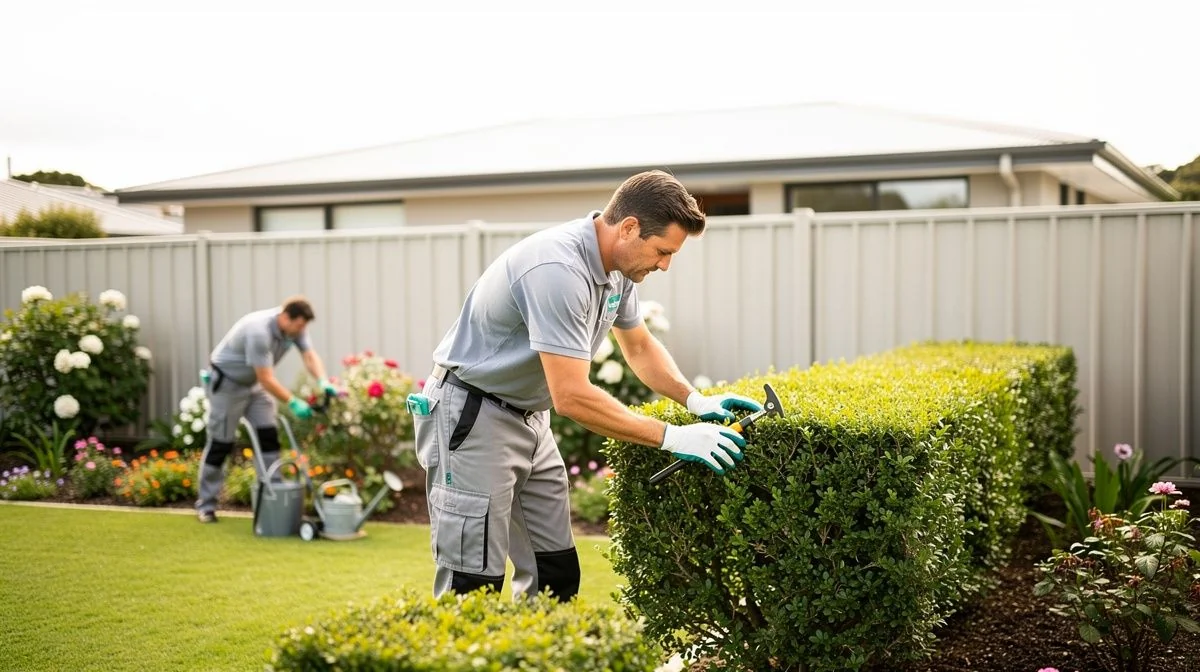
Finding the Right Gardener in Whanganui
Whanganui’s climate — mild winters, warm summers and that famous river breeze — means gardens here can thrive almost year‑round. But keeping on top of weeds, pruning, lawns and seasonal planting takes time. Whether you’re after a one‑off tidy‑up or regular maintenance, hiring a local gardener frees you up to enjoy your outdoor space rather than wrestle with it.
The trick is finding someone who understands Whanganui’s growing conditions and can work with what you’ve got — sandy river soils, coastal influences, or the classic clay that pops up in many suburban sections. This page runs through what to look for, questions to ask, and how to get the best from your gardener.
What to Look for When Hiring a Gardener in Whanganui
Not every gardener offers the same service. Some focus on lawns and hedges; others are trained horticulturists who can design and plant. Start by being clear about what you need.
Experience and local knowledge
A gardener who’s worked in Whanganui for a few years will know which plants cope with the wind off the coast and which struggle. They’ll also be familiar with common local weeds (think tradescantia, ivy, and convolvulus) and how to manage them without harming the rest of your garden.
Services offered
Check whether the gardener provides:
- Lawn mowing, edging and weed‑eating
- Hedge trimming and pruning
- Weeding and mulching
- Planting and garden design
- Green waste removal
- Spraying (if needed and if you’re comfortable with chemicals)
Some gardeners in Whanganui also offer rubbish‑run services for garden waste, which can save you a trip to the transfer station.
Insurance and safety
A professional gardener should hold public liability insurance. It protects you if they accidentally damage a window, fence or underground pipe. Also ask about their safety practices — particularly if they use power tools, climb ladders, or work near power lines.
Tools and equipment
Most gardeners bring their own gear. But if you have a very narrow access, a steep slope or a delicate garden, check that their equipment suits your site. A good gardener will also maintain their tools properly, reducing the chance of spreading disease between plants.
Key Questions to Ask Before Hiring
Asking the right questions early helps avoid misunderstandings down the track. Here are the ones we recommend.
- Do you have a current gardening qualification or relevant training? Not essential for basic mowing, but helpful for complex pruning or plant health advice.
- Can you provide a written quote or estimate? Verbal quotes can lead to disputes. A written quote sets clear expectations.
- How do you charge — by the hour, by the job, or at a fixed rate for regular visits? Hourly rates are common, but a fixed price per visit helps you budget.
- What happens to the green waste? Some gardeners include removal in the price; others charge extra. Check if they compost on‑site or take it to the Whanganui Resource Recovery Centre.
- Do you have references from other Whanganui clients? Local references are gold. A quick call to a previous customer tells you about reliability and quality.
- What’s your cancellation policy? Life happens. Know whether you’ll be charged if you need to reschedule at short notice.
If you’re after a one‑off job like clearing an overgrown section, ask how they handle unexpected discoveries — like old concrete edging, hidden paths, or invasive weeds that need special treatment.
Tips for Getting the Best Results
Once you’ve chosen a gardener, a little planning goes a long way. Here’s how to make sure you’re both on the same page.
Be clear about your priorities
If the front lawn matters more than the back hedge, say so. If you want to keep a messy patch for native birds, tell them. A good gardener will adapt their approach to what matters to you — not just mow everything into a green carpet.
Communicate any allergies or concerns
If you or your family have allergies to pollen, grasses or particular plants, let your gardener know. They can adjust the timing of mowing or choose low‑allergen plants if replanting is on the cards.
Agree on a schedule
Regular maintenance (fortnightly or monthly) keeps gardens looking tidy and stops weeds taking hold. But if you only need a seasonal tidy‑up, clarify that upfront so the gardener doesn’t assume ongoing work.
Walk the garden together at the first visit
Point out anything you want kept — a favourite shrub, a patch of self‑seeded flowers, or a garden ornament you want left alone. Also highlight any hazards like hidden pipes, uneven pavers, or areas that get boggy after rain (Whanganui’s winter downpours can cause some lawns to turn into mud).
Check the work after each visit
Don’t be shy about asking for tweaks. A quick look around after the first job lets you say “please trim the hedge a bit higher” or “that rose can be pruned harder”. Most gardeners appreciate feedback — it saves them guessing next time.
A Note About Costs and Getting Quotes
Gardening costs in Whanganui vary depending on the size of your section, the complexity of the work, and how often you need visits. Hourly rates for a qualified gardener typically range from $40 to $70 per hour. For a standard suburban section (say 600–800 m²) a regular fortnightly visit might cost between $60 and $120, depending on what’s included.
One‑off jobs — like a full section clear, hedge reduction, or major pruning — are usually quoted as a fixed price after the gardener has seen the site. For a large job, expect to pay $200 to $800 or more, depending on the amount of green waste and the time required.
Getting the most from your quotes
When you ask for quotes, provide the same information to each gardener:
- Approximate size of your section (or a photo from the street)
- What you want done (lawn, hedges, weeding, planting, etc.)
- How often you need the service
- Whether you’ll be home to point out specifics
If one quote seems much lower than others, ask why. Sometimes a low price means the gardener isn’t insured, doesn’t include green waste removal, or plans to rush through the job. On the flip side, a higher quote may reflect better equipment, more experience, or guaranteed follow‑up.
Payment and terms
Most Whanganui gardeners ask for payment on the day — cash, bank transfer, or internet banking. Some may invoice monthly for regular clients. Always agree on payment terms before the work starts, and keep a record of payments made.
A final tip: if you’re happy with a gardener’s work, consider booking them for a regular slot. Reliable clients often get priority during Whanganui’s busy spring and summer months, when good gardeners can be booked up weeks ahead.

The ValueHub Team built this site because finding clear, unbiased financial information in New Zealand was harder than it should be. Every guide is based on real research — we compare the actual fees, terms, and fine print so you don't have to. Our tip: shop around every year, read the policy docs, and never assume loyalty gets you the best deal.— The ValueHub Team
Try our Calculators
Use these free tools to crunch the numbers:
KiwiSaver Fund Comparison
Compare fees, returns, and risk levels across every KiwiSaver fund from all 31 NZ providers.
Currency Converter — USD to NZD
Convert US Dollars to New Zealand Dollars instantly. See the latest exchange rate and 30-day trend.
Mortgage Repayment Calculator
Calculate your weekly, fortnightly, or monthly mortgage repayments. Free NZ mortgage calculator — try different rates, terms, and repayment frequencies.
Compound Interest Calculator
See how your savings grow with compound interest over time. Free NZ compound interest calculator with yearly, monthly, and weekly compounding options.
Term Deposit Calculator
Calculate your term deposit returns before you lock in. Compare interest earned across different terms and rates with ValueHub's free calculator.
Savings Goal Calculator
Calculate how long it will take to reach your savings goal — and what monthly deposit you need to get there. Free NZ savings planner.
Gardeners in Other Cities
Latest Guides & Reviews
New Zealand Financial Markets Authority Guide: Investor Protection in NZ
Protect your investments with this practical guide to the FMA — how to check licences, spot scams, and what to do if a provider fails. Verified against...
comparisonEV Home Charger NZ: Costs & Buying Guide
Compare EV home charger costs in NZ — verified prices from $1,299, installation fees, smart features, and what actually matters for your home's power supply.
guideThe Most Popular EVs in New Zealand
The best-selling electric cars in New Zealand, ranked by official registration data. Top BEV and PHEV models and brands, updated monthly.
guideEV Market Stats
New Zealand's EV market in numbers — market share, fleet size, top-selling models and used imports, updated with the latest NZTA and MIA data.