Best Gas Fitters in Feilding
Published 14 February 2025 · Updated 18 August 2026
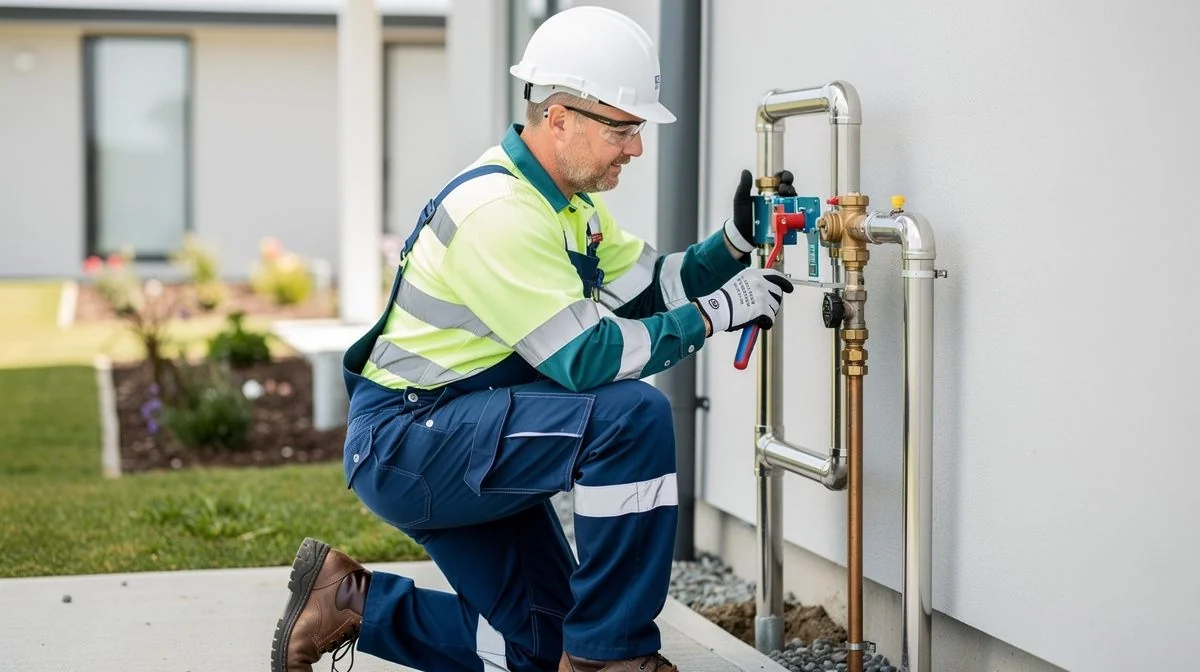
Best Gas Fitters in Feilding
If you live in Feilding, Manawatū-Whanganui, you know how important a reliable gas fitter can be. Whether you need a new gas stove installed, a hot water cylinder connected, or a leaky pipe sorted, finding the right person makes all the difference. Gas work is not something to mess around with — it’s serious business that directly affects your family’s safety and your home's comfort.
Feilding has a solid community of tradespeople, and gas fitters here understand local housing stock, from character villas to modern builds. But how do you pick the best one for your job? This guide will walk you through everything you need to know.
What to look for when hiring a Gas Fitter in Feilding
Not every handyman can do gas work. In New Zealand, gas fitting is a licensed trade, and for good reason. A mistake can lead to gas leaks, fires, or carbon monoxide poisoning. Here’s what to check before you hire anyone.
Valid licensing and registration
All gas fitters in New Zealand must be authorised by the Plumbers, Gasfitters and Drainlayers Board (PGDB). Ask for their licence number and look it up on the PGDB website. It’s free and takes two minutes. If they can’t provide a current licence, walk away.
Also check that the licence covers the specific type of gas work you need — for example, natural gas or LPG. Some fitters are qualified for both, but not all.
Insurance cover
A professional gas fitter should carry public liability insurance. This protects you if something goes wrong on the job — like accidental damage to your property. Don’t be shy about asking for proof.
Experience with local homes and systems
Feilding homes come in all ages and styles. An experienced local gas fitter will be familiar with older pipework, common issues in the area, and local council requirements. They’ll also know which gas suppliers operate reliably in the Manawatū-Whanganui region.
Clear, written quotes
A reputable gas fitter will provide a written quote before starting work. It should include a breakdown of labour, materials, and any additional costs. Verbal estimates can lead to surprises later.
Warranty on work and parts
Most good gas fitters stand behind their work. Ask about warranties — typically you’ll get at least 12 months on labour, and parts may be covered by the manufacturer. Get this in writing.
Key questions to ask before hiring
Asking the right questions early saves headaches. Here are the ones that matter most.
- Are you a licensed gas fitter? — Ask for their PGDB registration number and verify it.
- What types of gas work do you specialise in? — Installations, repairs, maintenance, or all three.
- Can you provide references from recent jobs in Feilding? — A local reference tells you they’ve worked on similar homes.
- Do you have public liability insurance? — Request a copy of their certificate.
- Will you provide a written quote before starting? — Make sure it’s itemised.
- How long will the job take? — Get a realistic timeline, including any potential delays.
- Do you offer a warranty on your work? — How long and what does it cover?
- Will you handle the necessary compliance paperwork? — In New Zealand, gas fittings must be certified and the work recorded (e.g., a certificate of compliance). Ask if they supply this.
- Do you sub-contract work out? — Some fitters use subbies. If so, check those workers are also licensed.
Tips for getting the best results
Once you’ve chosen your gas fitter, a bit of preparation can make the process smoother and the outcome better.
Be clear about what you want
Write down exactly what you need done — the appliance model, the location, any existing pipework. The more detail you provide, the more accurate the quote and the fewer surprises on the day.
Check compliance with New Zealand standards
Gas installations in New Zealand must comply with NZS 5261 (for gas installation) and NZS 5601 (for gas appliances). A good fitter will know these standards inside out. They should also issue a certificate of compliance after completing the work — keep this for your records and for any future home sales.
Think about future maintenance
Ask your fitter what ongoing care your gas appliances need. For example, a gas heater should be serviced annually. A reputable fitter can schedule routine checks or at least advise you on what to do.
Don’t rush the job
If a gas fitter offers to start tomorrow and finish in a few hours for a suspiciously low price, be cautious. Proper gas work takes time — testing for leaks, checking pressure, and ensuring all connections are safe. Good work is rarely the fastest or the cheapest.
Keep an eye on the paperwork
After the job is done, make sure you receive all the necessary documentation: the quote, invoice, certificate of compliance, and any appliance manuals or warranty cards. This paper trail is important for insurance and resale.
A note about costs and getting quotes
Gas fitting costs in Feilding vary depending on the job size, the materials needed, and the experience of the fitter. Small repairs like fixing a gas leak on a single appliance might cost a couple of hundred dollars. Installing a new gas hot water system or running new pipework across a house can run into the thousands.
There’s no single “average price” because every job is different. The best approach is to get at least three written quotes from licensed gas fitters. Compare not just the total dollar figure, but what’s included. A cheap quote might not cover all parts, compliance paperwork, or disposal of old appliances. A higher quote might include a longer warranty or better materials.
Also, be wary of anyone who asks for a large deposit upfront. A small deposit (say 10–20%) to cover materials is reasonable, but paying the full amount before the work starts is not standard practice in New Zealand.
Finally, remember that the cheapest option isn’t always the safest. Gas work done incorrectly can cost far more in the long run — through repairs, insurance headaches, or worse, a dangerous situation. A properly licensed and experienced gas fitter is worth paying for.

The ValueHub Team built this site because finding clear, unbiased financial information in New Zealand was harder than it should be. Every guide is based on real research — we compare the actual fees, terms, and fine print so you don't have to. Our tip: shop around every year, read the policy docs, and never assume loyalty gets you the best deal.— The ValueHub Team
Try our Calculators
Use these free tools to crunch the numbers:
KiwiSaver Fund Comparison
Compare fees, returns, and risk levels across every KiwiSaver fund from all 31 NZ providers.
Currency Converter — USD to NZD
Convert US Dollars to New Zealand Dollars instantly. See the latest exchange rate and 30-day trend.
Mortgage Repayment Calculator
Calculate your weekly, fortnightly, or monthly mortgage repayments. Free NZ mortgage calculator — try different rates, terms, and repayment frequencies.
Compound Interest Calculator
See how your savings grow with compound interest over time. Free NZ compound interest calculator with yearly, monthly, and weekly compounding options.
Term Deposit Calculator
Calculate your term deposit returns before you lock in. Compare interest earned across different terms and rates with ValueHub's free calculator.
Savings Goal Calculator
Calculate how long it will take to reach your savings goal — and what monthly deposit you need to get there. Free NZ savings planner.
Gas Fitters in Other Cities
Latest Guides & Reviews
New Zealand Financial Markets Authority Guide: Investor Protection in NZ
Protect your investments with this practical guide to the FMA — how to check licences, spot scams, and what to do if a provider fails. Verified against...
comparisonEV Home Charger NZ: Costs & Buying Guide
Compare EV home charger costs in NZ — verified prices from $1,299, installation fees, smart features, and what actually matters for your home's power supply.
guideThe Most Popular EVs in New Zealand
The best-selling electric cars in New Zealand, ranked by official registration data. Top BEV and PHEV models and brands, updated monthly.
guideEV Market Stats
New Zealand's EV market in numbers — market share, fleet size, top-selling models and used imports, updated with the latest NZTA and MIA data.