Best Gas Fitters in Tauranga
Published 11 September 2026 · Written by the ValueHub team · Reviewed by Steve Baron
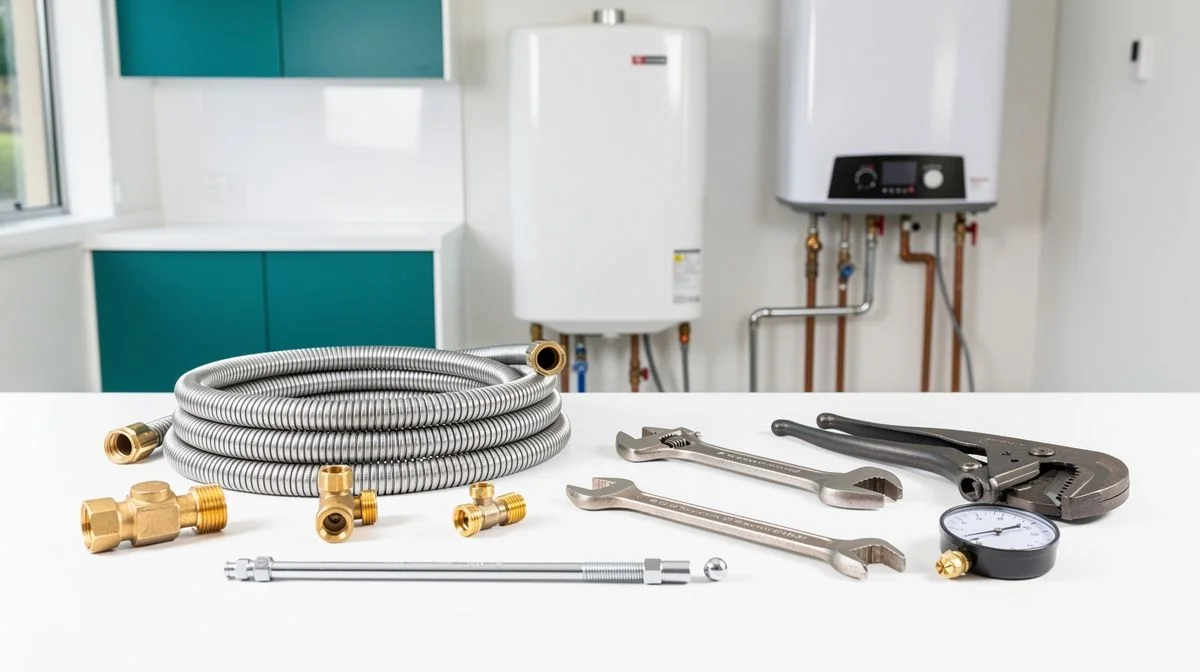
Gasfitting in a Coastal City of Older Homeowners
Tauranga has the oldest population of any main centre, and that changes the gasfitting brief. Many households here plan for the long term, replacing appliances before they fail rather than after, and paying closer attention to servicing and safety. At the same time, the old unit still works usually leads to better choices, less pressure, and a calmer price than an emergency callout.
Coastal exposure is the other theme. Salt air attacks regulators, flue terminals and cylinder connections faster than it does inland, and homes near the harbour and the beaches see it first, especially on the most exposed elevations. Fittings that would last years elsewhere may need attention sooner here, which makes regular inspection more worthwhile than it sounds.
The port and the kiwifruit and horticulture sectors support much of the local economy, and properties on the urban fringe and the surrounding lifestyle blocks often run on LPG rather than mains gas. New occupants sometimes assume a connection is available when the property is actually on bottles, so check the supply before planning an appliance. Either way, a licensed gasfitter must do the work and certify it.
How This Guide Was Researched
The rules come first because gasfitting is a restricted occupation. We worked through the licensing framework administered by the Plumbers, Gasfitters and Drainlayers Board: who may carry out gasfitting work, what an annual practising licence requires, and who may certify it.
We then considered what is particular to Tauranga: an older demographic, coastal corrosion, the port and horticulture economies, and a housing stock that spans retirement units through to lifestyle blocks on the urban fringe. Every figure used here comes from a published source.
Our Trusted Gas Fitters
We feature businesses that demonstrate strong performance, proven experience, and consistently positive customer feedback. Some of the providers listed may have commercial relationships with us, but all are selected based on quality and reliability.
To begin, reach out to them and speak with them directly — this helps you explain your job, ask questions, and confirm whether they're the right fit.
Looking for reliable Tauranga plumbers, drainlayers or gas fitters? Book now and experience the JT Plumbing difference. We love what we do and it shows. Residential & Commercial plumbing, drainage & gas solutions. Responsive service All your plumbing needs covered Quality assured. plumbing is not something you think ab
The Short List
- Only a registered gasfitter with a current annual practising licence may carry out or assist with gasfitting work.
- A certifying gasfitter is the highest class of the trade and the one who can certify work.
- Certification protects insurance cover and transfers to the next owner on sale.
- Check any licence on the Board's public register in seconds.
- Coastal salt exposure means outdoor gas fittings need more frequent inspection here.
- Never attempt gasfitting yourself, and never hire someone who is not on the register.
Where the Money Goes
Gasfitting is quoted per job. The price reflects the pipework, flue route, ventilation, and certification, so two similar homes can produce quite different figures. Tauranga's higher property values do not set gasfitting prices, but the local cost base does sit above the national average.
The trade's fixed costs are the same nationwide. Registration is $350, the annual practising licence $100, and the disciplinary and prosecution levy $275. The gasfitter examination (9193) costs $330, and the certifying examination (9196) costs $410.
Ask for a written quote that separates parts, labour and certification, and check that both quotes describe the same work. If one is dramatically lower, ask what it excludes.
Confirming a Licence
The Board maintains a public register that anyone can search, with no permission required from the gasfitter. Confirm the registration is current, and that the annual practising licence has been renewed.
- Get the licence number before work starts.
- Check the practising licence is current this year.
- Ask whether the gasfitter is a tradesperson or a certifying gasfitter.
- Write down who will certify the finished work.
- Store the certification with your property and insurance records.
What Makes Tauranga Different
An Older Population
Retirement and pre-retirement households often prefer to replace ageing appliances on their own schedule rather than in an emergency. Planning a replacement while the old unit still works usually produces better choices and less pressure.
Salt Air and Corrosion
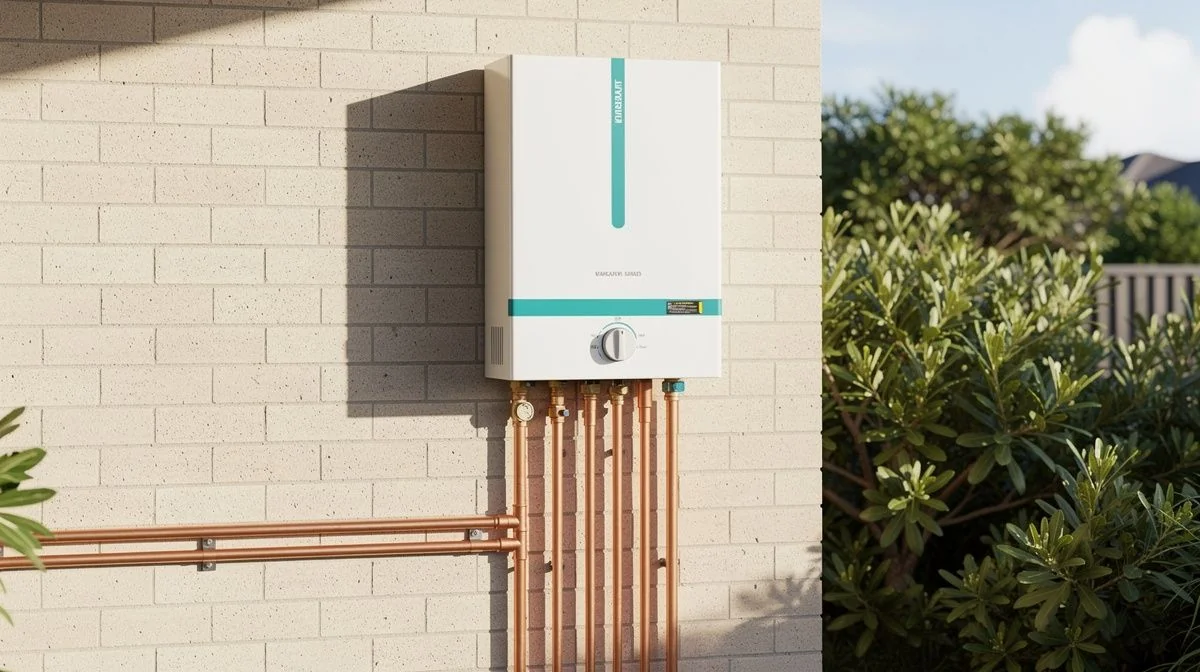
Near the harbour and the beaches, salt attacks regulators, flue terminals and outdoor connections. Fittings that would last years inland may need attention sooner here, particularly on exposed elevations.
Horticulture and the Port
The port and the kiwifruit and horticulture sectors support a large share of local employment. Rural and semi-rural properties around the city often run on LPG rather than mains gas, which changes installation and maintenance routines.
Lifestyle Blocks on the Fringe
Tauranga's growth has pushed housing into semi-rural areas where reticulated gas may not reach. New occupants sometimes assume a gas connection is available when the property is actually on bottles, so check the supply before planning an appliance.
Certification and the Paper Trail
Certification is the document that proves the work was done lawfully and safely. An insurer may ask for it after an incident, and a buyer may ask for it during a sale. It is also the only reliable evidence that the person who did the work was entitled to do it.
A certifying gasfitter can certify gasfitting work after passing examination 9196 and holding an active practising licence for 24 months. A certifying gasfitter must also supervise anyone working under an exemption.
Choosing Someone in Tauranga
Ask how much of their work is on bottled LPG, because that is common on the urban fringe. Ask whether they inspect the existing installation before quoting, and ask what certification you will receive. The answers tell you more than the price does.
Warning Signs
- No licence number, or one that cannot be verified.
- A quote given sight unseen.
- Any reluctance to provide certification.
- Cash-only work with no documentation.
- A gasfitter who will not say whether they can certify.
Questions You Might Have
Should I replace an ageing gas appliance before it fails?
For a household planning to stay put, replacing on your own schedule is usually calmer and often cheaper than an emergency callout. Ask a licensed gasfitter to assess the installation first.
Does coastal air really shorten the life of gas fittings?
Salt accelerates corrosion, particularly on exposed outdoor fittings. That makes regular inspection more worthwhile here than inland, especially near the harbour and the beaches.
Can a gasfitter work on my boat?
Gas installations on vessels need specialist knowledge and compliance. Ask specifically about marine experience before engaging anyone.
Planning a Replacement Rather Than Reacting to One
An ageing appliance rarely fails at a convenient moment. Planning a replacement lets you choose the unit, compare quotes without pressure and book the work for a quiet week rather than an emergency. For households that intend to stay in the home, that is usually the cheaper path.
Start by asking a licensed gasfitter to assess the existing installation, not just the appliance. Pipe capacity, flue condition and ventilation all affect what can be fitted, and those answers shape the quote. A price given over the phone for an unseen installation is a guess.
If the home is on bottled LPG, the review should cover the bottle station as well: siting, ventilation, restraint and the changeover arrangement. Coastal salt makes those fittings deteriorate sooner, so they deserve attention even when the appliance itself seems fine.
Finally, keep the certification with your house records. When the appliance is replaced again, or the property is sold, the paper trail is what shows the work was done properly by someone licensed to do it.
A planned replacement also lets you ask about efficiency and running costs without the pressure of a breakdown. Those questions are easier to weigh while the existing unit still works and no decision has to be made today.
Getting It Right
Tauranga households tend to think ahead, and that suits gasfitting well. Planning a replacement, servicing on schedule and using the register are all easier than dealing with a failure. What matters most is that the person doing the work is registered, currently licensed and able to certify it.
To weigh up providers across the region, start with our Gas Fitters hub.

The ValueHub Team built this site because finding clear, unbiased financial information in New Zealand was harder than it should be. Every guide is based on real research — we compare the actual fees, terms, and fine print so you don't have to. Our tip: shop around every year, read the policy docs, and never assume loyalty gets you the best deal.— The ValueHub Team
More Gas Fitters in Tauranga
These businesses also operate in this area.
You can trust our team of master plumbers, gas fitters, and drain layers to provide quality plumbing services to the Bay of Plenty. Servicing the Bay of Plenty for 40 Years. Discover the Plumbing Works difference. Watch our video here.
Professional plumbing, gas fitting & drainage services in Tauranga & Bay of Plenty. New builds, renovations & maintenance for homes and businesses. Trusted for residential and commercial projects throughout Tauranga and the wider Bay of Plenty region. Lorem ipsum dolor sit amet, consectetur adipiscing elit, sed do eius
Try our Calculators
Use these free tools to crunch the numbers:
KiwiSaver Fund Comparison
Compare fees, returns, and risk levels across every KiwiSaver fund — the most up to date data in New Zealand.
Currency Converter — USD to NZD
Convert US Dollars to New Zealand Dollars instantly. See the latest exchange rate and 30-day trend.
Mortgage Repayment Calculator
Calculate your weekly, fortnightly, or monthly mortgage repayments. Free NZ mortgage calculator — try different rates, terms, and repayment frequencies.
Compound Interest Calculator
See how your savings grow with compound interest over time. Free NZ compound interest calculator with yearly, monthly, and weekly compounding options.
Term Deposit Calculator
Calculate your term deposit returns before you lock in. Compare interest earned across different terms and rates with ValueHub's free calculator.
Savings Goal Calculator
Calculate how long it will take to reach your savings goal — and what monthly deposit you need to get there. Free NZ savings planner.
Gas Fitters in Other Cities
Latest Guides & Reviews
Kōura KiwiSaver Scheme Review
Kōura KiwiSaver review: 13 open funds, fund charges from 0.63 to 1.10 per cent, and net returns to 30 June 2026.
reviewMaritime KiwiSaver Scheme Review
Maritime KiwiSaver review: 3 open funds, fund charges from 0.61 to 0.76 per cent, and net returns to 31 March 2026.
reviewMAS KiwiSaver Scheme Review
MAS KiwiSaver review: 7 open funds, fund charges from 0.25 to 0.98 per cent, and net returns to 30 June 2026.
reviewArotahi KiwiSaver Scheme Review
Arotahi KiwiSaver review: 1 open fund, a 0.77 per cent fund charge, and net returns to 31 March 2026. What the Government register shows you pay and get back.